Saturday, March 20, 2021

These 3 nuts can help you lose weight!

Weight loss: These 3 nuts can help you lose weight!
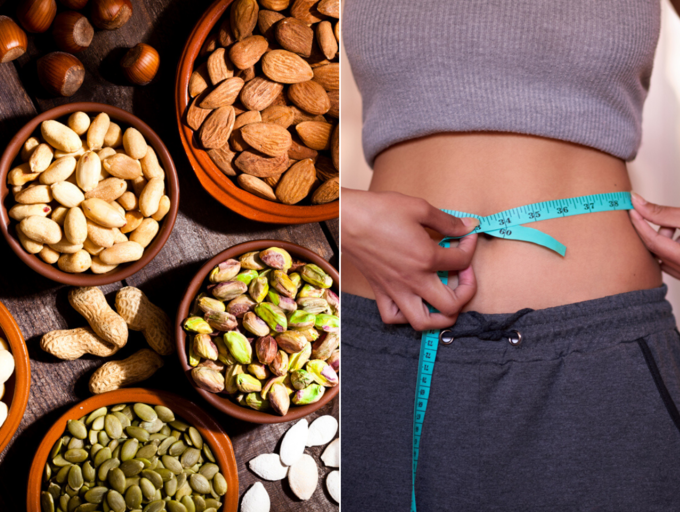
Nuts are often touted as a bite-sized super-food as they are packed with enriching nutrients that battle several health issues and provide nourishment. They also contain a lot of healthy fats and proteins which are essential for your daily diet and leave you feeling satiated in between the meals. However, when you are trying really hard to lose weight, munching on a handful of nuts isn’t exactly on anyone’s mind.

​Nuts for weight loss: Is it even true?

Nuts are the classic case of how excess of anything good is bound to be bad. This is because while a handful of nuts every day is a good idea, deciding to go overboard with the same will not do your body any good. If you are trying to shed those stubborn kilos, we suggest adding these tiny delights to your diet in moderation. According to a research published in the Asia Pacific Journal of Clinical Nutrition, routine nut consumption is associated with higher levels of energy use while resting.

Walnuts
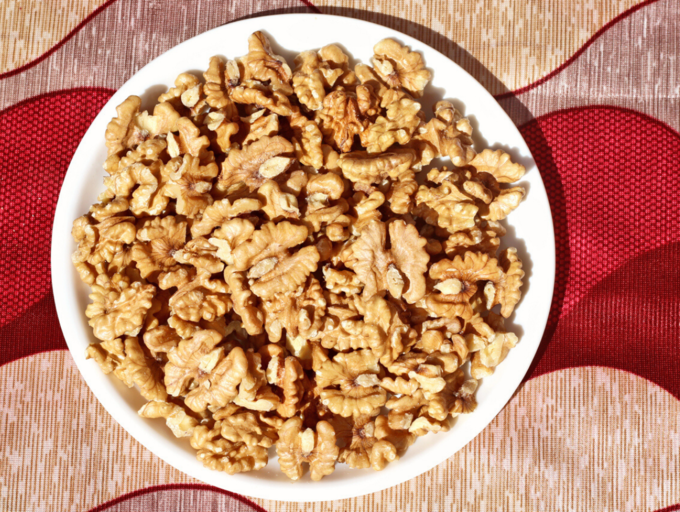
Walnuts are well-known for their heart-healthy quotient and are one of the best nuts for losing weight. They are loaded with an omega-6 fatty acid called linoleic acid, omega-3 fat alpha-linolenic acid (ALA) and other vitamins. They are also exceptionally rich in antioxidants. Walnuts keep you feeling full for a longer duration of time, lowers the level of bad cholesterol, and promotes healthy body weight.

Calories in 28 grams of walnuts: 187.3 kcal

Almonds
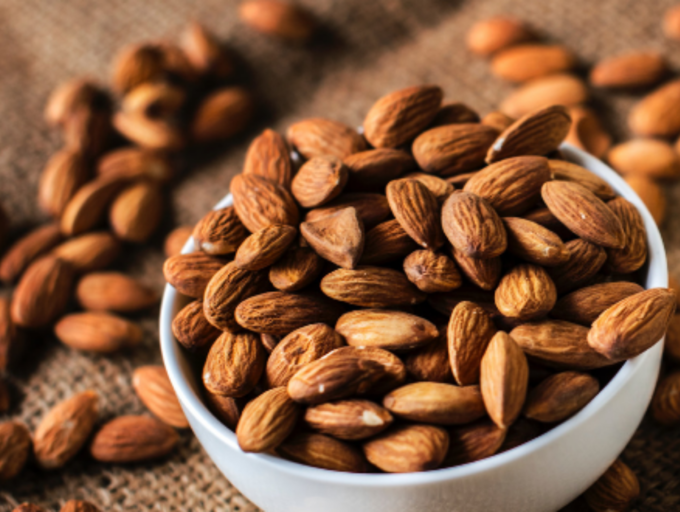
Almonds are considered as one of healthiest snacking options when you are on a quest to lose weight. It is not only an excellent source of protein but is also loaded with antioxidants. They are low in calories and are packed with proteins which help in the development of lean muscle mass. Did you know that almonds also help to fight off the bad LDL cholesterol? Yes, you read that right.

Calories in 28 grams of almonds: 174.3 kcal

​Dates

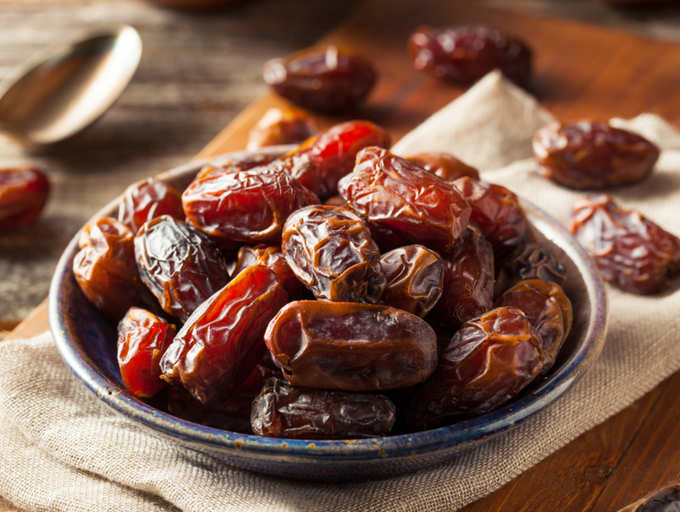
If you crave for something sweet in between mealtimes, we suggest opting for dates, instead of reaching out for a piece of chocolate. They are loaded with iron and can aid your weight loss journey by flushing out the toxins. Moreover, dates are also packed with dietary fiber which keeps you satiated for a longer duration of time and prevents munching on unhealthy snacks.

Calories in 28 grams of dates: 79 calories

The takeaway

While the consumption of a handful of nuts every day is pretty healthy on its own, it is the addition of salt, spices and toppings which turns them unhealthy. Even though nuts can make a difference on your waistline in a quick and healthy way, it is important that you practice portion control.

readmore

Labels: , , , , , , , , , ,

Tuesday, November 19, 2019

Omega 3 protect heart without raising prostate cancer risk, find studies


Intermountain Healthcare Heart Institute researchers in recent studies have found that Omega-3 supplements protect the heart without raising prostate cancer risk.

Use of Omega supplements is continuously on the rise amid controversies regarding their efficacy and safety. The common questions raised are- are Omega 3 supplements totally safe? Should one keep taking omega 3 pills? Or try to have two servings of omega-3 rich fish a week, as the American Heart Association recommends? Does Omega 3 increases risk of prostate cancer?

The researchers at the Intermountain Healthcare Heart Institute conducted research regarding potential benefits and risks of this popular supplements, especially when it comes to prostate cancer risk and heart health. Earlier studies suggested a possible link between higher omega 3 plasma levels and the development of prostate cancer.

The Intermountain research team presented 2 new studies about omega 3s at the 2019 American Heart Association Scientific Sessions recently.

Omega 3 is a type of fat. Small amounts of omega 3 fats are essential for good health, and they can be found in the food that we eat. The main types of omega 3 fatty acids are, alphalinolenic acid (ALA), eicosapentaenoic acid (EPA), and docosahexaenoic acid (DHA). ALA is normally found in fats from plant foods, such as nuts and seeds ( walnut and rapeseed are rich sources). EPA and DHA 
collectively called long-chain omega 3 fats are naturally found in fatty fish, such as salmon and fish oils, including cod liver oil.

In one study, the research team identified 87 patients who were part of the study, had developed prostate cancer. These patients were also tested for plasma levels of docosahexaenoic acid (DHA) and eicosapentaenoic acid (EPA), which are 2 common omega 3 fatty acids.

When compared to a matched control group of 149 men, the researchers found that higher omega 3 levels were not linked with elevated prostate cancer risk.

A researcher said, they undertook this study in light of findings from a 2013 paper that suggested a possible link between higher omega 3 plasma levels and the development of prostate cancer, one that has been debated since publication.

If I’m recommending omega 3 for my patients to save their hearts, I want to make sure I’m not putting them at risk for prostate cancer, said the researcher. Our study found no evidence of a link between the two.

In the 2nd study presented at the 2019 American Heart Association Scientific Sessions, the researchers looked at 894 patients undergoing coronary angiography.

These patients had no prior history of heart attack or coronary artery disease, however upon their 1st angiogram, about 40 % of those patients had sever disease and about 10 % had the 3 vessel disease, the researcher said.

Researchers also measured patients’ plasma levels of omega 1 metabolites, including DHA and EPA.
Those patients were then followed to see who had a subsequent heart attack, stroke, heart failure, or who died.

Researchers found that patients who had higher rates of omega 3 metabolites had a lower risk of those follow up adverse effects regardless of whether they had severe disease or not on their initial angiogram.

This study is important because we looked at how omega 3 helps patients who have already developed the disease, and its effects on survival—both in getting to the first angiography to be diagnosed ( vs having a heart attack or worse before even knowing they have heart disease) and thereafter, said the researcher.

While a seeming association between higher plasma omega 3 levels and the findings of severe heart disease upon initial angiogram might raise alarms that omega 3 isn’t beneficial, they did live to see a doctor and get diagnosed, he added. And we saw a link between higher levels of omega 3 and their survival rate thereafter.


this is only for your information, kindly take the advice of your doctor for medicines, exercises and so on.     
https://gscrochetdesigns.blogspot.com. one can see my crochet creations  
https://gseasyrecipes.blogspot.com. feel free to view for easy, simple and healthy recipes    
https://kneereplacement-stickclub.blogspot.com. for info on knee replacement


Labels: , , , , , , , , , , ,

Tuesday, April 18, 2017

Health Benefits of Sabja Seeds( Basil seeds)

You’re going to discover some amazing sabja seed benefits, also known as sweet basil, Falooda seed or Turkmaria seed.

Wondering what these black seeds are? The basil plant is native to India. It is also called sweet basil but is different from the Holy Basil or Tulsi, which is common in every Indian household and credited for its immunity-boosting properties. The herbs of the basil plant are known to very healthy and so are the seeds.

The black and tear-shaped seeds that many confuse with chia seeds are rich in proteins, carbs, and essential fats and are packed with a good deal of fiber. Interestingly, these seeds of the basil plant contain no calories. According to Bangalore- based Nutritionist, Dr. Anju Sood, “Sabja seeds are rich in antioxidants, help in controlling diabetes and is also good for your skin. They are hard to chew, so do not take them raw. It’s best to soak them in water before consuming, which makes them more gelatinous. It is recommended to have at least two teaspoons every day to gain health benefits.”

How to Eat Sabja Seeds
Sabja seeds are most nutritious when soaked in water and consumed. They begin to swell at the touch of water, with a translucent white film coating each black seed, and they become twice their size. You can soak about two teaspoons of sabja seeds in one cup of warm water for about 15 minutes. Warm water causes the seeds to fully swell up releasing antioxidants and beneficial digestive enzymes.

These fragrant seeds do not really have a distinct taste and can be added to a variety of dishes for a nutrition boost. They are great as a garnish for drinks and desserts. Blended in a lemonade or sprinkled over kulfi, they impart their own fresh and grassy touch. You can munch on these seeds as a low-calorie snacking alternative. Add it to pastas or soups for a crunchy feel.

Sabja Seed Benefits
Sabja seeds are popularly used in Ayurvedic and Chinese Medicine and have many more health benefits that you may have not known.

1. Helps in Weight Loss
Sabja seeds are known to be rich in alpha-linolenic acid (ALA), which comes from high levels of Omega-3 Fatty acids present in the seeds. These acids help in boosting the fat burning metabolism in the body. It is also full of fibre, so keeps your stomach satisfied for longer and prevents unwanted cravings. You can add it to a bowl of yoghurt or sprinkle some in a fruit salad as a pre-meal snack to control appetite.

2. Reduces Body Heat
In some Asian countries like Thailand, sabja seeds are used to make a drink along with water, sugar, honey and sometimes coconut milk. It is a great drink to sip on to beat the scorching summer heat. They are one of the best body coolants. They are known to lower your body heat, which is why people often add them to refreshing drinks like nimbu paani( lime juice), sherbets or milkshakes.

3. Controls Blood Sugar Levels
Sabja seeds are considered to be good for type 2 diabetics as it is known to keep a check on blood sugar levels. They slow down the metabolism of your body and thus controls the conversion of  carbohydrates into glucose. You could simply mix soaked basil seeds in a glass of milk and have it for breakfast. It makes for a wonderful healthy drink.
 

4. Relieves Constipation and Bloating
Sabja seeds are known to naturally detox your body and regulate smooth bowel movements. What really works is having a glass of milk with some sabja seeds before going to bed for a couple of days. It acts as a stomach cleanser.  They contain volatile oils that help in relieving gas from the gastrointestinal tract and aids in digestion.
 

5. Treats Acidity and Heartburn
Sabja seeds soothe stomach burn and their diuretic functions flush out the toxins from your body. They neutralise the acidic effect of HCL in the body and bring relief. Soaked sabja seeds are full of water and they help in soothing the stomach lining and thus relieves the burning sensation.

6. For Healthy Skin and Hair
Sabja seeds crushed into coconut oil and applied on affected areas help in treating several skin infections like eczema and psoriasis. Crush the seeds, without soaking it, in a cup of coconut oil and warm it for a few minutes before using. Eating basil seeds regularly helps your body secrete collagen, which is required to form new skin cells as and when they are damaged due to normal wear and tear. Sabja seeds are full of iron, Vitamin K and protein. These minerals are essential for long and strong hair. Protein and iron also promotes hair growth and adds volume.

7. Cures Cough and Flu
Sabja seeds have an antispasmodic property, which means that they soothe tension in the spasmatic muscles and relax them. This way they help in controlling whooping cough. They strengthen the immunity of the body. Flavonoids like vicenin, orientin and beta carotene fortify the body’s defense system.

A word of caution. Children and pregnant women should avoid consuming sabja seeds. Young kids could choke on these seeds, if they are not mixed well with water. In case of pregnant women, these seeds are known to lower down the levels of estrogen in the body. It is best to consult your doctor if you’re pregnant or suffering from any other ailments before adding sabja seeds to your diet.

 this is only for your information, kindly take the advice of your doctor for medicines, exercises and so on.  
 https://gscrochetdesigns.blogspot.com. one can see my crochet creations  
  htps://gseasyrecipes.blogspot.com. feel free to view for easy, simple and healthy recipes  
 https://kneereplacement-stickclub.blogspot.com. for info on knee replacement
   

Labels: , , , , , , , , , , , , ,