Monday, May 09, 2022

The Symptoms of an Unhealthy Liver

Your liver is one of the most hardworking organs in your body. Not only is it like a built-in, ultra-effective toxin remover, but it is also responsible for around another five hundred functions. Now that you know just how much your liver does for you, you really need to know when it is crying out for help.

Below you will find six warning signs that your liver is full of toxins. 
 
1. Liver Area Pain
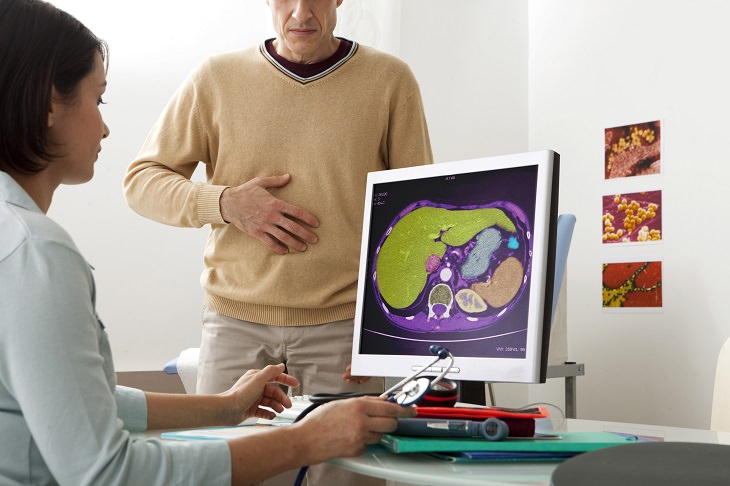
Achiness in the upper-right area of your abdomen is a sign that your liver might be in trouble. Usually, it's a dull ache. However, at times it can become quite intense. Remember that part of the liver's job is to detoxify and help the body, filter out waste, as well as help the body digest food into nutritional products. When your liver is infected with disease it cannot operate efficiently, it swells painfully, and the body gives warning signs using aches. 
 
2. Leg and Ankle Swelling 
If you ignore your liver's cry for help, your poor liver will try to repair itself at the cost of forming scar tissue. The more scar tissue on your liver, the harder it is for the liver to function, which can lead to portal hypertension. This causes fluid to accumulate in the legs. This causes painless swelling that may affect both legs. However, because of gravity, the swelling is most visible in the lower part of the body. 
 
3. Gaining Weight 
Each year, more and more people exercise more and eat healthily, but they still struggle with their weight. If you experience weight gain that does not seem to stem from a hormone malfunction or overeating, you might want to discuss improper liver function with your doctor. What occurs is that the liver cannot cope with all the toxins coming in. Therefore, the only thing it can think of doing is storing the unfiltered toxins in fat cells.  
 
4. Allergies

Very often, allergies are the result of a sluggish and overloaded liver. When there are too many substances in the bloodstream, the brain recognizes them as allergens and releases antibodies and histamines, which cause itchy rashes. A healthy liver is able to clean the blood of all the harmful molecules and decreases the effect that a potential allergen may have on the body. 
 
5. Yellow Skin and Eyes 
When a person's eyes or skin turns yellow, it is known as jaundice. This condition itself is not an illness, but rather a symptom of possible malfunctioning. Normally, jaundice appears when a diseased liver makes the system accumulate too much bilirubin - a yellowish pigment that forms when dead red blood cells are broken down in the liver. When the liver isn't working well enough to get rid of old blood cells and the bilirubin, you start turning yellow. 
 
6. Chronic Fatigue  
This is similar to a prolonged flu-like illness. By definition, you need to experience the symptoms for at least 6 months before it can be diagnosed as chronic fatigue. Intoxication of the liver can cause this. The liver, to a large extent, contributes to the energy supply in the body. It helps turn glucose into glycogen and stores it for later use. A healthy liver pours out glucose between meals or whenever there is a need for nourishment and energy. However, a diseased liver produces little glucose and has no space to store it. 
 
Conclusion  
You don't need to despair if you notice the symptoms of a failing liver. Firstly, the liver has an amazing ability to heal itself. All you have to do is give it a break from a destructive lifestyle. Cleansing your liver is all about healthy habits. 
 
Scientists also say that there are a number of natural products that can help boost liver performance. The list includes green tea, lemon water, turmeric, and organic fruits and vegetables.


This is only for your information, kindly take the advice of your doctor for medicines, exercises and so on.   

https://gscrochetdesigns.blogspot.com. one can see my crochet creations  
https://gseasyrecipes.blogspot.com. feel free to view for easy, simple and healthy recipes    
https://kneereplacement-stickclub.blogspot.com. for info on knee replacement

Labels: , , , , , , , , , , ,

Tuesday, July 27, 2021

World Hepatitis Day 2020: Understanding The A, B And C Of Hepatitis

 World Hepatitis Day 2020: According to The World Health Organisation, an estimated 40 million people are chronically affected by Hepatitis B and 6 to 12 million people by Hepatitis C in India. Hepatitis is a disease that damages the liver, one of the most important organs in our body as a result of inflammation. It is an infectious disease caused by the hepatitis viruses- A, B, C, D and E. Apart from its role in digestion, the liver has many other vital functions and hepatitis damages the structure of the liver resulting in derangement of liver function. Hepatitis A,E, B ,and C are some of the most common types of the disease.

World Hepatitis Day: A, B and C of Hepatitis

Hepatitis A and E

These are the most common type of viral hepatitis that are spread through the faecal-oral route as a result of ingestion of contaminated food and water or through direct contact with an infectious person. The risk of infection is associated with poor sanitation and hygiene and lack of safe water for consumption.

Symptoms: Malaise (general feeling of discomfort, illness, or unease), loss of appetite, diarrhoea, nausea, abdominal discomfort, dark-coloured urine and jaundice (a yellowing of the skin and whites of the eyes).

Who is at risk: Anyone who has not been vaccinated or previously infected can get infected with hepatitis A, there is no vaccine available for hepatitis E.

Treatment: Hepatitis A is a self usually self-remitting, treated with supportive medications to relieve the symptoms along with therapies for replacement of fluids that are lost from vomiting and diarrhoea. Unlike Hepatitis B and C, this disease is not fatal. However, in certain cases, it can lead to fulminant hepatitis (acute liver failure) which can be life threatening. There are safe and effective vaccines available to protect against the hepatitis A virus.

Hepatitis B

This type of hepatitis can cause both acute (loss of liver function that occurs rapidly) and chronic (gradual destruction of liver tissue over time) liver disease. It can increase the risk of death from cirrhosis and liver cancer. The virus is commonly transmitted from the mother to the new born at birth as well as through contact with blood or other body fluids. Hepatitis B is also spread by needlestick injury, tattooing, piercing and exposure to infected blood and body fluids, such as saliva and, menstrual, vaginal, and seminal fluids. Transmission of the virus may also occur through the reuse of needles and syringes in health-care settings like hospitals.

Symptoms: Most people do not experience symptoms when they are newly infected. The warning signs include jaundice, dark urine, extreme fatigue, nausea, vomiting and abdominal pain.

Who is at risk: The likelihood of the infection becoming chronic depends on the age at which you get infected by the virus. For example, 80 to 90 % of infants infected during the first year of life develop chronic infections as compared to 30 to 50% of children who get the disease up to the age of 6 years.

Treatment: Hepatitis B is treated by maintaining adequate nutrition and the fluid balance in the body. Chronic Hepatitis B infection is managed with very effective medication to slow the progression of cirrhosis and liver cancer. Hepatitis B is preventable with a very effective vaccine and is universally recommended.

Hepatitis C

This type of virus can also cause both acute and chronic hepatitis and is a major risk factor for liver cancer. Hepatitis C is a blood-borne virus and is commonly transmitted through exposure to small quantities of blood. This can be through injection, unsafe injection practices (drug use) transfusion of unscreened blood and blood products (red blood cells, plasma, platelets etc.).

Symptoms: Fever, fatigue, decreased appetite, nausea, vomiting, abdominal pain, dark urine, grey-coloured faeces, joint pain and jaundice.

Who is at risk: Anyone across any age group who is exposed to the risk factors, can contract the virus

Treatment: Hepatitis C usually does not require specific treatment as the person's own immune system fights against the virus. However, when the virus becomes chronic, treatment is essential. A short 12 week oral treatment can cure hepatitis C with almost 100% efficacy. Currently, there is no vaccine available for Hepatitis C and preventing it by minimising exposure to risk factors is crucial.

Being aware of the different types of hepatitis, their causes and risk factors is important to prevent against it. In the current pandemic situation, where patients with underlying medical conditions like liver disease can be at a higher risk for severe illness from COVID-19, protecting the liver against common diseases like hepatitis is critical. Maintaining a healthy lifestyle and avoiding exposure to the risk factors can go a long way in strengthening immunity and combatting hepatitis.

This is only for your information, kindly take the advice of your doctor for medicines, exercises and so on.   

https://gscrochetdesigns.blogspot.com. one can see my crochet creations  
https://gseasyrecipes.blogspot.com. feel free to view for easy, simple and healthy recipes    
https://kneereplacement-stickclub.blogspot.com. for info on knee replacement


Labels: , , , , , , , , , , ,