Tuesday, March 14, 2017

7 Things Your Back Pain Is Trying to Tell You

Pain is our body's way of telling us that something is wrong. In the case of back pain, the root cause may be obvious - you may have been involved in a car accident, or lifted a box that was too heavy. Though it may also seem like a mystery. Nevertheless, if you dig a little, the root cause of your back pain could also be sorted out. So if you're unsure about why you are in agony, one of these 7 possible causes may be it: 
 
1. You're feeling stressed It should come as no surprise to learn that stress can cause tight muscles and knots in your neck and upper back. Anxiety may also cause you to have back spasms too. If you suspect that stress is causing you back pain, try to incorporate some relaxation techniques such as meditation and deep breathing into your routine. A weekly yoga class, or an intensive stretch will help reduce lower back pain. 
2. You're hooked on technology Hunching over a phone or tablet for several hours a day can cause what has now been termed, 'text neck'. Having a slumped neck and rounded shoulders adds an additional 60 pounds of weight on your spine, which can inadvertently change your posture and cause back pain. To prevent this from happening, try keeping your phone at eye level instead. 
3. You're not sitting properly Just as looking down at your smartphone can cause back problems, sitting down all day can wreck havoc on your spine too. Poor posture can cause lower back pain by increasing the amount of pressure or tension on the bones, joints, ligaments, and spinal discs. Improve your sitting posture by keeping your forearms parallel to the floor, your head in line with your torso, your feet flat on the floor or resting on a foot rest, your back fully supported and thighs parallel to the floor. 
4. You have a muscle imbalance elsewhere in your body Everything in your body is interconnected. Your back pain may be stemming from tight hamstrings or weak abdominal. If other muscle groups are weak, it can cause the muscles of the back to do more work than they should to keep the spine upright or moving correctly. Try working with a physical therapist to identify and correct the specific imbalances that are over-taxing your back.
 
5. You have a bulging or ruptured disc The disks between your vertebrae help cushion the spine and act as shock-absorbers. Over time, however, they can flatten or rupture due to natural aging, certain movements, or a family history of disc disease. While it doesn't always cause pain, when it does, it can be hugely uncomfortable. If a bulging disc is the culprit, doctors often prescribe over-the-counter medicine, hot and cold packs, and physical therapy. 
6. Something more serious is going on Pancreatitis, ulcers, or even a kidney infection could cause pain that radiates into the back. It may also be a result of an infection, osteomyelitis - an infection of the spine. Most back pains tend to resolve on their own in six weeks - but if yours has gotten worse then be sure to see a physician, particularly if it is accompanied by fever, numbness in the rectal area, and loss of bowel or bladder control. 
7. You just had a baby Statistics show that almost 80% of new moms suffer from lower back pain as a result of the stress placed on the body during pregnancy. Another cause may also be due to the habits that result from caring for a young baby, such as holding a baby on one side of the body, or hunching while nursing - which can lead to muscle imbalance, affecting the natural curve of your spine. Are you a new mom? Try be aware of maintaining good posture by alternating muscle groups so you're not constantly rocking, swaying, or bouncing your baby on one side. 
 this is only for your information, kindly take the advice of your doctor for medicines, exercises and so on.
https://gscrochetdesigns.blogspot.com. one can see my crochet creations
https://gseasyrecipes.blogspot.com. feel free to view for easy, simple and healthy recipes 
https://kneereplacement-stickclub.blogspot.com. for info on knee replacement
 

Labels: , , , , , , , , , , ,

Sunday, March 06, 2016

How to Treat Neck Pain At Home

THIS IS ONLY FOR INFORMATION, ALWAYS CONSULT YOUR PHYSICIAN BEFORE HAVING ANY PARTICULAR FOOD/ MEDICATION/EXERCISE/OTHER REMEDIES.


FOR INFO ABOUT KNEE REPLACEMENT, YOU CAN VIEW MY BLOG
HTTP://KNEE REPLACEMENT-STICK CLUB.BLOGSPOT.COM/

FOR CROCHET DESIGNS- http://My Crochet Creations.blogspot.com/

Do you wake up some mornings with a very stiff neck? There could be a variety of reasons for the intense pain, but before we get into the causes and symptoms, it's important to understand some basic anatomy first.

The neck is located at the uppermost section of the spinal column. It contains seven sets of vertebrae, also known as cervical vertebrae. The neck contains many sensitive nerve endings, making it a powerful erogenous zone.
By the end of this article, you'll be more familiar with the causes and symptoms of neck pain, and have a better understanding of how to treat the pain at home.
Main Causes of Neck Pain
  • Shooting pain that radiates down your arms. 
  • Injuries related to sports.
  • Sitting for long hours slumped over a computer desk.
  • Whiplash from vehicle accidents.
  • Sleeping in the wrong position.
  • Pillows that don't fully support the neck.
  • Excess stress.
     
Common Symptoms:
Muscle sprain
Difficulty swallowing
Arm numbness
Dizziness
Lymph node swelling
Headache
Shoulder pain
Back pain
Pinched nerve

Recommended Treatments You Can Do At Home 
 
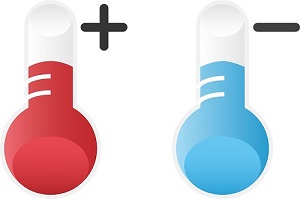
Hot and Cold Therapy -  Heat therapy can be used to alleviate neck pain. There are two main types of heat therapy, which consist of dry heat and moist heat. Heating pads contain dry heat, while steamed towels constitute moist heat. Electric heating pads keep a constant heat level as long as they are fully charged. The therapeutic benefits of heat therapy help reduce joint pain, muscle spasms and arthritis - all common contributors of neck pain. 
 
hot cold
 
You can begin the heat therapy process by applying a heating pad between 15 to 20 minutes every 2 or 3 hours. Ice packs may be applied to the neck for the same duration as the heating pad. The ice pack drastically reduces inflammation and soothes the affected areas. There are also single-use heat wraps that last up to 8 hours, which can be used as an alternative to heat pads.  

Perfect Posture Exercise - Remember when your parents told you to stand up straight? There's a perfectly good reason behind that. Standing in an upright position greatly improves posture and spine health. There is an exercise you can perform at home to help build perfect posture:
 
Stand with your back against a wall, while keeping your heels just a few inches away. The heels are the only part of the body that should not come in contact with the wall. Walk away from the wall and back to check that your posture is upright. Repeat the process throughout the day.  
 
Isometric Neck Exercise - Isometric exercises play a vital role in maintaining a strong and healthy neck. This particular exercise is performed against the resistance of your neck, keeping your head in a static position. Here's how to perform an isometric exercise:
 
Begin by sitting in a relaxed position with your hands touching your forehead. Your palms are used to resist the pressure, as you lean in towards your forehead. Place your right hand on the right side of your head, and let the left side resist the pressure being applied. Make sure you switch sides after.
 
The next step is to press both hands against the back of your neck, and resist your head from going backward. To complete the exercise, you'll want to press your left hand against the right side of your face as you try to turn your head to look over your right shoulder. Don't forget to switch sides. 
 
Range-of-Motion Neck Exercise - In order to complete the range-of-motion exercise, you should slowly turn your head to the far right, pause a second, and return it to the center position. Do the same for the other side.
 
Drop your chin down slowly toward your chest, while holding for a brief static moment, then relax. Your head should be back in the center position now. Gently tilt your head toward your left shoulder, while holding for a moment, and gradually return to the center position. 
 
Pillows Can Make a Difference - Last but not least, are pillows. There are certain pillows that are ideal for preventing neck pain. Water-filled pillows are used to alleviate neck pain, and give you a good night's sleep. 
 
Orthopedic pillows are used to support the curvature of your neck, whereas, water-filled pillows, support the neck by redistributing the weight. The main function of each pillow is to keep your neck in a neutral position when you sleep. Make sure you choose a comfortable and firm mattress as well. 

A Few Extra Tips 
  • Get a remedial massage
  • Go for a swim
  • Consider acupuncture treatment
  • Try aromatherapy as an alternative approach

Labels: , , , , , , , , , , , , ,