Sunday, January 17, 2021

8 popular diets that can help you lose weight

Try these famous diets to lose weight
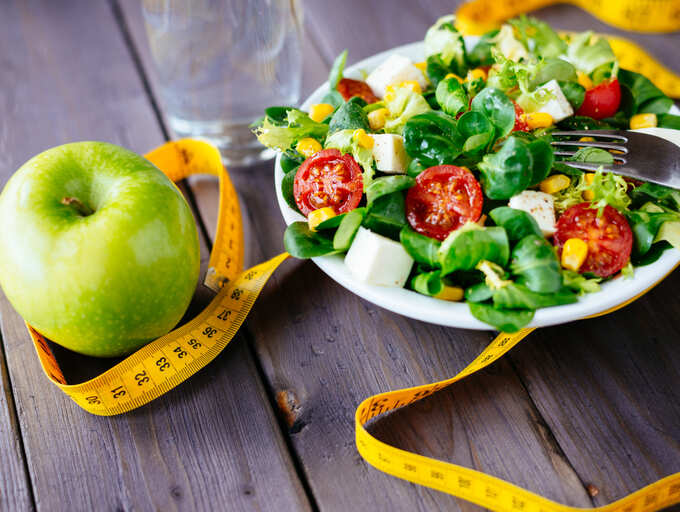
There are thousands of diet trends that promise effective weight loss results. Some restrict calorie intake, while others emphasize cutting down carbs or fat. Choosing one diet out of all can be quite difficult if you have no knowledge about them. The truth is no one diet suits all. Every individual is different and what works for your friend might not work for you.

Before following any diet trend, you must gain proper knowledge about it. Here we have listed 8 popular diet trends for you that can help shed kilos and improve your overall health.

Intermittent fasting
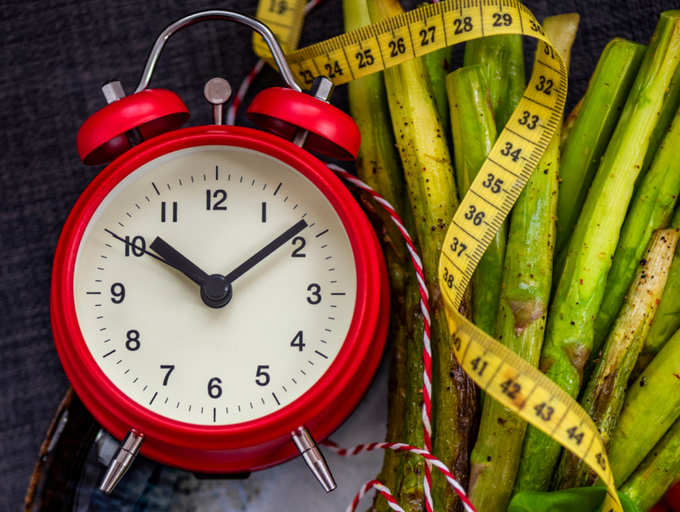
The concept of fasting has been around for a long time in different religions, but it has gained immense popularity in the past few years. Intermittent fasting is not a diet trend, it is actually a lifestyle habit. In this, one has to consume all the calories in a limited time frame and fast for the remaining time. It helps to restrict calorie intake, which is important to lose weight. People on intermittent fasting do not have to restrict any food group but need to ensure that whatever they add in their plate is healthy and nutritious. In the fasted state, they are only allowed to drink water, diluted Apple Cider Vinegar (ACV) and unsweetened coffee or tea with a spoon of milk. There are different types of Intermittent fasting like 16:8, 5:2, eat stop eat method. Which one you should try depends on your stamina and goal.

​Keto diet

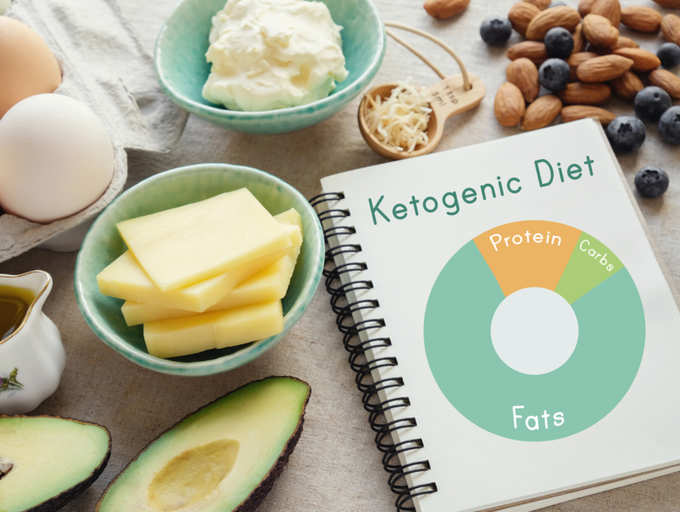
Keto or Ketogenic diet is the latest buzzword in the fitness world. The low-carb, high-fat diet allows the body to burn fat as a fuel, rather than carbohydrates. When you decrease your carb intake, the body goes into a ketosis state, where it starts burning fat stored in the body for energy, leading to weight loss. Healthy sources of fat like avocados, coconuts, Brazil nuts, seeds, oily fish, and olive oil are some foods that are added liberally when following this diet. But due to high-fat content people are not advised to follow this diet for a long time as it can be harmful to the kidneys. This diet is not recommended for pregnant women, people dealing with an eating disorder, kidney diseases and high cholesterol.

​Mediterranean diet

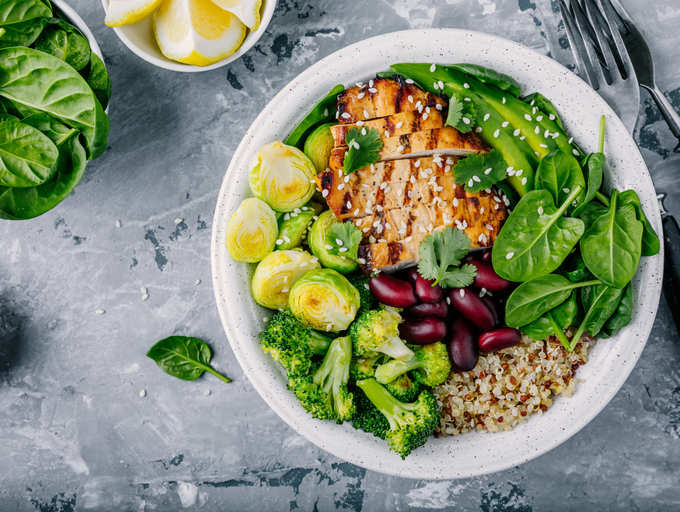
Mediterranean diet is named as the best overall diet of 2020 for the fourth consecutive year. It is based on the traditional eating pattern of Mediterranean countries where the focus is on adding more green produce, whole grains, legumes, nuts and olive oils in the diet. Poultry, fish and red meat consumption are limited to weekly basis, while dairy products are consumed in moderation. Only one-third of the diet consists of fat, with saturated fats not exceeding 8 per cent of calorie intake. Apart from shedding kilos, this diet can also increase longevity and decrease the risk of Type 2 diabetes and heart diseases.

​Vegan diet

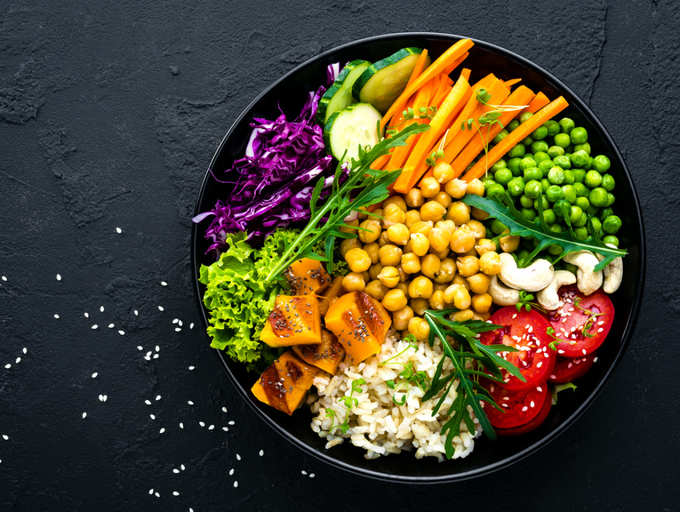
The vegan diet restricts all animal products for ethical, environmental, or health reasons. It is the strictest form of vegetarianism. In this diet, apart from restricting meat, people even abstain from having dairy products, eggs, and animal-derived products, such as gelatin, honey, albumin, whey, casein, and some forms of vitamin D3. Most people follow this diet for ethical reasons but studies suggest that following this diet may prevent certain diseases like heart disease, cancers, and diabetes. This diet helps to keep your fuller, which prevents you from indulging in unhealthy snacking. The only downside of this diet is that it may be low in several nutrients like vitamin B12, vitamin D, iodine, iron, calcium, zinc, and omega-3 fatty acids.

​DASH Diet

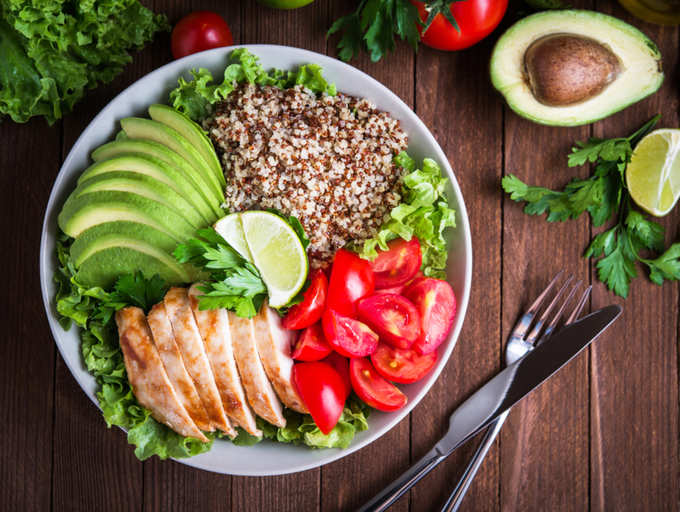
After the Mediterranean, the DASH diet was named as the second overall best diet of 2020. Dietary Approaches to Stop Hypertension, or DASH diet, is an eating plan that is designed to help treat or prevent high blood pressure, but it is also good for people trying to lose weight. This diet recommends specific servings of different food groups, which depends on the person's daily calorie intake. The DASH diet is all about eating plenty of fruits, vegetables, whole grains, and lean meats. It is low in salt, red meat, added sugars, and fat. Restricting calories and avoiding sugar and fat helps people to shed kilos.

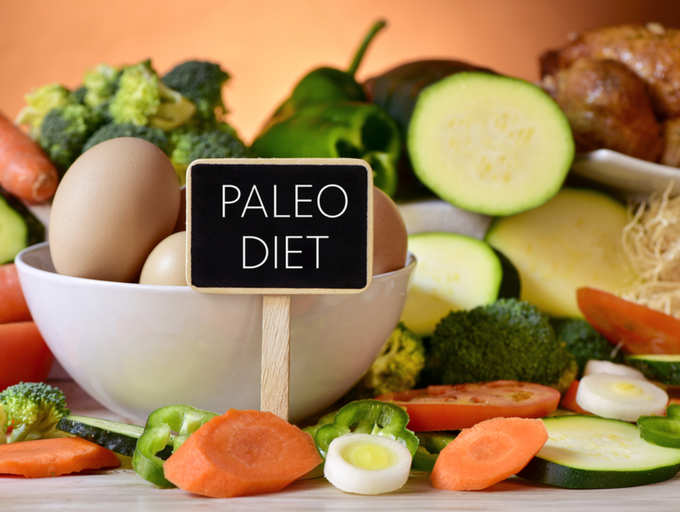
​Paleo Diet

The paleo diet advocates about eating the same food that our hunter-gatherer ancestors ate before agriculture developed. It is based on the theory that most of the modern diseases are caused due to the consumption of processed foods and refined products. This diet focuses on whole foods, lean protein, vegetables, fruits, nuts, and seeds. Some more flexible versions of this diet also allow for dairy products and tubers. Processed foods, sugar and in some cases dairy, and grains are completely discouraged. In this diet, people automatically consume fewer calories, which support the weight loss process. Following this diet can help in reducing cholesterol, blood sugar, blood triglycerides, and blood pressure. The problem with paleo is that it eliminates some healthy food groups like whole grains, legumes, and dairy, which are actually loaded with nutrients.

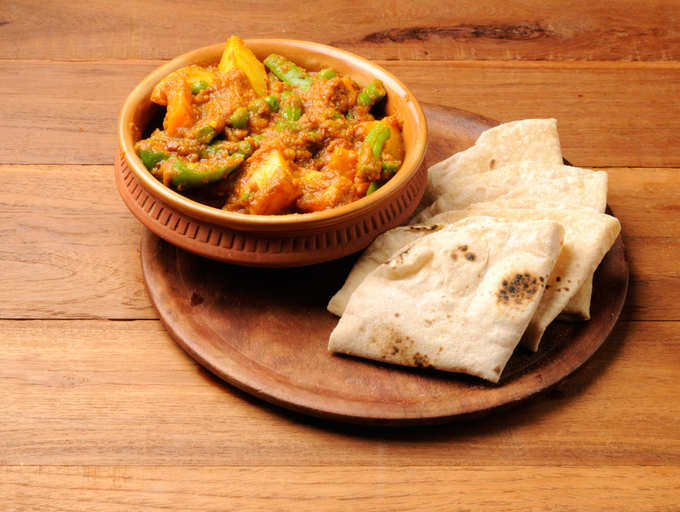
​Ayurvedic Diet

Ayurvedic diet is based on the principles of Ayurveda, which encourages people to eat vegetarian and low-fat foods. This diet completely forbids meat, refined and processed foods and encourages people to adopt a simple lifestyle. It includes seasonal fresh fruits, fresh vegetables, whole grain, pulses, sprouts, dried nuts, seeds, honey, fresh herbs and milk. Being rich in fiber this diet keeps you fuller for a longer time and prevents from unhealthy munching. Ayurvedic diet is also good for boosting metabolism and reducing the risk of chronic diseases like cancer and diabetes.

Raw food diet
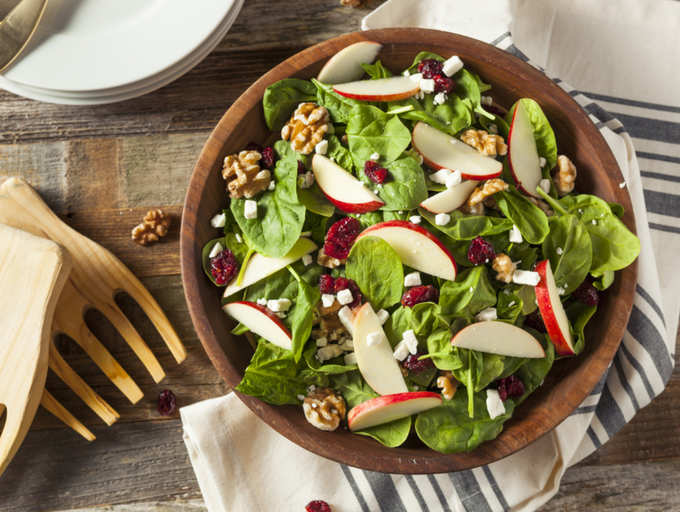
In raw food diet, or raw foodism one has to eat foods and drinks that are plant-based and are organic. All the food which has never been heated over 104–118°F (40–48°C) are considered raw and can be consumed in this diet. Some people even consume raw eggs and dairy. Supporters of this diet believe that heating food destroys healthy nutrients and kills natural enzymes of the food. In the short term, this diet does not possess any side-effects but following this for a long period may lead to the deficiency of nutrients like protein and certain vitamins and minerals.

This is only for your information, kindly take the advice of your doctor for medicines, exercises and so on.     

https://gscrochetdesigns.blogspot.com. one can see my crochet creations  
https://gseasyrecipes.blogspot.com. feel free to view for easy, simple and healthy recipes    
https://kneereplacement-stickclub.blogspot.com. for info on knee replacement


Labels: , , , , , , , ,

Thursday, March 07, 2019

Low-carbohydrate consumption increases Atrial Fibrillation risk significantly

According to a study, people getting a low proportion of their daily calories from carbohydrates are significantly more likely to develop atrial fibrillation ( AFib).

Foods like grains, fruits and starchy vegetables are a high source of carbohydrates. These foods are avoided by many diet enthusiasts. Low-carb diets are a high source of carbohydrates. These foods are avoided by many enthusiasts. Low-carb diets are all the  rage, but cutting carbohydrates spell may trouble for your heart, finds a new study.

Restricting carbohydrates has become a popular weight loss strategy in recent years. While there are many different low-carbohydrate diets including the ketogenic, paleo and Atkins diets, most emphasize proteins while limiting intake of sugars, grains, legumes, fruits and starchy vegetables.

The long-term effect of carbohydrate restriction is still controversial, especially with regards to its influence on cardiovascular disease, said a cardiologist. Considering the potential influence on arrhythmia, our study suggests this popular weight control method should be recommended cautiously.

The study, which analysed the health records of nearly 14,000 people spanning more than 2 decades, is the 1st and largest to assess the relationship between carbohydrate intake and AFib. With AFib, a type of arrhythmia, the heart doesn't always beat or keep pace the way it should, which can lead to palpitations, dizziness and fatigue. People with AFib are 5 times more likely to have a stroke than people without the condition. It can also lead to heart failure.

The findings complement previous studies, several of which have associated both low-carbohydrate and high-carbohydrate diets with an increased risk  of death. However, while previous studies suggested the nature of the non-carbohydrate component of the diet influenced the overall pattern observed, the new study did not.

Low carbohydrate diets were associated with increased risk of incident of AFib regardless of the type of protein or fat used to replace the carbohydrate, the Dr. said.

Researchers drew data from a study that ran from 1985-2016. Of the nearly 14,000 people who did not have AFib when they enrolled in the study, researchers identified nearly 1,900 participants who were subsequently diagnosed with AFib during an average of 22 years of follow-up.

Study participants were asked to report their daily intake of 66 different food items in a questionnaire. The researchers used this information along with another database to estimate each participant's daily carbohydrate intake and the proportion of daily calories that came from carbohydrates. On average, carbohydrates comprised about half of calories consumed. The dietary guidelines recommend that carbohydrates make up 45-65 % of total daily calorie intake.

Researchers then divided participants into 3 groups representing low, moderate and high carbohydrate intake, reflecting diets in which carbohydrates comprised less then 44.8% of daily calories, 44.8-53.4% of calories, and more than 52.4 % of calories, respectively.

Participants reporting low carbohydrate intake were the most likely to develop AFib. These participants were 18 % more likely to develop AFib than those with moderate carbohydrate intake and 16 % more likely to develop AFib than those with high carbohydrate intake.

Several potential mechanisms could explain why restricting carbohydrates might lead to AFib, the Dr. said. One is that people eating a low-carbohydrate diet tend to eat fewer vegetables, fruits and grains- foods that are known to reduce inflammation. Without these foods, people may experience more inflammation, which has been linked with AFib. Another possible explanation is that eating protein and fat in lieu of carbohydrate-rich foods may lead to oxidative stress, which has  also been associated with AFib. Finally, the effect could be related to an increased risk of other forms of cardiovascular disease.

The Dr. said that while the research shows an association, it cannot prove cause and effect. A randomized controlled trial would be needed to confirm the relationship between carbohydrate intake and AFib and assess the effect in a more ethnically diverse population. In addition, the study did not track participants with asymptomatic AFib or those who had AFib but were never admitted to a hospital, nor did it investigate different sub-types of AFib, so it is unknown whether patients were more likely to have occasional episodes of arrhythmia ot persistent AFib. The study did not account for any changes in diet that participants may have experienced after completing the questionnaire.

THIS IS ONLY FOR INFORMATION, ALWAYS CONSULT YOU PHYSICIAN BEFORE HAVING ANY PARTICULAR FOOD/ MEDICATION/EXERCISE/OTHER REMEDIES.                                    PS- THOSE INTERESTED IN RECIPES ARE FREE TO  VIEW MY BLOG-                                                                                           https://gseasyrecipes.blogspot.com/                                                                                                                                                         FOR INFO ABOUT KNEE REPLACEMENT, YOU CAN VIEW MY BLOG-                                                  https:// kneereplacement-stickclub.blogspot.com/           

                                                                           FOR CROCHET DESIGNS                                                                                                                                                                                                  https://gscrochetdesigns.blogspot.com


Read more at Speciality Medical Dialogues: Low-carbohydrate consumption increases Atrial Fibrillation risk significantly https://speciality.medicaldialogues.in/low-carbohydrate-consumption-increases-atrial-fibrillation-risk-significantly/

Labels: , , , , , , ,

Thursday, February 14, 2019

There is so much buzz around weight loss and diets – what to eat, what not to eat, low-carb diets, high-protein diets, high-fat diet, etc. that anyone may get confused about what he/she should actually do to shed those pounds. One easy way to lose weight is to eat low-calorie food that will help your body use the fat from your body for energy, and thus help you in losing weight.

There are various low-calorie food options available and that can again lead to further confusion. Here are three recipes – one for breakfast, one for lunch and one for dinner to have your meals sorted for the day and make sure you can flaunt a lean waist in a few weeks. 

For breakfast

Idli
It is healthy, one, as it is steamed,  it is good combo of carbs and protein, due to fermentation, nutrients are enhanced and it is also  a probiotic ! There are different types of idlis to make, so you won't feel bored of eating the same type each day !

Easy to make, idlis are extremely low on calorie and a great breakfast option – especially for someone who is trying to lose weight. The best part about eating idlis in breakfast is that you do not compromise on nutrients, keep yourself fuller for longer but at the same time keep your stomach light, and idlis are extremely versatile and can be mixed and made in different ways. You can make plain idli to eat with sambar, stir fry it with masalas and veggies to make an even more delicious version of the dish.

For lunch

Curd rice
Curd rice is a good option to have for lunch if you are on a low-calorie, weight loss diet. The dish will keep your stomach from becoming bloated, will help you in losing weight. Curd is known for being rich in calcium, protein and probiotics – and all three help in weight loss. If you choose a low-calorie variant of rice, this is the best lunch dish to eat. 

For dinner

Green salad
They say that you should eat dinner like a pauper. The best dinner you can have is something that is full of fibre and nutrition, but devoid of calories. A green salad made with green veggies, cherry tomatoes, and other vegetables rich in fibre can help improve your digestion, increase your metabolism and keep you from eating too much. Good digestion can ensure weight loss.

THIS IS ONLY FOR INFORMATION, ALWAYS CONSULT YOU PHYSICIAN BEFORE HAVING ANY PARTICULAR FOOD/ MEDICATION/EXERCISE/OTHER REMEDIES.                                    PS- THOSE INTERESTED IN RECIPES ARE FREE TO  VIEW MY BLOG-                                                                                           https://gseasyrecipes.blogspot.com/       

                                                                                                                                                                    FOR INFO ABOUT KNEE REPLACEMENT, YOU CAN VIEW MY BLOG-                                                  https:// kneereplacement-stickclub.blogspot.com/           
                                                                           FOR CROCHET DESIGNS                                                                                                                                                                                                  https://gscrochetdesigns.blogspot.com

Labels: , , , , , , ,