Tuesday, June 01, 2021

10 Excellent Foods for Joint Pain

Joint pain is one of the most common health issues in the world, one that affects virtually everyone at one point throughout one’s life. The condition often comes with many other issues, such as joint stiffness, inflammation, and soreness. Although the most common cause of severe joint pain is arthritis, a chronic degenerative condition that affects 54.4 million people in the US alone, other health conditions, and even trauma, can likewise lead to joint pain.
While you may not think that nutrition can have an effect on your joints, researchers suggest that what you eat can be either detrimental or beneficial for joint health if consumed regularly. We've previously presented the harmful foods in the article Avoid These Foods if You Have Joint Pain, and it's high time we look at the other side of the spectrum and discuss the foods that can reduce inflammation and soothe joint pain. 
 
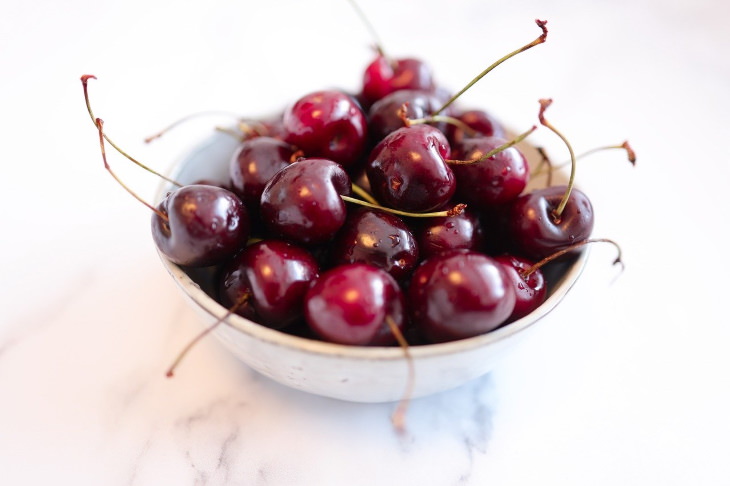
1. Sour Cherries
Foods That Relieve Joint Pain Cherries
The power of antioxidants should not be underestimated, especially when it comes to their ability to reduce inflammation in the body. Though there are many antioxidant-rich foods out there, like berries and leafy greens, and all of them will help reduce inflammation in the body, one specific fruit - tart cherries - has been shown on several occasions to have a beneficial effect on joint pain specifically.

In one of these studies, patients suffering from osteoarthritis drank a glass of tart cherry juice for 6 weeks, and after the trial, they've shown significantly reduced inflammation and arthritis symptoms compared to placebo. Do keep in mind that tart cherry juice can be quite high in sugar, so limit your intake to one glass a day. 
 
2. Salmon
The other ingredient famous for its anti-inflammatory effects is omega-3 fatty acids, which are capable of reducing the level of inflammation in the body and reducing chronic pain by blocking COX & LOX enzymes, which are known to contribute to inflammation. The foods that contain the highest levels and most easily absorbable version of these beneficial fats are fatty fish, such as salmon, sardines, herring, and mackerel, and nutritionists recommend having at least 2 servings of these foods every week. 
 
That said, fatty fish is not the only food type rich in omega-3 fats, and vegetarians, too, can enjoy their benefits by eating more nuts.
 
3. Ginger
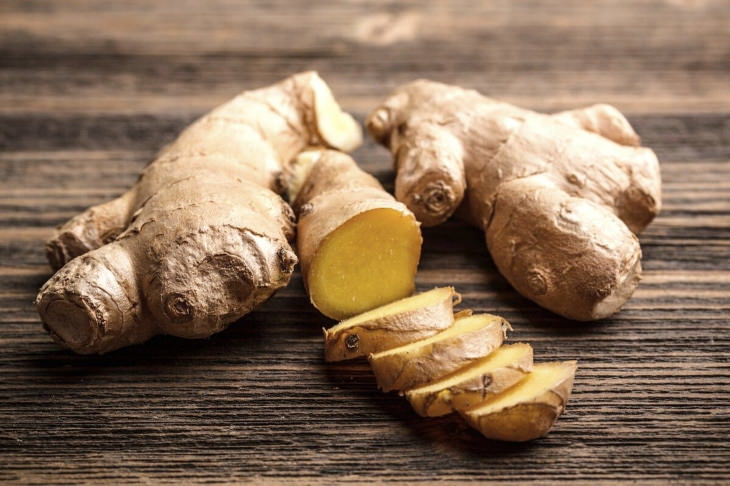
Foods That Relieve Joint Pain Ginger
Ginger isn't just good for a sore and inflamed throat, as many people think, the pungent root is also excellent for reducing joining pain and inflammation. Gingerol, the active ingredient of ginger, has been shown to reduce arthritis-related joint pain and inflammation by 40% according to one study from the University of Miami. So, adding a spoonful or two of raw ginger a day into tea or just hot water won't hurt all year round, and not only in the winter. 
 
4. Brussels Sprouts
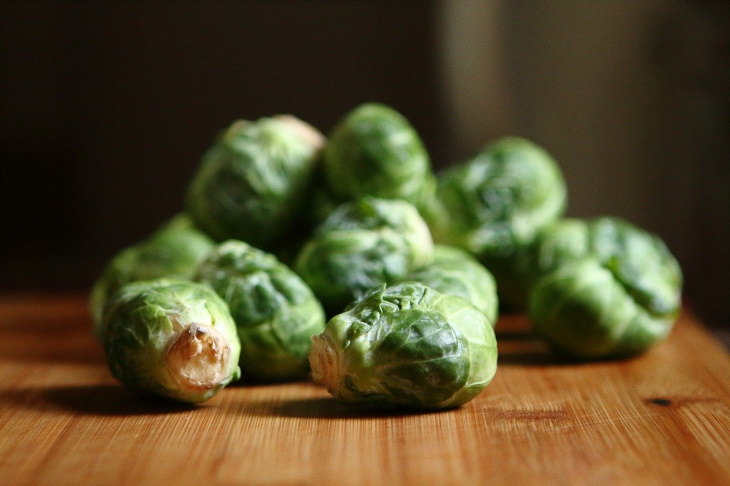
Foods That Relieve Joint Pain Brussels Sprouts
Cruciferous veggies like broccoli, brussels sprouts, kale, and cauliflower are a staple food in a healthy diet, and they are well known to benefit digestion and cardiovascular health. What most people don't realize is that this particular family of vegetables has active substances capable of blocking an enzyme that causes swelling in the joints, so anyone who is experiencing swelling or stiffness in the joints may really benefit from including these veggies in their diet daily. 
 
Given the amazing variety of cruciferous veggies out there and the various ways you can prepare them, this task may be quite easy to accomplish.  
 
5. Pineapple

Foods That Relieve Joint Pain Pineapple
Pineapples shouldn't only be consumed in pina coladas or on the controversial Hawaiian pizza. In fact, those suffering from joint pain may really enjoy the benefits this fruit offers. Apart from a high concentration of vitamin C, an excellent antioxidant, pineapples are also famous for their anti-inflammatory effects. This is because the fruit contains a substance called bromelain, which was shown to be as effective as ibuprofen for treating arthritis pain in studies. As an alternative, know that another yummy tropical fruit rich in both substances mentioned above is papaya.
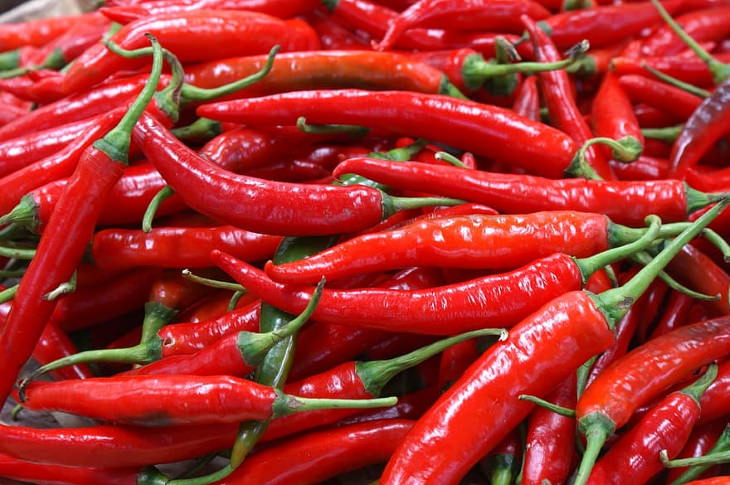
6. Chili Peppers

Foods That Relieve Joint Pain Chili Peppers
One of the phytochemicals contained in hot peppers, such as chili peppers, habanero peppers, and others, is capsaicin. This ingredient has a unique property of binding to pain receptors in the brain, dulling the pain you’re experiencing when you're eating spicy foods or using medical aids that contain capsaicin. 
 
By doing so, you will trick your brain into being less sensitive to pain. Topical patches and creams containing capsaicin, for example, were shown to decrease pain linked to arthritis, joint, and muscle pain.
 
7. Turmeric

Turmeric is a well known anti-inflammatory agent, one that has been used in Chinese medicine and Ayurveda for centuries, if not millennia. Studies likewise support these impressive effects, with the active ingredient in turmeric called curcumin being known for reducing joint stiffness related to arthritis and joint pain in general. 
 
Studies show that the necessary dose for achieving a therapeutic effect is around 400mg three times a day, though, so just adding it into food might not be as effective as taking curcumin capsules. You can also combine turmeric with ginger and other spices to see a better therapeutic effect, with the most common recipe featuring both roots being the delicious Golden Milk. 
 
8. Garlic  Foods That Relieve Joint Pain Garlic
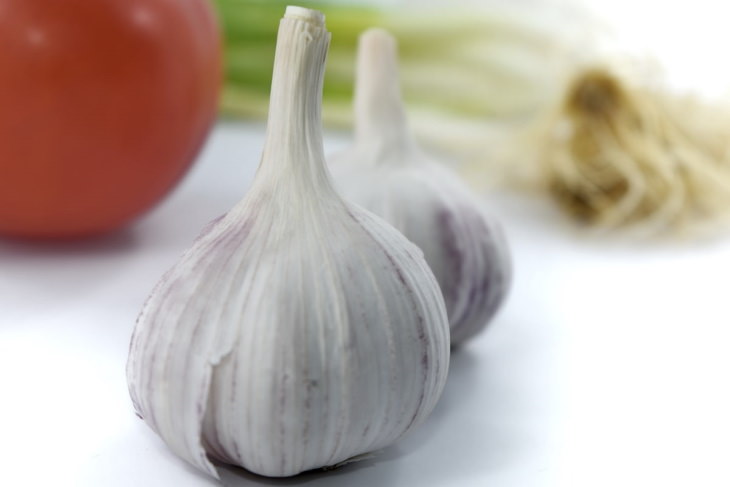
Like turmeric and ginger, allium veggies, such as onions and garlic, too, have been used in traditional medicine with the goal of lowering the level of inflammation in the body. Apart from the anti-inflammatory effects, though, all of these roots and veggies are also well-known for their antimicrobial benefits, so throwing either of these in the different foods you prepare is always smart. 
 
When it comes to garlic specifically, though, research shows that heat may reduce some of the beneficial effects, so make sure to add in the garlic as one of the last steps in the cooking process to preserve all the healthy goodness.  
 
9. Dark Chocolate
Foods That Relieve Joint Pain Dark Chocolate
Reading this, you might think, "now we're talking", but before you get too excited, we must point out that only chocolate with a very high concentration of cacao - at least 70% - has been shown to offer pain relief. This is because of the antioxidants present in cocoa powder, but not cocoa butter, milk, and any other additives, such as sugar. Milk chocolate and sweet dark chocolate typically have less cocoa, and more of these other ingredients, so make sure to opt for bitter dark chocolate and limit your intake to 1-2 little cubes a day as a rare treat. 
 
10. Bone Broth
Bone broth is the last, but definitely not the least feature on this list, as the savory broth is extremely versatile and effective for joint pain and long-term bone health. In fact, broth contains 3 ingredients that help maintain healthy joints - glucosamine, chondroitin, and calcium. If you're wondering what bone broth is, it's an extremely cooked down and dense broth that appears when cooking meat on bones for hours. 
 
This gelatin-like substance mimics collagen that's present naturally in our skin, joints, tendons and ligaments, and has been suggested to promote the production of collagen in the body. Since collagen production is known to reduce as we age, bone broth or supplements based on it will be able to promote long-term joint health, reduce joint pain and sooth the symptoms of arthritis. Bone broth can be added to rice, pasta, or any side dish instead of water while cooking, made into a gravy or sauce, or enjoyed in a soup.


This is only for your information, kindly take the advice of your doctor for medicines, exercises and so on.   

https://gscrochetdesigns.blogspot.com. one can see my crochet creations  
https://gseasyrecipes.blogspot.com. feel free to view for easy, simple and healthy recipes    
https://kneereplacement-stickclub.blogspot.com. for info on knee replacement


Labels: , , , , , , , , , , ,

Sunday, October 20, 2019

11 Low Glycemic Foods to Keep Your Blood Sugar Levels Down

Everyone loves a good sugary or carb-loaded treat now and again, but if you suffer from diabetes or even prediabetes, it’s important to manage your diet so that you don’t push your blood sugar level to a dangerous place. If you have been diagnosed with prediabetes, the good news is that diet can help to significantly to reverse the condition.

On the other hand, if you are diabetic, medication is most likely necessary to control your body’s blood sugar levels.


There is no food, herb, or supplement that can lower blood sugar, but there are certain foods that are good for a diabetes diet because they don’t raise blood sugar when consumed. Luckily, there is an easy way to determine which foods these are.

The scale that manages how much a particular food raises blood sugar is called the glycemic index. Foods that are low on the glycemic index are ideal for people watching their blood sugar. We have collected a list of 11 low glycemic foods, and despite what you might think, they are all flavorful choices you won’t have to force yourself to eat. Some, like #4 and #7, are even sweet!

1. Avocados


There has been a lot of talk in the media about the fact that avocados represent “good fat” but little explanation of what that actually means. The fats in avocados are primarily polyunsaturated fatty acids (PUFAs) and monounsaturated fatty acids (MUFAs), which can actually improve insulin sensitivity as well as improve blood pressure, reduce inflammation, and increase feelings of satiety after eating.
Avocados are a low glycemic food that researchers believe can lower your risk of developing metabolic syndrome, which is simply a name for a group of risk factors that can lead to diabetes. Except for the steep price tag, there’s no reason not to enjoy avocado everyday.

2. Fish With Omega-3 Fatty Acids


Protein is one of the major building blocks of our cells. It allows the body to maintain and repair itself, yet it doesn’t impact blood sugar levels. Protein is also much more filling and satisfying than carb-heavy meals, so it helps manage blood sugar because the urge to snack is reduced.
Fish are a great source of protein with the added bonus of omega-3 fatty acids. That makes fish an ideal protein for a diabetes diet because omega-3 fatty acids have been found to increase levels of a hormone called adiponectin which improves insulin sensitivity  and lowers the risk of developing full blown diabetes. The best types of fish for omega-3s include salmon, albacore tuna, mackerel, trout, and halibut.

3. Garlic


Garlic could very well be considered THE spice of life. It is very tasty yet has no carbohydrates, so it doesn’t feature on the glycemic index at all. You can use as much garlic as you’d like to flavor your meals without worrying about a bump in blood sugar.
In fact, garlic has been found to lower fasting blood glucose. Studies have shown that onions have a similar effect on blood sugar, probably because both garlic and onions contain a compound called allicin that gives them their distinctive taste and smell.

4. Sour Cherries


Fruit does contain natural sugar and it will raise your blood sugar, but some fruits still score low on the emic index and can be safely eaten on a diabetes diet. Sour cherries are a great example.
They contain a compound called anthocyanin that has been found to protect against both diabetes and obesity. Sour cherries have a relatively low GI score, too. Only grapefruit scores lower, so both of these fruits can be a great substitute for sweeter bananas, pears, and apples.

5. Leafy Greens


You probably knew this was coming. We are always encouraged to eat our leafy greens, no matter the ailment. That’s because foods like lettuce, spinach, collards, kale, Swiss chard, and turnip greens are high in fiber and critical nutrients. Two in particular, magnesium and vitamin A, can help lower blood sugar.
If you can manage 1.35 servings per day, you’ll get a 14% reduction in the risk of developing type 2 diabetes.

6. Chia Seeds


Chia seeds represent an impressive little package of nutrition, including lots of fiber and healthy fat, plus antioxidants, omega-3 fatty acids, and calcium.
Research has shown that eating chia seeds on a regular basis can lower your LDL cholesterol and triglyceride levels, both of which are dangerous when they get too high. Chia seeds will not trouble your blood sugar in the least as they have a GI score of 1.

7. Blueberries And Blackberries


Here is another sweet treat you can look forward to. Blueberries and blackberries rank a bit higher on the glycemic index than sour cherries, but are still well within the range of low glycemic foods with GI scores of about 40.
These fruits are also high in fiber and contain those important  anthocyanins to prevent a blood sugar spike. One particular study found that adding blueberry to smoothies can improve insulin sensitivity in people who have insulin resistance.

8. Almonds And Other Nuts


Different varieties of nuts have different GI scores, but most are still considered a low glycemic food. Almonds (with a GI score of 0) are especially good for a diabetes diet because they have been found to regulate blood sugar and limit spikes after eating.

In fact, studies have shown that people who eat 2 ounces of almonds per day have lower fasting  glucose and insulin levels. Almonds may also be able to increase insulin sensitivity in pre-diabetics. Incidentally, the nut with the highest GI score is the cashew, at 22.

9. Whole Grains


If you are concerned about blood sugar, you need to choose your carbohydrates carefully. One guiding principle of this is to always eat whole grains over refined grains. The latter have been processed so extensively that virtually all nutritional value is stripped away.

Whole grains, on the other hand, contain much more fiber, nutrients, and phytochemicals  (naturally occurring chemicals found in plants). Whole grain bread scores around 51 on the glycemic index, so it is still something best eaten in moderation.

10. Eggs


Eggs have had a somewhat spotty reputation due to their cholesterol content, but studies have proven that eating eggs doesn’t actually raise bad cholesterol  numbers.

For people with diabetes or prediabetes, eggs are a fantastic healthy staple because they are loaded with protein and have a glycemic index score of 0.

11. Coffee

Great news, coffee lovers! You may actually be healthier if you bump our coffee intake up by a cup a day. Of course, this depends on how much you’re drinking already, but some studies suggest that drinking more coffee, whether caffeinated or decaffeinated, can lower your risk of type 2 diabetes  by over 10%.

As long as you don’t add a ton of sugar or cream to your brew, coffee is one habit you can feel good about keeping.

To conclude
 
To manage diabetes, reverse prediabetes, or reduce your risk of developing either, it’s important to make sure your diet is rich in foods that score low on the glycemic index. In general, foods are considered low glycemic if they have a score of 55 of lower. Remember that this index rates foods that contain carbohydrates, so there are plenty of choices that score 0.

Still, carbs are an important part of our daily diet as they provide ready fuel for energy. The goal of any low-GI diet should be to moderate your consumption of carbohydrates such that you have enough energy to power through your day without leaving extra sugar floating around in your blood stream. It can be a fine line to walk, but the 11 foods on our list are all healthy choices you can eat without worry.

this is only for your information, kindly take the advice of your doctor for medicines, exercises and so on.   
https://gscrochetdesigns.blogspot.com. one can see my crochet creations  
https://gseasyrecipes.blogspot.com. feel free to view for easy, simple and healthy recipes    
https://kneereplacement-stickclub.blogspot.com. for info on knee replacement


Labels: , , , , , , , , , , , , ,