Tuesday, June 18, 2024

The Many Uses of Hydrogen Peroxide

 Hydrogen Peroxide is an active agent composed of nothing more than water and oxygen. The oxidation process of this substance is incredibly good at killing disease organisms. In fact, it's considered to be one of the world's safest, all-natural, sanitizers. It literally "burns" micro-organisms through oxidation.

However, this material has so many other uses, it was really hard to pick only the best or most useful ones to share with you. So, I've done my best to highlight some of the nifty things you can do with it. 
 
Tip: Make sure to only use the 3% solution for most of these items, and do not use it for internal purposes (do not swallow). Higher-strength solutions such as 30% may cause damage if ingested. 
 
1. Whiten your clothes with HP instead of bleach
 hydrogen-peroxide
By adding a cup of HP to the white clothes in your laundry, you will see a marked improvement in how white they are. This is a great way of getting rid of really incessant stains such as blood or wine. For blood, just pour directly on the spot, wait a minute, and then rub and rinse under cold water.


2. Boost your immune system 
Your body makes its own HP to battle infections. Our white blood cells, also known as Leukocytes, are the cells responsible for fighting disease, viruses, and infections, and some of them produce HP as their first form of attack and defense from toxins, infections, viruses, parasites and alike.
 
3. Make a rejuvenating detox bath 
Take 2 quarts of 3% HP and pour it into a tub of warm water. Get in and enjoy a good soak for about 30 minutes, adding hot water as needed. This will help skin blemishes, detox your body and rejuvenate you in a way you haven't felt before.

 
4. Treat foot fungus 
To use HP to cure your foot fungus, make a mixture of 50% HP and 50% water, and use a spray bottle to spritz the infected area (especially the toes) every night. Let it air dry. 
 
 
5. Treat Yeast Infections 
Add 2 caps or 2 tablespoons of 3% HP to warm, distilled water once or twice a week and use it to treat the problematic area. 
 
 
6. Cleaning your toothbrush and other hygienic tools 
There are many objects we use that need to be kept clean and sanitized, such as your toothbrush, or your child's retainer. Use a small amount of HP and dilute it with cold water to make a cleansing brew that will make sure they are clean and germ-free. 
 
 
7. Treating exterior Infections
If you have a cut that is infected, soak it in 3% HP for about 5-10 minutes, several times a day. HP is extremely good for treating infections, and you can also pour half a bottle of it in your bath to get rid of the fungus, boils or any other skin infections. Note: Do not leave on open wounds for a long time, use the solution and then wipe it off. HP can do tissue damage to open wounds if left on them for too long. 
 
8. Killing mite infections
Patients have reported that spraying HP on skin infected by tiny mites that bite and cause irritation, effectively kills them with incredible efficiency. Spray the area a few times, and wait a few minutes between applications. 
 
 
9. Taking care of your Sinus Infection 
Add a tablespoon of 3% HP to 1 cup of (non-chlorinated) water, and use it as a nasal spray. You may have to adjust the amount of HP used according to the severity of the problem. Start with just the 1 spoon first. 
 
 
10. Use as a mouthwash and for tooth care  
Take a capful or a tablespoon of 3% HP and hold it in your mouth for 10 minutes, once a day. Do not swallow, just spit it out. This will not only get rid of and prevent canker sores but will also whiten your teeth. It will also help in the event of a bad toothache you can't treat right away. 10 minutes several times a day will lessen the pain to a more manageable level. It also makes for a great and inexpensive mouthwash. Again, make sure not to swallow and rinse your mouth with regular water after use. 
 
 
11. Lighten the color of your hair 
HP is a bleaching agent and can be used to lighten your hair. Take a bottle of 3% HP and dilute some with water (50/50). Take a shower and, while the hair is still wet, spray it with the solution, then comb it through. It won't look like a burnt blonde color, but a more natural highlight for those with light brown, reddish or dirty blond hair. It is also a gradual change so you won't have a drastic new look on your hands. 
 
 
12. Clean your contact lenses 
As a great disinfectant, due to its remarkable skill in breaking down the proteins that build upon the lens, HP can not only clean contact lenses but will also increase the level of comfort if you have sensitive eyes, removing those little biological irritants that most solutions don't clean. 
 
 
13. Boosting your dishwasher
hydrogen-peroxide
Add about 2 oz. (60 ml) of 3% HP to your regular formula, and see how much cleaner the dishes are.


14. Make sure your cooking surfaces are disease-free 
Fill a spray bottle with the 50/50 solution we've talked about (50% water 50% HP) and use it to spray your wooden cutting boards and cooking areas after you are done, to kill salmonella or any other bacteria that might be growing there. To be extra sure, use vinegar after the HP. 
 
 
15. Make a cheap and effective disinfectant  
Make a cheap and very effective disinfectant agent that is non-toxic and can be used to disinfect fruits, vegetables, pet bowls, equipment and alike. Combining vinegar and HP has been proven in several studies to kill pretty much all Salmonella, Shigella, and E. coli bacteria. For this, prepare TWO spray bottles. Don't mix these two together. One will contain regular vinegar and the other regular hydrogen peroxide. 
 
Tip: Light is bad for peroxide, rending it inactive. So the best thing will be to keep it covered and in the bottle. 
 
 
16. Treating Mold  
If you have those little spots appearing on your walls, probably from water damage, taking care of them is better done sooner than later, or they can become toxic and dangerous. Clean them with HP a few times a day to kill them off. 
 
 
17. Help sprouting seeds 
 If you're trying to get a seed to grow stronger, add an ounce (30 ml) of 3% HP to 1 pint of water and let the seeds soak in it overnight. Every time you rinse the seeds, add the same amount of HP. They will grow faster and healthier. 
 
 
18. Preparing Vegetables 
Wash or soak vegetables in a full sink of cold water mixed with a 1/4 cup of 3% HP. Thin-skinned vegetables (such as lettuce) should soak for about 20 minutes, while thicker-skinned ones (such as cucumbers) can soak for about 30 minutes. Then drain, dry and refrigerate. This will not only kill all bacteria and neutralize chemicals but will also make sure they keep fresh in the refrigerator for longer.


This is only for your information, kindly take the advice of your doctor for medicines, exercises and so on.   

https://gscrochetdesigns.blogspot.com. one can see my crochet creations  
https://gseasyrecipes.blogspot.com. feel free to view for easy, simple and healthy recipes    
https://kneereplacement-stickclub.blogspot.com. for info on knee replacement
https://cancersupportindia.blogspot.com  for infor on cancer and health related topics
https://GSiyers home remedies.blogspot.com   is the latest addition to my blogs. I'm going to add posts there, do give me your valuable feed back on my blogs. Thanks a lot, take care, be healthy and be happy.

Labels: , , , , , , , , ,

Tuesday, August 01, 2023

These Common Diseases Have Some Very Unusual Symptoms

Most of us are familiar with the symptoms that illnesses like colds, Asthma, and other commonly-seen diseases present with. However, there are a few symptoms that may occur that resemble symptoms of other illnesses, or are rare enough that they are unlikely to be noticed or connected to the ailment you may actually have. 
 
With over 400 million people worldwide suffering from diabetes, 300 million suffering from Asthma, and 35 million a year being treated for Sinusitis, these diseases, though not always fatal, are widely prevalent and can lead to more serious health issues. 
 
So here are a few lesser-known symptoms of some common ailments seen across the globe, that you can keep an eye out for.  
 
1. Jaw Pain

Angina is a form of heart disease, usually associated with symptoms like chest pain, tightness in the lungs and heavy breathing. But the symptoms can extend beyond this, and can result in pain in the joints. 
 
This disease can also affect the joints connected to the jaw, resulting in pain and discomfort to the area. Pain extending beyond the arm and chest to the jaw and teeth can also be a symptom of a heart attack. 
 
 2. Excessive Salivation

Saliva has long since been a very helpful tool for doctors in recognizing symptoms and diagnosing illnesses, such as bronchitis (since the early 19th century), and even measles, rubella and HIV. An excessive production of saliva by the body has also been associated with acid reflux.
 
Saliva plays a very important role in keeping our esophageal tract clear of stomach acid, most of which is removed with the saliva when swallowing food. For people suffering from Gastroesophageal Reflux Disease (GERD), it indicates a high level of stomach acid which causes intestinal distress and heart-burn. 
 
The body instinctively produces abnormally high amounts of saliva to act as a lubricant and protect the throat from being affected by the acid which can cause pain and irritability. Unfortunately, it may also be a sign that you’re about to throw up due to esophageal irritation, so it’s best to stay vigilant. 
 
While excessive saliva can be a bit annoying, it is far better than struggling with low amounts of the fluid.  
 
3. Dry Cough

Asthma is a chronic illness affecting the lungs and is usually associated with symptoms like wheezing, heavy breathing or shortness of breath, and exhaustion. However, in certain forms of asthma, the usual symptoms aren’t present. Instead, the illness presents itself in the form of a persistent dry cough. 
 
A dry cough is the type of cough you experience that doesn’t help get rid of mucus lodged in your respiratory tract, and is essentially considered to be non-productive. This cough-variant asthma is more prevalent in children with asthma, though even for adults, this cough has been known to last for up to six weeks and counting. 
 
4. Extreme thirst or hunger

Though these symptoms aren’t always associated with this disease, one of the many symptoms of Type 2 diabetes is excessive thirst and hunger. This is because of the fluctuating blood sugar levels in diabetics. 
 
When blood sugar levels reduce, energy levels also reduce which creates a craving for anything sweet and a high carb diet, to get a quick burst of strength. Unfortunately, this burst dissipates faster than anticipated and within hours, the exhaustion returns, often with a vengeance, the cravings promptly follow suit. 
 
While this symptom is typically seen in diabetics above the age of 40, it can also affect young patients. The best way to manage fatigue as a diabetic is to stick to a high protein diet, heavy in nutritional content.  
 
5. Fruity Breath

Much like how kidney diseases can cause one’s breath to smell like ammonia, diabetes can also cause halitosis and result in one’s breath taking on a fruity but foul scent. 
 
This disease raises the glucose level in the body, which can increase the growth of bacteria in the body causing inflammation. Damage to blood vessels can further exacerbate the infection, due to reduced blood flow to the gums, which slows down the healing process. 
 
This can lead to gum diseases like periodontitis and gingivitis, which is the major cause of bad breath. In cases of low blood sugar, the body burns fat to compensate for the lack of glucose, which increases the production of ketones in the body. 
 
High ketone levels cause diabetic ketoacidosis (DKA), a major symptom of which is a pungent fruity odor.  
 
 
6. Tooth pain

The sinuses are essentially just a connection of cavities (holes) in the skull, present behind the nose and eyes. Sinus infections are most commonly recognized by a runny nose, fever and sometimes halitosis as well. However, that stuffy nose can put an immense amount of pressure on the maxillary sinuses, which are the cavities located behind the cheekbones. This pressure can result in an immense pain in the mouth and of the teeth. Sinusitis can also reduce the amount of saliva produced which causes dry mouth. Dry mouth can have a negative effect on dental hygiene, as the lack of saliva to get rid of the bacteria can cause tooth decay and gum diseases, which (as I mentioned before), is a major contributor to bad breath.  
 
 
7. Yellowing of the eyes and skin

This particular symptom is normally associated with liver disease. As it turns out, jaundice, which is when the skin and eyes take on a yellowish hue, can also occur as a result of gall bladder diseases. 
 
Inflammation of the gall bladder can lead to an obstruction of the bile duct. Because of this obstruction, the bladder is unable to normally process bilirubin, which is a yellow fluid present in the body that is vital to the break-down of waste during excretion. 
 
 When bilirubin is blocked from leaving the body, it accumulates in the skin to compensate for the sudden build-up, which is a condition known as hyperbilirubinemia. This build-up of bilirubin is the main cause of skin turning yellow, and discoloration of the eyes. 
 
 
8. Wrinkled Sock syndrome

You know that uncomfortable feeling you get when the sole of your foot tightens, and it can seem like its the pressure of a sock wrinkling under your feet? This sensation is also known as Morton’s neuroma and has nothing to do with your socks. 
 
It is a condition by which the nerves in the feet and toes become compressed and can cause sensory deprivation to the toes, which is what results in that numb, almost pins-and-needles-like sensation. 
 
This nerve entrapment often occurs in people suffering from hernias. The most predominant cause is herniated discs present in the spine, which can put an immense amount of pressure on the nerves of the lower legs. 
 
Morton’s neuroma is most commonly seen in women, and has been linked to excessive use of high heels.


This is only for your information, kindly take the advice of your doctor for medicines, exercises and so on.   

https://gscrochetdesigns.blogspot.com. one can see my crochet creations  
https://gseasyrecipes.blogspot.com. feel free to view for easy, simple and healthy recipes    
https://kneereplacement-stickclub.blogspot.com. for info on knee replacement
https://cancersupportindia.blogspot.com  for infor on cancer and health related topics
https://GSiyers home remedies.blogspot.com   is the latest addition to my blogs. I'm going to add posts there, do give me your valuable feed back on my blogs. Thanks a lot, take care, be healthy and be happy.

Labels: , , , , , , , ,

Thursday, May 21, 2020

7 Silent Signs That Point to an Undiagnosed Allergy

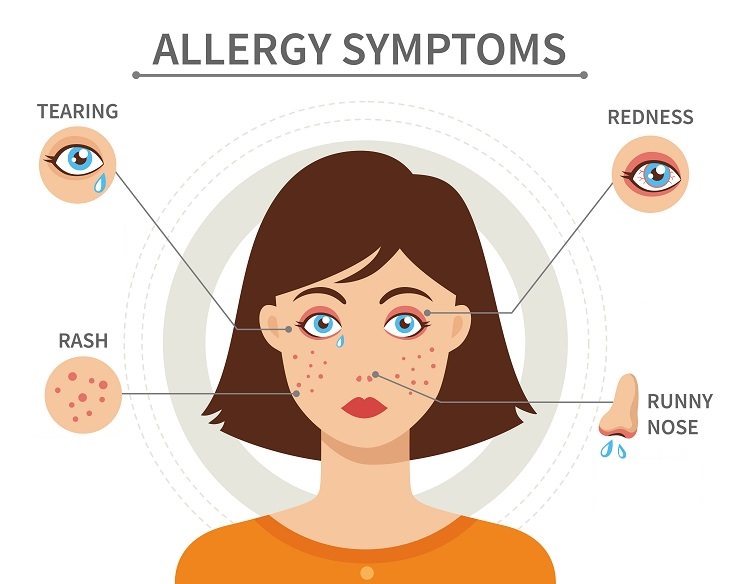
Nowadays, allergies are more common than ever, with almost half of the population worldwide having  experienced an allergic reaction at least once in their lifetime. Often, we can simply misattribute an allergy symptom as an age-related change in our body, a flu or some other health condition.
I myself suffer from allergies all the time, and know how a breakout or swelling can be easily blamed on hormonal changes or lack of sleep, even though it’s most likely my dust allergy acting out. That’s the main reason why it’s important to know how allergies can manifest themselves, and hopefully,
you’ll be able to catch the culprit behind those swollen eyelids, itchy skin and fatigue, and get rid of it and the uncomfortable symptoms it triggers once and for all.
These are some silent signs of allergies that you might mistake for something else.

1. A (Kind Of) Stuffy Nose and Sore Throat

Do you know that feeling when you wake up in the morning with a stuffy nose, but then, in the morning, it seems to subside? It can be really frustrating, as you never know if it’s the beginning of a cold or nothing serious, especially when it’s accompanied by a dry or slightly sore throat.
If you know what we’re referring to and experience these symptoms all the time, no matter the temperature and humidity levels in the bedroom, you might be having an allergy.
silent signs of allergies common symptoms

2. Itchy, Irritated or Swollen Skin

Does your skin feel itchy and irritated, even though you’re moisturizing it and don’t see any rash or breakouts? Or do you wake up with a somewhat swollen face or eyelids in the morning? These signs may be a symptom of an allergy.
And though it is true that people with dry skin can also experience skin itching, especially in the winter, a constant itchiness should still be a warning sign for you. If swelling and itchiness is accompanied by other symptoms, such as headaches, a stuffed nose, or any other symptom we mention on this list, it may be caused by an allergy.
Foods, medications, supplements, fragrances, detergents, or anything else, really, can provoke these symptoms. You can be allergic to specific laundry detergents, for example, which can cause headaches, irritability, swelling and skin itching because we use it to clean our clothes, sheets and towels.

2. Experiencing Headaches, Fatigue and Irritability

We have written a lot about the link between the body and the mind. Like many other physical conditions, allergies can take a toll on your mental health, too, causing irritability and nervousness. It makes sense, too, if you think about it, as it is very nerve-wracking indeed to feel slightly sick, itchy and swollen without a definite idea if it’s just a new normal for you, or a cause of concern.
Other related symptoms are exhaustion, mental tiredness and headaches. These two symptoms make you feel less focused and alert, too, which can really affect your productivity and life satisfaction.

4. Persisting Rash or a Recurrent Flare Up

If you experience skin rashes that flare up from time to time, possibly every season, it may indicate that you have an undiagnosed allergy. It doesn’t have to be allergic hives either, rosacea, eczema, acne and other skin conditions can all worsen due to an allergy.
Also, keep in mind that allergies are often systemic, which means that a rash on your back or on the tops of your hands, for example, can be caused by a food allergy or even an allergy to cat fur, and not necessarily a product that contacted with your hands or back.

5. A Persisting Cold or Sinus Infection

A cold or sinus infection that doesn’t go away for a long time may be an allergy in disguise, especially when a treatment with antibiotics proves ineffective. This is especially true about seasonal allergies.
In fact, patients with serious undiagnosed allergies often mistake them for a respiratory infection and complain to the doctor about a cold or sinusitis, when in reality they just have an allergy.

6. Sensitive or Watery Eyes

One of the most common contact allergy symptoms are uncontrollably itchy eyes, but it rarely happens that you have such a strong reaction to an allergen that your eyes immediately turn red and start itching like crazy. If you feel that your eyes become more sensitive or watery when you’re outside and it’s windy, for example, it may indicate a dust allergy.
It is also often the case that some skincare or makeup products can make your eyes watery or red. As it is the case with all of these symptoms, you should observe and see if any other allergy symptoms accompany it, and if so, it may be worth a visit to a doctor.

7. Feeling Sick Only Outdoors or In a Specific Building

Are you experiencing headaches and itchiness only when you’re in a library? Or, on the other hand, you feel tired and your nose is runny only when you spend time outside? It can mean that you have an allergy to a specific object found outdoors or indoors, be it pollen, mold, animals or anything else.
If you’re lucky, it can be seasonal, especially if it’s an allergy to a specific pollen. If not, it may something more general, like dust, in my case, which can trigger an allergic reaction both indoors and outdoors.
The Bottom Line. If you experience a combination of the symptoms we outlined in this article for an extended period of time, try to look for patterns and understand what product, object or animal could be triggering these symptoms. We tried to provide you many pointers and examples, but it is up to you to understand your own body’s reactions.
You physician or an allergologist will also help you figure out what might be causing your allergy and if it’s maybe something else, as well as be able to prescribe a suitable treatment. In the end, it is important to treat even minor allergy symptoms, as they can really affect your daily life, confidence and life satisfaction.

This is only for your information, kindly take the advice of your doctor for medicines, exercises and so on.     

https://gscrochetdesigns.blogspot.com. one can see my crochet creations  
https://gseasyrecipes.blogspot.com. feel free to view for easy, simple and healthy recipes    
https://kneereplacement-stickclub.blogspot.com. for info on knee replacement

Labels: , , , , , , , , , , , , , , ,