Thursday, August 20, 2026

These 6 Signs Will Determine Whether You Have Acid Reflux

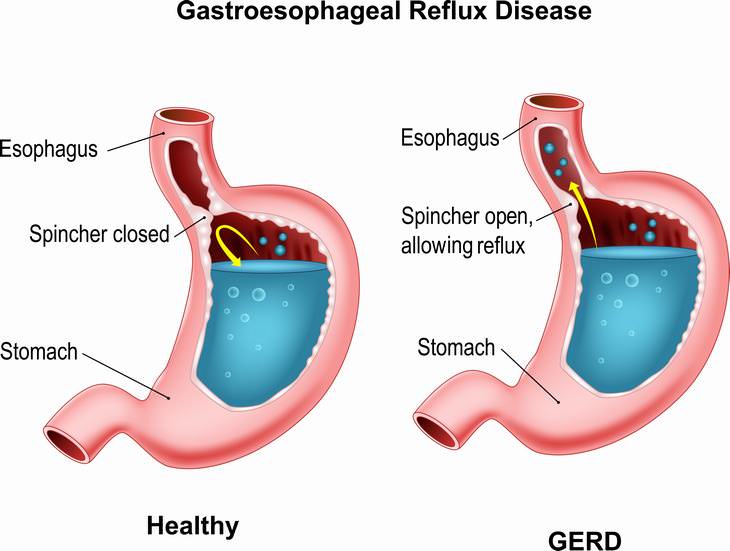
Acid reflux, also known as GERD (Gastroesophageal Reflux Disease) is a common medical problem. Millions of people are affected by GERD and sometimes they don't even realize that they have it. In addition, acid reflux can cause other diseases. 

According to researchers, it may aggravate asthma, proven by the fact that the majority of asthmatics have GERD. Acid-reflux is a long-term condition in which whatever you eat, comes back up into the esophagus and causes unpleasant symptoms or complications. People with excessive weight, pregnant women, smokers and those who take certain medicines are at risk of developing it. So what signs indicate that you may have GERD?
 acid reflux 


1. Acidic taste in the mouth  

This condition is caused by the muscle or sphincter at the top of the stomach. When it becomes weak, acid rises up into the food pipe and the sour acidic taste can stay for weeks and be very irritating, affecting your quality of life. This is an especially common problem among pregnant women because there is more pressure on the stomach. 

2. Regurgitation 

This is the backing up of acid into your throat or mouth. You may experience a bitter taste, burp or even vomit. It can occur at any time but it gets especially worse at night. You may also wake up with bitter liquid in your throat and a feeling of panic.

3. Heartburn  

Many people have experienced heartburn, but few think they have had acid reflux. Heartburn is a common symptom of GERD. Usually, symptoms of heartburn include burning or discomfort in the middle of the lower chest that can be felt after eating. The discomfort may increase when bending over or lying flat on your back. 

4. Dyspepsia 

When experiencing acid reflux you may feel stomach discomfort. This includes nausea after eating, upper abdominal pain, burping, and stomach fullness. There are times when you don't feel hungry and you don't have an appetite because of the feeling of fullness in your stomach.

5. Dysphagia This means that you can feel the sensation of stacked food in your throat and happens because of a narrowing of your esophagus. When this happens it can become a challenge because you are unable to swallow so you may not eat enough calories, leading to additional medical problems.

 6. Coughing 

While coughing is not a typical symptom of acid reflux, 25-40% of cases are registered with a chronic cough. How to avoid acid reflux: 

1. Eat smaller portions. It's better to eat often than to have a big meal once or twice per day. 

2. Avoid alcohol, acid, spice and fatty foods. 

3. Lose weight if needed. 

4. Don't wear tight clothing. 

5. Don't eat before sleeping.


This is only for your information, kindly take the advice of your doctor for food, medicines, exercises and so on.   


Labels: , , , , ,

Friday, February 28, 2020

Investigational drug effective as adjunct to PPIs in refractory GERD

Approximately 20% of the adult U.S. population reports GERD-related symptoms, including heartburn and regurgitation each week and about seven per cent experience daily symptoms. 

Proton pump inhibitors are "mainstay" treatment for GERD but approximately 30% of patients continue to have symptoms. Refractory gastroesophageal reflux disease (GERD) reduces the quality of life and creates a significant financial burden on the healthcare system. The researchers performed a trial to evaluate the efficacy and safety of new drug IW-3718, a bile acid sequestrant, as an adjunct to PPI therapy.


They found that the investigational drug that binds bile acids in the stomach can reduce the severity of heartburn symptoms in patients with treatment-resistant gastroesophageal reflux disease (GERD) when combined with a proton pump inhibitor (PPI. 


The study has been published in the journal Gastroenterology. 


"As a physician, it is very challenging to have nothing new to offer patients for whom standard treatments don't work," Vaezi said. "But the reality is many of our patients continue to struggle with frequent heartburn and regurgitation despite taking their PPIs.

"These data provide strong evidence that bile acid plays a key role in refractory GERD and that IW-3718 may have the potential to make a meaningful difference for patients," he added. 


Vaezi is professor of Medicine and clinical director of the Division of Gastroenterology, Hepatology and Nutrition in the Department of Medicine, Vanderbilt University School of Medicine. PPIs such as Prilosec and Nexium reduce the production of stomach acid. 


IW-3718, which was developed by Ironwood Pharmaceuticals, combines an established drug that binds bile acids in the stomach with a technology that controls the release of drugs in the gastrointestinal tract. Bile acids have been shown to injure the lining of the oesophagus as well as stomach and colon. 


Fifty-two centres in the United States, including VUMC, participated in the randomized, double-blind study from March 2016 to April 2017. A total of 280 adult patients with refractory GERD were divided into four groups, one which received an inactive placebo and the other ascending doses of IW-3718 twice a day.


 Heartburn symptoms were significantly reduced in the group receiving the highest dose, 1,500-milligrams twice daily, compared to the placebo group. Regurgitation symptoms also decreased. The drug was well tolerated. There were no drug-related serious adverse events. 


"These results suggest that IW-3718 may provide a therapeutic option for refractory-GERD patients with continued symptoms despite once-daily PPI therapy," the researchers concluded.


This is only for your information, kindly take the advice of your doctor for medicines, exercises and so on.     

https://gscrochetdesigns.blogspot.com. one can see my crochet creations  
https://gseasyrecipes.blogspot.com. feel free to view for easy, simple and healthy recipes    
https://kneereplacement-stickclub.blogspot.com. for info on knee replacement
 

Labels: , , , , ,

Tuesday, October 16, 2018

Signs of Acid Reflux

Acid reflux, also known as GERD (Gastroesophageal Reflux Disease) is a common medical problem. Millions of people are affected by GERD and sometimes they don't even realize that they have it. In addition, acid reflux can cause other diseases.
 
According to researchers, it may aggravate asthma, proven by the fact that the majority of asthmatics have GERD. Acid-reflux is a long-term condition in which whatever you eat, comes back up into the esophagus and causes unpleasant symptoms or complications. People who are obese, pregnant women, smokers and those who take certain medicines are at risk of developing it. So what signs indicate that you may have GERD?
 
acid reflux 
 
1. Acidic taste in the mouth
This condition is caused by the muscle or sphincter at the top of the stomach. When it becomes weak, acid rises up into the food pipe and the sour acidic taste can stay for weeks and be very irritating, affecting your quality of life. This is an especially common problem among pregnant women because there is more pressure on the stomach. 
2. Regurgitation
This is the backing up of acid into your throat or mouth. You may experience a bitter taste, burp or even vomit. It can occur at any time but it gets especially worse at night. You may also wake up with bitter liquid in your throat and a feeling of panic. 
3. Heartburn
Many people have experienced heartburn, but few think they have had acid reflux. Heartburn is a common symptom of GERD. Usually, symptoms of heartburn include burning or discomfort in the middle of the lower chest that can be felt after eating. The discomfort may increase when bending over or lying flat on your back. 
4. Dyspepsia
When experiencing acid reflux you may feel stomach discomfort. This includes nausea after eating, upper abdominal pain, burping, and stomach fullness. There are times when you don't feel hungry and you don't have an appetite because of the feeling of fullness in your stomach. 
5. Dysphagia
This means that you can feel the sensation of stacked food in your throat and happens because of a narrowing of your esophagus. When this happens it can become a challenge because you are unable to swallow so you may not eat enough calories, leading to additional medical problems. 
6. Coughing
While coughing is not a typical symptom of acid reflux, 25-40% of cases are registered with a chronic cough. 
How to avoid acid reflux:
1. Eat smaller portions. It's better to eat often than to have a big meal once or twice per day.
2. Avoid alcohol, acid, spice and fatty foods.
3. Lose weight if needed.
4. Don't wear tight clothing.
5. Don't eat before sleeping. 


THIS IS ONLY FOR INFORMATION, ALWAYS CONSULT YOU PHYSICIAN BEFORE HAVING ANY PARTICULAR FOOD/ MEDICATION/EXERCISE/OTHER REMEDIES.                                                                                                                                                                                                                                            PS- THOSE INTERESTED IN RECIPES ARE FREE TO  VIEW MY BLOG-                                                                                           https://gseasyrecipes.blogspot.com/   

  FOR INFO ABOUT KNEE REPLACEMENT, YOU CAN VIEW MY BLOG-                                                                                                                                https:// kneereplacement-stickclub.blogspot.com/                              

FOR CROCHET DESIGNS                                                                                                                                                                                                                                 https://gscrochetdesigns.blogspot.com


Labels: , , , , , , , , , , ,