These 6 Signs Will Determine Whether You Have Acid Reflux
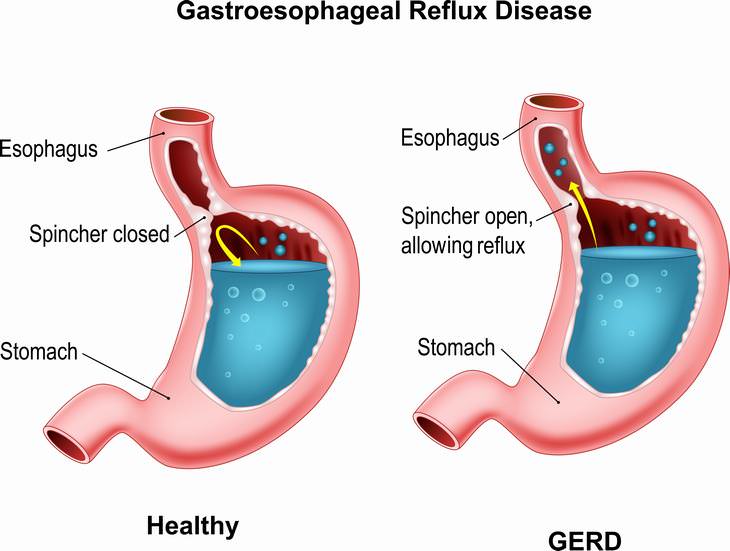
Acid reflux, also known as GERD (Gastroesophageal Reflux Disease) is a common medical problem. Millions of people are affected by GERD and sometimes they don't even realize that they have it. In addition, acid reflux can cause other diseases.
According to researchers, it may aggravate asthma, proven by the fact
that the majority of asthmatics have GERD. Acid-reflux is a long-term
condition in which whatever you eat, comes back up into the esophagus
and causes unpleasant symptoms or complications. People with excessive
weight, pregnant women, smokers and those who take certain medicines are
at risk of developing it. So what signs indicate that you may have
GERD?
1. Acidic taste in the mouth
This condition is caused by the muscle or sphincter at the top of the stomach. When it becomes weak, acid rises up into the food pipe and the sour acidic taste can stay for weeks and be very irritating, affecting your quality of life. This is an especially common problem among pregnant women because there is more pressure on the stomach.
2. Regurgitation
This is the backing up of acid into your throat or mouth. You may
experience a bitter taste, burp or even vomit. It can occur at any time
but it gets especially worse at night. You may also wake up with bitter
liquid in your throat and a feeling of panic.
3. Heartburn
Many people have experienced heartburn, but few think they have had acid reflux. Heartburn is a common symptom of GERD. Usually, symptoms of heartburn include burning or discomfort in the middle of the lower chest that can be felt after eating. The discomfort may increase when bending over or lying flat on your back.
4. Dyspepsia
When experiencing acid reflux you may feel stomach discomfort. This
includes nausea after eating, upper abdominal pain, burping, and stomach
fullness. There are times when you don't feel hungry and you don't have
an appetite because of the feeling of fullness in your stomach.
5. Dysphagia This means that you can feel the sensation of stacked food in your throat and happens because of a narrowing of your esophagus. When this happens it can become a challenge because you are unable to swallow so you may not eat enough calories, leading to additional medical problems.
6. Coughing
While coughing is not a typical symptom of acid reflux, 25-40% of cases are registered with a chronic cough. How to avoid acid reflux:
1. Eat smaller portions. It's better to eat often than to have a big meal once or twice per day.
2. Avoid alcohol, acid, spice and fatty foods.
3. Lose weight if needed.
4. Don't wear tight clothing.
5. Don't eat before sleeping.