Saturday, September 20, 2025

The Persimmon: 9 Terrific Health Benefits!

Isn’t it amazing to know that fruits aren’t only meant to provide us with a way to satisfy our sweet cravings, but that they also have so many health benefits? It turns out that persimmon - the orange and shiny fruit reminiscent of a tomato - contains a large number of vitamins and minerals that can help us get through the winter much stronger, healthier and full of energy. In order to learn more about this amazing fruit’s medical abilities in-depth, we invite you to read on. We’ve also added a delicious recipe at the end that’ll make you fall in love with a fruit that was considered a "fruit of the gods" in ancient Greece.

 
Some interesting facts about persimmon 
 persimmon
The persimmon is a sweet and juicy winter fruit originating from southeastern China and belonging to the stone fruit group. The persimmon has four different varieties; Japanese, American, Indian, and black persimmon. Each of these species has the same basic nutritional benefits and values, with slight changes in dietary fiber intake. The persimmon is rich in vitamin A, vitamin C, magnesium, potassium, beta-carotene and other B vitamins such as zeaxanthin, carotenoids, and minerals. 
 
9 Health Benefits of Persimmon 
 
1. Protects the immune system 
 
The persimmon is a winter fruit by design it seems, because it contains a high amount of vitamin C. Vitamin C considered one of the most effective and nourishing vitamins in the body's immune system and is found in most winter fruits as this is the season in which our bodies are more prone to bacteria and viruses. Eating one persimmon a day helps the body fight the free radicals that harm it, therefore, by consuming the fruit it increases the production of white blood cells, a process that leads to a reduced risk of various diseases.

2. Healthy for the heart 
Eating one persimmon is more effective at reducing the risk for heart disease, than eating apples for example. An initial comparison between the two fruits by a group of international researchers found that persimmons contain a significantly higher concentration of dietary fiber, minerals and phenolic compounds that help fight atherosclerosis, which is the leading cause of heart disease, heart attacks, and stroke. According to a study conducted in cooperation with the Israeli Ministry of Health and the Kaplan Medical Center, eating one medium persimmon a day, about 100 grams, helps prevent atherosclerosis and various heart diseases.


3. Helps maintain eye health 
 Like most orange fruits and vegetables, persimmon was found to contain a compound that is beneficial for maintaining eye health and vision. Zeaxanthin - which is one of the most common alcoholic carotenoids in nature and forms the color that ranges from red to yellow - is found in the fruit and is part of the substances which are important to eye health. According to a study published in the Journal of Food Chemistry, there is a direct link between consumption of zeaxanthin and improving eye health, as this compound acts as an antioxidant that can reduce molecular degeneration, night blindness, and cataracts.

4. Protects against cancer  
Cancer is one of the deadliest diseases in our world, and there is much advice to incorporate many different foods in order to prevent the disease from developing. However, you should know that persimmon is one of the most recommended fruits to eat and consume. As already mentioned, persimmons contain antioxidants that help the body fight the free radicals that can cause the destruction of cells and the formation of cancerous tumors. The presence of vitamin A in the fruit, in combination with betulinic acid, enriches the body's protective system, which can remove toxins that are highly capable of converting healthy cells into cancer. Korean researchers have suggested that fruits such as persimmon and mandarin can reduce the risk of developing thyroid cancer and prevent the development of the disease in the early stages. 
 
5. Improves digestive function 
The persimmon is known as a fruit that contains a rich amount of dietary fiber which is beneficial for improving the digestion process. It is important to note that there are two types of fiber sources: insoluble and soluble - the first passes directly through the body and isn’t digested while the second type is digested and provides the body with important nutrients. The fibers found in persimmon help in clearing the digestive tract, thus preventing constipation. In addition, another advantage in the quick clearing of the digestive system is its ability to prevent anal infections and also help in the treatment and prevention of conditions leading to colon cancer or hemorrhoids.


6. Helps weight loss 
The autumn and winter periods are known as seasons where many gain weight due to lack of physical activity and because of the need to eat more to keep warm. So, if you want a sweet fruit to replace your daily snack, you should choose Persimmon. Not only does it have almost no fat, but a medium-large fruit weighing 168 grams has a total of only 31 calories. In addition, the amount of dietary fiber in it accounts for about 20% of the recommended daily intake and causes a feeling of long-lasting satiety. These important facts make this tasty fruit an ideal healthy snack for all those who want to lose weight. 
 
 
7. Protects against premature aging 
In addition to vitamin C being one of the most effective antioxidants in protecting the immune system, it’s also an especially effective antioxidant for skin health. Because it is a soluble vitamin, it doesn’t accumulate in our body and therefore requires regular replenishment through the food we consume. Other vitamins such as A and K - which maintain skin health, reduce wrinkles and inhibit aging - are also found in the sweet fruit, accompanied by beta-carotene, zeaxanthin, and lutein, which also act as antioxidants. As has been said, the role of antioxidants is to combat the harmful effects of the body created by free radicals and to protect it from the formation of diseases and infections.


8. Prevents kidney stones 
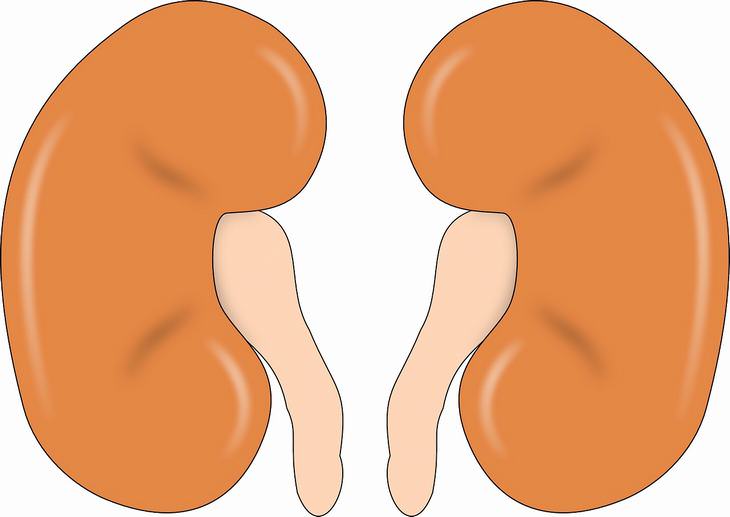
Eating one persimmon a day is enough to help prevent kidney stones because persimmon is rich in potassium - a mineral that helps protect the kidneys from the formation of this nuisance. Kidney stones may also be caused by lack of calcium in the body, so eating the fruit can help prevent the problem because of its relatively high calcium content. 
 
9. Helps lower body temperature 
 Persimmon is considered a fruit that contains a relatively high amount of water and therefore it can cool the body better than other fruits, which have a lower percentage of juice. Scientists at the University of Kyoto, Japan, have investigated and found that eating too much of the fruit actually reduces body temperature. Because persimmon is a winter fruit, some of you may think that lowering body temperature isn’t recommended, but how about when your body temperature rises due to fever? To counteract this bodily response, persimmon can be used as a natural and healthy "remedy."

Side effects of persimmon consumption 
 
Despite all the health benefits of persimmon mentioned above, you should know that there are also side effects in people with various health problems and for them, there are certain limitations, for example: 
 
Persimmon contains a high level of tannin, so don’t eat the fruit on an empty stomach because it may cause diarrhea, and even if you eat it on a full stomach make sure to consume the fruit in moderation. 
 
People with low blood pressure shouldn’t eat persimmon as it can lower blood pressure and cause serious health complications. 
 
The fruit’s sugar content is very high, therefore, people with diabetes should avoid eating it completely.
 
If you eat the fruit with its peel, be careful not to overdo it, because it can cause severe stomach constipation. 
 
To finish...
In conclusion, it is important to note that each type of food we eat has advantages and sometimes side effects, but the benefits of these foods still outweigh the disadvantages. Another thing is to always emphasize the quantities we consume – even good things should be eaten in moderation. We’re sure you’re just itching to eat this fruit for its many health benefits. Try incorporating it into your menu with this next tasty and special recipe.


This is only for your information, kindly take the advice of your doctor for medicines, exercises and so on.   

https://gscrochetdesigns.blogspot.com. one can see my crochet creations  
https://gseasyrecipes.blogspot.com. feel free to view for easy, simple and healthy recipes    
https://kneereplacement-stickclub.blogspot.com. for info on knee replacement
https://GSiyers home remedies.blogspot.com   is the latest addition to my blogs

Labels: , , , , , , , ,

Saturday, February 22, 2025

10 Great Things Eating Oranges Will Do For Your Health

Oranges! They’re delicious, juicy and packed full of vitamins (A/B/C) & nutrients (Magnesium, Phosphorous, Potassium, Calcium & more) as well as antioxidants & anti-inflammatory nutrients. You’ll be amazed to know that drinking a glass of its juice is more effective than taking a vitamin C supplement! And remember you can also put the orange peels for good use.


Here are 10 reasons why this miracle citrus fruit is so good for you:

1. Boost your immune system
 
Like most citrus fruits, the Orange is packed full of vitamin C, which is much needed to keep your immune system running efficiently and boost the production of white blood cells, plus vitamin A, copper and folate – all essential for the immune system.

2. Lowers cholesterol
 
Research shows that the flavanones in orange juice lower bad cholesterol (LDL) and improve the good-to-bad cholesterol ratio. Oranges also contain Pectin, a soluble fiber that locks up bad cholesterol and expels it from the body.

3. Fights aging
Rich in antioxidants, oranges have a reputation as anti-aging fruit, as well as the fact that they contain beta-carotene which helps in repairing skin-damage.

4. Keeps your eyes healthy
 oranges, healthy
 Beta-carotene also is turned into vitamin A by the body and vitamin A is known to be vital to the function of our eyes. Along with it, the Orange contains carotenoids that help prevent chronic eye diseases.


5. Rejuvenates your skin
 
The antioxidant properties of vitamin C help fight sun-damage as well as environmental pollutants that can damage the skin. It also is a key ingredient in the production of collagen, which helps keep the skin tight and elastic. The citric acid in the peel lightens and brightens the skin and also opens up clogged pores, so making a face mask from it is a good idea. 
 
6. Cancer Prevention
oranges, healthy
We mentioned antioxidants already, but did you know they also help fight free radicals which are a leading cause of cancer? Not only that, but research shows that regularly giving orange-juice to children in the first 2 years of their life will reduce the possibility of developing Leukemia.  
 
7. Helps you lose weight
Need a helping hand in losing weight? Eat more oranges. Rich in fiber – oranges keep you feeling full for longer, and thanks to the vitamin C the body can burn fat faster!


8. Healthier heart
 
Being rich in antioxidants, folate, and potassium, oranges are great for heart health. The antioxidants, particularly vitamin C, present in oranges protect the arteries from free radicals and prevent the oxidation of cholesterol. Also, oranges have phytochemicals that prevent platelets from sticking together and strengthen blood vessels that carry oxygen and nutrients to the body’s cells. Folate, or vitamin B9, process the amino acid homocysteine in the body. 
 
High levels of homocysteine may cause a heart attack, irrespective of a person’s cholesterol levels. Potassium is another crucial nutrient for heart health as it plays a key role in heart functions and muscle contractions. Plus, research has found that the flavanone hesperidin present in the fruit and its juice contributes to vascular protective effects. 
 
9. Helps prevent arthritis
oranges, healthy
According to a study published in the American Journal of Clinical Nutrition, drinking one glass of freshly squeezed orange juice daily can assist in reducing the risk of developing rheumatoid arthritis. Vitamin C, Phytonutrients Zeaxanthin and Beta-Cryptoxanthin protect against oxidative damage that can result in inflammation. 
 
10. Prevents you from getting Kidney stones
oranges, healthy
Finally, vitamin C also helps increase the amount of citrate in your urine, which in turn reduces your likeliness of getting Calcium Oxalate kidney stones by reducing the crystallization of Uric Acid & Calcium Oxalate. 
 
 Don’t overdo it though, oranges are rich in sugar and acids, and can lead to tooth-decay and might upset your stomach if consumed in large quantities.


 This is only for your information, kindly take the advice of your doctor for medicines, exercises and so on.   


Labels: , , , , , , ,

Tuesday, November 16, 2021

How & Why You Need to Freeze Lemons (Detailed Instructions)

How & Why You Need to Freeze Lemons 

Refreshing, zesty and alkalizing. Lemons are one of those fruits I always like to stock in my kitchen. One way to assure you are never short of these yellow vitamin bombs is to freeze them. Yes, it’s perfectly all right to do that.

In fact, every part of the fruit can be frozen, including the juice, and consumed at your convenience. Moreover, freezing lemons can bring some other benefits and make the preparation of food and beverages a lot smoother.

Before Freezing Your Lemons

Choose lemons that have no dark or soft spots. Wash them well with water and fruit and vegetable soap like this one. Or you can remove pesticides from your produce by washing them in a mixture of water and white vinegar, which is especially applicable if you buy non-organic lemons.

How to Freeze Your Lemons

Whole lemons

Place the lemons in freezer bags, remove air and seal well.

When you need the lemons, thaw them or place them in cold water for 10 to 15 minutes. Use them for juicing and enjoy the health benefits of drinking lemon water or as an ingredient in your recipes.

Unfortunately, once totally defrosted, the lemons become very squashy and are not good for slicing and decorating. For such uses I either take fresh lemons or use frozen wedges as described below.

Whole lemons without the zest

Lemons you grated the zest from don’t need to be left to rot or thrown away. Instead, wrap them in aluminum foil or plastic wrap and put the wrapped fruits in freezer bags. The nicely tucked fruit will not dry out and can be used later for juicing.

Lemon Zest

You can also freeze just the zest by simply putting it in a freezer bag for later use.

If you use a whole frozen lemon and then grind the zest, you will not lose any lemon rind oils, which defrost straight into the recipe mix and do not spray all over the kitchen counter.

Lemon wedges and slices

Slice the lemons and then place them on a parchment-lined baking sheet. Put the sheet into the freezer. When the items are frozen, pop them into bags or containers.

Prepared in this way, your lemons are perfect for flavoring drinks, an addition to your ice tea or a handy way to cool down your morning cup of tea.

Lemon juice

Frozen lemon juice is very convenient for recipes. Juice fresh lemons and pour the juice into ice cube trays. You can leave it there or if you need the trays, when the juice freezes, remove the cubes and place them into zipper-style freezing bags after removing as much air as possible.

To make it easier and more accurate, measure the volume of one cube. It should be between one and two tablespoons. Record the amount on the freezing bag, so you know exactly how many cubes to thaw for your recipe.

For something a little special, try adding a slice of strawberry, a mint leaf or a raspberry into the cube and freezing it together with the lemon juice. These special cubes can make for a novelty decoration at your parties and gatherings.

Health Benefits of Lemons

Lemons are rich in vitamin C which is a powerful antioxidant with many health benefits.

A study about citrus fruits such as lemons found that their antioxidant, anti-inflammatory, and anticancer properties have a protective effect on the body.

Lemon juice is very low in calories and contains up to half of your daily recommended intake (RDI) of vitamin C.

Lemons also contain polyphenols and flavonoids. These beneficial plant compounds have been linked to giving protection against chronic diseases like diabetes, cancer, and high blood pressure.

Some of the most important health benefits of lemons include:

Boosting Your Immune System. A study from 2013 found that increasing vitamin C intake (which is found in lemons) can reduce the duration of the common cold. It was found that vitamin C improves your immune system in general. Vitamin C in lemon juice can also help to reduce symptoms of allergies.

Protecting Against Heart Disease. One cohort study on over a 14-year period found that people whose diets consisted of vitamin C-rich fruits (such as lemons) and green leafy vegetables had lower instances of heart disease.

Lowering Blood Pressure. A study examined both the effect of lemon juice and lemon peel and found that taking lemon daily had a significant effect in lowering blood pressure.

The effects of reducing blood pressure to normal levels were boosted with daily walking.

Reducing Cholesterol. A study from 2016 found that consuming lemon juice and garlic helped to lower blood cholesterol. Researchers discovered that combining 20 g of garlic and 1 tablespoon of lemon juice helped to significantly lower cholesterol in an 8-week period.

Lemon Water to Prevent Kidney Stones. A study from 2008 found that the lemon juice was just as effective as potassium citrate in preventing recurrence of painful kidney stones.

Managing Diabetes Symptoms. Research carried out in 2013 found that polyphenolic compounds in lemon peel can help to reduce insulin resistance. The research found that citrus flavonoids help to reduce inflammatory responses and increase insulin sensitivity.

Consume The Lemon Peel As Well

Lemon peel also contains powerful medicinal compounds such as flavonoids and polyphenols that help to reduce inflammatory responses in the body, as well as fiber.

For example, clinical trial from 2000 showed that consuming lemon peel could have a protective effect against skin cancer. In this study, it seemed that it was the peel of lemons that had the beneficial effect against human cancers, not the lemon juice or pulp.

Another study from 2016 found that the fiber from lemon peel helps to boost digestion and improve nutrient absorption in the intestines. However, to improve your digestive health with lemon water, it’s important to drink the pulp along with the grated lemon peel.

This is why some people grate lemon peel into their lemon water drinks to increase the benefits from lemons.


This is only for your information, kindly take the advice of your doctor for medicines, exercises and so on.   

https://gscrochetdesigns.blogspot.com. one can see my crochet creations  
https://gseasyrecipes.blogspot.com. feel free to view for easy, simple and healthy recipes    
https://kneereplacement-stickclub.blogspot.com. for info on knee replacement


Labels: , , , , , , , ,

Saturday, February 09, 2019

10 Benefits Of Tulsi For Skin, Hair And Health

Tulsi or holy basil or ocimum tenuiflorum is known for its numerous benefits for health and beauty. The medicinal herb can be used for everything from a cough to heart diseases. It is known to strengthen immunity, and is antibacterial, antiseptic and antiviral. Owing to its properties, tulsi can help you treat a variety of skin and hair issues. It is often recommended by Ayurvedic practitioners.
10 Interesting Benefits Of Tulsi:
  • It is a detoxifying agent.
  • Tulsi is used to purify and cleanse.
  • It soothes inflammation.
  • It is known as an antioxidant.
  • It works as an antibiotic.
  • It possesses antibacterial properties.
  • Tulsi regulates uric acid levels in the body.
  • It is known as an adaptogen.
  • It strengthens immunity.
  • It facilitates digestion.

5 Ways To Use Tulsi To Get Rid Of Common Health Problems:

The extract obtained from tulsi plant helps in curing many diseases like common cold, cough, fever, respiratory, cardio vascular diseases, relieving stress as it possesses essential constituents like oleanolic acid, ursolic acid etc. that are beneficial for health.
 1. Holy Basil Leaves For Acute Fever:
  1.   Prepare a decoction of the leaves by boiling them with    cardamom powder and half a litre of water
  2.   Let this mixture come down to room temperature
  3.   Then add sugar and milk to it
 2. Tulsi Juice For Kidney Stone:
As tulsi is a detoxifying agent, it helps in reducing uric acid level in body and breaking the kidney stone.
How To Use:

Firstly, you need to prepare tulsi juice. All you need is tulsi leaves and water.     

Procedure:
  1. Wash the tulsi leaves and soak them for 2-3 hours.
  2. Boil that water along with leaves.
  3. Cool this mixture to room temperature and add ginger and honey to the mixture
3. Holy Basil Leaves For Healing Wounds:
Basil leaves possesses antiseptic properties because of which they can be used in treatment of cuts and ulcers.
How To Use:
  1.  Prepare the basil leaves juice and mix it with coconut oil or almond oil.
  2.  Apply this mixture 2-3 times a day and you will surely see the astounding results.
  3. In case of insect bites, applying this freshly prepared juice on affected areas or even the thick paste made of leaves and paste would give you instant relief from pain.
4. Tulsi Tea For Heart Diseases
Tulsi contains an essential anti-oxidant called Eugenol which helps in controlling blood pressure and controlling cholesterol level in body which reduces the risk of cardiac arrest. All you need to do is chew few tulsi leaves or drink tulsi tea during the day.
How To Prepare Tulsi Tea:
  1.  Boil 10-12 fresh basil leaves in one cup of water for 10 minutes.
  2.  Filter out the water.
  3.  Add 1-2 teaspoons of lemon juice to the filtered water and mix it well.
5. Basil leaves For Weight Loss

All you need to do is make the paste of freshly prepared yogurt with basil leaves and have it once a day. It will not only help in reducing excessive weight but also   in formation of new blood cells and boosting up energy levels.

5 Amazing Ways To Use Tulsi (Ocimum tenuiflorum) For Skin Care Problems:

Tulsi is great for the skin when used externally and when consumed. You can chew its leaves or boil it to make tea. Tulsi can be used to treat acne and scars, skin infections, lighten dark spots, and improve skin texture.

1. Tulsi & Milk Face Pack For Skin Brightening:

Steps:
  1. Grind tulsi leaves and mix it with milk to form a thick paste.
  2. Apply this paste on face and leave it for 15-20 minutes and wash it off with water.
  3. Use this face pack 2-3 times a week and you will see the difference in 1-2 months
2. Tulsi Face Pack For Acne Marks:

Steps:

  1. Make the paste of tulsi leaves and orange peel powder.
  2. Apply this paste on you face and leave it for 10-15 minutes to reduce acne marks.
  3. You can also apply the mixture of sandalwood powder and basil leaves to reduce the pimple marks
3. Tulsi & Sandalwood Face Pack To Prevent Inflammation:

Steps:

  1. Make the thick paste of basil leaves, rose water and sandalwood powder.
  2. Apply this mixture on your face and leave it for 10-12 minutes.
  3. It will not only soothe your skin but will add instant glow.
4. Tulsi & Egg Face pack To Tighten Pores:

Steps:

You’ll need one egg white and tulsi leaves.
  1.  Make the paste of egg white and tulsi leaves.
  2.  Then rub the mixture on affected areas and leave it for 15 minutes
  3.  Wash it off gently.
 5. Tulsi Leaves For Skin Itching:
Steps:
  1. Apply the mixture the tulsi and lemon juice on your skin to soothe itching.
  2. Even rubbing tulsi leaves on areas that itch would give you an instant relief from skin itching.

How To Use Holy Basil Leaves For Hair Care:

Tulsi has the solution to all your hair care problems. Here’s how:
1. Amla & Tulsi Hair Pack To Fight Greying Of Hair:
  1. Prepare the paste by mixing tulsi leaves powder, amla powder and water.
  2. Apply it on your scalp.
  3. Wash it off after 2-3 hours with mild shampoo
2. Tulsi For Dandruff & Dry Scalp:
  1. Mix tulsi oil with regular oil like almond oil and massage well on your scalp. You can go for coconut oil if you are allergic to almond oil.
  2. It will help you improve blood circulation and also helps in reducing itchiness and dandruff and also promotes hair growth.
Tulsi uses are many. These are just a few. But you can’t go wrong with this wonder herb whichever way you choose to use it. 

THIS IS ONLY FOR INFORMATION, ALWAYS CONSULT YOU PHYSICIAN BEFORE HAVING ANY PARTICULAR FOOD/ MEDICATION/EXERCISE/OTHER REMEDIES.                                    PS- THOSE INTERESTED IN RECIPES ARE FREE TO  VIEW MY BLOG-                                                                                           https://gseasyrecipes.blogspot.com/       
                                                                                                                                                                      FOR INFO ABOUT KNEE REPLACEMENT, YOU CAN VIEW MY BLOG-                                                  https:// kneereplacement-stickclub.blogspot.com/           
                                                                           FOR CROCHET DESIGNS                                                                                                                                                                                                  https://gscrochetdesigns.blogspot.com

Labels: , , , , , , , , , , , , , , ,