Monday, May 19, 2025

11 Conditions We Often Confused with Anxiety

Anxiety, in its various forms, is something most people can relate to. We've all felt anxious at some point, that knot in your stomach before a big life event or the jitters before a first date. But what happens when that anxiety feels relentless, when it starts impacting your daily life? It's easy to assume it's just anxiety, especially when the symptoms are so common – racing heart, trouble sleeping, feeling exhausted. 

Sometimes, the symptoms that seem to point squarely to an anxiety disorder can actually be a sign of something else entirely. Certain medical conditions mimic the symptoms of anxiety so closely that they’re often misdiagnosed.

Identifying the medical conditions that mimic anxiety symptoms is essential to receiving the appropriate diagnosis and treatment. In this article, we’ll explore 11 medical conditions that are often confused with anxiety, helping you better understand what might really be going on with your health. 

1. Postural orthostatic tachycardia syndrome (POTS)

POTS is a disorder that affects the autonomic nervous system, known as dysautonomia. It causes the heart rate to rise quickly (tachycardia) upon standing, and may also lead to a drop in blood pressure. The fast heartbeat, combined with symptoms such as dizziness, heart palpitations, chest pain, shortness of breath, and issues with temperature control (which can cause sweating or shivering), can lead some doctors to mistakenly diagnose it as anxiety. 
 
2. Inappropriate Sinus Tachycardia (IST)
IST refers to a condition where the heart beats at an unusually fast rate without an identifiable cause. This often results in feelings of a pounding heart or noticeable palpitations. 
 
The most obvious sign of IST is a fast heart rate, which is also a typical symptom of anxiety and panic attacks. This overlap in symptoms can make it tricky to determine the true cause of a fast heartbeat.

In IST, the heart rate remains elevated even when the person is resting, unlike anxiety-induced fast heartbeats that usually slow down with relaxation. Holter monitors or ECG tests can help differentiate IST from anxiety-driven tachycardia. 
 
3. Endometriosis
Endometriosis
If a woman's pain doesn't have an obvious cause or isn't something that's easy to see, it's sadly common for doctors to think it's caused by anxiety. Endometriosis, where tissue similar to the uterine lining grows outside the uterus, isn't always well-known among doctors. This means that if a woman has pelvic pain and a doctor can't find a reason for it right away, she may be told that it's anxiety. This can happen even when there's a real medical reason for the pain, such as endometriosis. 
 
4. Diabetes
Uncontrolled diabetes can cause blood sugar levels to rise and fall quickly, leading to symptoms such as trembling, sweating, and a fast heartbeat. These symptoms, along with headaches and nausea, are sometimes mistaken for anxiety. If you frequently feel very hungry or thirsty, feel tired, or notice you’re urinating more than usual, it’s a good idea to talk to your doctor. Other signs to watch for include weight loss, blurry vision, dry skin, or slow-healing sores. You may need to get your blood sugar checked.


5. Hyperthyroidism
Hyperthyroidism
 
Hormonal imbalances can mimic anxiety symptoms. For instance, if the thyroid gland is overactive, it produces excess thyroid hormone, which can boost your metabolism and result in feelings of nervousness, restlessness, and a rapid heartbeat. This condition can also lead to sleep issues and irritability, which are often associated with anxiety. 
 
A serious thyroid condition called a "thyroid storm" can feel very much like a panic attack. Watch out for unexpected weight loss and increased sensitivity to warmth, both of which can be clues that your thyroid is overactive.

 
6. Adrenal insufficiency
 Adrenal Insufficiency
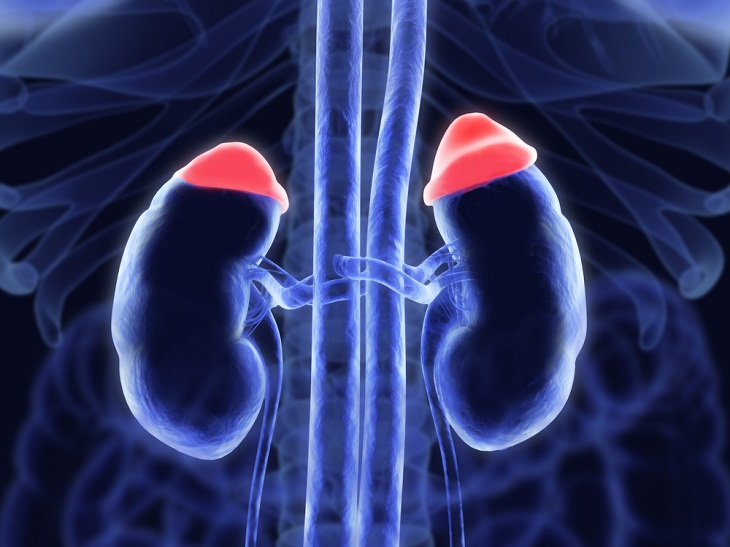
Cortisol is a hormone made by the adrenal glands, and when these glands aren’t functioning properly, it leads to adrenal insufficiency, or Addison’s disease. Low levels of cortisol can lead to feelings of anxiety and depression, so some patients may genuinely experience anxiety. Doctors need to conduct additional tests to determine if the issue is related to hormone levels rather than a mental health condition. 
 
7. Lyme Disease
lyme

People with Lyme disease, much like those with endometriosis, might be labeled as having anxiety because their condition isn’t easily diagnosed. There’s ongoing uncertainty in the medical community regarding chronic Lyme disease, and since the tests can be unreliable, patients are often told that their symptoms are just “in your head” when doctors can’t find an alternative explanation.


8. Electrolyte Imbalances
When your electrolyte levels, like sodium or potassium, are too high or too low, it can trigger anxiety or panic-like feelings. Symptoms can include shortness of breath, confusion, and a fast heart rate. You might also notice irritability, dizziness, fatigue, headaches, or nausea. Electrolyte imbalances can result from a range of factors, such as excessive or insufficient water intake, unhealthy eating, chemotherapy, specific medications, or problems with the heart, kidneys, or liver. 
 
 
9. Fibromyalgia

Fibromyalgia is a chronic illness that causes pain in muscles and joints all over the body, along with fatigue and tenderness in specific spots. The persistent pain and tiredness that come with fibromyalgia can cause a lot of stress and anxiety. Anxiety and depression are frequent among those with fibromyalgia, and traumatic events can sometimes trigger the condition, just as they can with anxiety disorders. 
 
Fibromyalgia often affects specific, sensitive spots on the body and also causes other symptoms like trouble sleeping and difficulty thinking clearly. To diagnose fibromyalgia, a doctor will check for other possible causes and use specific guidelines to assess your pain levels.
 
10. Neurological Conditions
Many brain disorders can mimic anxiety as they can cause symptoms like headaches, memory issues, and tremors. They can also induce feelings of anxiety, a rapid heartbeat, and difficulty breathing. If you have a family history of neurological conditions like Parkinson’s, Alzheimer’s, or multiple sclerosis, it's a good idea to talk to your doctor. 
 
11. Heart Problems
Heart issues can make your heart race and affect your breathing just like anxiety can. Panic attacks and heart attacks often share the same symptoms, such as dizziness, chest pain, and difficulty breathing. They can also lead to sweating, nausea, and a sense of fear. Distinguishing between the two can be tough without proper tests. If you experience any of these symptoms, especially if you haven't had panic attacks before, it's best to head to the ER immediately.


This is only for your information, kindly take the advice of your doctor for medicines, exercises and so on.   


Labels: , , , , , , , , , ,

Tuesday, January 07, 2025

11 Conditions We Often Confused with Anxiety

Anxiety, in its various forms, is something most people can relate to. We've all felt anxious at some point, that knot in your stomach before a big life event or the jitters before a first date. But what happens when that anxiety feels relentless, when it starts impacting your daily life? It's easy to assume it's just anxiety, especially when the symptoms are so common – racing heart, trouble sleeping, feeling exhausted. 

Sometimes, the symptoms that seem to point squarely to an anxiety disorder can actually be a sign of something else entirely. Certain medical conditions mimic the symptoms of anxiety so closely that they’re often misdiagnosed.

Identifying the medical conditions that mimic anxiety symptoms is essential to receiving the appropriate diagnosis and treatment. In this article, we’ll explore 11 medical conditions that are often confused with anxiety, helping you better understand what might really be going on with your health. 

1. Postural orthostatic tachycardia syndrome (POTS)

POTS is a disorder that affects the autonomic nervous system, known as dysautonomia. It causes the heart rate to rise quickly (tachycardia) upon standing, and may also lead to a drop in blood pressure. The fast heartbeat, combined with symptoms such as dizziness, heart palpitations, chest pain, shortness of breath, and issues with temperature control (which can cause sweating or shivering), can lead some doctors to mistakenly diagnose it as anxiety.

2. Inappropriate Sinus Tachycardia (IST)
IST refers to a condition where the heart beats at an unusually fast rate without an identifiable cause. This often results in feelings of a pounding heart or noticeable palpitations. 
 
The most obvious sign of IST is a fast heart rate, which is also a typical symptom of anxiety and panic attacks. This overlap in symptoms can make it tricky to determine the true cause of a fast heartbeat. 
 
In IST, the heart rate remains elevated even when the person is resting, unlike anxiety-induced fast heartbeats that usually slow down with relaxation. Holter monitors or ECG tests can help differentiate IST from anxiety-driven tachycardia. 
 
 
3. Endometriosis
Endometriosis 
If a woman's pain doesn't have an obvious cause or isn't something that's easy to see, it's sadly common for doctors to think it's caused by anxiety. Endometriosis, where tissue similar to the uterine lining grows outside the uterus, isn't always well-known among doctors. This means that if a woman has pelvic pain and a doctor can't find a reason for it right away, she may be told that it's anxiety. This can happen even when there's a real medical reason for the pain, such as endometriosis.


4. Diabetes
 
Uncontrolled diabetes can cause blood sugar levels to rise and fall quickly, leading to symptoms such as trembling, sweating, and a fast heartbeat. These symptoms, along with headaches and nausea, are sometimes mistaken for anxiety. If you frequently feel very hungry or thirsty, feel tired, or notice you’re urinating more than usual, it’s a good idea to talk to your doctor. Other signs to watch for include weight loss, blurry vision, dry skin, or slow-healing sores. You may need to get your blood sugar checked.

 
5. Hyperthyroidism
Hyperthyroidism
Hormonal imbalances can mimic anxiety symptoms. For instance, if the thyroid gland is overactive, it produces excess thyroid hormone, which can boost your metabolism and result in feelings of nervousness, restlessness, and a rapid heartbeat. This condition can also lead to sleep issues and irritability, which are often associated with anxiety. 
 
A serious thyroid condition called a "thyroid storm" can feel very much like a panic attack. Watch out for unexpected weight loss and increased sensitivity to warmth, both of which can be clues that your thyroid is overactive. 
 
 
6. Adrenal Insufficiency
Adrenal Insufficiency

Cortisol is a hormone made by the adrenal glands, and when these glands aren’t functioning properly, it leads to adrenal insufficiency, or Addison’s disease. Low levels of cortisol can lead to feelings of anxiety and depression, so some patients may genuinely experience anxiety. Doctors need to conduct additional tests to determine if the issue is related to hormone levels rather than a mental health condition.


7. Lyme disease
 lyme
 People with Lyme disease, much like those with endometriosis, might be labeled as having anxiety because their condition isn’t easily diagnosed. There’s ongoing uncertainty in the medical community regarding chronic Lyme disease, and since the tests can be unreliable, patients are often told that their symptoms are just “in your head” when doctors can’t find an alternative explanation. 
 
 
8. Electrolyte Imbalance
When your electrolyte levels, like sodium or potassium, are too high or too low, it can trigger anxiety or panic-like feelings. Symptoms can include shortness of breath, confusion, and a fast heart rate. You might also notice irritability, dizziness, fatigue, headaches, or nausea. Electrolyte imbalances can result from a range of factors, such as excessive or insufficient water intake, unhealthy eating, chemotherapy, specific medications, or problems with the heart, kidneys, or liver. 
 
 
9. Fibromyalgia
Fibromyalgia

Fibromyalgia is a chronic illness that causes pain in muscles and joints all over the body, along with fatigue and tenderness in specific spots. The persistent pain and tiredness that come with fibromyalgia can cause a lot of stress and anxiety. Anxiety and depression are frequent among those with fibromyalgia, and traumatic events can sometimes trigger the condition, just as they can with anxiety disorders. 
 
Fibromyalgia often affects specific, sensitive spots on the body and also causes other symptoms like trouble sleeping and difficulty thinking clearly. To diagnose fibromyalgia, a doctor will check for other possible causes and use specific guidelines to assess your pain levels.


10. Neurological conditions
 Neurological Conditions
 Many brain disorders can mimic anxiety as they can cause symptoms like headaches, memory issues, and tremors. They can also induce feelings of anxiety, a rapid heartbeat, and difficulty breathing. If you have a family history of neurological conditions like Parkinson’s, Alzheimer’s, or multiple sclerosis, it's a good idea to talk to your doctor. 
 
 
11. Heart Problems

Heart issues can make your heart race and affect your breathing just like anxiety can. Panic attacks and heart attacks often share the same symptoms, such as dizziness, chest pain, and difficulty breathing. They can also lead to sweating, nausea, and a sense of fear. Distinguishing between the two can be tough without proper tests. If you experience any of these symptoms, especially if you haven't had panic attacks before, it's best to head to the ER immediately.

This is only for your information, kindly take the advice of your doctor for medicines, exercises and so on.   

https://gscrochetdesigns.blogspot.com. one can see my crochet creations  
https://gseasyrecipes.blogspot.com. feel free to view for easy, simple and healthy recipes    
https://kneereplacement-stickclub.blogspot.com. for info on knee replacement
https://cancersupportindia.blogspot.com  for infor on cancer and health related topics
https://GSiyers home remedies.blogspot.com   is the latest addition to my blogs. I'm going to add posts there, do give me your valuable feed back on my blogs. Thanks a lot, take care, be healthy and be happy.


Labels: , , , , , , , , , ,

Tuesday, January 05, 2016

16 other things that you can do with tea:

THIS IS ONLY FOR INFORMATION, ALWAYS CONSULT YOU PHYSICIAN BEFORE HAVING ANY PARTICULAR FOOD/ MEDICATION/EXERCISE/OTHER REMEDIES.

FOR INFO ABOUT KNEE REPLACEMENT, YOU CAN VIEW MY BLOG
HTTP://KNEE REPLACEMENT-STICK CLUB.BLOGSPOT.COM/

FOR CROCHET DESIGNS- http://My Crochet Creations.blogspot.com/


1. Recovering from tired eyes
 
Tired and red eyes can be caused by irritation, too much crying or simple tiredness. While ice bags or cucumber slices are a workable solution, tea bags get you the same results but are also warm and pleasant. Put them in hot water, allow them to cool a bit and then place them on the eyelids like a compress.
 
2. Improving the taste of meat and chickpeas
 
Meat tastes great when properly cooked, but when not, it can become stale, hard and dry. Here is an effective solution to the problem: Use used tea bags to make a marinade that will restore its flavor. Soaking hard meat in black tea can also help soften it again. For chickpeas/ chole, boil peas with a tea bag to give better colour and flavour !
 
3. Cleaning wood surfaces
 
Tea can be a great and gentle cleaning material for wood floors and surfaces. Wipe the wood surfaces or furniture with a clean cloth soaked in cool tea water, then use a clean and dry towel to prevent stains.
 
4. Removing fat and dirt
 
The astringency of the tea will reduce the fatty buildup in pots and pans. Just soak the used tea bag in the container you wish to clean.
 
5. Cleaning Rugs
 
Clean moldy and dirty rugs by spreading some used (dry) tea leaves on it. Leave them sit for 10 minutes and then vacuum the rug. If these are delicate carpets, you can gently brush the tea leaves away.


6. Cleaning fatty fingerprints from glass
 
Tea can remove those pesky fingerprints from glass, and make it shine. Just rub a moist tea bag on the glass surface, then use a spray bottle filled with tea water and wipe.
 
7. Cleaning the toilet
 
Use tea to remove stubborn stains from the bottom of the toilet. Soak several bags of tea for several hours in the toilet water and then remove them gently and brush the sides.
 
8. Getting rid of fish smell
 
To get rid of that overpowering smell of fish, wash your hands in tea water.
 
9. Air freshener
 
Bags of tea can absorb those bad odors in the pantry, in your shoes or in your car. Put a few tea bags on a tray and put them in the closet, shoe or car. Let them absorb the odors.
 
10. Getting rid of bad foot odor
 
If you suffer from stinky feet, soak them for 20 minutes in a tea bath. Use black tea for extreme cases. The astringency in the tea will close the sweat glands that give off the smell and the tannin will kill the bacteria.
 
11. Removing warts and blisters
 
Soak a tea bag in water and put it on the blister for 20-30 minutes. Make sure to throw away the bag afterwards.
 
12. Diminishing mouth ulcers
 
Get your mouth wounds to heal faster by gently biting a used tea bag. The healing powers of the tea will reduce the pain, shrink the blood vessels and stop the bleeding.
 
13. Treating burns
 
If you suffer from a really bad case of acne or irritated skin from a burn or sun tanning, use used tea bags to bring relief. Wash the areas burnt with a cold tea bag, but if most of the skin needs it, draw a bath of tea water
 
14. Treat acne
 
Many find that washing your face with a cool brew of green tea is an effective solution for acne.
 
15. Avoiding fleas
 
To turn back fleas from your dog or cat, spread some dry and used tea leaves around the place they sleep.
 
16. Softening and dying your hair
 
Washing your hair with a cup of tea can make it shiny and soft to the touch. However, if your hair is light colored, it may turn darker, which is perfect if you want to dye it.

Labels: , , , , , , , , , , , , , , , , , , ,