Thursday, March 19, 2026

Fix Blood Pressure by Living Well

 If you're above the age of 35, chances are you may have already been warned about the dangers of hypertension or high blood pressure. Hypertension is a condition that occurs when the force of the blood on the arteries' walls is too strong, which eventually creates health problems, especially those connected to heart disease. Our blood pressure is mainly dependent on our blood vessels. When they narrow, the blood pressure level rises (just like a garden hose being squeezed sends water more powerfully). Normal blood pressure should be 120/80. 

Symptoms of hypertension 

Unfortunately, many people won't show signs of hypertension, and it will only become evident when they either go through a test or have a health-related problem. 

Common symptoms include 

Mild headaches, Dizziness, nosebleeds, shortness of breath and vision problems. 

Common causes of high blood pressure
Kidney problems 

- Age 

- Obesity 

- Stress 

- Lack of exercise 

- Use of certain drugs (cocaine, for example, alcohol for another) 

- Certain medication (cold remedies, birth control pills, pain relievers etc.) 

- Sleep apnea 

However, there are a great many cases of hypertension with unknown underlying reasons, perhaps genetic, and they can be controlled effectively with certain home remedies and lifestyle changes.

Home remedies that will lower your blood pressure 

1. Lemon Water
Lemon softens your blood vessels, and in turn, lowers your blood pressure. In addition, the vitamin B in it will help keep your heart healthy. Add 2 tablespoons of lemon juice to a glass of hot water, drink it on an empty stomach. Try to drink 5-6 glasses of fresh lemon water every day. It would be best to drink lemon juice without any sugar or salt, you can always add a little honey if the taste is a bit too bitter. 

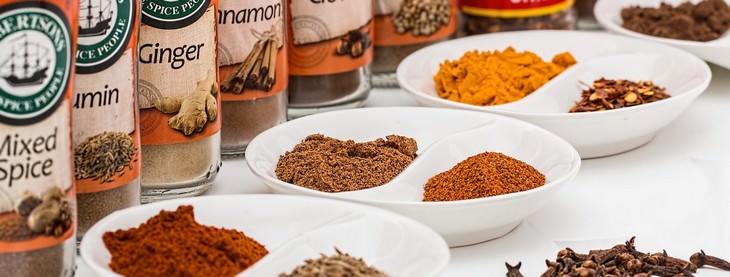
2. Ginger Juice with Cumin
blood pressure, remedies
Mix a teaspoon of cumin powder with a honey and ginger juice mixture to create a blood pressure remedy. Add 1 teaspoon of fresh ginger juice to a teaspoon of honey and a teaspoon of cumin powder and mix well. Consume twice a day to lower your blood pressure.  

3. Garlic

 
Garlic is a very common home remedy that reduces the cholesterol levels in our body, one of the main causes of high blood pressure. Garlic contains hydrogen sulfide, a compound that is essential to good blood flow. To effectively lower your blood pressure, eat 5-6 cloves of fresh garlic every day, on an empty stomach. You can also extract the juice of the garlic by crushing about 10 cloves of it. Add 5-6 drops of garlic juice to four teaspoons of water and drink twice a day. 

4. Watermelon seeds

Watermelon seeds contain a substance called cucurbitacin. This material helps widen the blood capillaries in your body and reduces hypertension levels. It also helps fight off arthritis and kidney diseases. 

Start by taking two tablespoons of dried seeds and crushing them gently. Then add them to a cup of boiling water. Leave in the cup for about an hour and slightly stir it so it mixes with the water all the way. Strain it and drink 4 tablespoons of this water every hour of the day for quick results. 

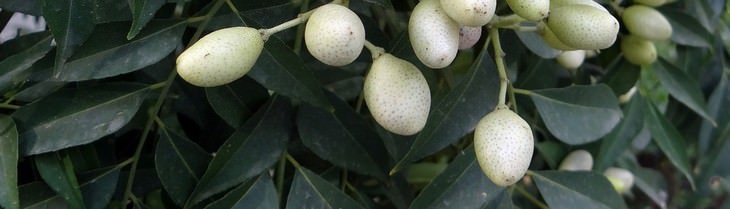
5. Curry Leaves
blood pressure, remedies

Curry leaves contain many medicinal properties and were found to be effective in treating high blood pressure. 

Boil 25-30 leaves in a cup of water. Let it simmer down to room temperature and strain away the leaves. Drink this concoction early in the morning on an empty stomach. 

6. Celery Leaves

A substance called 3-N-butylphthalide (try saying that 3 times fast) is found in high amounts in celery leaves and is a compound that can really help drastically lower your blood pressure, as well as reduce the stress hormones that cause the blood vessels to constrict in the first place. 

Add one or more stalks of celery (or celery leaves) and make a daily vegetable salad that will help you really reduce that blood pressure. When consuming the celery, drink a glass of water for better results. 

7. Onion Juice
A recent study has found that giving people who suffer from hypertension onion juice, reduced their condition considerably, compared to a placebo group. Researchers think a compound named quercetin may be responsible for this. Try to eat at least one raw onion a day. Extract the juice of the onion and add a teaspoon of it to a teaspoon of honey. Drink this twice a day, every day to lower your blood pressure. 

8. Fenugreek Seeds blood pressure, remedies
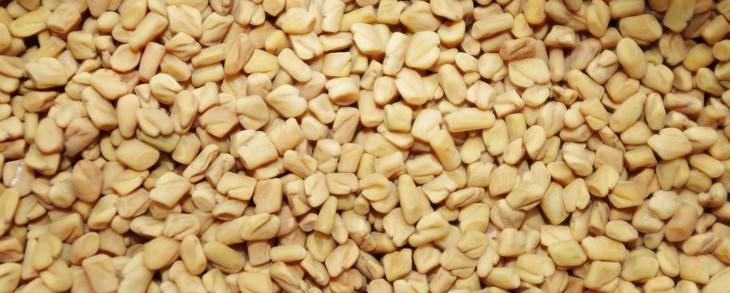
Make a paste out of fenugreek seeds that are said to be very useful in the battle against high blood pressure. Take 1-2 teaspoons of seeds and boil them in water for about 3-4 minutes. Strain the seeds and crush them (or use a blender) to make a smooth paste. Consume this amount twice every day: morning and evening, and always on an empty stomach. Your hypertension should begin to lower in 2-3 months time. 

Note: Please check with your doctor regarding the regular use of Fenugreek seeds, as over-consumption may cause problems with circulation and heart rhythm. 

9. Bananas
Bananas have zero cholesterol and are low in sodium. Try to eat at least 2 of them a day or add them to your meals. Other foods that are good for high blood pressure: orange juice, spinach, baked sweet potatoes, and raisins.


This is only for your information, kindly take the advice of your doctor for medicines, exercises and so on.   


Labels: , , , , , , , , , , , , ,

Tuesday, November 18, 2025

Banish Hair Loss with this Complete Natural Guide

Most people will get a bald spot at some point in life, and a pattern of baldness will start appearing. Many suffer from gradual thinning of the hair until they go bald. There are many reasons for heavier-than-usual hair loss and most of these can be effectively treated from within the home. 
 
Keep in mind that it is normal to lose some hair, and the average person loses about 100 hairs every day. But for those going bald, this is something that's very hard to live with, and so we're bringing you some easy home-made remedies that might encourage the growth of hair. 
 
If you're also having an issue with dandruff, read through these homemade dandruff remedies.
The most common causes of hair loss: 
• Rapid shedding of hair after childbirth 
• Hair loss after fever 
• Sudden weight loss •
 Some medications 
• Certain illness and infections
• Severe stress 
• Thyroid problems 
• Anemia 
• Age 
• Poor diet
Symptoms Of Hair Loss 
• Clumps of hair falling out 
• Loss of more than 100 hairs in a day 
• Thinning of the hairline 
 
After we understand the cause behind hair loss, it is time to treat it with some effective home remedies that will keep your scalp and follicles clean and encourage healthy growth. 
 
Home Remedies That'll Encourage Hair Growth:
1. Aloe Vera 
Aloe vera can be used to moisturize your scalp and will prevent it from getting dry and itchy, while balancing its pH levels. Apply pure aloe vera gel directly on the scalp and gently massage it with your fingers for about 10 minutes. Leave the gel on your scalp for a few hours and then wash with lukewarm water. Repeat this procedure twice a week for best results. 
 
2. Hot Oil Massage 
A very effective home remedy for hair growth, massaging the head and scalp with hot oil has several benefits: it can rejuvenate your hair follicles, improve the blood flow to the scalp, prevent dandruff and prevent hair loss. You can use either almond, olive, coconut, jojoba, rosemary or lavender oil - but remember to massage your scalp daily. The oil should be warm or lukewarm. Leave the oil in your hair for at least 30 minutes, then wash it off. For best results, leave the oil overnight and wash it in the morning.

3. Onion Juice  
You may not know this, but onion juice is one of the oldest remedies for encouraging hair growth. The sulfur in the onion juice promotes the creation of collagen proteins and aids in the growth of new hair. Chop a few red onions (or shallots) into small pieces. Then, squeeze the juice out of them. Apply the juice to your scalp for 15 minutes and then rinse off with a mild shampoo. Do this every other day for best results.    
 
4. Apple Cider Vinegar 
Is there anything this material can't do? Even when it comes to washing your scalp, vinegar will help keep it clean and healthy, and prevent infections (as well as dandruff). A clean and healthy scalp will definitely help hair grow faster. Shampoo your hair well, and then rinse it with diluted apple cider vinegar for healthy, shiny hair.
5. Egg 
 A simple egg can make for a good hair mask and egg will provide your hair with needed proteins. The egg also provides a few other essential nutrients the hair needs, such as iron, selenium, phosphorus, zinc, sulfur etc. Take a regular egg and add 1 teaspoon of olive oil and honey. Mix them well and apply the resulting paste onto your hair. Leave it like that for about 20 minutes and then rinse with cool water and shampoo. 
 
6. Green Tea 
As a powerful antioxidant, green tea can be used both as an external and internal solution. Drinking 3-4 cups of green tea a day will help your overall body health as well as promote regrowth of hair follicles. You can help this by applying some warm green tea to your scalp and leaving it there for about an hour. Then, rinse off the green tea with cool water, and your hair will become shiny and soft.

7. Oil of Vitamin E 
Oil enriched with vitamin E has powerful antioxidant properties and can remove the free radicals that damage our cells. In addition, it can purify the oxygen supply to the scalp and blood flow, which help in healthy hair growth. Take the oil and massage it gently into the scalp, leave in overnight and wash it with a mild shampoo when you get up. 
 
8. Henna 
Henna is a natural conditioner. Apply a bit to make your dry hair softer and smoother. Henna strengthens the root of the hair as well. Mix 2 tablespoons of henna powder with half a cup of yogurt, and let it sit for 2 hours. Apply the mix to your hair and leave it there for about 1 hour. Then, wash it off with cold water.

9. Coconut Milk Coconut milk is heavy in protein and happens to also contain large amounts of iron, potassium and various fats that are essential to the body. Using coconut milk on your scalp and hair will reduce your hair loss while strengthening your individual hairs. 
 
10. Banana and Honey 
Banana and honey make for a powerful mix that can perform as a conditioner and moisturizer for your hair. Mash one banana and add a tablespoon of honey to create a mixture. Apply this mix to your hair, leave it for 45 minutes and then wash it off.


This is only for your information, kindly take the advice of your doctor for medicines, exercises and so on.   


Labels: , , , , , , , , , , , , , ,

Friday, June 27, 2025

Quick hair growth tips- which are a must try

While genetics plays a significant role in the growth cycle, several lifestyle changes, diet modifications, and hair care practices can help stimulate and promote healthy hair growth.

Effective hair growth tips

Hair has always been an integral part of personal aesthetics and identity across cultures, especially in India, where thick, long and lustrous hair is often considered a symbol of beauty and health. However, despite the rich diversity in hair types, many individuals struggles with hair growth issues, such as thinning hair fall, or slow growth, while genetics plays a significant role in the growth cycle, several lifestyle changes, diet modifications, and hair care practices can help stimulate and promote healthy hair growth.

Let’s explore hair growth tips specifically for an Indian audience. The tips will cover various aspects such as diet, natural remedies and professional advice that can be useful for promoting healthy and enviable hair growth.

Understand your hair type

Before diving into tips and remedies, it is essential; to understand your hair type. In India, hair types vary from straight to wavy to curly and each type requires different care, knowing your hair type actually helps in choosing the right products, treatments, and techniques that suit your specific needs.

Hair types in India :

Straight hair: Typically, fine and prone to oil buildup.

Wavy hair: Can be a mix of straight and curly, sometimes frizzy.

Curly hair: Naturally dry and more prone to breakage.

Coily hair : Tightly coiled strands that can be drier and fragile.

Each of these hair types requires different approaches when it comes to moisturizing, de tangling and strengthening. Tailoring your hair care routine to your specific hair type can significantly improve its growth.

Maintain a nutrient-rich diet

Hair health is a reflection of your overall health and the food you consume plays a crucial role in your hair’s growth cycle. To promote healthy hair growth, ensure you’re consuming a balance diet rich in vitamins and minerals that are known to support hair health.

Key nutrients for hair growth

Protein: Hair is primarily made of a protein called keratin, so consuming protein-rich foods like eggs, lentils, pulses, fish and chicken is essential for stimulating hair growth.

Vitamin A: This vitamin supports healthy cell growth and sebum production, which keeps the scalp moisturized. Include foods like carrots, sweet potatoes, spinach and kale in your diet.

Biotin: Also known as Vitamin B7, biotin promotes hair strength and reduces hair fall.sources if biotin include almonds, walnuts, eggs and oats.

Vitamin C: Known for its antioxidant properties, Vitamin C helps to neutralize free radicals and protects hair follicles from damage. Include citrus fruits, amla/ Indian gooseberry, strawberries and guavas in your daily intake.

Zinc: Zinc is crucial for hair tissue growth and repair. It can be found in pumpkin seeds, lentils and chickpeas.

Iron: A deficiency in iron can lead to hair thinning or hair loss. Ensure you’re eating iron-rich foods like spinach, liver and pulses.

Omega-3 fatty acids: Found in foods like flaxseeds, chia seeds, walnuts and fatty fish, omega 3s help nourish hair and scalp.

A diet rich in these nutrients not only supports overall health but also strengthens hair follicles, which helps in promoting hair growth.

Stay hydrated

Drinking an adequate amount of water is vital for maintaining healthy hair. Dehydration can lead to dry and brittle hair, making it prone to breakage and stunted growth. Aim to drink at least 8-10 glasses of water daily to keep your hair hydrated from the inside out. Along with water, you can also drink fresh fruit and vegetable juices like cucumber juice, carrot juice and coconut water for additional hydration and nourishment.

Scalp care if key

A healthy scalp is the foundation for healthy hair. Regular scalp care ensures that your hair follicles are not clogged and are receiving adequate nourishment. Here are a few important scalp care tips:

Scalp massages

Regularly massaging your scalp improves blood circulation to the hair follicles, which helps in nutrient delivery and encourages hair growth. Use oils such as coconut oil, olive oil or castor oil to massage your scalp. Castor oil is particularly effective due to its high roconoleic acid content, which also helps increase circulation and promotes hair growth. You can also add essential oils like lavender or rosemary for additional benefits.

How to do it : Warm up some oil and gently massage it onto your scalp in circular motions for about 10-15 minutes. Leave the oil on for at least 30 minutes, or for overnight, for maximum benefits.

Exfoliation:

Exfoliating your scalp once a week can help remove dead skin cells and product buildup. This clears blocked hair follicles and encourages fresh hair growth. You can make a DIY scalp scrub by mixing sugar with coconut oil or use an exfoliating shampoo available in the market.

Anti-dandruff treatment

Dandruff is a common scalp issue in India due to the humid climate. Left untreated, dandruff can lead to hair fall and slow down the hair growth process. Use mild anti-dandruff shampoos or natural remedies such as applying a paste of neem leaves, aloe vera, or apple cider vinegar to your scalp to keep dandruff under control.

Follow a proper hair care routine

Having a consistent hair care routine is crucial for maintaining hair health and stimulating growth. Here are some important steps to follow:

Shampooing:

Shampoo your hair regularly, but not excessively, as over-washing can strip your hair of its natural oils. Aim to shampoo your hair 2-3 times a week. Choose a mild, sulfate-free shampoo that suits your hair type.

Conditioning

Always use a conditioner after shampooing to restore moisture to your hair. Focus on applying conditioner to the ends of your hair, as this is where hair tends to be drier.

Hair masks

Incorporate deep conditioning hair masks once a week. Natural ingredients like yogurt, hon, amla powder and fenugreek can be used to create nourishing hair masks. These masks help strengthen hair and provide the necessary nutrients for growth.

Amla and honey mask : Amla is rich in Vitamin C and honey acts as a humectant. Mix amla powder with honey and apply it to your hair for 20 minutes before washing.

Avoiding heat styling:

Excessive use of heat styling tools such as straighteners, curlers and blow dryers can cause damage to hair and hinder its growth. Try to limit the use of these tools or opt for lower heat settings. Always apply a heat protectant serum or spray before using any heat styling products.

Protecting hair from pollution:

In India, pollution is a significant concern, and environmental factors can weaken your hair, causing it to become dry and brittle. To protect your hair from pollution, wear a scarf or cap when stepping out. You can also apply a lightweight leave-in conditioner to shield your hair from dust and pollutants.

Try natural hair growth remedies

India has a rich tradition of using ingredients for promoting healthy hair. Many of these remedies are passed down through generations and have proven to be effective.

Aloe vera

Aloe vera is known for its cooling and soothing properties. It contains enzymes that promotes hair growth and also helps in reducing dandruff and scalp inflammation. Apply fresh aloe vera gel directly onto the scalp, leave it on for 30 minutes and rinse it off.

Fenugreek/ methi

Fenugreek seeds are rich in proteins and nicotinic acid, which helps in the regeneration of hair follicles. Soak fenugreek seeds overnight, grind them into a paste and apply it to your scalp. Leave it for 30 minutes before washing it off with lukewarm water.

Onion juice

Onion juice has high sulfur content, which is believed to improve blood circulation to the scalp, reduce hair fall and encourage hair growth. Apply fresh onion juice to the scalp, leave it on for 30 minutes, and wash it off with a milk shampoo to get rid of the strong odour.

Curry leaves

Curry leaves are rich in antioxidants and nutrients that can promote hair growth. You can make a paste by grinding fresh curry leaves and apply it to your scalp, or you can boil them in coconut oil and massage this oil into your scalp.

Manage stress

Stress is one of the leading causes of hair loss. In today’s fast-paced world, it’s common for people to experience stress, which in turn affects hair health. To manage stress, practice mindfulness techniques such as yoga, meditation and deep breathing. Regular physical exercise also helps reduce stress and improve blood circulation to the scalp, promoting hair growth.


This is only for your information, kindly take the advice of your doctor for medicines, exercises and so on.   


Labels: , , , , , , , , , , , , ,