Tuesday, February 23, 2021

Long COVID risk in kids: What are the symptoms you should look for?

Kids can suffer from long COVID too

Long COVID, also known as post COVID syndrome is a scary phenomenon that is the newest thing to worry about, after the diagnosis and the ever-growing list of symptoms associated with the viral disease.

Known to impact one third of COVID patients after recovery, the symptoms, very much like COVID-19 can leave many in lingering pain, confusion and at the risk of chronic health problems.

While medical experts are still studying to find the link, what’s even more puzzling is that kids, as young as 6 are falling prey to the many risks associated with long COVID.

For an illness that's not known to cause severe outcomes in children under the age of 16, the problem of long COVID will only make matters worse for kids, who also have to wait longer to get their hands on a vaccine.

readmore

What do we know about long COVID risk in kids?
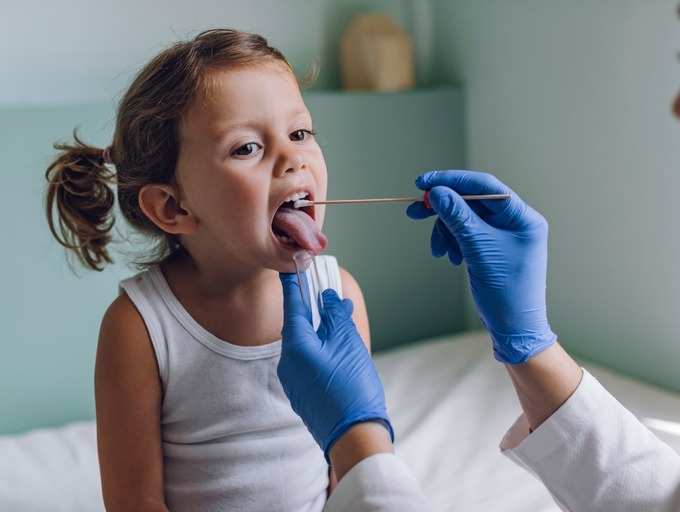
  

Long COVID is known as a host of symptoms that impact recovered COVID patients weeks, or even months after fighting the infection.

Mimicking the classic COVID symptoms, people can experience a host of symptoms like persisting cough, myalgia, recurring fever, breathlessness, delusion and in many cases, acute cardiac, respiratory and neurological manifestations.

For kids, the dangers can be much worse. Experts worry that since most kids are diagnosed as asymptomatic, and said to recover faster, parents and doctors can fail to miss out on symptoms of long COVID or lingering side-effects in kids.

What are the commonly seen symptoms?
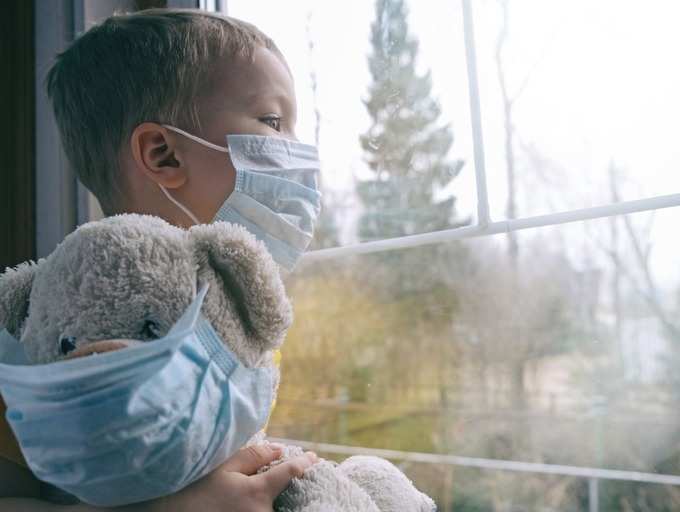
Researchers, analyzing the health of children affected by COVID-19 in the past months have observed the prevalence of a few signs and symptoms in kids, which might be linked to long COVID.

The findings of the study are available on a preprint server available on medRxiv, which took into account 129 children, diagnosed with COVID-19 (mild or severe) between the months of March 2020 to November 2020.

As per the study, most symptoms of post COVID syndrome were observed in kids who were symptomatic and had a brush with hospitalization.

While a lot still remains unknown, as to what causes these particular symptoms, these are the symptoms that were most commonly seen:

Insomnia and mental health problems
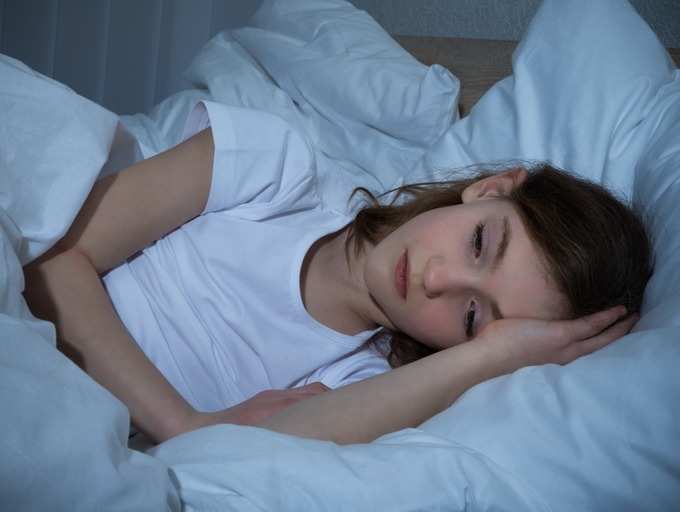
Perhaps the strangest sign observed in kids, pediatric patients suffering from COVID, as per studies also tend to have a higher risk for sleep disturbances and complications like insomnia.

Observed in a fifth of children suffering from COVID, insomnia is also a symptom that is seen in adults suffering from long COVID.

Chronic sleep disturbances and deprivation can also put children at the risk of developmental problems and health problems, if not taken care of in time.

Children may also be at risk of mental health problems, including mood swings and anxiety disorders. 

Respiratory difficulties
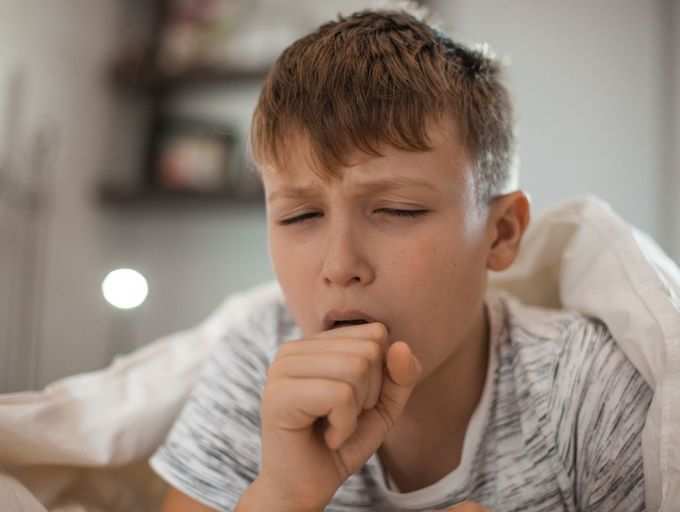
While kids are more prone to respiratory infections like cold, flu and allergies, post-COVID syndrome can also leave lingering respiratory problems for younger kids.

Nasal congestion, difficulty breathing, chest tightness, pain could be signs of common respiratory complications kids can suffer from after an arduous COVID-19 battle.

Complaints of heart pain can also be common in kids with COVID.

Some reports also suggest that kids may also have a higher risk for chronic illness after COVID, than the ones who did not have COVID. 

Tiredness, chronic pain

Tiredness, chronic pain and myalgia (muscle pain), likely a result of inflammation and attack on the muscle fibres can be just as common in kids, as it is for adults.

Myalgia and chronic fatigue are considered to be the toughest, and the most debilitating symptoms COVID patients have to battle and can zap out energy levels.

As many as 15% of kids as per studies complained of pain and exhaustion, weeks on after testing negative for the virus. A little less than 8% also report joint pain as a symptom.

Difficulty in concentration, confusion

Brain fog, confusion and symptoms which can impact cognitive functioning, may also drain kids and degrade the quality of life.

According to research-based findings, about 10% of kids reported to suffer from memory problems, felt tired more frequently and faced difficulty in concentrating.

Cognitive and neurological symptoms, which can be resultant of the viral load impacting vital nerves can be the hardest to deal with, and in the long-term, may also impact the quality of life. 

Risk of seizures and paralysis

Another study done in the UK tracking pediatric COVID patients has also established a startling link, the risk of crippling health problems like paralysis, seizures, acute headaches as well.

What does it mean for kids future?

The COVID-19 pandemic has already prolonged the reopening of schools and educational institutions.

Experts worry that the prevalence of long COVID risk in kids, and the staggering number of cases found globally so far may further delay the timely reopening of schools, which could also impact their mental health.

Chronic health conditions and symptoms of long COVID could also mean that they'll require long-term care, help to manage their symptoms.

If a vaccine doesn't reach kids soon, it will also mean that more and more kids, in millions will be at the risk of debilitating health problems, whether or not they have a severe COVID case.

This is only for your information, kindly take the advice of your doctor for medicines, exercises and so on.     

https://gscrochetdesigns.blogspot.com. one can see my crochet creations  
https://gseasyrecipes.blogspot.com. feel free to view for easy, simple and healthy recipes    
https://kneereplacement-stickclub.blogspot.com. for info on knee replacement


Labels: , , , , , , ,

Wednesday, January 29, 2020

Eating disorders linked to exercise addiction

 People with an eating disorder are nearly four times more likely to develop addiction to exercise, which may lead to mental health issues, and injury, according to a study.

The study, published in the journal Eating and Weight Disorders – Studies on Anorexia, Bulimia and Obesity, is the first to measure rates of exercise addiction in groups of people with and without the characteristics of an eating disorder.

An eating disorder is defined by abnormal eating habits that negatively affect a person’s physical or mental health.

They include binge eating disorder, where people eat a large amount in a short period of time.

The meta-analysis examined data from 2,140 participants across nine different studies, including from the UK, the US, Australia and Italy. It found that people displaying characteristics of an eating disorder are 3.7 times more likely to suffer from addiction to exercise than people displaying no indication of an eating disorder.

“It is known that those with eating disorders are more likely to display addictive personality and obsessive-compulsive behaviours,” said Mike Trott from the Anglia Ruskin University (ARU) in the UK.

“We are also aware that having an unhealthy relationship with food often means an increased amount of exercising, but this is the first time that a risk factor has been calculated,” said Trott.

The researchers noted it is not uncommon to want to improve our lifestyles by eating healthier and doing more exercise, particularly at the start of the year.

However, it is important to moderate this behaviour and not fall victim to ‘crash diets’ or anything that eliminates certain foods entirely, as these can easily lead to eating disorders, they said.

“Our study shows that displaying signs of an eating disorder significantly increases the chance of an unhealthy relationship with exercise, and this can have negative consequences, including mental health issues and injury,” Trott said.

Health professionals working with people with eating disorders should consider monitoring exercise levels as a priority, the researchers said.

It is because this group has been shown to suffer from serious medical conditions as a result of excessive exercise, such as fractures, increased rates of cardiovascular disease in younger patients, and increased overall mortality, they said.


This is only for your information, kindly take the advice of your doctor for medicines, exercises and so on.     
https://gscrochetdesigns.blogspot.com. one can see my crochet creations  
https://gseasyrecipes.blogspot.com. feel free to view for easy, simple and healthy recipes    
https://kneereplacement-stickclub.blogspot.com. for info on knee replacement
 

Labels: , , , , , , , , , , ,

Thursday, January 23, 2020

Bipolar disorder: Know the symptoms and treatment options

Bipolar disorder is a mental health condition where you go through mood changes. Sometimes, you may be on a high. This is followed by a period of low. It is also sometimes called manic depression. It is a pattern that is easy to recognize. But sometimes, it does not follow the normal pattern, and this can be confusing. Mild mania may not be noticed, and low periods can be confused with depression. Sometimes, substance abuse by a patient may also make it difficult for a doctor to make a diagnosis. In fact, according to many surveys by renowned organisations, a depression diagnosis may actually be a bipolar condition.

Symptoms of bipolar

This disorder may make an appearance when the patient is in his or her teens. This is a dangerous time and the effect is more severe than in adults. Teen suicide rates are often because of this disease. But, this condition is often overlooked in teenagers. As a result, tere is no diagnosis and therefore no treatment.

As a parent or caregiver, you need to be alert to any of the following symptoms. Understand that bipolar symptoms may be very different in teenagers. Plus additional issues like ADHD, anxiety disorders and substance abuse make things worse. Be alert to symptoms of uncharacteristic anger and aggression. On the other hand, be suspicious of acts of grandiosity and overconfidence too. Easy tearfulness, frequent sadness, impulsive behavior, moodiness, confusion and lack of focus are other symptoms to look out for. The patient may also exhibit sleeplessness.


Treatment options
This condition is incurable and a doctor will be able to reduce the severity of symptoms with the proper medications. A bipolar patient can lead a relatively normal and productive life if he or she undergoes the right treatment procedure. Most treatment procedures are a combination of medications and physical and psychological interventions. A doctor may also prescribe anti-convulsants and anti-psychotics to control the symptoms. It is only in severe cases that hospitalistion may be required. But this is often the last resort employed by doctors. In most cases, therapy and medication are enough to keep symptoms under control.


This is only for your information, kindly take the advice of your doctor for medicines, exercises and so on.     
https://gscrochetdesigns.blogspot.com. one can see my crochet creations  
https://gseasyrecipes.blogspot.com. feel free to view for easy, simple and healthy recipes    
https://kneereplacement-stickclub.blogspot.com. for info on knee replacement
 

Labels: , , , , , , , , ,

Thursday, July 11, 2019

Women who quit alcohol improve mental health ‘within four years’

LIFETIME non-drinkers are less likely to experience mental health problems, according to a study which also found that women benefit more than men from quitting alcohol. 

Researchers found that within four years of giving up alcohol, women had had experienced an improvement in their mental well-being that put them on a par with people who had always abstained. 

They said their findings “suggest caution in recommending that moderate drinking could improve health-related quality of life”. 

They add: “Instead, quitting drinking may be associated with a more favourable change in mental well-being, approaching the level of lifetime abstainers.

“This may be analogous to smoking cessation, which results in the recovery of health outcomes to the level of lifetime non-smokers.” 

Surge in Buckfast sales blamed on minimum pricing ‘trade-off’
 
The study, compared teetotalers with moderate consumers of alcohol in both US and Hong Kong populations. 

Moderate drinking was considered 14 drinks or fewer per week for men, and seven drinks or fewer per week for women. 

Heavy drinkers and binge drinkers were excluded from the study. 

It comes at a time when more adults in Scotland are giving up alcohol, and the overall intake of alcohol in 2018 was at a record low – coinciding with the introduction of Scotland’s minimum pricing law. 

Similarly, alcohol consumption among teenagers is at an all-time low. 

However, among adults in Scotland who do drink, the majority are still exceeding recommended guidelines – averaging 19 units per week, compared to the 14 unit maximum advised by Government. 

Alcohol sales in Scotland ‘lowest since records began’ as minimum pricing introduced
The sample size for the study was just under 41,500 participants – around 10,400 from Hong Kong and 31,000 from the US. 

Those who had never consumed alcohol scored the highest level of mental well-being at the start of the five-year analysis. 

For female drinkers, quitting was linked to a favourable change in mental health in both the Hong Kong and US populations. 

The authors state: “We found that lifetime alcohol abstainers reported the highest level of mental well-being. 

“Women who quit drinking were found to have a greater improvement in mental well-being than lifetime abstainers. This association was found in a Hong Kong cohort as well as in a US cohort. 

“On average, the mental well-being of female quitters approached the level of lifetime abstainers within a four-year period in both cohorts. 

“In contrast, initiation and persistent moderate drinking for four years were not associated with better mental or physical well-being.” 

Three bottles of wine ‘like 23 cigarettes’ by cancer risk
The results remained consistent even after the researchers adjusted for differences in socio-demographic characteristics, BMI, smoking status, self-reported diseases and physical activity.
However they added that it was unclear whether the change experienced by women actually has a physiological basis. 

They added: “The explanation for our findings and the underlying mechanism are not clear. It is possible that alcohol-related neurotoxicity reverses following abstinence. 

“Alcohol cessation may also reduce stressful life events, such as conflict within family, difficulties in employment and legal troubles, resulting in improved mental well-being. 

“It is also possible that improved mental well-being may result from the psychological benefits of ‘giving up’ per se rather than an effect of alcohol, as most Chinese women in Hong Kong use alcohol fewer than four times per month, which may not have a physiologic effect.” 

The findings will raise further questions over what is a safe and sensible amount to drink.
Another study last year said regularly drinking more than recommended limits is as bad for health as smoking. 

They estimated a 40-year-old drinking two pints or glasses of wine a day above guidelines can expect to die two years early and was associated with a higher risk of stroke, fatal aneurysm and heart failure. 

A brain scientist and co-author of the study, said: “Global alcohol consumption is expected to continue to increase unless effective strategies are employed. Our findings suggest caution in recommendations that moderate drinking could improve health-related quality of life. 

“Instead, quitting drinking may be associated with a more favourable change in mental well-being, approaching the level of lifetime abstainers.” 

Another person said: “We know that regularly drinking above the Chief Medical Officer’s low-risk guidelines can lead to mental health problems like anxiety and depression. Many people also use alcohol to relax and combat the feelings of stress, but the negative effects of alcohol are actually likely to make stress worse. 

“By cutting down on how much we drink we can reduce the risk of developing mental health problems as well as around 60 other diseases including liver disease, heart disease and alcohol-related cancers. 

“However, it can be difficult to always make the healthy choice when alcohol is available anytime, anywhere and we’re encouraged to drink in every social situation. Action on the price, availability and marketing of alcohol can help reduce consumption and protect health.” 

THIS IS ONLY FOR INFORMATION, ALWAYS CONSULT YOU PHYSICIAN BEFORE HAVING ANY PARTICULAR FOOD/ MEDICATION/EXERCISE/OTHER REMEDIES.                                    PS- THOSE INTERESTED IN RECIPES ARE FREE TO  VIEW MY BLOG-                                                                                           https://gseasyrecipes.blogspot.com/                                                                                                                                                FOR INFO ABOUT KNEE REPLACEMENT, YOU CAN VIEW MY BLOG-                                                  https:// kneereplacement-stickclub.blogspot.com/                                                                      FOR CROCHET DESIGNS                                                                                                                                                                                     https://gscrochetdesigns.blogspot.com

Labels: , , , , , , , , , ,

Friday, June 21, 2019

7 Things You Didn’t Know Children Inherit Only from Their Fathers

It is but natural for us to inherit features from our parents. But certain genes are more dominant than the others, which plays a crucial role about which parent we look like. 

Ever heard the phrase ‘you have your father’s eyes?’ Or ‘your son looks so much like you?’
Other than physical looks, there is a multitude of things that kids can gain from their paternal side. A father’s genes can determine what a child will inherit, from sure looks to diseases familiar to the family.

1. Heart Problems

All fathers carry a gene that can be passed on to their male children, which can increase their risk of a heart attack by a whopping 50%. This specific gene prevents the controlling of inflammation in the body, meaning that it’s much more common for arteries to clog and block blood flow to the heart.

A naturopathic doctor who specializes in guiding patients to a healthy lifestyle, performed a backup study, which discovered that men who carry the haplogroup I Y chromosome are fifty percent more likely to have heart disease, and therefore pass this disposition on to their sons.
This is in comparison to haplogroup R1b1b2 – those carrying this gene don’t have an increased risk of heart disease.

2. Height

With over 700 gene sequences at play to determine a child’s height, it might be easier just to say that both the man and woman have a part in how tall their kid will be. These gene variants can make a significant difference; it can affect height by an entire inch, which is primary when you consider how much that can add or subtract from your height.
Sometimes, a rare variant in the gene sequence can drastically affect the child, swaying them towards their father’s height rather than their mother’s or a mix of the too. In this way, the man may have a slight effect on their child’s height.

3. Mental Health Problems

It is common knowledge that mental health issues may run in the family, but if you have an older father than most, you may be more predisposed to have specific mental health complaints. Commonly, older men with schizophrenia or ADHD are more likely to pass their issue to their children, due to changes in their DNA as they age.

Older men are four times more likely, therefore, to pass on mental health problems, as their sperm will contain their new and mutated DNA, leading to the possibility of more complex issues.
Why don’t mothers’ DNA change with age? The answer is, they do. The difference is that women’s eggs are with them from birth, and therefore don’t change. While men’s sperm is produced all the time, a woman has limited eggs, and they don’t alter much.

However, older women are more likely to birth children with autism, and rare issues with genetics.

4. Dental Complaints

If a father has a lot of issues with his teeth, it’s highly likely that his children will suffer the same. Everything to do with the mouth is down to genetics, including jaw and teeth size and shape.
Women can also pass down their teeth and jaw issues. However, men’s genes tend to be more dominant when it comes to dental health due to the gene affecting it being more active. If your father needed braces or suffered from extra wisdom, you’re likely to as well.

5. 

Eye Color is a difficult one, since both the mother and father play roles in determining their child’s eye color. However, there are several indicators that the man may be more likely to decide the child’s eye shade.

It is much more common for children to have dark eyes since it is the dominant gene. For a child to have light eyes is less frequent because it’s a recessive gene, and it requires influence from both sides of the family.

However, a dominant dark-eyed gene will win over the recessive gene in most instances. This means that if the father has dark colored eyes, it’s likely their child will also. Of course, this could just as quickly be the influence of the mother, but they tend to have equal input in the eye color lottery.

6. Infertility

If a man is infertile, there are ways of getting around it. Men can take part in vitro fertilization to allow them to father a child, but if they do, they may still be making their sons more likely to be infertile.
In a study, it was found that men who had been conceived through IVF treatment had a lower sperm count than those who had been conceived naturally.
This suggests that the fathers are passing on the fertilization issues to their children. Though the results aren’t entirely conclusive, it does show that it’s likely a father’s fertility problems can be handed down.

7. Gender

The father always determines the sex of the baby. Since men are in possession of both an X and a Y chromosome – women only have X’s – it depends whether both the X and Y chromosome are passed on. Men’s sperm carries just an X or a Y chromosome at a time, meaning that the sex depends on the dominant sperm.
It’s also thought that a man’s family tree can be used to gather information on whether their child will be a boy or a girl. Though it is only a guess, the guess is based on fact and often exhibits a pattern in genetic history.
Though nothing further is yet known, researchers are looking into an unknown gene that could be influencing how many X and Y chromosomes a man has in his sperm, which could make a particular gender more likely in each family.
If you have any concerns about your child’s genetic future, it might be worth consulting with a genetic counselor. They can help you determine if your child might be at risk of anything serious. This action can be performed if you have concerns about a child already born, or if you’re planning a pregnancy.

THIS IS ONLY FOR INFORMATION, ALWAYS CONSULT YOU PHYSICIAN BEFORE HAVING ANY PARTICULAR FOOD/ MEDICATION/EXERCISE/OTHER REMEDIES.                                    PS- THOSE INTERESTED IN RECIPES ARE FREE TO  VIEW MY BLOG-                                                                                           https://gseasyrecipes.blogspot.com/                                                                                                                                                FOR INFO ABOUT KNEE REPLACEMENT, YOU CAN VIEW MY BLOG-                                                  https:// kneereplacement-stickclub.blogspot.com/                                                                      FOR CROCHET DESIGNS                                                                                                                                                                                     https://gscrochetdesigns.blogspot.com

Labels: , , , , , , , , ,