11 Foods to Alleviate Heartburn and Acid Reflux
Do you feel that burning pain in the
stomach or chest again? It could be heartburn, the primary symptom of
one of the most common digestive conditions in the world - acid reflux.
Unfortunately, every fifth adult in the US is suffering from this
condition, and it comes and goes through the years, usually getting
worse with age.
Since acid reflux has the annoying tendency
to stick around, those who get it should know how to deal with it. Diet
plays a huge role in preventing and speeding up recovery during an acid
reflux episode. In this post, we review 11 foods and drinks that will
help you keep heartburn and acid reflux at bay.
What is acid reflux?


Gastroesophageal Reflux Disease (GERD),
commonly known as acid reflux, is a health condition that occurs when
stomach acids spill out upwards into the esophagus, which is the pipe
that leads food from your throat to the stomach. Between the esophagus
and the stomach, there is a “valve” called the lower esophageal
sphincter, which tightens and relaxes to let food into the stomach but
prevents stomach acid from splashing out.
When this sphincter malfunctions, you get acid reflux. Unlike the
stomach, the esophagus doesn’t have the membrane protecting it from
stomach acid, and the lining of the esophagus becomes damaged, causing
burning pain in the chest and throat known as heartburn.
Even though GERD isn’t considered a life-threatening condition, it could
lead to complications and should be addressed by your doctor. Late
snacks and meals, alcohol as well as excessively acidic, fatty, or spicy
foods are known to aggravate GERD and should be avoided. Other foods
can help reduce the symptoms of acid reflux and speed up recovery.
What should you eat when you experience acid reflux?
1. Chamomile tea
When you’re dealing with heartburn and acid
reflux, it’s super important to stay hydrated because water can dilute
the stomach acid and reduce your symptoms. Herbal teas like chamomile
tea are an excellent option since they combine hydration with soothing
and antimicrobial properties.
Chamomile tea is made from dried chamomile flowers brewed in hot water,
and it has a long history of alleviating digestive issues like
indigestion, bloating, nausea, and ulcers in traditional medicine. This
herb has a soothing effect, so it will be able to bring relief to that
burning sensation you experience with acid reflux.
Chamomile tea has a pleasant, slightly sweet aroma and taste, and it can
be easily prepared by brewing 1 tablespoon of dried chamomile in 1 cup
(240 ml) of hot water for 10 minutes.
2. Oatmeal
Fried and fatty foods are a common trigger
for acid reflux and heartburn. When your symptoms are worse, it’s
advised to stay away from them, so fried eggs, melted cheese toast, and
even peanut butter and jelly sandwiches are off the table. What should
you have for breakfast, then? Oatmeal is definitely an option to
consider, and here’s why.
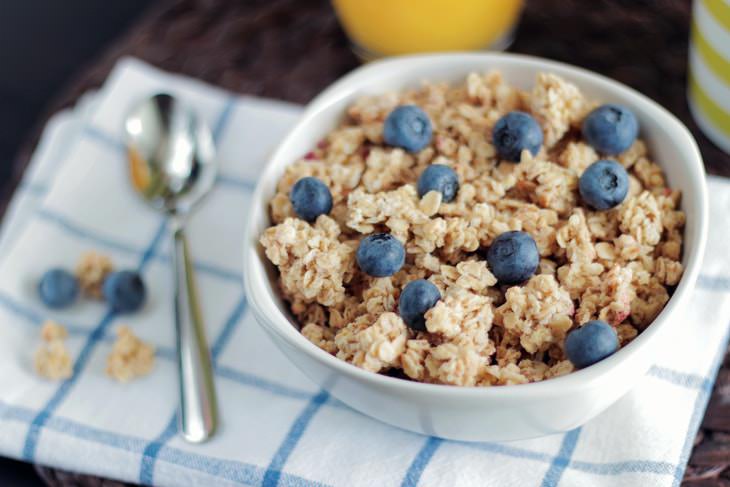
First and foremost, whole grains like oatmeal are easy to digest and
don’t increase the acidity in your stomach. In fact, oatmeal can help
absorb some of the stomach acids, so it may actually improve your
symptoms. Oatmeal is also high in fiber and keeps you full for a long
time, which will decrease your risk of heartburn by making you less
likely to overeat.
Just make sure to opt for less processed oatmeal varieties, such as oat
groats, steel-cut oats, or rolled oats; quick oats are much lower in
fiber and are a lot less beneficial for your health. Not a fan of
oatmeal? Other whole grains, like brown rice, quinoa, and even
whole-grain bread have similar properties and reduce your risk of acid
reflux as well.
3. Ginger tea
When it comes to an upset stomach, very few
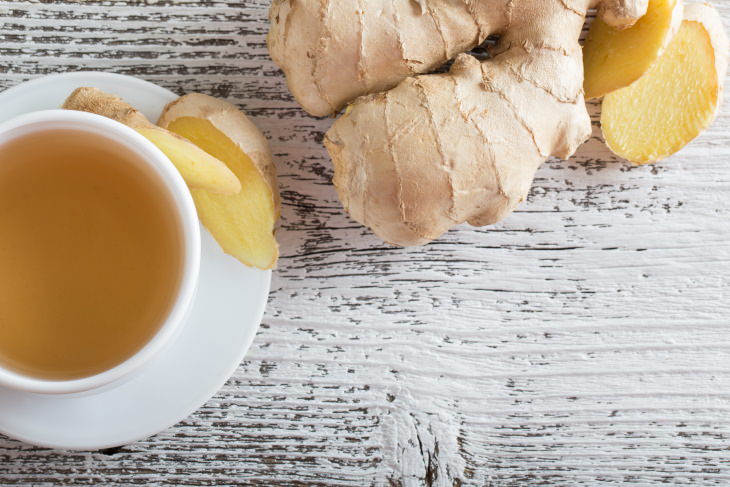
natural ingredients can beat ginger. Why is ginger beneficial for
heartburn specifically?
First and foremost, ginger is alkaline, so it will be able to lower
stomach acidity. Second, ginger has ample anti-inflammatory benefits, so
a few sips of ginger tea will help relieve irritation and inflammation
in the stomach and esophagus. Last but not least, ginger has the proven
benefit of reducing nausea, so if your stomach is feeling especially
vulnerable, brew some strong ginger tea.
If you’re using dried ginger, add ¼ - ½ teaspoon of the powder to
prepare 1 cup of ginger tea. Steep the hot water and ginger mixture for 5
minutes. If you’re working with fresh ginger, 1 tablespoon of the
finely-sliced root should be enough to make 1 cup of ginger tea, but
keep in mind that fresh ginger takes longer to brew - around 10 minutes.
Note that you shouldn’t add lemon to your tea if you’re experiencing
heartburn; lemon is very acidic and will exacerbate your symptoms.
4. Root vegetables 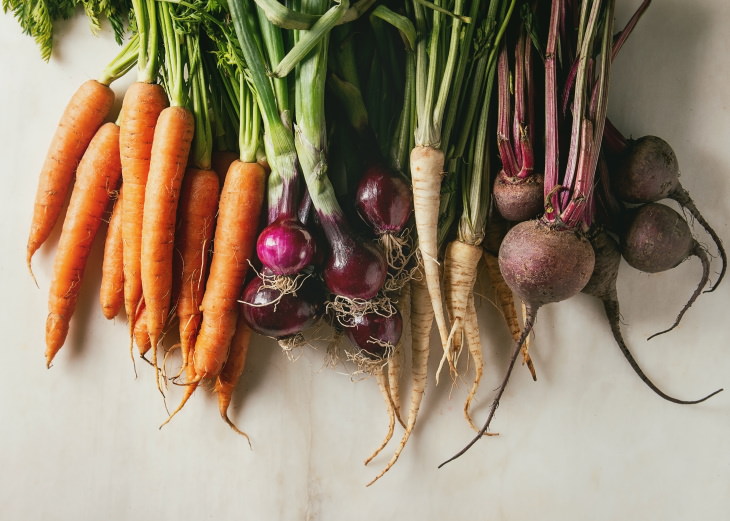
Fibrous veggies as a side dish are also great for reducing and
preventing heartburn and acid reflux. Root vegetables like potatoes,
carrots, sweet potatoes, beets, and parsnips are extra filling and full
of flavor, which will make your meal more satisfying and keep you from
overeating and adding too much fat to your foods.
Other high-fiber veggies to consider are asparagus, green beans, and
broccoli.
One last note regarding the preparation: avoid using too much oil when
cooking vegetables if you’re experiencing heartburn. Instead of french
fries or mashed potatoes with tons of heavy cream or butter, for
example, opt for oven-baked or boiled potatoes. Oven-baking a selection
of vegetables from the list above makes a delicious and healthy side
dish for practically any meal.
5. Aloe vera
Foods 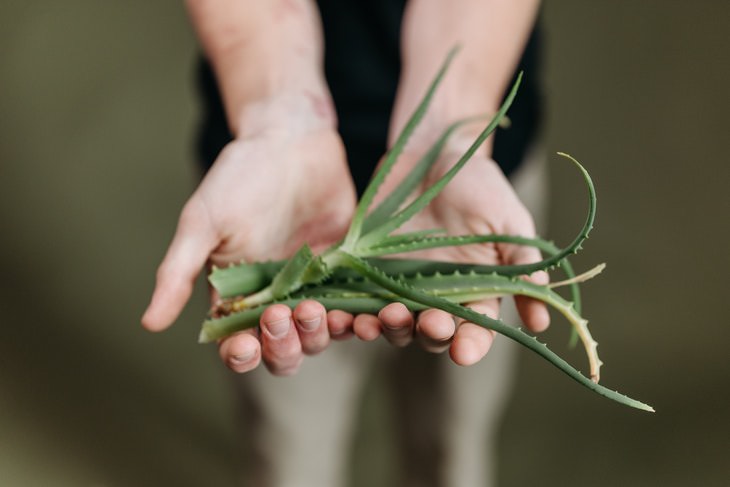
We don’t typically think of aloe vera as something you could take
internally. But chances are, you’ve applied an aloe leaf cut in half on a
burn and observed its instant calming effect on the skin. Believe it or
not, aloe vera juice has an identical soothing effect for heartburn
when you drink it.
Even though aloe vera juice is widely available in stores, you can also
prepare your own to instantly soothe symptoms of acid reflux if you have
an aloe vera plant at home. Here’s how:
1. Start by cutting off a few of the outer leaves of the plant (they’re
the oldest and have the highest concentration of antioxidants).
2. Peel the leaf, leaving only the gelatinous part.
3. Rinse the leaf to remove the bitterness.
4. Blend with 1 tablespoon of water or strain through a sieve or clean
cloth.
5. Dilute in the following proportions before drinking: 1 teaspoon of
aloe vera juice to 1 glass of water.
You can also add 1 teaspoon of the aloe vera juice to smoothies. Keep
the juice sealed and refrigerated for up to 3-4 days.
6. Lean meat and fish
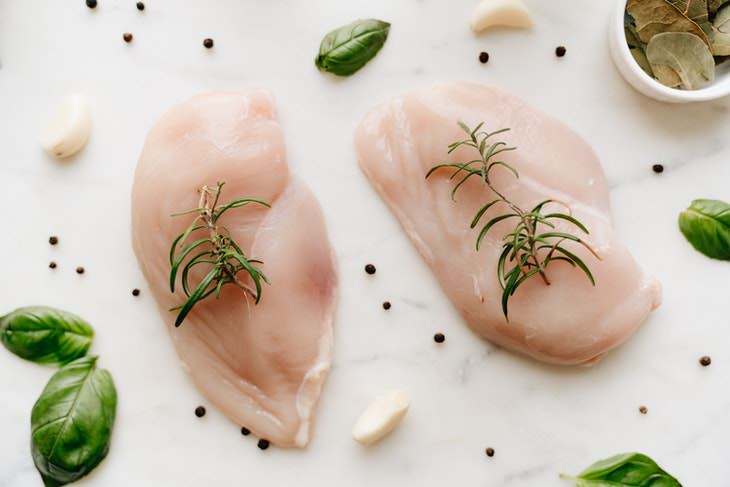
Do fatty foods like steak, meatballs,
hamburgers, bacon, sausage, or ham exacerbate your heartburn? This is a
common concern and one that can make it tough for people to consume
enough proteins when their acid reflux is flaring up. If that speaks to
you, consider switching to seafood and lean cuts of meat or poultry,
such as chicken breast, turkey without the skin, fish, or eggs at least
temporarily.
Keep in mind, however, that the method of preparation also counts.
Grilling, baking, and broiling are superior choices to frying or
pan-frying because they use much less cooking oil.
7. Salad greens
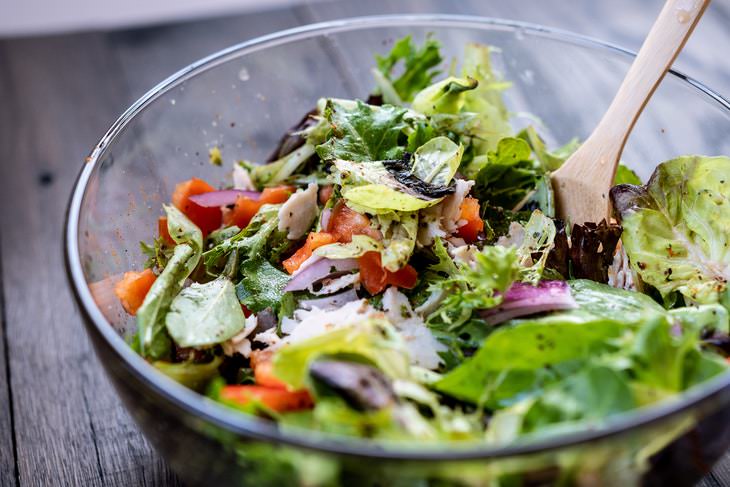
A fresh salad full of greens, celery,
asparagus, cucumbers, nuts, and avocados is a great way to keep acid
reflux symptoms at bay because it combines fiber, antioxidants, and
healthy fats, all in a neat package. A 2017 study showed that
participants who follow a plant-based diet loaded with such fresh
produce experience acid reflux much less than the rest of the
population.
Just skip the tomatoes, onions, garlic, lemon juice, vinegar, or
high-fat salad dressings, as all of these ingredients can make your
heartburn worse.
8. Fennel
Certain foods can neutralize stomach acids.
All foods fall somewhere on the pH scale, which is a scale of how
acidic or basic any substance is. The range comes from 0 (very acidic)
to 14 (very alkaline), with pure water being in the middle of the pH
scale at 7. On one hand, foods that are more on the acidic spectrum are
more likely to cause reflux. Alkaline foods, on the other hand, make the
stomach acidity go down, balancing the pH level in your stomach.
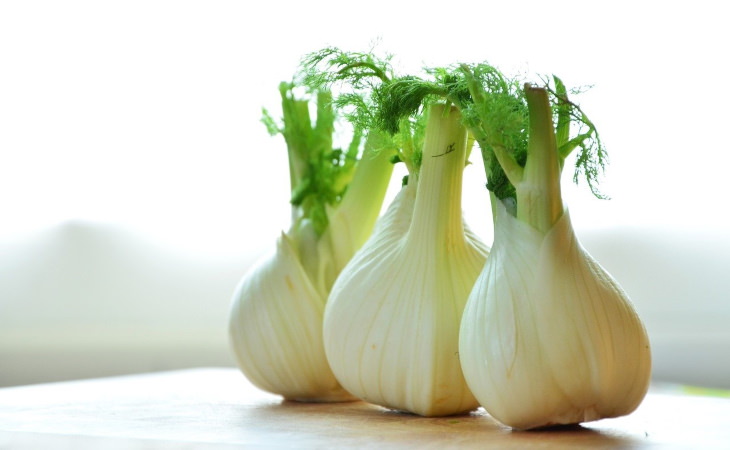
A great alkaline food you can throw in pretty much any savory dish is
fennel. If you’ve never tried fennel, it’s an aromatic and flavorful
vegetable that tastes a little like anise. You can just chop it up quite
finely and add it to salads, soups, or even meat dishes.
9. Bananas 
Speaking of alkaline foods, bananas are
also capable of neutralizing that stomach acidity. But that’s only part
of the reason why bananas are so good for acid reflux. These yummy
fruits are also very rich in pectic, a type of soluble fiber that coats
foods in your digestive system and makes it easier for them to move
through. Last but not least, bananas are quite filling, so they make a
great midday snack for those of you who suffer from heartburn.
Not a fan of bananas or fennel? Other options of alkaline foods are
almonds, cauliflower, and melons.
10. Low-fat dairy
Dairy can be a bit of a double-edged sword
for people suffering from heartburn. But if you know what to look out
for, dairy can be tremendously beneficial for alleviating symptoms of
acid reflux. As long as you eat low-fat dairy products only, milk, ice
cream, or even plain yogurt, you'll enjoy the wonders they can do for
your digestive system.
Dairy products coat the esophagus and protect it from the acid that
irritates it and causes heartburn. It’s important to go low-fat because
fatty products actually have the opposite effect, making it easier for
stomach acids to move up to the esophagus and cause that painful burning
sensation in your chest.
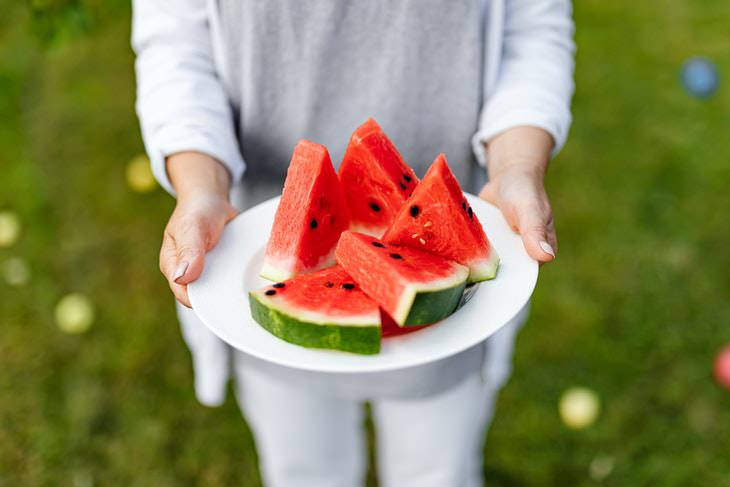
11. Watermelon
Water, herbal tea, and other beverages
aren’t the only way to increase your hydration and dilute the stomach
acid. Munching on foods that have a lot of water in them will also help
reduce stomach acidity. Watermelon is 91.45% water, for example.
Eating a few slices of watermelon is a great way to reduce heartburn,
especially if you chill it in the fridge beforehand, as this adds an
extra cooling effect. If you’re not a big fan of watermelons, know that
celery, cucumbers, or even some soup or broth are all great hydrating
alternatives.