Friday, March 18, 2022

Ways to improve bone health

Bone health should never be ignored

Bone health should never be ignored and no matter what your age is you are always at risk of poor bone health. Though bone weakens with age, it never costs too much to take care of the structural framework of the body from an early age.

Usually bone degrades after 40 years of age and after that the process of degeneration accelerates faster. Decreasing estrogen level, low physical activity, reduced calcium in diet, consumption of tobacco and smoking degrade bone mass.

Hormones also impact bone health. "Too much thyroid hormone can cause bone loss. In women, bone loss increases dramatically at menopause due to dropping estrogen levels. Prolonged absence of menstruation (amenorrhea) before menopause also increases the risk of osteoporosis. In men, low testosterone levels can cause a loss of bone mass," experts at MayoClinic say.

​How to improve bone health?

A good diet, putting the body through adequate physical activity, and regular checkups are few things to adopt in order to improve bone health. Apart from this there are several other ways one can follow to improve the overall condition of the bone.

Calcium, vitamin D

In order to keep the bone healthy and strong, make sure to take the daily recommended amount of calcium and vitamin D. The recommended amount is the amount which your body needs to absorb, anything above that is not absorbed by the body and goes wasted.

​Use natural sources

Apart from the supplements, make sure to include calcium in your diet from natural food. Foods like yogurt, soy, fatty fish and milk are rich in calcium.

For Vitamin D one can expose to sunlight as much as possible. Make sure to take a walk under the sun at least once a day.

Physical activity

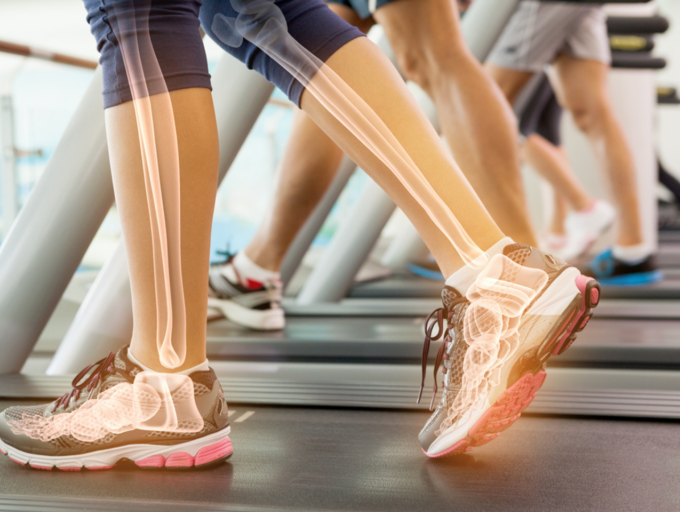
Do not ever stop from doing a physical activity. If you can, enroll yourself in a gym, if not then make the most out of your household chores. Several activities like lunges, sit ups can be done indoors. It is always advisable to contact the physician before planning for intense workout. Your physician can guide if you need to have an intense physical activity or take it slow depending on the bone condition.

​Say no to caffeine

Caffeine is detrimental to bone health. Dietary caffeine acutely increases urinary calcium loss, says a research study.

"Caffeine is a particular problem when a woman doesn’t get enough calcium each day to begin with," say experts and add that one loses about 6 mg of calcium for every 100 mg of caffeine consumed. "Coffee is a major caffeine source. For example, a 16-ounce cup of coffee can provide 320 milligrams. High-caffeine sodas can contain up to 80 milligrams per can or more. Although tea also contains caffeine, studies suggest it does not harm, and probably helps, bone density in older women, regardless of whether they add milk to the beverage. Researchers think that tea contains plant compounds that protect bone," a report says.

Avoid salt
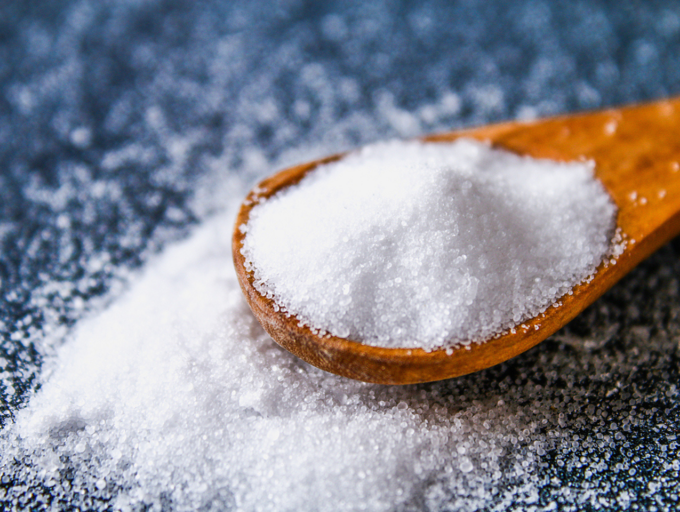
Too much consumption of salt weakens the bone and leads to osteoporosis, say experts. Experts have also linked hypertension with bone loss due to salt. "Salt is a major factor in controlling the amount of calcium in the urine and lost from the bones. Because calcium is important for bone strength, too much salt can lead to bone weakening and therefore osteoporosis. High blood pressure caused by a high salt diet can also increase the risk of osteoporosis by increasing the rate at which calcium is lost from the bones," says a report.

​Do not smoke

Smoking is known to cause loss in bone mass. Nicotine interferes with the regular bone regeneration process which when continues for a longer duration increases the risk of osteoporosis. Many experts have also linked smoking with increased chances of bone fractures. In addition to this, due to smoking and its adverse effect on bone health it becomes difficult for the bone to heal from an injury as well.

Limit alcohol consumption

Heavy alcohol consumption compromises with the health of the bone. Over consumption of alcohol, impairs the body's capacity to absorb calcium properly. "Alcohol interferes with the pancreas and its absorption of calcium and vitamin D. Alcohol also affects the liver, which is important for activating vitamin D which is also important for calcium absorption," says Primal Kaur, MD, an osteoporosis specialist at Temple University Health System in Philadelphia to a health journal.

 This is only for your information, kindly take the advice of your doctor for medicines, exercises and so on.   

https://gscrochetdesigns.blogspot.com. one can see my crochet creations  
https://gseasyrecipes.blogspot.com. feel free to view for easy, simple and healthy recipes    
https://kneereplacement-stickclub.blogspot.com. for info on knee replacement


Labels: , , , , , , , , ,

Monday, August 02, 2021

How to Reduce Blood Triglycerides - 8 Expert-Backed Tips

You probably heard the term ‘triglycerides’ before and are aware that high levels of triglycerides are not something you want to have. But what does all that mean? Triglycerides are a type of fat found in the blood. In fact, they are the most common body fat, as the body stores most of the fat consumed through food in the form of triglycerides. These compounds consist of three molecules of fatty acids combined with a molecule of glycerol, which is a type of glucose.

Since triglycerides circulate in the blood, their levels can be measured with a blood test. Triglycerides have an important role - they are one of the body's main sources of energy. After you eat, your body converts the calories that it doesn't need into triglycerides and stores them in your fat cells to be used for energy later. And while a steady energy supply is essential, having too many triglycerides in your blood can increase your risk of heart disease. About 25% of adults in the United States have elevated blood triglycerides. 
 
High levels of blood triglycerides can be caused by certain health conditions, genetics, medications, and lifestyle habits as well. A high-calorie diet regular alcohol use, for example, can increase your risk of high triglycerides levels. In the article below, we explore 8 practical ways through which you can naturally reduce your triglyceride levels. 
 
1. Learn to spot added sugar in food products
How o Lower Triglycerides Naturally sugar
The American Heart Association recommends consuming no more than 10% of your daily calories in added sugar. One study found that, in reality, the average American eats about 14-17% daily. 
 
Simple sugars have been proven to raise triglyceride levels. Minimize your intake of foods that have a lot of added sugar like soda, baked goods, most breakfast cereals, and flavored yogurts. If you want to make a habit of checking the labels of products for added sugar, there are a few terms you should look out for. Those include corn syrup, fruit juice concentrates, cane syrup, cane sugar, honey, molasses, raw sugar, and words ending in “-ose” (dextrose, fructose, glucose, lactose, maltose, sucrose). 
 
2. Add more fiber to your diet 
Fiber can keep extra fat and sugar from being absorbed in your small intestine, which can reduce the amount of triglycerides in your blood. When it comes to carbs, opt for high-fiber complex carbs like whole grains, beans, legumes, fruits, and veggies. 
 
Dietary fiber also helps you feel full, so you’re less likely to overeat or snack mindlessly, which would make you consume more calories and sugar than you need. According to one study, eating high-fiber cereal alongside a breakfast high in fat reduced the increase of triglyceride levels in participants after eating by 50%. T
 
3. Find a type of aerobic exercise that you enjoy
How o Lower Triglycerides Naturally man and woman jogging
Aerobic exercise can lower triglyceride levels by increasing the level of HDL (good) cholesterol in your blood. Research has shown that shorter, more intense workouts are more effective at lowering triglycerides than longer, moderate-intensity periods of exercise. 
 
Activities like walking, jogging, swimming, and bicycling will all get the job done. The most important thing is that you find an activity you truly enjoy and stick with. The American Heart Association recommends getting at least 30 minutes of aerobic exercise 5 days per week.
 
4. Eat fatty fish twice a week 
Make it a point to put fatty fish like salmon, tuna, sardines, herring, or mackerel on the menu twice a week. These fish varieties are well known for their high omega-3 fatty acid content, which you can only attain through your diet. Omega-3 fatty acids provide the basic ingredients for the synthesis of hormones that regulate blood clotting, the contraction and relaxation of artery walls, and levels of inflammation. They play a key role in lowering triglycerides too.

5. Establish a regular eating pattern
After you eat a meal, the cells in your pancreas send a signal to release insulin into the bloodstream. That insulin is then responsible for transporting sugar to your cells to be used for energy. If you have too much insulin in your blood, your body can become resistant to it, making it difficult for insulin to be used effectively. This can lead to a buildup of both sugar and triglycerides in the blood. 
 
One way to prevent insulin resistance is by having a regular meal pattern. When it comes to how frequently one should eat, evidence is split. Regardless of the number of meals you have in a day, eating regularly can improve insulin sensitivity and lower blood triglycerides levels. 
 
6. Limit alcohol intake
Alcoholic beverages are often high in sugar, carbs, and calories. Just as it is with food, if you take in more calories from alcohol than your body can use, all that is left will get stored as triglycerides. 
 
Research suggests that moderate alcohol consumption doesn't increase triglycerides, and it may even be linked to a reduced risk of heart disease. Excessive drinking, on the other hand, does the exact opposite. Excessive alcohol consumption is defined as more than two drinks per day for women or three for men. 
 
7. Eat healthy kinds of fats
How o Lower Triglycerides Naturally unsaturated fats
Not all fats are made equal. Fats that are tightly packed with no double bonds between the fatty acids are called saturated fats. Those are the type of fat that you want to avoid. Saturated fats can be found in foods like red meat, butter, and highly processed vegetable oils. 
 
Unsaturated fat, on the other hand, is loosely packed and can be divided into two kinds: monounsaturated fat and polyunsaturated fat. The first is found in foods like olive oil, nuts, and avocados. The latter is present in vegetable oils and fatty fish, as well walnuts, flaxseeds, and chia seeds. 
 
Studies have linked saturated fat intake with increased blood triglycerides while unsaturated fats were associated with lower triglycerides levels. To maximize the benefits of unsaturated fats, pick a heart-healthy fat like olive oil and use it to replace other, less healthy types of fat in your diet. 
 
8. Add soy to your diet 
Soy foods are rich in flavonoids, a type of plant compound that has a positive effect on cholesterol and triglycerides, as well as other health benefits. One analysis of 23 studies found that soy protein was associated with a 7.3% decline in triglycerides among the participants. Soy protein is found in foods like edamame, tofu, tempeh, and soy milk.

This is only for your information, kindly take the advice of your doctor for medicines, exercises and so on.   

https://gscrochetdesigns.blogspot.com. one can see my crochet creations  
https://gseasyrecipes.blogspot.com. feel free to view for easy, simple and healthy recipes    
https://kneereplacement-stickclub.blogspot.com. for info on knee replacement


Labels: , , , , , , , , , , , ,