Ways to improve bone health
Bone health should never be ignored

Bone health should never be ignored and no matter what your age is you are always at risk of poor bone health. Though bone weakens with age, it never costs too much to take care of the structural framework of the body from an early age.
Usually bone degrades after 40 years of age and after that the process of degeneration accelerates faster. Decreasing estrogen level, low physical activity, reduced calcium in diet, consumption of tobacco and smoking degrade bone mass.
Hormones also impact bone health. "Too much thyroid hormone can cause bone loss. In women, bone loss increases dramatically at menopause due to dropping estrogen levels. Prolonged absence of menstruation (amenorrhea) before menopause also increases the risk of osteoporosis. In men, low testosterone levels can cause a loss of bone mass," experts at MayoClinic say.
How to improve bone health?
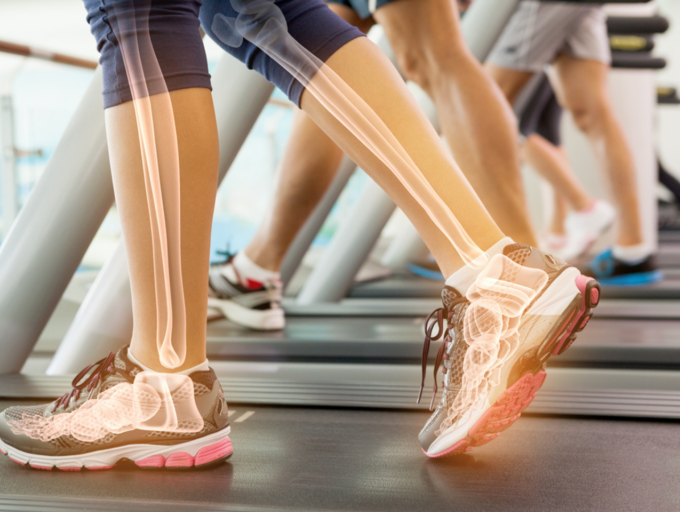
A good diet, putting the body through adequate physical activity, and regular checkups are few things to adopt in order to improve bone health. Apart from this there are several other ways one can follow to improve the overall condition of the bone.
Calcium, vitamin D

In order to keep the bone healthy and strong, make sure to take the daily recommended amount of calcium and vitamin D. The recommended amount is the amount which your body needs to absorb, anything above that is not absorbed by the body and goes wasted.
Use natural sources

Apart from the supplements, make sure to include calcium in your diet from natural food. Foods like yogurt, soy, fatty fish and milk are rich in calcium.
For Vitamin D one can expose to sunlight as much as possible. Make sure to take a walk under the sun at least once a day.
Physical activity

Do not ever stop from doing a physical activity. If you can, enroll yourself in a gym, if not then make the most out of your household chores. Several activities like lunges, sit ups can be done indoors. It is always advisable to contact the physician before planning for intense workout. Your physician can guide if you need to have an intense physical activity or take it slow depending on the bone condition.
Say no to caffeine

Caffeine is detrimental to bone health. Dietary caffeine acutely increases urinary calcium loss, says a research study.
"Caffeine is a particular problem when a woman doesn’t get enough calcium each day to begin with," say experts and add that one loses about 6 mg of calcium for every 100 mg of caffeine consumed. "Coffee is a major caffeine source. For example, a 16-ounce cup of coffee can provide 320 milligrams. High-caffeine sodas can contain up to 80 milligrams per can or more. Although tea also contains caffeine, studies suggest it does not harm, and probably helps, bone density in older women, regardless of whether they add milk to the beverage. Researchers think that tea contains plant compounds that protect bone," a report says.
Avoid salt
Too much consumption of salt weakens the bone and leads to osteoporosis, say experts. Experts have also linked hypertension with bone loss due to salt. "Salt is a major factor in controlling the amount of calcium in the urine and lost from the bones. Because calcium is important for bone strength, too much salt can lead to bone weakening and therefore osteoporosis. High blood pressure caused by a high salt diet can also increase the risk of osteoporosis by increasing the rate at which calcium is lost from the bones," says a report.
Do not smoke

Smoking is known to cause loss in bone mass. Nicotine interferes with the regular bone regeneration process which when continues for a longer duration increases the risk of osteoporosis. Many experts have also linked smoking with increased chances of bone fractures. In addition to this, due to smoking and its adverse effect on bone health it becomes difficult for the bone to heal from an injury as well.
Limit alcohol consumption

Heavy alcohol consumption compromises with the health of the bone. Over consumption of alcohol, impairs the body's capacity to absorb calcium properly. "Alcohol interferes with the pancreas and its absorption of calcium and vitamin D. Alcohol also affects the liver, which is important for activating vitamin D which is also important for calcium absorption," says Primal Kaur, MD, an osteoporosis specialist at Temple University Health System in Philadelphia to a health journal.