Friday, April 30, 2021

14 Fantastic Natural Sources of Healthy Fiber!

You've probably heard of fiber, but you may not know exactly what it is and why it is important to get your daily dose. 
 
Dietary fiber is best known for its ability to prevent or relieve constipation, but this naturally occurring nutrient has other health benefits as well, including lowering the risk of diabetes and heart disease and helping maintain a healthy weight. Fiber includes all the parts of plant foods that our body can't digest, which is it ironically helps get your digestion going. 
 
There are two kinds of fiber: soluble, the kind that dissolves in water, and insoluble fiber, the type that promotes the movement of material through the digestive system. Most plant-based foods contain both soluble and insoluble fiber, although not in equal amounts, which means it is best to eat a variety of foods rich in fiber. In general, above the age of 50, men should consume 30 grams and women 21 grams of fiber each day. 
 
Here are the foods that will help you the most with your fiber dose, and you probably eat some of them every day!

Apples  
 apple


One medium-sized apple contains about 17 percent of the daily recommended value for fiber intake, about 4.4 grams. Apples also have less than 100 calories and are probably already a staple snack in your diet. Make sure to leave on the skin when you eat the apple, because it contains all of the fiber.
 
Walnuts  
Only a handful of walnuts contains about 2 grams of fiber, 8 percent of your daily value, and has only 190 calories. Add walnuts to your morning yogurt or pack them as a healthy snack and you're good to go. Walnuts are also great additions to salad and deserts. 

Sweet Corn (Yellow)
A favorite snack of the summer months. Each 6-inch ear of corn has 1.5 grams of fiber in it, and a 12 ounce can has nearly twice that! Eat sweet corn just as it is, or add it to your favorite dishes to get enough fiber in your diet.
 
Oatmeal  
A great way to start off the day, oatmeal is high in fiber and so good for you! Not only does 1 cup of oatmeal contain 16 percent of your daily value and only 160 calories, oatmeal will also help lower cholesterol. You can eat oatmeal plain or add berries to up the fiber content even more! 
 
Lentils 
In a soup or as a side, lentils are one of the fiber-richest legumes. They are also great sources of protein, folate, vitamins and iron. Just a cup of lentils contains 63 percent of your daily amount of fiber. 

Artichokes 
Of course artichokes are good for you! One medium artichoke can provide you with nearly half of the daily recommended amount of fiber, along with a number of other nutrients. Artichokes are also very low in calories, with only 64 calories per medium-sized artichoke, so eat up!
 
Broccoli 
This deep green vegetable is super rich in fiber, with one cup providing over two grams of fiber and 9 percent of the daily value. However, it is important to know that when the broccoli is steamed or cooked, it loses a good deal of its nutritional value and becomes more of a carbohydrate than anything else. So try to consume as much raw broccoli as possible, either in salads or as a snack. 
 
Shredded Wheat Cereal 
Believe it or not, some breakfast cereals can be healthy! One cup of sugar-free shredded wheat cereal contains about 9 grams of fiber, 36 percent of your daily value. 
 

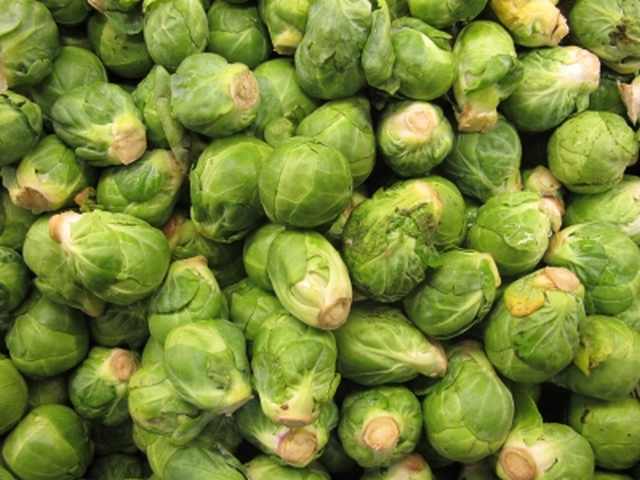
brussels sproutsBrussels Sprouts
If you're not a fan of Brussels sprouts its ok to refrain from this one, but if you do like them or are willing to try, they are an excellent source of fiber and other nutrients. One cup of cooked Brussels sprouts contains about a quarter of the daily recommended value of fiber and are low in calories, only 65 per serving. 


Bulgur Wheat 
The fiber-rich cousin of couscous, bulgur wheat is rich in both protein and fiber. One cup of cooked bulgur wheat contains 33 percent of the daily value of fiber, and can be eaten for breakfast, lunch and dinner depending what spices are added to it. 
 
Brown Rice 
Brown rice is rich in insoluble fiber, which can help relieve constipation and help keep you regular. Add it as a side dish to your daily serving of protein and you will take care of nearly 14 percent of your daily value with only one cup. 
 
Prunes 
Dry fruit is traditionally known as a quick source of fiber, but not the amounts you may have thought. About 6 dried prunes contain 3.6 grams of fiber, or 14 percent of the daily value, which is good, but not amazing. However, prunes are full of plenty of other nutrients that make them worthwhile for eating. 
 
Navy Beans  
When it comes to fiber-rich fruits and vegetables, navy beans steal the show. With 19.1 grams of fiber in one cup of cooked beans, you will take care of 76 percent of your fiber intake in a flash!
 
Raspberries
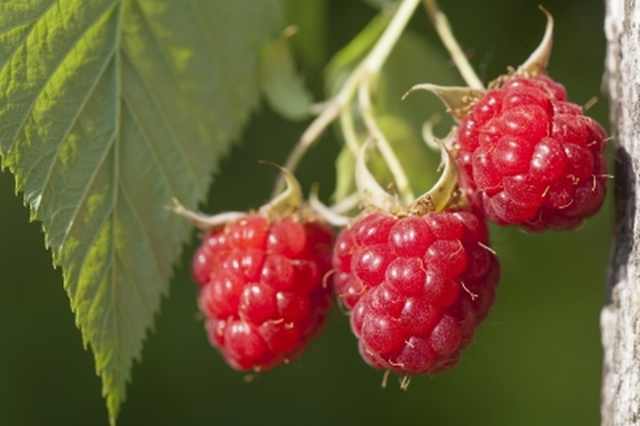
raspberries
Who doesn't love red and sweet raspberries? Well, the good news is that these berries taste great and are an excellent source of fiber. One cup of raspberries contains nearly 32 percent of your daily value and can be enjoyed at any time of the day as a sweet, nourishing, and low calorie treat! 
 
**REMEMBER – Drink enough water to get the most of your fiber intake!**


This is only for your information, kindly take the advice of your doctor for medicines, exercises and so on.     

https://gscrochetdesigns.blogspot.com. one can see my crochet creations  
https://gseasyrecipes.blogspot.com. feel free to view for easy, simple and healthy recipes    
https://kneereplacement-stickclub.blogspot.com. for info on knee replacement


Labels: , , , , , , , , , , , , , ,

Monday, September 09, 2019

15 Superfoods That Can Help Prevent Heart Attacks & Unclog Your Arteries

Let food be thy medicine and medicine be thy food! A healthy diet with adequate exercise does wonders for longevity and health.
Good nutrition can lower the risk of heart disease due to the nutrients and antioxidants that maintain optimal health and boost immunity. Heart-related issues like hypertension, obesity, diabetes, clogged arteries, and high cholesterol can be avoided by implementing healthy habits.
Whether you want to restore your health or simply stay on track to maintain a healthy heart, then incorporate these 15 superfoods to improve heart health and reduce inflammation and prevent cardiovascular disease.
Before you reach for pharmaceuticals to fix you, try stocking up on these superfoods for improved overall health.
1. Broccoli
When your mother told you to eat your greens, she wasn’t joking! Packed with vitamin K, broccoli offers a natural detoxification of plaque in your bloodstream. Broccoli contains healthy fiber which aids your body in reducing blood pressure and stress. This in turn, reduces the risk of tearing and plaque build-up in your arterial network.

2. Nuts
 
When it comes to these magnesium-rich grains, go nuts! Magnesium has been scientifically proven to decrease plaque build-up in your arteries and mediate your blood pressure. 
Walnuts are packed with omega-3 fatty acid, which is another agent in the fight against plaque build-up and bad cholesterol.
3. Whole Grains
The American Heart Association (AHA) recommends five to six servings of whole grains a day could reduce bad cholesterol and improve good cholesterol. Start substituting in brown rice for  white rice, whole-grain bread for white and whole wheat pasta.   By incorporating these alternatives into your diet, overall health and longevity are boosted as well as removing artery blockage.
4. Spinach
Homocysteine is an amino acid that builds up where a diet contains too much red meat and has clinically been proven to increase the risk of heart disease. However fret not, Popeye the Sailor has found the cure to your cardiovascular nightmare. Spinach is rich in potassium, fiber, and folate; one serving per day, over time, will prevent artery blockage and lower blood pressure.
5. Olive Oil
A staple amonga many households, yet mostly under the radar when it comes to solutions for bad cholesterol. Rich in antioxidants and monounsaturated oleic acid, olive oil is an essential cooking ingredient that delivers a healthy kick to the human circulatory system.

6. Turmeric

No matter the issue, turmeric is the solution. Comprised mainly of curcumin, turmeric is highly efficient in healing artery wall damage due to its powerful anti-inflammatory capabilities.
 Turmeric has been proven to prevent plaque build-up and lower homocysteine levels.
 

7. Avocado

Avocados, one of the most versatile fruits out there, can be used in a multitude of dishes. When consumed as part of your diet, you will be proving your body with many benefits. Avo improves overall health and works to reduce bad cholesterol as well as lowering blood pressure due to its high vitamin E content.

8. Fatty Fish

Eating fish twice a week helps reduce plaque build-up (according to the AHA). No surprise considering the saturation of omega-3 fatty acids as well as the healthy fats found in salmon, tuna, sardines, and mackerel. The healthy, fatty acids help reduce triglyceride levels as well as blood vessel inflammation.

9. Asparagus

Most nutritionists will agree that asparagus is one of the healthiest foods to cleanse your arteries of plaque build-up and high cholesterol. Asparagus prevents blood clots, boosts glutathione production in the body and prevents damaging oxidation. Asparagus can be used in a variety of dishes.

10. Watermelon

To find a natural boost for nitric oxide, this delicious fruit is a favorite option. Nitric oxide has been proven to lower blood pressure, decrease inflammation, and allow a more natural disposition for your arteries. Watermelon can also improve overall health, lower belly fat and lower risk of heart disease.

11.Garlic

As well as keeping Count Dracula and his pale emissaries away, garlic is notable for its plaque deterioration. It combats an enzyme known as angiotensin which constricts blood vessels. Garlic can be cooked in most homemade dishes, and those that choose to consume garlic are less likely to risk heart disease than those that don’t. 

12. Kale

Kale has recently gained popularity in the superfood realm due to its variety of health benefits. This dark leafy green serves as a combatant against plaque build-up. It does this because it is comprised of the compound, glucoraphanin, which activates the protective protein Nrf2. Nrf2 coats the arterial walls and thus reduces the risk of heart disease.

13. Oranges

This sweet, vitamin C gem contains soluble fibers such as pectin. Pectin serves as a sponge which absorbs the cholesterol from food, which is what you want if you’re looking to have a healthy,  efficient circulatory system. Oranges are also rich in potassium – another agent in the fight against high blood pressure.
 

14. Lentils

Also rich in potassium, lentils are another great source of protection against high blood pressure. Lentils however also contain magnesium and folate, two powerful substances that combat arterial blockage and are ultimately essential for good heart health.
 

15. Pomegranates

Multiple studies have yielded results that suggest pomegranates and their antioxidants not only slow down the build-up of plaque in the arteries but they reversed the process entirely. Science has shown this is because the oxidized cholesterol in the blood is broken down due to the enzyme that pomegranates produce.

this is only for your information, kindly take the advice of your doctor for medicines, exercises and so on.   
https://gscrochetdesigns.blogspot.com. one can see my crochet creations 
https://gseasyrecipes.blogspot.com. feel free to view for easy, simple and healthy recipes    
https://kneereplacement-stickclub.blogspot.com. for info on knee replacement
      

Labels: , , , , , , , , , , , , , , , , , ,