Herbs and Spices that Lower Blood Pressure
THIS IS ONLY FOR INFORMATION, ALWAYS CONSULT YOUR PHYSICIAN BEFORE
HAVING ANY PARTICULAR FOOD/ MEDICATION/EXERCISE/OTHER REMEDIES.
FOR CROCHET DESIGNS- http://My Crochet Creations.blogspot.com/
Garlic
A popular ingredient in many dishes, garlic is also one of the best plants for treating high blood pressure. It naturally lowers blood pressure and it's also beneficial for keeping a healthy heart, so don’t be afraid to add it to your food.
Hawthorn
FOR INFO ABOUT KNEE REPLACEMENT, YOU CAN VIEW MY BLOG
HTTP://KNEE REPLACEMENT-STICK CLUB.BLOGSPOT.COM/FOR CROCHET DESIGNS- http://My Crochet Creations.blogspot.com/
Garlic
A popular ingredient in many dishes, garlic is also one of the best plants for treating high blood pressure. It naturally lowers blood pressure and it's also beneficial for keeping a healthy heart, so don’t be afraid to add it to your food.
Hawthorn
|
This plant is rich in
flavonoids that help restore the cardiovascular system. Hawthorn has
been used to lower blood pressure for a very long time, and various
studies have found that it is highly effective when taken with medicine.
It can be taken as a supplement or as an infusion. |

|
|
Linden/Lime Blossoms Linden (Lime in the UK) blossoms are a supplement made out of dried Tilia tree flowers. These flowers’ benefits include relief of common cold symptoms, stomach aches, and lowering high blood pressure. To effectively lower your blood pressure, drink 1-2 cups of linden blossom infusion on a daily basis. |
 |
 |
|
Saffron Although Saffron is a rare and expensive spice, it’s an excellent choice for lowering blood pressure. Studies have found that regular consumption of saffron helps normalize blood pressure significantly. |

|
|
Ginger Ginger is a popular ingredient in many dishes around the world, and studies have found it to be very effective in lowering high blood pressure. For the best results, add fresh ginger to your food, or as an infusion. |
 |
|
Cayenne Pepper The common ingredient in hot peppers is capsaicin, and aside from making food hot, it is also effective at long-term lowering of the blood pressure, so you don’t have to have it every day. If you love the spiciness, consider adding it to your dishes once or twice a week. |

|
|
Ginkgo Biloba This herb grows on the mountains of China and has been used there to improve blood circulation for many generations. What ginkgo does is that it expands the arterial walls, which has also been shown to aid in improving memory and alertness. |

|
|
Turmeric This yellow spice is known as a powerful anti-inflammatory, it's effective at lowering cholesterol levels, and it reduces the likeliness of blood clots. It has been found to be very effective in lowering blood pressure, particularly in people who suffer from autoimmune diseases. Go ahead and add this terrific spice to your dishes regularly. |

|
|
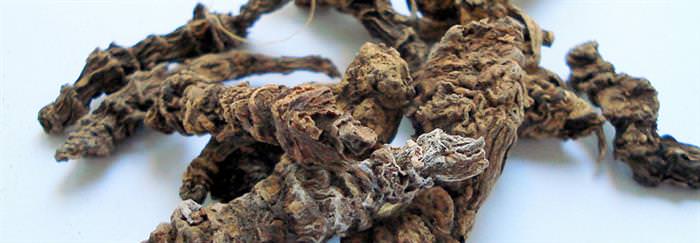
Valerian Valerian grows year-round across Europe and Asia. It is known for its ability to relax the muscles that surround the blood vessels and improve blood circulation throughout the body. Valerian is usually available as a supplement or in root form for infusions. Please note that it is NOT recommended for pregnant or breastfeeding women. |
|
|
Yarrow This European plant is internationally known for its muscle-relaxing and spasm-relieving properties. It causes the body to sweat and is considered to be effective in reducing blood pressure. |

|
|
Olive Leaves The leaves of the olive tree can be used both fresh and dried (for an infusion or as an essential oil), to strengthen and bolster the heart and blood vessels. The active ingredient in the leaves is oleuropein – an elenolic acid that protects the heart. Additionally, the leaves contain flavonoids, which keep the old ticker working regularly by expanding your blood vessels. |

|
| These herbs and roots are a
great natural treatment for lowering your blood pressure, but before
using them as an alternative, please consult with your family doctor. Additionally, there are a few other plants that can help with your blood pressure: Terminalia Arjuna – Helps to regulate heart rate and blood pressure. Scutellaria – Used in traditional Chinese medicine to ease chi-blocks to the heart. Cinnamon – A daily consumption of 1-2 grams of cinnamon can lower high blood pressure in diabetics. Hydrocotyle Asiatica – A common plant around the world, it is also known to improve the blood cycle and strengthen the heart muscles. Can be used both fresh and dried. Lavender – A strong disinfectant with other benefits, such as invigorating and strengthening your body, as well as improvement of blood circulation. Nutmeg – Used in traditional Chinese medicine to improve blood circulation. |
| For a complete treatment, combine more vegetables and other foods rich in minerals and vitamins in your diet. Put an emphasis on Q10 coenzyme, vitamins B6, B12, C, and E. This will help you maintain a healthy blood pressure. |
Labels: cayenne pepper, Cinnamon, Garlic, Ginger, ginkgo biloba, hawthron flowers, herbs, linden/ lime blossoms, lowers blood pressure, olive leaves, Saffron, spices, Turmeric, valerian, yarrow
posted by G S Iyer at 1:32 PM
0 comments