Wednesday, October 13, 2021

What is the best time to get a flu shot? Who needs a flu vaccine and when?

Why is it beneficial to get a flu vaccine right now?
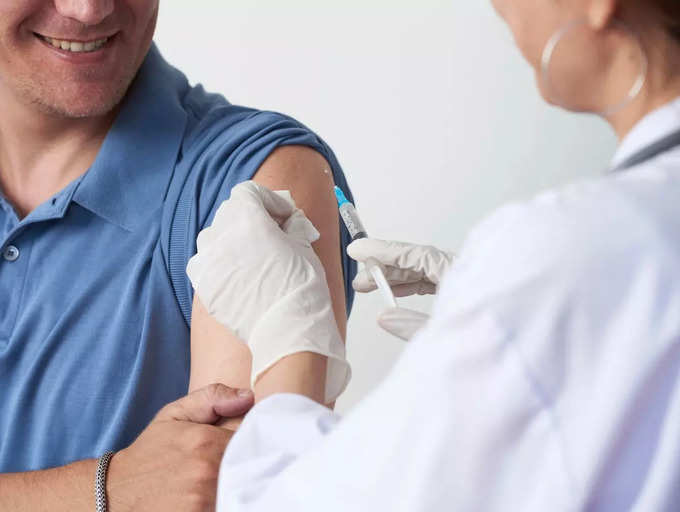
The 2021 flu season is causing a surge in cases, and seeing multiple accounts of hospitalization as well. For an infection which is often taken to be a form of a routine illness, it is being considered to be a ‘worse form of a cold’ that doesn’t relieve easily. At the same time, while severe infection cases are being observed, there’s also been a lot of stress on the importance of flu vaccination, which, much like COVID-19, can protect one from severity and infection risk.

Is COVID-19 making flu season worse?
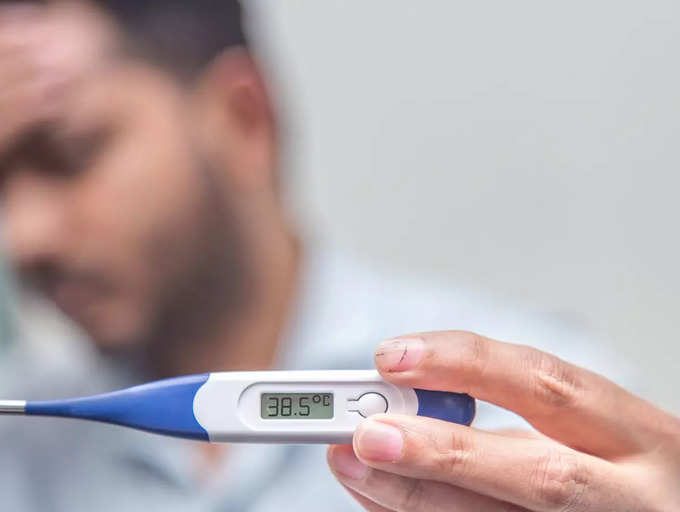
Granted that we have been facing the upsurge of a graver virus for almost two years, there are many who believe that added preventive hygiene measures, and a waning exposure level to respiratory viruses, including influenza are contributing to a severe flu season this year. Not only are we not habitual to getting the flu, later diagnosis and prolonged symptoms are making a case of flu just as relatively serious as that of COVID-19 risk right now.

Having said that, considering the rise in cases and change in season, getting the flu vaccine right now is a beneficial choice. Scientists usually develop the annual influenza vaccines based on the composition of the flu strains that circulated the year before. The vaccines also get routinely upgraded and changed, to offer higher protection odds. Hence, noting the timing, and the type of vaccine you get are factors which should be considered , if you are to get vaccinated right now.

Why does timing matter, when it comes to the flu vaccination?
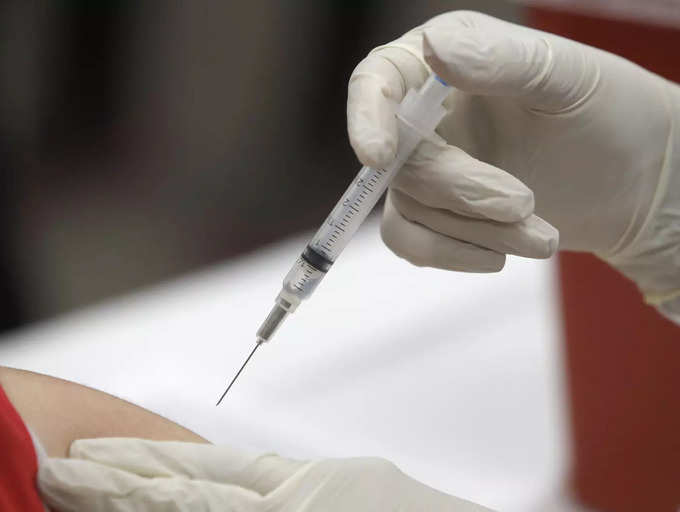
Flu virus is a pathogen which keeps on mutating often. Unlike other vaccines, the flu vaccine has been known to grant favourable immune protection for a limited time, (6-7 months). Hence, getting a version of the vaccine which offers protection against the new variants, and does not cause an immunity dip is essential to minimize chances of infection.

Getting a vaccine dose, in times like this, even if you have had contracted the flu before helps limit the odds of contracting the infection, differentiate easily between COVID and flu and prevent risk of hospitalization as well. 

When would it be the best time to get the shot?
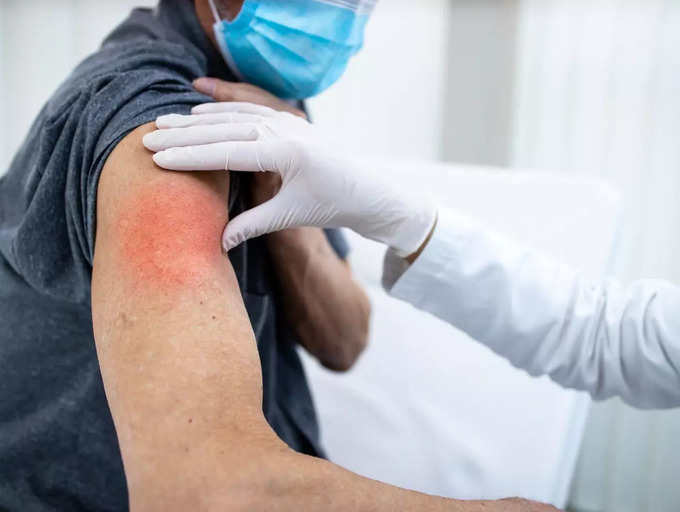
September-October are usually the months when the flu season gets worse, many tend to consider these months to be the best time to get a flu shot.

Since it's also speculated that if a third wave is to come up, there are higher chances of COVID and the flu circulating at the same time and causing infection, getting both the vaccines at the appropriate time will help individuals stay vigilant, and avoid additional risks of coinfection too.

However, since flu can also routinely strike through other parts of the year, a vaccine can be taken earlier too, but it would nonetheless be most effective if taken during the peak season.

Hence, if you do plan to get inoculated, wisest would be to get the flu jab by the end of October. 

How long does it take to build sufficient immunity?

Much like the COVID-19 vaccine, the flu vaccine too takes about two weeks time post vaccination to dole out protective antibodies, which then stays on for about six months before starting to wane.

Who requires prioritized care and why?

While it's imperative that everyone get vaccinated at a wise time, flu, like COVID-19 can be a lurking threat for some specific age groups, including kids and seniors. Since senior age groups, with immunocompromising issues, and pre-existing health problems can be prone to serious illness and hospitalization, these people may need more prioritized care.

Kids may also currently benefit from getting timely flu shots, since they do not have access to COVID shots right now. Protection against the flu will help them avoid infection, and easily differentiate between symptoms as well.


Labels: , ,

Tuesday, February 25, 2020

Four Vaccinations You Need After 50

Children need a host of vaccinations, which usually get done. But once we pass a certain age, we tend to forget and skip the needle entirely. But, according to the Centers for Disease Control and Prevention (CDC) recommends that adults aged 50 and up get four separate vaccines to protect against illnesses that hit older people particularly hard. While most people already plan on getting their annual flu shot, most older people skip the others, putting them at a greater risk for everything from tetanus to pneumonia.   

According to Ada Stewart, M.D., a family physician in Columbia, S.C., and member of the board of directors of the American Academy of Family Physicians, “As we get older, our immune system isn’t as well-functioning.” Therefore, this increases the danger that you'll contract a variety of ailments, but can also raise the risk for people you are in contact with too.

It is therefore essential that you are up to date on these shots. With the exception of the shingles vaccine, they are typically fully covered by most insurance plans, with no copay or coinsurance due. So be sure to check with your insurance provider for specific coverage details.

Below is a list of four vaccines any adult over 50 needs:

1. Protect yourself against shingles

Ask for: Shingrix, an approved vaccine by the Food and Drug Administration. It is more than 90% effective against shingles and its side effects, according to the CDC.

For: Anyone 50 or older.

Why you need it: Shingles is a painful rash with blisters caused by the same virus that causes chickenpox. As you age, your risk for developing shingles increases, and if you've had chickenpox. In addition, after having shingles, some people experience long-lasting and sometimes severe pain, known as postherpetic neuralgia (PHN), which can persist for months, or possible, years.

What’s involved: Two doses, two to six months apart.

What else you need to know: The CDC recommends you get Shingrix even if you previously got Zostavax, an older shingles immunization. Ditto if you already had shingles or are not sure if you had chickenpox.

2. Ward off pneumonia and related diseases
Ask for: Prevnar 13 (PCV13) and Pneumovax (PPSV23). They are two separate vaccines which when combined, provide greater protection against the pneumococcal bacteria that cause pneumonia, meningitis and bloodstream infections than if you had to take the shot alone.

For: Anyone 65 or older. You are also a candidate for the vaccine (no matter what your age) if you have chronic liver, heart or kidney disease, HIV, diabetes or alcoholism, or if you have cochlear implants, or have had your spleen removed.

Why you need it: Older adults are more likely to come down with pneumonia and related illnesses. Once you do get it, you become more prone to develop complications which can lead to serious health problems, hospitalization and also death.

What’s involved: Two shots, taken a year apart.
vaccinations over 50

3. Boost your immunity to tetanus, diphtheria, and pertussis

Ask for: The Tdap vaccine or a Td booster shot.

For: You need the Tdap-booster shot for the childhood DTaP vaccine if you never got the vaccine as a teenager. This is especially true if you have contact with infants or young children. If you got a Tdap over 10 years ago, then you need a booster shot for tetanus and diphtheria only (Td).

What’s involved: A one-time shot for Tdap, and a Td booster every 10 years.

Why you need it: For people over 50, this shot is vital as it can guard against spreading the disease to a baby, such as a grandchild. Infants under six months of age are at greater risk of complications from pertussis, also known as whooping cough. This can be life-threatening.

What else you need to know: You should wait at least two weeks before you have any contact with infants.

4. Get a better flu shot

Ask for: Any of the following vaccines will provide extra protection against the flu, these include: Fluzone High-Dose, which contains four times the amount of antigen (a substance that prompts your body to make antibodies against the disease) as a regular flu shot; or FLUAD, which helps create a stronger immune response; and quadrivalent vaccines, which protect against four strains of flu, as opposed to the usual three.

For: Everyone older than six months should get the annual flu shot, and people over 65 should get one of the stronger vaccines.

What’s involved: One shot per year which the CDC recommends you get by the end of October. Studies show the protection starts to wear off in four to six months, especially in older adults. Which means that if you get the shot too early, it may lose its effectiveness once the flu season hits its peak.

Why you need it: As you get older, your chances of coming down with the flu are greater, and, if you fo get it you are likely to get sicker. People aged 65 and older account for 60% of flu-related hospitalizations.

What else you need to know: While it varies from year to year, the regular flu shot is only 40% to 60% effective. New, stronger varieties also don't guarantee you won't get sick. Nevertheless, some protection is better than none. 

This is only for your information, kindly take the advice of your doctor for medicines, exercises and so on.     

https://gscrochetdesigns.blogspot.com. one can see my crochet creations  
https://gseasyrecipes.blogspot.com. feel free to view for easy, simple and healthy recipes    
https://kneereplacement-stickclub.blogspot.com. for info on knee replacement
 

Labels: , , , , , , ,

Wednesday, November 27, 2019

Vaccination can prevent adult pneumonia

As per the last Global Burden of Disease estimates, 2.6 million people lost their lives to pneumonia in 2017. While concerted efforts are being made towards reducing the deaths among children, many countries, including India, are struggling with increasing incidence of deaths among adults due to pneumonia. Pneumonia is a leading infectious disease killer and while a lot of light has been shed on pneumonia among children under the age of five, the focus and awareness remains limited about pneumonia in adults. 

Pneumonia, is essentially a lung infection which leads to the inflammation of the lungs air sacs. It can be caused by viruses, bacteria or fungi; the air sacs present in the lungs are filled with either pus or fluids leading to their inflammation. Pneumonia can affect both children & adults yet more often than not adults fail to recognise the symptoms of pneumonia as it can easily be mistaken for a flu. 


The symptoms of pneumonia can sometimes be so mild that one can barely notice them and sometimes they can be so severe that one might need hospitalisation. Some of the common symptoms of pneumonia are cough (with greenish, yellowish or bloody mucus), fever, sweating, shaking skills, shallow breathing, chest pain, loss of appetite and confusion among the elderly. India has the highest mortality and morbidity due to Invasive Pneumococcal Disease (IPD) among adults aged more than 50 years. It then becomes important for adults to be aware of the symptoms so that they can detect it early on and take necessary actions. 

Once diagnosed, it is recommended that the patients strictly adhere to the treatment plan suggested by the doctor for proper recovery. While managing the disease is essential, it is more important to bear in mind that pneumonia is preventable. Getting a pneumococcal vaccine is one of the most effective ways to reduce the risk of contracting pneumonia.

Vaccination protects an individual against pneumococcal bacteria and reduces the chances of contracting the disease. It has been associated with improved survival rates, minimal risk of respiratory failure and other severe complications and in case of adults hospitalized for community-acquired pneumonia, shorter in-patient stays. This type of vaccine is effective in preventing not only the invasive pneumococcal disease and but also other forms of pneumococcal disease, including presumptive pneumococcal pneumonia.


It is a fact that among adults, it is the elderly who are the most vulnerable. However, besides the elderly, there are other groups who are at high-risk of contracting this infectious disease. These are people with chronic conditions like diabetes and COPD, smokers and malnourished adults. The vaccination is highly recommended for individuals in these high-risk groups.

Pneumonia among adults is a huge health burden in the country. Vaccination of the adult population needs to be a key component of a healthy aging strategy, since there is already convincing evidence that this approach can have an important impact on morbidity, mortality and quality of life.

this is only for your information, kindly take the advice of your doctor for medicines, exercises and so on.     
https://gscrochetdesigns.blogspot.com. one can see my crochet creations  
https://gseasyrecipes.blogspot.com. feel free to view for easy, simple and healthy recipes    
https://kneereplacement-stickclub.blogspot.com. for info on knee replacement


Labels: , , , , , , , , , , , , ,