Tuesday, November 09, 2021

What does breast cancer in men look like? Signs and symptoms to watch out for

Breast cancer are prevalent in women, but men can be at risk too

While we're all aware of the breast cancer risks in women, we often neglect the possibilities of breast cancer in men. Although rare, men can also develop cancerous breasts. Clinical evidence suggests that less than 1% of all breast cancers occur in men. About 2,650 men are expected to be diagnosed with breast cancer, and an estimated 530 men are expected to die from it. So, even if the chances are slim, there is no way one should strike out the possibility and should make oneself aware of the signs and symptoms of male breast cancer.

readmore

Male breast cancer is most common in older men

According to the Centre for Disease Control and Prevention, "The risk for breast cancer increases with age." Most breast cancers are found after age 50, the health agency suggests. That said, regular breast screenings could be an efficient way to detect any signs of breast cancer risks in men.

Are there any symptoms to watch out for?
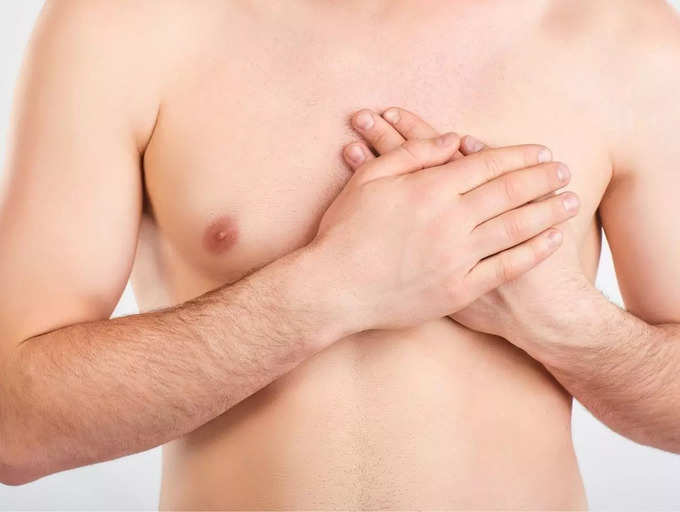
There are many signs of breast cancer in men. As per the American Cancer Society (ACS), below are some of the common symptoms of male breast cancer.

- A painless lump in one breast

- Nipple retraction, ulceration, and discharge

- Dimpling of breast

- Discoloration of the breast or nipple skin

While the above mentioned signs are the early warning signs of breast cancer, there are some signs that can tell that the cancer is spreading. Swelling in the lymph nodes, breast pain and bone pain can mean something more serious.

readmore

What type of breast cancers can be diagnosed in men and how?

The CDC suggests three types of breast cancer that can be detected and diagnosed in men.

- Invasive ductal carcinoma: This type of breast cancer starts in the ducts and then grows outside the ducts into other parts of the breast tissues.

- Invasive lobular carcinoma: The cancer cells begin in the lobules and then spread to the closely-knitted breast tissues.

- Ductal carcinoma in situ (DCIS): These may lead to invasive breast cancer, since they're only in the lining of the ducts, and have not spread to other breast tissues.

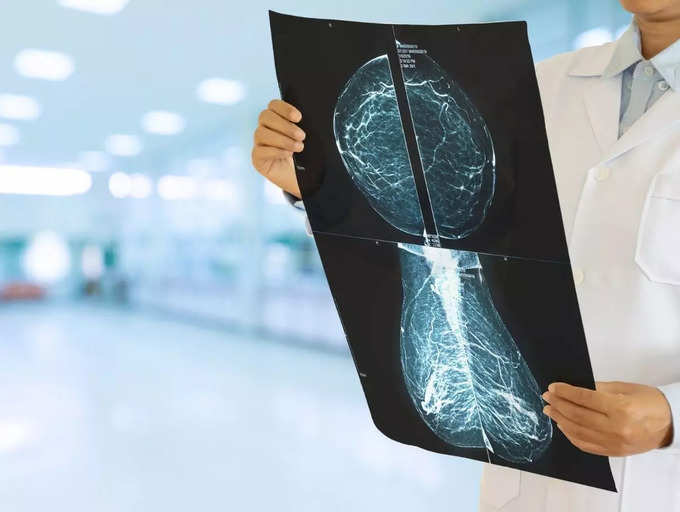
Breast cancers in men and women can be diagnosed with the help of mammogram, ultrasound, a nipple discharge test or a biopsy. Regular self-examination of the breast can also help with diagnosis.

readmore

Do genes play a role?

Breast cancer can also be an outcome of genetic mutations. A strong family history of breast cancer can increase a man's risk of developing the same condition. Men who inherit abnormal BRCA1 or BRCA2 genes may have an increased risk of male breast cancer. However, genetic mutations are not the only factor that could lead to breast cancer in men.

Treatment

Depending on the size of the tumour, the doctor is likely to suggest the treatments. Surgery, chemotherapy, radiation therapy, hormone therapy, and targeted therapy are some of available treatments for breast cancer.


Labels: , , , , , , , , , ,

Friday, October 18, 2019

Frequently asked questions about breast cancer in men - risk factors, symptoms, self-diagnosis and more

October is observed as the Breast Cancer Awareness Month, all around the world. Breast cancer is one of the leading causes of death among women and is also the most common type of cancer that affects women. However, we often associate breast cancer only with women. In fact, some people are not even aware that breast cancer can also affect men. The fact is that men do have a small amount of breast tissue in their body. 

It is important to know and be aware of breast cancer in men. A medical expert answers some frequently asked questions about breast cancer in men.

How is breast cancer in men different from that in women? What causes breast cancer in men? 
 
Breast cancer in men is a rare type of cancer that forms inside the breast tissue. While every individual is born with a small amount of breast tissue, women begin developing more breast tissue during puberty as compared to men. Therefore, the occurrence of breast cancer is higher in women. According to a study titled ‘Male Breast Cancer in India: Series from a Cancer Research Centre’ out of 1,752 cases of breast cancer in the country, between 2005 to 2014, only 18 cases were identified to be among men. 

Types of breast cancer in men include: 1) Ductal carcinoma: This cancer begins in the milk ducts. Majority of all male breast cancer is ductal carcinoma.  2) Lobular carcinoma: This type of cancer is rare because men have few lobules (a gland in the breast that makes milk) in their breast tissue.

Other rare types of breast cancer that can occur in men include Paget's disease (a type of cancer with skin changes involving the nipple of the breast) and inflammatory breast cancer (a rare and very aggressive disease in which cancer cells block lymph vessels in the skin of the breast)


What are the early warning signs of breast cancer in men that one should look out for? 
Breast cancer does not produce symptoms when the tumour is small and most treatable, making it difficult to detect.
The warning signs include a painless lump or thickening in the breast tissue, changes to the skin covering the breast such as dimpling, puckering, redness or scaling. It can also be identified through changes to the nipple such as redness, scaling, nipple discharge or a nipple that begins to turn inward.


How can you do a self-examination of breasts?
To perform a self-examination, stand in front of a mirror, placing your arms on your hips. Look closely at your chest area for noting any changes to your nipples such as swelling or inversion. Then, raise your arms above your head and inspect the areas around your chest and armpits. The next step is to feel your chest for any potential lumps, which can be done by moving your fingertips in a circular motion around the breast area. Additionally, the nipple area needs to be checked for any discharge.

Who is at risk of breast cancer?
The most common risk factor for male breast cancer is old age. It is most often diagnosed in men who are in their 60s. Other risk factors include:
  • Family history: Some men inherit abnormal genes from their parents that increase the risk of breast cancer
  • Liver disease: Certain conditions such as cirrhosis of the liver (late stage of scarring of the liver caused by many forms of liver diseases such as hepatitis and chronic alcoholism), can reduce male hormones and increase female hormones which can lead to increased risk of breast cancer
  • Exposure to estrogen: The risk tends to increase if one takes estrogen-related drugs such as those used for hormone replacement therapy for prostate cancer. High estrogen level can be a result of excess alcohol and tobacco consumption, inadequate physical activity and obesity.
How can breast cancer be diagnosed?
Apart from self-examination, mammogram, ultrasound and biopsy require identifying cancer cells in tissue specimens.
A mammogram is a process of using low-energy X-rays to examine the human breast for diagnosis and screening. Ultrasound is most often done to confirm if a lump found by a mammogram or physical exam is a cyst filled with fluid or a solid tumour. A biopsy is a test in which tissue or fluid from the suspicious area is extracted and examined under a microscope and further tested to check for the presence of breast cancer. 


What are the treatment options available?
Treatment depends on the stage of cancer, overall health and individual treatment preferences. It can be a combination of surgery, radiation and medical therapy. 

The aim of the surgery is to remove the tumour and surrounding breast tissue. Common surgical procedures include:


Mastectomy: This involves the removal of entire breast tissue, including the nipple and areola.
Sentinel lymph node biopsy: This involves identification of the lymph nodes where the cancer cells are likely to start spreading from. If cancer is found, additional lymph nodes are removed for testing. If no cancer cells are found here, then there is a good chance that breast cancer hasn't spread beyond the breast tissue. 


Apart from the surgical procedure, one can opt for radiation or systemic therapy. Radiation therapy is used to destroy cancer cells remaining in the breast, chest wall, or underarm area after surgery, or to reduce the size of a tumour before surgery. In systemic therapy, anti-cancer drugs are injected into a vein or given by mouth. It includes biologic therapy, chemotherapy, and hormone therapy.


this is only for your information, kindly take the advice of your doctor for medicines, exercises and so on.   
https://gscrochetdesigns.blogspot.com. one can see my crochet creations  

https://gseasyrecipes.blogspot.com. feel free to view for easy, simple and healthy recipes    
https://kneereplacement-stickclub.blogspot.com. for info on knee replacement


Labels: , , , , , , , , , , ,