Friday, August 05, 2022

Your abdominal pain could mean more than just gas! Possible causes to keep an eye out for

Here’s why you may be experiencing abdominal pain

As discomforting as an intestinal gas may feel, it is as common and frequent in some people. Along with bloating, burping and nausea, one may experience abdominal pain and tenderness.

But abdominal pain is not just an outcome of digestive problems like gas, acid reflux or indigestion. It could mean something else or something more acute and serious, which is why it is necessary to watch out for all possible illnesses associated with abdominal pain.

Here are some common, possible causes of abdominal cramps that may need some medical intervention.


Muscle pull and strain

One of the most common causes of abdominal pain is a pulled or a strained muscle. Given that our abdominal muscles are engaged everytime we take on an activity that requires pulling, pushing and picking, abdominal injury is very likely.

Additionally, those who are trying to stay fit and lose weight, mostly target their core, increasing the risk of abdominal injury and therefore, pain and cramps.


Food intolerances

When a person suffers with food intolerance, he or she has difficulty digesting certain foods, leading to unpleasant reactions in the body, of which abdominal pain is one.

Additionally symptoms include bloating, farting, diarrhea, skin rashes and itching.

However, most of these symptoms start occuring a few hours after eating the food.


Celiac disease

Celiac disease is a condition that occurs in people who are allergic to gluten, which is a protein found in many grains including wheat and barley.

Besides causing inflammation in the small intestine, this disease can also lead to abdominal pain and discomfort. Diarrhea and bloating are some other common symptoms associated with the condition.

Those suffering from celiac disease therefore must avoid gluten-rich products.

Urinary tract and/or bladder infections

Urinary tract infections are very common in women and can occur in men too. These are caused by bacteria, primarily E.coli species, that take over and attack the urethra and bladder. UTI or other bladder infections can put a lot of pressure on your abdomen, leading to bloating, pain and painful urination.

Endometriosis

Women with endometriosis can also experience painful pelvic or lower abdominal discomfort.

Endometriosis is a disorder in which the tissue that normally lines the inside of your uterus grows outside the uterus. Other symptoms can range from dysmenorrhea, which is painful menstrual periods, lower back pain, pain during intercourse to infertility.

Possible causes of acute abdominal pain
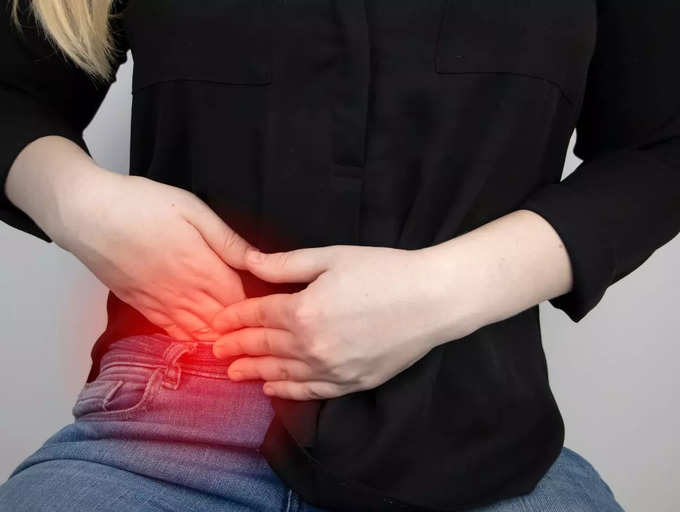
There are various conditions that can cause acute abdominal pain accompanied by other symptoms. While some resolve on their own with medications and treatment, some others may need immediate intervention. That said, here are the possible causes of acute abdominal pain:

- Appendicitis

- Gastroesophageal reflux disease (GERD)

- Pancreatitis

- Gallbladder disease

- Diverticulitis

- Small bowel obstruction

- Crohn's disease

- Certain types of cancer


This is only for your information, kindly take the advice of your doctor for medicines, exercises and so on.   

https://gscrochetdesigns.blogspot.com. one can see my crochet creations  
https://gseasyrecipes.blogspot.com. feel free to view for easy, simple and healthy recipes    
https://kneereplacement-stickclub.blogspot.com. for info on knee replacement


Labels: , , , , , , , , , , , ,

Wednesday, March 23, 2022

The Truth About Common Digestive Health Fears

Everyone experiences digestive problems now and then, and they’re nobody’s idea of a good time. In a survey of nearly 72,000 adults in the U.S., 61% reported having had at least one gastrointestinal (GI) symptom over the previous week, and within that group, 58% said they’d had two or more GI symptoms over the past week, according to a study in a 2018 issue of the American Journal of Gastroenterology. Because symptoms like constipation, heartburn, and abdominal pain are generally vague and often don’t have an obvious cause, those suffering tend to fear the worst.

“People get very concerned about GI symptoms—they often worry that there is something serious going on, such as cancer,” says Dr. Byron Vaughn, an associate professor of medicine and co-director of the IBD program at the University of Minnesota in Minneapolis. “Because it’s not socially acceptable to talk about GI illnesses at cocktail parties or other social gatherings, people don’t get social support, and they end up thinking about their symptoms more and more.”

This can ratchet up stress levels, in turn exacerbating digestive distress in many instances. And for those who have irritable bowel syndrome (IBS)—a disorder characterized by abdominal pain along with changes in bowel habits (such as constipation, diarrhea, or alternating bouts of the two)—fears about symptom flare-ups can take a toll on emotional well-being and quality of life, research has found. In fact, there’s evidence that patients with IBS have a higher prevalence of depression and lower quality of life than those who don’t have the condition. Overall happiness also tends to drop.

To sidestep unnecessary stress and worry, it’s time to give common concerns related to digestive health a reality check. Read on to get the inside scoop about the fears that gastroenterologists hear about most frequently from their patients.

The fear: Suffering from frequent or chronic constipation increases your risk of colon cancer

The facts: It used to be thought that if the colon had prolonged contact with potentially carcinogenic or toxic substances in feces, the risk of colon cancer could increase. But studies have not supported that idea. “There’s no added risk of colon cancer with constipation—they’re two totally separate issues,” Vaughn says. “Transit time doesn’t matter” as far as the risk of colon cancer goes. Besides, constipation is very common, affecting approximately 16% of all adults and 33% of adults over 60 in the U.S., according to the National Institute of Diabetes and Digestive and Kidney Diseases. People have different ideas of what it means to have constipation, given that some people have multiple bowel movements each day while others have them every couple of days. (For the record, the American Gastroenterological Association defines constipation as having fewer than three bowel movements per week or hard-to-pass bowel movements.)

By contrast, risk factors for colorectal cancer include a diet high in red meats, smoked foods, and processed foods; smoking; moderate to heavy alcohol consumption; lack of regular physical activity; obesity; inflammatory bowel disease such as Crohn's disease or ulcerative colitis; and a family history of colorectal cancer. Because rates of colorectal cancer have been increasing among younger adults, in 2021, the U.S. Preventive Services Task Force lowered the age at which to begin screening to 45 from 50 for those with average risk.

The fear: Stress causes ulcers

The facts: The most common causes of peptic ulcers—which are sores on the lining of the stomach or duodenum (the first part of the small intestine)—are long-term use of nonsteroidal anti-inflammatory drugs (NSAIDs) such as ibuprofen, naproxen, ketoprofen and aspirin, or infection with the bacterium Helicobacter pylori (H. pylori). “Ulcers are due to a breakdown in prostaglandin synthesis, which affects the mucosal protective barrier, which is like acid-proofing for the stomach lining,” explains Dr. Christine Lee, a gastroenterologist at the Cleveland Clinic. “NSAIDs decrease the body’s ability to produce prostaglandins.” By contrast, H. pylori bacteria can directly damage the mucous coating, allowing stomach acid to get into the lining of the stomach or duodenum. Research has found there can be a synergistic relationship between prolonged use of NSAIDs and H. pylori infection, leading to earlier development of ulcers than NSAID use alone. Depending on the cause of a peptic ulcer, your doctor may prescribe different medications—such as proton pump inhibitors, histamine receptor blockers, or protectants—to relieve pain.

None of this means stress can’t cause stomach distress, however. In particular, stress can cause a gnawing or burning pain from dyspepsia (or indigestion), Vaughn says. The symptoms may feel similar to ulcer discomfort, but they don’t stem from an actual ulcer.

The fear: Having frequent diarrhea signals ulcerative colitis or Crohn’s disease

The facts: Rather than suggesting you have one of these inflammatory bowel diseases, it’s more likely that frequent diarrhea episodes stem from some type of food sensitivity, irritable bowel syndrome or medication side effects, says Dr. Shaham Mumtaz, a gastroenterologist at the Northwestern Medicine Regional Medical Group in the Chicago area. On the food front, “some types of foods pull more fluid into the gut and can cause bloating and diarrhea,” Mumtaz explains. “Some people are more sensitive to them than others are.”

In particular, foods high in fermentable oligosaccharides, disaccharides, monosaccharides, and polyols (FODMAPs)—which are short-chain carbohydrates or sugars—can be problematic for people with IBS or small-intestinal bacterial overgrowth. Foods high in FODMAPs include milk and other dairy products; wheat, beans and lentils; some fruits (such as apples and mangoes); certain vegetables (like asparagus, broccoli, brussels sprouts, and garlic); and artificial sweeteners. Research has found that when people with IBS who have frequent diarrhea consumed a low FODMAP diet for four weeks, 52% gained adequate relief of their symptoms.

Red flags for ulcerative colitis or Crohn’s disease include unintended weight loss, changes in appetite, abdominal pain, bloody stools, fatigue, and persistent diarrhea for more than four weeks with lots of frequency and urgency, Mumtaz says. If you have these symptoms, see a gastroenterologist, who may prescribe an endoscopy or colonoscopy, conduct imaging studies and check stool samples to diagnose one of these inflammatory bowel diseases.

The fear: Hemorrhoids increase your risk of developing rectal cancer

The facts: Hemorrhoids are swollen blood vessels in and around the anus and the lower rectum—they’re a bit like varicose veins—and they’re very common. Internal hemorrhoids form in the lining of the anus and the lower rectum, while external ones occur under the skin around the anus. “Take a good look with a mirror—they look like a bunch of grapes around the anus,” says Dr. Cindy Yoshida, a gastroenterologist and professor of medicine at the University of Virginia Health System in Charlottesville. They may itch too, and when they’re irritated, they can bleed when you wipe your bottom after a bowel movement. Here’s where things get tricky: “Bleeding from rectal cancer can be mistaken for bleeding from hemorrhoids—the bleeding can look the same on toilet paper,” Yoshida says. That’s why it’s important to always get rectal bleeding checked out by your doctor.

The fear: If you go to the bathroom right after you eat, that means food is running through you and you’re not absorbing the nutrients

The facts: Some people have an exaggerated gastrocolic reflex, which controls the movement of the lower gastrointestinal tract after a meal. For those with a particularly sensitive or heightened gastrocolic reflex—which can happen with irritable bowel syndrome—when they start eating and their stomachs start expanding, they get colonic spasms that lead to a bowel movement, Vaughn explains. But what they pass is not the food they just consumed. It’s what was sitting in their colon, which means they’re still digesting and absorbing the food they just ate.

The fear: Slow digestion signals a worrisome blockage

The facts: It’s probably a gut-motility issue, not an obstruction. “Think of the gut as a pipeline: if you have a blockage, things won’t go south,” Yoshida says. Which means they’re likely to travel north, leading to significant nausea and vomiting and a very distended or bloated belly. What’s more, says Dr. Seth Gross, a professor of medicine and clinical chief of the division of gastroenterology and hepatology at NYU Langone Health, “if you had a blockage, you probably wouldn’t be meeting me in the office because you’d be very sick. You can’t walk around that way.”

The reality is: as people get older, gut motility tends to slow down, and certain medical conditions, such as diabetes and hypothyroidism, and some drugs, like narcotic pain medicines, can affect the rate at which food travels through the digestive tract. If this is a new issue, talk to your doctor about it, Yoshida advises. But if it’s something that’s been going on for a long time, it’s probably the result of your own naturally slow gut motility.

The fear: Foul-smelling farts or poops signal that something’s wrong in your digestive tract

The facts: More often than not, the smell reflects the contents of your diet. “Based on what you feed your colon, you can make methane gas, hydrogen sulfide gas, carbon dioxide or ammonia,” Yoshida explains. In particular, she says, hydrogen sulfide gas—which stems from eating meat, eggs and fish—smells worse. Eating lots of cruciferous vegetables—such as broccoli, cabbage, and onions—can also increase the risk of bad-smelling gas or stools.

The fear: If you see undigested food in your poop, something is wrong

The facts: Seeing bits of undigested food in the toilet isn’t usually cause for concern, says Lee of the Cleveland Clinic. “Like life, your colon is not always respectful and orderly”—which is why particles of food can be visible in the toilet after a bowel movement. This can happen because some high-fiber foods—such as corn, carrots, nuts, seeds, and whole grains—“are not supposed to be broken down by the body, so we should expect that they will come out of the body intact,” Mumtaz says. In other words, this is a sign that your high-fiber diet is succeeding. But in some cases undigested food particles can appear if you’re not chewing your food thoroughly.

Rest assured: by itself, seeing undigested food particles in your poop is usually normal. Gastroenterologists start to suspect a malabsorption issue when unintentional weight loss, fatigue, or weakness have occurred—and when stools look oily and are difficult to flush because they stick to the toilet, Mumtaz says. If your doctor is concerned, they’ll likely recommend a stool sample; blood tests to check for nutritional deficiencies or inflammation markers; an endoscopy to examine the upper digestive tract; or a colonoscopy to analyze the lower gastro-intestinal tract.

The fear: Eating nuts and seeds will give you diverticulitis

The facts: Diverticulitis occurs when small pouches in the lining of the digestive tract become inflamed and infected. The theory was that nuts, seeds, berries, and other small bits of food could block pouches in the colon and lead to diverticulitis, Vaughn notes, but that’s been debunked. “Even if you have diverticulitis, you can eat these foods as long as you don’t feel bad after eating them,” he adds.

The exact causes of diverticulitis still aren’t understood. While it was long believed that a low-fiber diet and constipation could increase someone’s risk of developing diverticulitis—because of increased pressure within the digestive tract and straining during bowel movements—the latest research suggests otherwise. In a study published in a 2021 issue of the journal Clinical Gastroenterology and Hepatology, researchers tracked the health of participants in the Nurses’ Health Study for 24 years and found that those who had more than one bowel movement per day had a 30% greater likelihood of having diverticulitis, while those who had less than one BM per day were 11% less likely to have the condition.

The fear: Lifting weights will give you a hernia

The facts: Admittedly, this is something of a half-truth. An abdominal hernia develops when part of an organ, like the intestine, pushes through a weakness in the abdominal wall, causing a bulge under the skin. Any activity that involves bearing down—such as straining to poop because of constipation, persistent coughing or sneezing, or lifting heavy weights—or anything that increases intra-abdominal pressure, such as obesity and pregnancy, can increase your risk of developing an abdominal hernia.

But it’s not a sure thing. Plenty of people lift weights and don’t get hernias. “No one can predict who is at risk for developing a hernia,” Gross says. Sometimes people are born with one, or they may develop one because they have an inherent weakness in their abdominal wall. In other instances, risk factors may include having a family history of hernias, smoking, and previous abdominal surgery.

The important thing is: “If you have a hernia, you should be mindful of putting pressure on that area,” Gross says. In other words, if you’ve been diagnosed with an abdominal hernia and you engage in heavy weight training or other strenuous forms of exercise, you could exacerbate the hernia or worsen its symptoms.


This is only for your information, kindly take the advice of your doctor for medicines, exercises and so on.   

https://gscrochetdesigns.blogspot.com. one can see my crochet creations  
https://gseasyrecipes.blogspot.com. feel free to view for easy, simple and healthy recipes    
https://kneereplacement-stickclub.blogspot.com. for info on knee replacement


Labels: , , , , , , , , , , , , , ,