Sunday, December 19, 2021

Health Benefits of Cloves (Laung)
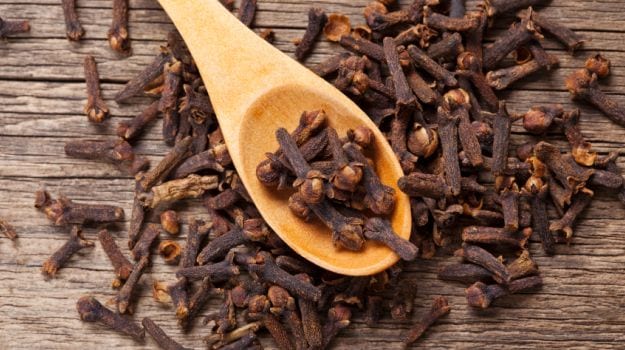
Health Benefits of Cloves (Laung): A Spice That Deserves More Attention 

One of my favourite winter spices, cloves are often pushed to the edge of your plate. They are mostly used to flavour dishes but seldomly eaten whole. But if you’d know about their impressive qualities, you’d agree they deserve more attention.Looking back, cloves were probably first used by Chinese emperors to hide bad breath. Over the years, cloves grabbed a prominent place in traditional Chinese medicine and Ayurveda to treat nausea, digestive disorders and flu. The clove tree which is native to Indonesia bears dry, aromatic flower buds which are used as a spice. These unopened, pink buds are picked and dried till they turn brown. They can be used whole or ground. When cooked or soaked in water, they tend to become soft and flavourful. Cloves have a long shelf life and this flowering spice will last you almost a year if stored away from light and moisture. Powered cloves tend to lose their flavour faster.The sweet aroma sparks memories of the good things about winter - frosted windows and cloves swirling in a hot cup. The pungent and peppery flavour leaves you with a warm fuzzy feeling – just what you need during those chilly days.The active component of cloves is the eugenol oil. This oil makes up about 60-90% of each clove and it acts against bacteria, viruses and fungi. The oil is known for its antiseptic, anesthetic, aromatic and astringent properties.

According to Dr. Ashutosh Gautam from Baidyanath, “Clove oil is one of the richest sources of antioxidants. In aromatherapy, it is used as an antiseptic and pain reliever especially for toothaches and stomach pain.  It is often mixed with other oils to treat various disorders. For instance, those who have troubled sleep can apply some warm clove oil along with sesame oil on the forehead to feel calm and relaxed.”To make clove infused oil at home, start with toasting a table spoon of whole cloves over medium heat. This helps in mobilizing the volatile oils and makes it easier to extract them. Lightly tap the heads to crack them open and add them to a cup of olive oil or coconut oil. Alternatively, you can grind them and place the powder in a cheesecloth and dip it in the oil jar. Seal with a lid and let it sit for 10 to 15 days but don’t forget to shake it every couple of days. For a stronger flavour you can use more cloves or let them steep for a longer time. Strain and it’s good to use. Since clove essential oil is very potent in nature, it's best to dilute it.In Ayurveda, cloves are said to be kaphahar which means that they have the ability to balance the kapha dosha. Kapha governs the structure and fluid in the body. Its primary function is protection. Being carminative in nature, it helps in improving digestion. A carminative is any herb or preparation that prevents the formation of gas in the gastrointestinal tract or helps with expulsion. Therefore, it is suggested you add cloves while cooking foods like kidney beans or black gram that tend to cause flatulence. I simply love the wonderful spiciness it adds to everything.At home, using cloves for clearing up cold has been an ancient natural remedy. You can sip away the symptoms of flu and congestion with a healing brew of cloves, cinnamon and some whole cardamoms infused in tea. You can even inhale the vapours of cloves or clove oil and then sit back and breathe easy. From my grandmother’s treasure trove of home remedies, cloves are great to clear acne and blemishes. Make a paste with cloves, some honey and a drop of lime. Leave it on for 15 minutes and rinse off for glowing skin. Moreover, clove oil is very effective in treating dry and itchy skin. Another clever use of cloves was when she would toss some in the wardrobe and other places to cover up odours.The strong, spicy scent can do wonders even while cooking meats like fish or pork where the fleshy smell may put some people off. I usually like to stick some cloves in an onion bulb and use it to stir my soup. That gives it a warm and intense flavour. 
 

This is only for your information, kindly take the advice of your doctor for medicines, exercises and so on.   

https://gscrochetdesigns.blogspot.com. one can see my crochet creations  
https://gseasyrecipes.blogspot.com. feel free to view for easy, simple and healthy recipes    
https://kneereplacement-stickclub.blogspot.com. for info on knee replacement


Labels: , , , , , , , , , , ,

Thursday, April 09, 2020

Milk substitutes that are safe for lactose intolerant people, according to a nutritionist

Best possible substitutes for lactose intolerant people
Lactose intolerance is a digestive disorder caused by the inability to digest lactose, which is the main carbohydrate present in dairy products. According to Food Tolerance Network, about 70% of the world’s population is lactose intolerant and many of them don’t even know it.

Deepti Sherawat, Nutritionist and Lifestyle Expert, tells five best possible substitutes available for lactose intolerant people, especially those who want to avoid milk at any costs:
 

Curd
The digestive disorder sets in because of lack of sufficient amount of an enzyme in our body called lactase which is required to break down lactose (a kind of sugar found in milk and most milk products with minimal presence in curd).

In such cases, it is best to avoid milk and milk products completely. However in some cases that are not too severe, it is safe to have curd as the process of curd fermentation breaks down most amount of lactose present in the milk and converts it into lactate which is much easier to digest as compared to lactose. However, the process of conversion takes time and a mere 6-8 hours of fermentation may not yield highly lactose free curd. Longer you allow the curd to ferment, more lactose free it becomes.
 

Almond and Cashew milk
For those who cannot let go of milk, almond and cashew milk are great substitutes. It is not only low on calories but also provide a good dose of Vitamin E, D and calcium. Its quality of being dairy-free makes it safe for daily consumption, for people with lactose intolerance.
 

Coconut milk
Loaded with benefits, coconut milk is another great substitute for milk. Regular intake of coconut milk can not only prevent anemia and hearts diseases but also maintains the levels of electrolytes in the body. With its anti-inflammatory properties, coconut milk also helps people with joint pain and arthritis. It should be consumed in moderation, as high levels of intake might result in weight gain.
 

Soy milk
Soy milk contains as much protein as cow milk does but is lower in calorie content. It is a good source of potassium and is loaded with vitamins A, B-12, and D. It should be taken once in a while, as regular dosage of soy milk is not advisable.

Disclaimer: Soy contains something known as phytoestrogens that mimic the estrogen hormone in our body and may create hormonal imbalances, especially in women. It is not safe for everyday use, however it’s occasional consumption is fine.

People with a condition of hypothyroidism too should avoid soy as it contains compounds called "goitrogens" that interfere with the uptake of iodine by the thyroid gland. If thyroid is already challenged because of hypothyroidism, intake of soy foods will make it worse.
This is only for your information, kindly take the advice of your doctor for medicines, exercises and so on.     

https://gscrochetdesigns.blogspot.com. one can see my crochet creations  
https://gseasyrecipes.blogspot.com. feel free to view for easy, simple and healthy recipes    
https://kneereplacement-stickclub.blogspot.com. for info on knee replacement

Labels: , , , , , , , , , , , , ,

Saturday, January 18, 2020

Malnutrition: What you need to know

Malnutrition refers to when a person's diet does not provide enough nutrients or the right balance of nutrients for optimal health.

Causes of malnutrition include inappropriate dietary choices, a low income, difficulty obtaining food, and various physical and mental health conditions.

Undernutrition
is one type of malnutrition. It occurs when the body does not get enough food. It can lead to delayed growth, low weight, or wasting.

If a person does not get the right balance of nutrients, they can also have malnutrition. It is possible to have obesity with malnutrition.

When a person has too little food, a limited diet, or a condition that stops their body from obtaining the right balance of nutrients, it can have a severe impact on their health. In some cases, this can become life threatening.

This article looks at malnutrition in detail, including the causes, symptoms, and treatments associated with it.


What is malnutrition?
Malnutrition occurs when a person gets too much or too little of certain nutrients.

Undernutrition occurs when they lack nutrients because they eat too little food overall.

A person with undernutrition may lack vitamins, minerals, and other essential substances that their body needs to function.

Malnutrition can lead to:


    short- and long-term health problems
    slow recovery from wounds and illnesses
    a higher risk of infection
    difficulty focusing at work or school

Some deficiencies can trigger specific health problems. For example:
A lack of vitamin A

Around the world, many children develop vision problems due to a lack of vitamin A.


A lack of vitamin C

A lack of vitamin C can result in scurvy. Scurvy is rare in the United States, but it can develop if a person does not have a varied diet with plenty of fresh fruits and vegetables.

Older adults, young children, those who consume a lot of alcohol, and some people with certain mental health conditions may be particularly at risk.


An overall deficiency

Lacking all nutrients can lead to kwashiorkor, which is a "severe form of malnutrition." One symptom of this condition is a distended abdomen.

Marasmus is another potential result of severe nutritional deficiency. A person with marasmus will have very little muscle or fat on their body.
Symptoms

Some signs and symptoms of malnutrition include:

    a lack of appetite or interest in food or drink
    tiredness and irritability
    an inability to concentrate
    always feeling cold
    depression
    loss of fat, muscle mass, and body tissue
    a higher risk of getting sick and taking longer to heal
    longer healing time for wounds
    a higher risk of complications after surgery

Eventually, a person may also experience difficulty breathing and heart failure.

In children, there may be:

    a lack of growth and low body weight
    tiredness and a lack of energy
    irritability and anxiety
    slow behavioral and intellectual development, possibly resulting in learning difficulties

Treatment is possible. In some cases, however, malnutrition can have long-term effects.

Anorexia nervosa is a mental health condition that can lead to severe malnutrition. Learn more about it here.


Causes

Malnutrition can occur for various reasons. The sections below outline these potential causes in more detail.


A low intake of food

Some people develop malnutrition because there is not enough food available or because they have difficulty eating or absorbing nutrients.

This can happen as a result of:

    cancer
    liver disease
    conditions that cause nausea or make it difficult to eat or swallow
    taking medications that make eating difficult — due to nausea, for example

Mouth problems such as badly fitting dentures may also contribute to malnutrition.
Mental health conditions

Undernutrition or malnutrition can affect people with:

    depression
    dementia
    schizophrenia
    anorexia nervosa

Social and mobility problems


Factors that can affect a person's eating habits and potentially lead to malnutrition include:

    being unable to leave the house or reach a store to buy food
    finding it physically difficult to prepare meals
    living alone, which can affect a person's motivation to cook and eat
    having limited cooking skills
    not having enough money to spend on food

Digestive disorders and stomach conditions

If the body does not absorb nutrients efficiently, even a healthful diet may not prevent malnutrition.

Examples of digestive and stomach conditions that may cause this include:

    Crohn's disease
    ulcerative colitis
    celiac disease
    persistent diarrhea, vomiting, or both

Alcohol use disorder

Consuming a lot of alcohol can lead to gastritis or long-term damage to the pancreas. These issues can make it hard to digest food, absorb vitamins, and produce hormones that regulate metabolism.

Alcohol also contains calories, so a person may not feel hungry after drinking it. They may therefore not eat enough healthful food to supply the body with essential nutrients.


Risk factors

In some parts of the world, widespread and long-term malnutrition can result from a lack of food.

In the wealthier nations, however, those most at risk of malnutrition include:

    older adults, especially when they are in the hospital or long-term institutional care
    people who are socially isolated — for example, due to mobility issues, health problems, or other factors
    people with a low income
    people recovering from or living with a serious illness or condition
    those who have difficulty absorbing nutrients
    people with chronic eating disorders such as bulimia or anorexia nervosa

Some people may need to take supplements if they follow a specific diet. Which supplements are good for a person following vegan diet? Find out here.


Diagnosis

If a person shows or notices any signs of malnutrition, the first step will be to find out why.

If a doctor suspects Crohn's disease, celiac disease, or another condition, they may carry out laboratory tests to confirm a diagnosis. Treating these conditions can improve a person's nutritional status.

They may also carry out the following:

    blood tests for general screening and monitoring
    tests for specific nutrients, such as iron or vitamins
    prealbumin tests, as malnutrition commonly affects levels of this protein
    albumin tests, which may indicate liver or kidney disease

A tool to identify risk

Some tools can help identify people who have or are at risk of malnutrition.

One way to assess adults is by using the Malnutrition Universal Screening Tool (MUST). Research has shown this to be a reliable tool.

Experts designed this tool to identify adults, especially older adults, with malnourishment or a high risk of malnutrition. It is a five-step plan that can help healthcare providers diagnose and treat these conditions.

The five steps are as follows:

Step 1: Measure a person's height and weight, calculate their body mass index (BMI), and provide a score.

Step 2: Note the percentage of unplanned weight loss and provide a score. For example, an unplanned loss of 5–10% would give a score of 1, while a 10% loss would score 2.

Step 3: Identify any mental or physical health conditions and provide a score. For example, if a person has been acutely ill and taken no food for over 5 days, the score will be 3.

Step 4: Add the scores from steps 1, 2, and 3 to obtain an overall risk score.

Step 5: Use local guidelines to develop a care plan based on the score.

The score will be one of the following:

    low risk: 0
    medium risk: 1
    high risk: 2 or more

Doctors only use MUST to identify overall malnutrition or the risk of malnutrition in adults. The test will not identify specific nutritional imbalances or deficiencies.

Nutritional-deficiency anemia can result if a person's diet cannot provide the nutrients they need. Learn more about it here.


Treatment
If a doctor diagnoses malnutrition, they will make a treatment plan for the person. The person may also need to meet with a nutritionist and other healthcare providers.

Treatment will depend on the severity of the malnutrition and the presence of any other underlying conditions or complications.

It may include:

    ongoing screening and monitoring
    making a dietary plan, which might include taking supplements
    treating specific symptoms, such as nausea
    treating any infections that may be present
    checking for any mouth or swallowing problems
    suggesting alternative eating utensils

In severe cases, a person may need to:

    spend time in the hospital
    gradually start taking in nutrients over a number of days
    receive nutrients such as potassium and calcium intravenously

The person's healthcare team will continue to monitor them to ensure that they are getting the nutrition they need.


Prevention

To prevent malnutrition, people need to consume a range of nutrients from a variety of food types.

Older adults, young children, people with severe or chronic illness, and others may need additional care to ensure that they obtain the nutrients they need.

Anyone who starts to show signs of malnutrition or undernutrition should see a doctor for a diagnosis and treatment.

In the U.S., effective treatment is usually available, although the outlook and time needed for recovery will depend on the cause of the malnutrition.


This is only for your information, kindly take the advice of your doctor for medicines, exercises and so on.     
https://gscrochetdesigns.blogspot.com. one can see my crochet creations  
https://gseasyrecipes.blogspot.com. feel free to view for easy, simple and healthy recipes    
https://kneereplacement-stickclub.blogspot.com. for info on knee replacement
 

Labels: , , , , , , , , , , , ,