Monday, June 28, 2021

Everything you need to know about supplements

Everything you need to know about supplements
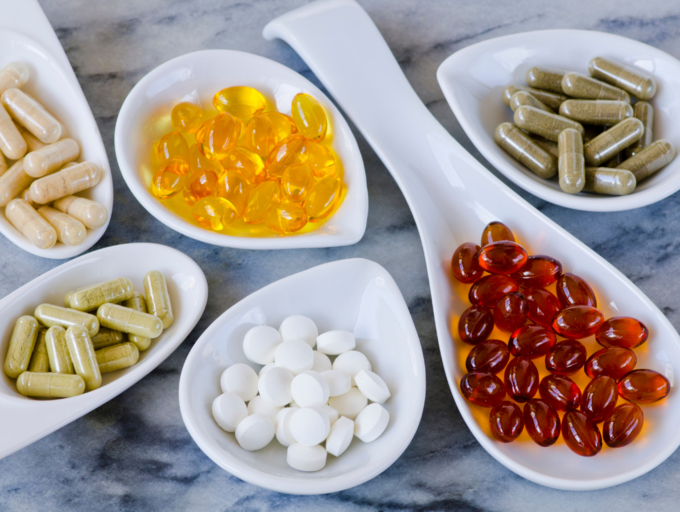
Food supplements, as the name suggests are added tablets whose purpose is to provide nutrients to the body that are otherwise lacking due to improper diet. It is important to note that a diet should have sufficient nutrients but in case, the recommended amount is not consumed, one can take supplements.

Food supplements come in various forms like tablets, pills, syrups, energy bars as well as a powder, which deliver the nutrients like vitamins, minerals, amino acids, fatty acids and enzymes. Supplements cannot replace a balanced diet and cannot give you all the nutrients that a balanced diet can.

You can buy over the counter supplements but it is advised that you must consult a doctor before starting any supplements. Our body needs only a recommended amount of nutrients every day and if we consume more than the body can handle it can do more harm than good and can even lead to major health conditions.

Benefits of food supplements
People can benefit from food supplements, some of those benefits are:

  • Give you proper nutrition that might be lacking due to improper diet
  • Many supplements are filled with antioxidants that can reduce the risk of certain diseases like heart disease and certain cancers
  • Helps maintain good health
  • Supplements can be consumed by athletes to enhance their performance
  • It can help you improve cognitive functions
  • Increase the efficiency of the immune system
  • Some supplements can help improve the quality of sleep
  • It can provide added nutrition for pregnant women

Who can take supplements?

If you are a healthy person consuming a balanced diet and you are getting the recommended amount of nutrients, you do not need dietary supplements.

If you fall under any of the following categories you should consult your doctor and discuss a plan for food supplements. The categories are:

  • Women who are pregnant or are trying to get pregnant
  • Women who are breastfeeding
  • Over the age of 50
  • Diagnosed with certain deficiencies
  • Vegan or vegetarian
  • Recently had treatment for obesity
  • Restricted from access to certain food items
  • Children under the age of 5
  • Insufficient sun exposure
readmore

How many supplements should you take?
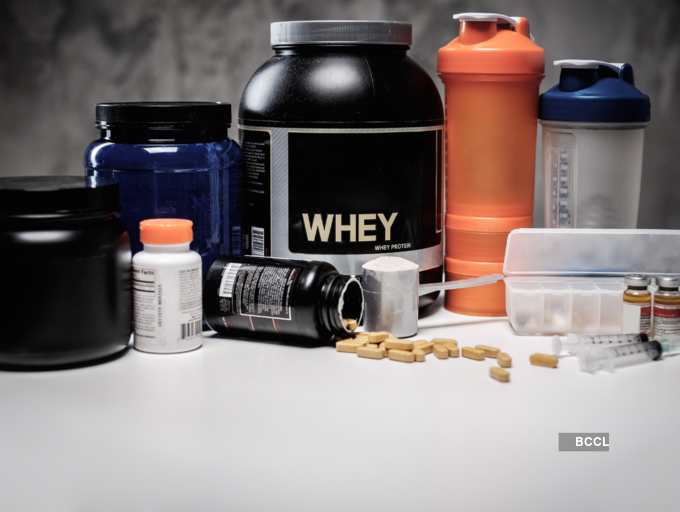
There is a limited amount of nutrients that you need in your body. If you exceed that limit the body flushes out the excess nutrients and in some cases, it can even result in health conditions like nausea, stomach cramps, hair loss, fatigue, diarrhoea and even mild nerve damage.

Risks of excess supplements
You should always consult a doctor before you start taking any supplements because excess nutrients can harm you. Some side effects are:

  • Taking vitamin K before surgery can reduce the efficiency of blood thinners causing blood to clot
  • Can reduce the effectiveness of certain medicines
  • Too many antioxidants can reduce the efficacy of chemotherapy
  • Substituting supplements in place of medicines can harm the body
  • Vitamin B-6 can lead to nerve damage when used for more than a year at high doses
  • Combining vitamin A with retinol-based acne medications can lead to an excess vitamin A
  • Excess Vitamin C can cause diarrhoea

How to take supplements properly?

Do’s

  • Consult a doctor
  • Follow instructions given either by the manufacturer or the doctor
  • Take the right supplements for your body
  • Be careful if you are on prior medications

Don'ts

  • Do not self analyse
  • Do not follow the trend, only take supplements your body needs
  • Do not consume hormonal supplements without consulting a doctor first


This is only for your information, kindly take the advice of your doctor for medicines, exercises and so on.   

https://gscrochetdesigns.blogspot.com. one can see my crochet creations  
https://gseasyrecipes.blogspot.com. feel free to view for easy, simple and healthy recipes    
https://kneereplacement-stickclub.blogspot.com. for info on knee replacement

Labels: , , , , , , , , , , ,

Tuesday, July 30, 2019

5 Deficiencies Almost Everyone Has

Although we live in a culture of abundance and have a wide variety of foods, many people still suffer from nutritional deficiencies. Some of the most common deficiencies are iron deficiency and vitamin D deficiency. These deficiencies affect many people but most don’t even know about it. It is extremely important to treat any deficiency as soon as possible to prevent long term damage.


This article will cover the five major vitamin and mineral deficiencies. You’ll find out how to spot these deficiencies and how to treat them. Many of us can have one or more of these nutritional deficiencies without even realizing it.

5 Common Vitamin and Mineral Deficiencies

1. Vitamin B12 deficiency

Vitamin B12 (also called cobalamin) is a water-soluble vitamin which plays an important role in the production of red blood cells and is required to keep nerve cells healthy.
Vitamin B12 deficiency can be sneaky and harmful according to experts.
According to the doctors 1 in every five adults has marginal levels of vitamin B12.
How to identify vitamin B12 deficiency
Vitamin B12 deficiency may lead to a feeling of fatigue, tingling or numbness in the feet or tips of fingers and even depression. You can confirm vitamin B12 deficiency by having a simple blood test.
How to resolve vitamin B12 deficiency
Consume foods that have high levels of vitamin B12 such as meat, poultry, fish and eggs. Vegetarians have limited options and can mainly get it from eggs and nori.
Non-animal options of vitamin B12 include nutritional yeast and vitamin B12 fortified products, such as B12 fortified almond milk and cereals, and some breads. One medical study says that dried purple laver (nori) is the most suitable vitamin B12 source presently available for vegetarians.
If you cannot get enough vitamin B12 through your diet, you will have to start taking B12 supplements or even get vitamin B12 injections.

 2. Iron deficiency

Iron is a mineral and it’s one of the essential nutrients the body needs.
How to identify iron deficiency?
An iron deficiency can make you feel constantly tired, lack energy, have a pale complexion, or cause frequent headaches. It can also cause pale skin and brittle nails.
Lack of iron can also lead to iron deficiency anemia.
You can find out if you have an iron deficiency by having a simple blood test. Anemia can also be detected using the MCHC blood test. 
How to treat iron deficiency?
You need to consume iron rich foods such as meat, poultry, fish and eggs. Animal sources contain heme iron which your body can easily absorb.
Unlike vitamin B12, you can also get iron from non animal sources such as beans, tahini and green vegetables. But iron derived from plants is nonheme iron and is poorly absorbed into the body.

You can increase iron absorption from the food if you combine it with vitamin C, which you can find in oranges, tomatoes and peppers. For example: a combination of chicken breast with orange juice can help you increase the absorption of iron from food.
There are some foods that interfere with iron absorption, such as calcium-containing foods or foods that contain caffeine. If you had meat for lunch, drink coffee two hours after the meal.

3. Omega 3 deficiency

Omega 3 fatty acids are a family of polyunsaturated fats that are essential to your body. They come in different lengths: short chain fatty acids and long ones.
There are three types of omega-3 fatty acids:
  • EPA and DHA that are mainly found in deep water fatty fish.
  • ALA which is found in plant sources such as flax seeds.
EPA and DHA are the best types of omega 3 fatty acids. Your body is also able to use ALA, but it needs to convert it to DHA and EPA, and the conversion rate is very low.
DHA has a structural role in cell membranes, and is particularly dominant in the nervous system, brain and eye.
EPA has a beneficial effect on the heart and blood vessels. It helps to prevent depression and improves mood, cognition and concentration.
According a medical study, omega-3 fatty acids have anti-inflammatory effects and they are good for your brain health.
High levels of omega 3 fatty acids help to reduce the risk of heart disease, blood vessel disease and stroke.
Having sufficient levels of omega 3 can also help to reduce insulin resistance, reduce the risk of depression, improve cognitive function and brain development. It can also help to prevent chronic diseases and cancer.
A review of scientific studies  from 2013 found that a high intake of EPA and DHA is associated with a lower risk of breast cancer.
How do you identify lack of omega 3?
The best way to detect this deficiency is to have a blood test.
How to prevent omega 3 deficiency?
The most popular way to prevent this deficiency is to take high strength fish oil supplement  or krill oil supplement.
Alternatively you can consume at least two servings of deep water fish such as salmon twice a week.
If you are a vegetarian, consume flaxseeds daily as they are a good source of ALA and they have a lot of health benefits. 

4. Magnesium deficiency
Magnesium is an essential mineral for our body. According to the doctors, magnesium is an important mineral because it is involved in over 300 biochemical reactions in the body.
Magnesium is especially important to keep your heart and nerve system healthy. It is also required to prevent muscle contraction.
A close relationship has been found between magnesium deficiency and an increased blood sugar levels, and therefore it is recommended for diabetics to consume it as part of maintaining sugar balance in their body.
How do you identify magnesium deficiency?
The warning signs of low magnesium levels in your body can be difficult to spot. A magnesium deficiency can show signs like muscle cramps, fatigue, nausea, tingling in your hand, and constipation.
How to treat magnesium deficiency?
Consume foods that are high in magnesium. Some of the best foods that contain high levels of magnesium are green leafy vegetables, nuts and seeds as well as whole grains.
You can also take magnesium supplements in powder form, liquid, capsules or tablets. You can find inexpensive products that feature magnesium citrate, which is among the most readily absorbed forms of magnesium supplements.

5. Vitamin D deficiency

Vitamin D is important for a good overall health and it plays an important role in making sure our muscles, heart, lungs and brain function well.
Vitamin D is very important for the absorption of calcium in the body and it helps maintain bone density. Vitamin D deficiency can lead to decreased bone density and affects the function of the thyroid gland. There are 12 common diseases caused by vitamin D deficiency. 
Lack of vitamin D is very common today in the Western world, partly due to the use of sunscreen and less sun exposure.
Other reasons for this deficiency are functional problems of the liver and kidneys.
How do you identify vitamin D deficiency?
You can check the level of vitamin D in a simple blood test.
How to treat vitamin D deficiency?
After consulting with your physician, you can take vitamin D supplement.

THIS IS ONLY FOR INFORMATION, ALWAYS CONSULT YOU PHYSICIAN BEFORE HAVING ANY PARTICULAR FOOD/ MEDICATION/EXERCISE/OTHER REMEDIES.                                    PS- THOSE INTERESTED IN RECIPES ARE FREE TO  VIEW MY BLOG-                                                                                           https://gseasyrecipes.blogspot.com/                                                                                                                                                FOR INFO ABOUT KNEE REPLACEMENT, YOU CAN VIEW MY BLOG-                                                  https:// kneereplacement-stickclub.blogspot.com/                                                                      FOR CROCHET DESIGNS                                                                                                    
                                https://gscrochetdesigns.blogspot.com

Labels: , , , , ,

Tuesday, January 29, 2019

Panic Attacks and Anxiety Episodes Linked to Vitamin Deficiencies

For many people, anxiety is a normal part of the daily routine. Most people worry about the outcome of their actions, their relationships, their job, and so on. 

Eventually all this worry can lead to a nervous panic, which can interfere with normal everyday life and lead to other symptoms and complications. 

Generalized anxiety disorder (GAD) and panic disorder are conditions that affect nearly 13 million adults in the United States and are characterized by excessive and persistent feelings of anxiety towards everyday situations and events. 

In most cases, anxiety reduces the ability of the individual to function normally within society.

Those who suffer from anxiety report an inability to control their feelings as things escalate. 

Eventually things become overwhelming and panic sets in.

Panic attacks are sudden periods of intense fear which lead to incredible physical and mental distress. They are accompanied by shaking, racing or pounding heart rate, trembling, and difficulty breathing. 

They can also cause fast or deep gasping to intake air, known as hyperventilation. These attacks occur unpredictably and can be related to specific environmental and psychological triggers. 
 

In 2013, a study may have made an invaluable discovery that could open new perspectives when it comes to the prevention of panic and hyperventilation attacks in at-risk individuals.

One of the more common causes of these panic attacks is a low serotonin level in the body. Serotonin is the neurotransmitter responsible for regulating the feelings of well-being, happiness, and contentment.

Our bodies synthesize serotonin from the amino acid tryptophan, in a process that also requires vitamin B6 and iron. 

The study we mentioned above analyzed the level of iron and vitamin B6 in patients who visited the emergency clinic due to a severe panic attack or panic-induced hyperventilation.

Researchers found that both vitamin B6 and iron levels will significantly lower in people who suffered from these attacks in comparison to people with healthy levels of both.

This research is extremely important for people who currently suffer from anxiety as it might help prevent the sudden onset of emotions.

Therefore, an essential part of dealing with anxiety should be consuming a diet that contains foods high in vitamin B6 and iron. 

Whole-foods, rich in fresh fruits and veggies, nuts, and seeds, and low in processed and packaged foods can drastically improve your mental health.

Here is a list of foods rich in these nutrients!

Vitamin B6:
– Sweet potatoes
– Spirulina
– Hemp seeds
– Green beans
– Quinoa
– Lentils
– Oatmeal
– Green Peas
– Potatoes
– Sunflower seeds
– Bananas
– Avocado
– Asparagus
– Almonds
– Watermelon
– Cashews
– Beans
– Spinach
– Walnuts
– Pistachios
– Prunes
– Kale
– Collards
– All squash and pumpkin
– Brussels sprouts
– Hearts of palm
– Plantain
– Pineapple
– Chickpeas
– Artichokes
– Figs
– Nutritional yeast
Iron:
– Chia seeds
–– Parsley
– Sea vegetables (kelp, nori, spirulina, dulse, etc.)
– Spinach
– Green peas
– Black-strap molasses
– Quinoa
– Almonds
– Raisins
– Jerusalem artichokes
– Medjool dates
– Chickpeas
– Dandelion greens
– Morel mushrooms
– Pumpkin seeds
– Hemp seeds
ragi- finger millet
dates 
gur / vellam / jaggery
Make sure you increase the intake of these foods, not only will you improve your mood and prevent these attacks, you will also boost your overall health!

THIS IS ONLY FOR INFORMATION, ALWAYS CONSULT YOU PHYSICIAN BEFORE HAVING ANY PARTICULAR FOOD/ MEDICATION/EXERCISE/OTHER REMEDIES.                                    PS- THOSE INTERESTED IN RECIPES ARE FREE TO  VIEW MY BLOG-                                                                                           https://gseasyrecipes.blogspot.com/       
                                                                                                                                                                      FOR INFO ABOUT KNEE REPLACEMENT, YOU CAN VIEW MY BLOG-                                                  https:// kneereplacement-stickclub.blogspot.com/           
                                                                         
  FOR CROCHET DESIGNS                                                                                                                                                                                                  https://gscrochetdesigns.blogspot.com
 

Labels: , , , , , , , , , , , , , ,