Saturday, January 04, 2025

5 Inflammation Myths You Should Stop Believing, According to Science

Nightshades, canola oil, sugar—oh my! If you dig around on social media, you might think these foods are the worst offenders in derailing your health. But how much truth is there to those claims? Here we tease out fact from fiction and share research-backed advice and delicious anti-inflammatory recipes to support your health.

The word “inflammation” inherently sounds scary. Who wants to be inflamed? So it’s no wonder why you might feel concerned at best, and panicky at worst, when you hear people talking about inflammation. But it’s not always bad. 

“Inflammation is your immune system at work—and it’s essential for protecting you from things outside the body that are not supposed to be inside the body, like a virus or bacteria, and you have multiple layers of your immune system set up to try to prevent foreign invaders from causing any issues,” says Jonathan Little, Ph.D., from the Exercise Metabolism and Inflammation Lab at the University of British Columbia. “That’s the good side of inflammation.” 

When you cut your finger, or get a cold, or sprain your ankle, your immune system quickly triggers a strong inflammatory response. This is what’s called acute inflammation, meaning that it lasts for a short time, and then when your immune system gets the all-clear, it eases up.

But like most things in life, there can be too much of a good thing. “Think about it as a slow-burning flame,” says Little, explaining that sometimes our bodies produce a low-grade inflammatory response that, if not tamped down, can lead to much bigger issues. And that chronic inflammation can contribute to a whole slew of health conditions—from cancer, heart disease and diabetes to obesity and gastrointestinal disorders.

Take high blood pressure, for example. When plaque builds up in the artery walls, the heart has to work harder and harder to pump blood through the constricted vessels. That not only strains the heart, but the arteries sustain collateral damage, too. Your immune system does its best to respond to the resulting inflammation, but if high blood pressure and its inflammatory response persist, conditions like heart disease and stroke become a serious risk. 

Research shows that 50% of all deaths worldwide are linked to chronic inflammation-related diseases such as heart disease, cancer, stroke, diabetes and kidney disease.

So, needless to say, it’s crucial to pay attention to the diet and lifestyle factors contributing to chronic inflammation in your body. That said, there are plenty of myths about inflammation floating around, like how you should cut out certain foods from your diet because they’re basically “poison.” So before you purge your pantry, know that while there may be a kernel of truth behind some claims, most have been busted by solid research. Here are the myths you can rest easy ignoring—plus actionable tips to help fight inflammation.

Myth #1: Canola Oil Is Toxic 

Go on any social media platform, and you’ll find countless health “influencers” claiming that seed oils like canola are bad for you, even deadly. (Yikes!) And if you look to Google for answers, the results are mixed. Confusing? For sure. So what’s the deal? 

Some people point to the omega-6 fatty acids in seed oils and make a blanket statement that they cause inflammation. But in fact, multiple studies show that linoleic acid, a type of omega-6 fatty acid found in seed oils like canola, may actually help reduce chronic inflammation.

That’s not to say more equals better. For the most anti-inflammatory impact, you should get a balance of omega-6 and omega-3 fatty acids in your diet.

The good news is that canola oil is not only rich in linoleic acid but it provides omega-3s as well. One tablespoon of canola oil has 1.3 grams of omega-3s—that’s nearly as much as a 3-ounce serving of cooked salmon, which has 1.8 grams!

The real issue here is that, on average, in the U.S., omega-6 consumption far outpaces omega-3 intake. “What matters is how much and how often you consume them, and in what foods you consume [omega-6s],” says Amy Bragagnini, M.S., RD, CSO, a spokesperson for the Academy of Nutrition and Dietetics. “For example, seed oils are often found in foods that have high amounts of refined carbohydrates, salt and sugar.” Their neutral taste and the fact they can be heated to high temperatures during processing make these oils ideal ingredient options for everything from crackers to cookies. But because of their presence in foods already labeled as “bad,” it’s easy to understand why folks may automatically condemn seed oils themselves as “bad.”   

Myth #2: Processed Foods Cause Inflammation

The word “processed” seems to have become synonymous with the word “inflammation.” But just because a food undergoes processing, that doesn’t automatically mean it’s bad for you. Anything that human hands (or machines) manipulate before it lands on your table—from prewashed lettuce to a box of crackers—is technically processed food, according to the USDA.

At one end of the processed food spectrum is that prewashed lettuce. At the other is ultra-processed foods, or those made with multiple ingredients created through industrial processing. And if ultra-processed foods that are high in added sugar, sodium, refined carbohydrates and saturated fat make up too much of our diets, that can increase inflammation and up the odds of inflammation-related conditions.

Many foods that come in a box, can or bag can actually be quite nutritious. Canned beans are a fiber-packed protein option, and tinned fish is an affordable and equally healthy alternative to fresh. And crackers and breakfast cereals made with whole grains make it easy to boost your fiber intake for the day. So rather than avoiding anything that you haven’t grown yourself, moderation is key—think of balancing your favorite frozen pizza and ice cream with home-cooked meals and plenty of fresh fruit and veggies.

Myth #3: Nightshades Should Be Avoided

Nightshades are a family of plants that include tomatoes, eggplant, bell peppers, potatoes and chile peppers. One of the main reasons nightshades get flak for being inflammatory is because they contain compounds called glycoalkaloids. These compounds are meant to be protective, in that if a bug, animal or human were to eat a lot of that fruit or vegetable—as in more than 200 tomatoes all at once, who does that?—those glycoalkaloids could cause vomiting, diarrhea and stomach pain.

But unless you have an allergy or sensitivity to any one of the nightshades, there’s no reason to avoid them.“I see a lot of people who read things, and they are well-meaning because they want to take charge of their health. But there’s no need to eliminate nightshades,” says Bragagnini. By shunning these foods, you could be robbing yourself of important anti-inflammatory nutrients in your overall diet—vitamin C, lycopene, beta carotene and capsaicin are just some of the health-supporting nutrients found in the nightshade family.

Myth #4: Dairy Is Bad—So You Should Opt for NondairyAlternatives

For decades, dairy products (think milk, cheese and yogurt) have been vilified for supposedly triggering inflammation that causes stomach problems, sinus issues and acne. Is lactose to blame? 

When someone has a dairy allergy, dairy can, in fact, be inflammatory—causing everything from hives to digestive issues and shortness of breath. And lactose intolerance, or when the small intestine cannot digest some or all of the lactose (a type of milk sugar) present in milk, gastrointestinal problems like diarrhea, gas and bloating may ensue. That’s inflammation at play, notes Bragagnini.

While dairy allergies are rare, lactose intolerance is more common. But it’s a far reach to say that applies to all humans, like you may have been led to believe from social media and misleading headlines.

You might choose to forgo dairy and go the plant-based way for other reasons, such as concerns about the planet or dietary preferences, like if you’re vegan. But alt-milks and other nondairy products aren’t inherently healthier. Many have less protein than cow’s-milk products, may not be fortified with vitamin D—a necessary nutrient that most traditional dairy contains—and could also have added sugars that you might want to limit. So always read the ingredients label. This isn’t to discount all nondairy alternatives, as some can be terrific additions to a healthy diet. The point is that it comes down to personal preference and nutritional needs.

The real kicker here is that research has found dairy products could help tame inflammation. That’s because dairy products contain nutrients that play a role in helping fend off inflammation—vitamin D, calcium, antioxidants and probiotics, to name a few. So don’t feel bad asking for feta on your salad at lunch today.

Myth #5: Sugar—in Any Form—Is Inflammatory

Sugar is generally divided into two categories: added and natural. Added sugars like granulated sugar, brown sugar, high-fructose corn syrup, maple syrup and honey are—you guessed it—added during processing for a variety of reasons, from enhancing flavor to increasing shelf life. We also stir added sugars into our morning cup of coffee or use them to make muffins, cakes and cookies. And regardless of what you’ve heard on social media, they all impact your body in the same way. 

Since sugar finds its way into so many foods, most people eat more than the limit recommended in the Dietary Guidelines for Americans (no more than 12 teaspoons or 48 grams of sugar if following a 2,000-calorie-per-day diet). Plenty of research has shown that eating a lot of added sugars can contribute to inflammation and increase the risk of obesity, cardiovascular disease and other serious health issues.  So it’s no wonder people are wary. 

On the other hand, sugars like fructose, glucose and lactose are naturally occurring in fruits, vegetables and unsweetened dairy products like plain yogurt and cheese. But those foods aren’t just sugar, Bragagnini explains. They contain vitamins, minerals, antioxidants, protein and fiber—nutrients that actually help decrease inflammation, which helps ameliorate the effects of the sugar they contain.

Take a banana, for instance: the fiber it contains slows down digestion, which also slows the rate at which the fructose in the banana enters your bloodstream. So rather than the sharp spike in blood sugar you experience from noshing on a Boston cream doughnut, the impact is less significant. And the more balanced your blood sugar is, the less inflammation your body experiences. 

Does that mean no more doughnuts? Nope. “I remind my patients that chronic inflammation is more related to an entire dietary pattern rather than one food alone,” says Bragagnini. “So if you consume high amounts of foods with added sugar, you may be at risk for chronic inflammation, versus following a balanced diet and occasionally choosing a sweetened food.”

If you were to strip out that banana’s fructose on its own (like what happens when corn is processed into high-fructose corn syrup), it’d impact your blood sugar the same as the sugar in the doughnut does. So it’s not as if any single form of sugar is better or worse for you. What matters is how much you consume overall and if there are other nutrients at play (read: fiber) that help soften the inflammatory impact sugar can have. 

 What You Can Do to Fight Inflammation

Loads of research show that certain compounds in fruits and vegetables—like blueberries, broccoli and turmeric—can exert anti-inflammatory effects in the body. Likewise, there’s evidence that some foods may be pro-inflammatory—such as red meat and ultra-processed foods that are high in added sugars and saturated fat.

“I have a lot of patients who ask what they should eat and avoid, and I tell them that as long as they’re not allergic, there’s no one food you can eat that will cause an anti-inflammatory response. So eating 18 pounds of blueberries one day isn’t going to lower inflammation. And also, if you have red meat once in a while, it’s not going to cause systemic inflammation,” says Bragagnini.

What she and Little say matters most is your overall dietary pattern. Eat plenty of fruits and vegetables, high-fiber whole grains, lean protein that’s low in saturated fat (although the occasional cheeseburger or fast-food stop is fine, Bragagnini says), plant-based protein (like beans and tofu), calcium- and vitamin D-rich dairy or dairy alternatives, and heart-healthy fats (like those found in nuts, salmon and seed oils). And keep an eye on how much added sugar you’re getting. Research on these types of eating patterns, like the Mediterranean and DASH diets, has highlighted time and time again the anti-inflammatory benefits that can result.

“The nature of the type of chronic inflammation we’re talking about is the result of your environment and lifestyle playing out over many months and years. That’s what leads to an anti-inflammatory response that is more powerful than any single food that you eat on a given day,” says Little. 

Regular exercise is also important. It’s a proven way to tamp down inflammation, adds Little. The Physical Activity Guidelines for Americans recommend that adults get at least 150 minutes of moderate-intensity physical activity each week, or 75 minutes of vigorous-intensity physical activity. You can also do a mix of the two. But any amount of movement you can fit into your day—even if it’s 10 minutes here and there—may be beneficial.

And don’t underestimate the power of a good night’s sleep. Regularly getting too few hours, tossing and turning during the night or just generally getting a crummy night’s sleep can crank up inflammation in your body over time. The average adult needs around seven hours of good-quality sleep (key point here—good-quality) each night.

Lastly, do what you can to manage stress. Inflammation can spring from any chronic stressor—physical or mental. And that’s why it’s important to reduce the amount of stress in your life as much as possible, according to Little. So think about what that could look like for you: Taking a long, hot bath? Curling up with a good book? Hiking with your dog? Chatting with a good friend—or your therapist? Spending some time meditating each morning? Finding regular ways to tamp down those frazzled feelings could be quite helpful in lowering inflammation.

The Bottom Line 

Some inflammation—the acute kind—can be extremely beneficial. It helps keep you healthy and fends off and repairs any damage that comes your way; whether it’s the flu or a nasty blister you got from your new shoes. The chronic type of inflammation is what experts say you want to try to avoid. While some folks might tout eliminating certain ingredients—even complete food groups—as the answer to quelling inflammation, there’s no scientific research backing up those claims. The best way to fight chronic inflammation and safeguard your health is by making good lifestyle choices like eating an overall healthy diet, exercising regularly, getting enough sleep and limiting your stress levels.


This is only for your information, kindly take the advice of your doctor for medicines, exercises and so on.   

https://gscrochetdesigns.blogspot.com. one can see my crochet creations  
https://gseasyrecipes.blogspot.com. feel free to view for easy, simple and healthy recipes    
https://kneereplacement-stickclub.blogspot.com. for info on knee replacement
https://cancersupportindia.blogspot.com  for infor on cancer and health related topics
https://GSiyers home remedies.blogspot.com   is the latest addition to my blogs. I'm going to add posts there, do give me your valuable feed back on my blogs. Thanks a lot, take care, be healthy and be happy.


Labels: , , , , , , , ,

Sunday, June 30, 2024

8 vegetarian foods that are rich in zinc

 Do you often feel dull, lethargic or experience sudden hair loss, then all these signs silently indicate depleting levels of zinc in the body. This vital mineral supports numerous bodily functions such as functioning of major organs, wound healing metabolic functions, immunity and overall health and well-being. While, our body gets zinc from the foods we eat and it is commonly associated with animal products like meat and seafood, but there are plenty of  vegetarian foods that are equally rich in zinc and their daily consumption can naturally meet the daily requirement of zinc in the body.

Here are 8 sources of food worth trying.

Legumes

Legumes such as chickpeas, lentils and various beans are packed with zinc. For instance, a cup of cooked chickpeas provides approximately 2.5 mg of zinc, making it a substantial addition to your diet. Lentils and beans offer similar benefits, making them versatile ingredients for soups, stews, salads and more.

ez

Nuts and seeds

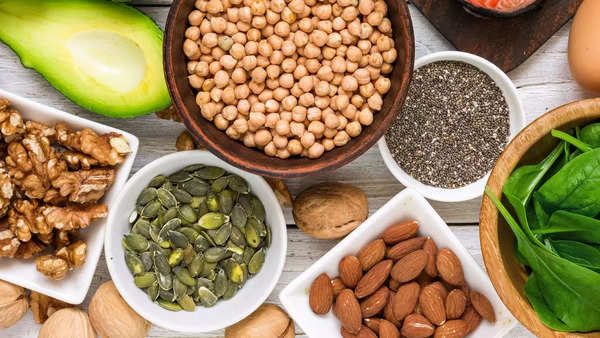
Nuts and seeds are excellent sources of zinc, with pumpkin seeds leading the pack. A mere ounce of pumpkin seeds contains about 2.2 mg of zinc. Similarly, help seeds and flaxseeds are also good sources, providing a nutrient boost to smoothies, yogurt or salads.

Whole grains

Whole grains not only offer fiber and essential nutrients but also contain zinc. Quinoa , in particular stands out with approximately 11.5 mg of zinc per cooked cup. Brown rice and oats also contribute to your zinc intake, supporting overall health and well-being.

Dairy products

For lacto-vegetarians, dairy products like yogurt and cheese are valuable sources of zinc. A single serving of yogurt can provide around 1-2 mg of zinc, depending on the type and brans. Cheese also contains zinc, although the amount varies by type and processing method.

fish 4

Eggs

Eggs are another excellent source of zinc for ovo-vegetarians. A large egg typically provides about 1 mg of zinc, along with other essential nutrients like protein and vitamins.

Dark chocolate

Dark chocolate with a high cocoa content is surprisingly rich in zinc. Consuming an ounce of dark chocolate can contribute approximately 1 mg of zinc to your daily intake, making it a delicious and nutritious treat.

Tofu

Tofu a staple in vegetarian diets, offers a moderate amount of zinc. A1/2 cup serving of tofu provides around 1 mg of zinc, making it a versatile ingredient for stir-fries, curries and salads.

Vegetables

Certain vegetables, such as mushrooms and spinach, contain small amounts of zinc. While not as high as other sources, incorporating these vegetables into your meals adds to your overall zinc intake and provides a range of other essential nutrients.

Oats

Oats provide a decent amount of zinc and can be used in various forms such as oatmeal, granola and baked goods.

This is only for your information, kindly take the advice of your doctor for medicines, exercises and so on.   

https://gscrochetdesigns.blogspot.com. one can see my crochet creations  
https://gseasyrecipes.blogspot.com. feel free to view for easy, simple and healthy recipes    
https://kneereplacement-stickclub.blogspot.com. for info on knee replacement
https://cancersupportindia.blogspot.com  for infor on cancer and health related topics
https://GSiyers home remedies.blogspot.com   is the latest addition to my blogs. I'm going to add posts there, do give me your valuable feed back on my blogs. Thanks a lot, take care, be healthy and be happy.


How much zinc do I need?

Life StageRecommended Amount
Teen males 14–18 years      11 mg
Teen females 14–18 years       9 mg
Adult males   
      11 mg
Adult females       8 mg


Labels: , , , , , , , ,

Thursday, May 11, 2023

10 Foods You Must Avoid if You Have Joint Pain

Joint pain is a common health problem that can often cause discomfort and inflammation or soreness in any of the joints in the body. It can either be acute or chronic and can vary in severity. Arthritis and gout tend to be two main causes of joint pain. But it can also result from muscle strains, broken or dislocated bones, bursitis, fibromyalgia, leukemia, and lupus. 
 
1. Processed and red meat
Processed and red meat contain chemicals such as nitrates and purines, both of which increase inflammation and pain in the body. Processed foods are also high in toxins. They contain AGEs - advanced glycation end products - causing inflammation. 
 
A 2014 study published in the Proceedings of the National Academy of Sciences noted that a red meat-derived glycan promotes the development of systematic inflammation and cancer progression. What's more, another study published in the American Journal of Clinical Nutrition, found a connection between red meat consumption and biomarkers of inflammation. 
 
Alternative: Consume more vegetables and food rich in fiber.

2. Refined and artificial sugars
Consuming high amounts of sugar can also increase the level of AGEs in the body, causing inflammation. Sugar also triggers the release of inflammatory agents called cytokines in the body. Excess sugar intake also leads to weight gain, which puts more pressure on your joints and increases pain. 
 
In a 2014 study published in the American Journal of Clinical Nutrition, it was found that regular consumption of soda increases the risk of rheumatoid arthritis in women, independent of other dietary and lifestyle factors. Avoid sweetened beverages, pre-sweetened cereals, fruit drinks, pastries, candy, and snacks.
 
 Alternative: Opt for natural sweeteners like stevia or hone

3. Dairy products
Dairy products may also contribute to joint pain. The high level of protein casein found in dairy products has been found to trigger inflammation and pain. A report by the Physicians Committee for Responsible Medicine found that this type of protein may also irritate the tissue around the joints. 
 
Saturated fats in full-fat dairy products, like milk, butter, and cheese, have also been shown to trigger inflammation, causing pain in the joints. Avoid pasteurized dairy when suffering from joint pain or any other type of chronic pain. 
 
Alternative: Opt for soy milk, almond milk, tofu, margarine, and other non-dairy products. 
 
4. Corn oil
food for joints
Corn oil is high in omega-6 fatty acids, which may cause the body to produce pro-inflammatory chemicals. According to a study published in 2012, in the Journal of Nutrition and Metabolism, an increase in omega-6 fatty acid intake could potentiate inflammatory diseases. Rather than eliminating products high in omega-6 completely from your diet, consume products such as safflower, sunflower, grapeseed, soy, and peanut oil, as well as mayonnaise, in moderation. 
 
Alternative: While keeping the aforementioned products to a minimum, increase your intake of omega-3 fatty acids which can be found in foods such as olive oil, nuts, flaxseeds, and pumpkin seeds. 
 
5. Refined grains and flour
food for joints
Refined grains and flour contain high-glycemic-index foods that trigger the production of AGEs, stimulating inflammation. According to a 2013 study published in Nutrients, consuming wheat products or cereal grains daily can cause chronic inflammation and autoimmune diseases. Such grains are also devoid of fiber and B vitamins. Consuming these products regularly can also increase the risk of degenerative diseases like cancer, coronary heart disease, and diabetes. 
 
Alternative: Opt for whole-grain products or almond and coconut flour. 
 
6. Eggs
Consuming eggs regularly can increase swelling and joint pain. Eggs, especially the yolks, contain arachidonic acid that leads to the production of prostaglandins, which can trigger inflammation in the body. Eggs also contain saturated fat which can contribute to both inflammation and pain. 
 
Alternative: If you enjoy eating eggs for breakfast, skip the yolk from time to time and consume just the egg whites. 
 
7. Whey Protein
food for joints
Whey protein has also been found to cause inflammation and joint pain due to the gluten and casein content. Casein is a type of protein that can cause the production of uric acid in the body - too much of which can lead to pain and inflammation. Joint pain that arises from uric acid has been found to cause gout, which can be severe and cause lasting damage to the joints. 
 
In addition, people who are sensitive to gluten can suffer from chronic inflammation and widespread pain. A study conducted in 2013 and published in the Journal of Nutritional Biochemistry, notes that a gluten-free diet reduces inflammation and insulin resistance. 
 
Alternative: Opt for healthy sources of lean protein such as beans, nuts, and seeds.  
 
8. Refined salts
food for joints
If you suffer from joint pain, refined salt is an ingredient you should avoid. Refined salts do not contain natural minerals such as phosphorous that your body requires to function properly. Limiting your refined salt intake may also reduce calcium loss from your bones, reducing the risk of osteoporosis and fractures. 
 
Alternative: Switch to sea salt or pink Himalayan salt and try to minimize cooking with salt. Watch out for processed foods that contain excessive salt and other preservatives to increase their shelf life. 
 
9. Foods containing MSG (monosodium glutamate)
MSG is a flavor enhancing food additive with preservative properties that are most commonly found in packaged foods such as frozen snacks, frozen dinners, canned and frozen Chinese food, salad dressings and potato chips. MSG is an artificial additive that has been found to trigger inflammation and pain within the body. It is particularly harmful to people who already suffer from inflammatory conditions such as rheumatoid arthritis.  
 
Alternative: Eat fresh, home-made foods and use organic products where necessary, avoiding artificial flavor enhancers. 
 
10. Beer
Consuming alcoholic drinks and beer regularly is not ideal for your joints. Consuming beer regularly has been linked to an increased risk of developing rheumatoid arthritis and gout. Beer is also high in purine, which the body converts to uric acid, causing inflammation. Beer also contains gluten which is best to avoid when you suffer from joint pain.


This is only for your information, kindly take the advice of your doctor for medicines, exercises and so on.   

https://gscrochetdesigns.blogspot.com. one can see my crochet creations  
https://gseasyrecipes.blogspot.com. feel free to view for easy, simple and healthy recipes    
https://kneereplacement-stickclub.blogspot.com. for info on knee replacement
https://cancersupportindia.blogspot.com  for infor on cancer and health related topics
https://GSiyers home remedies.blogspot.com   is the latest addition to my blogs. I'm going to add posts there, do give me your valuable feed back on my blogs. Thanks a lot, take care, be healthy and be happy.

Labels: , , , , , , , ,

Thursday, April 09, 2020

Milk vs. Curd: Which is a healthier dairy product?

For all those people who love dairy products, choosing between milk and curd might be a hard choice. A glass of milk might look attractive, but so does a bowl of curd. If you consume milk and curd on a regular basis, you might have thought which one of them is a healthier dairy product. Both milk and curd have their own health benefits which are further explained down below.
 

Milk
There are countless varieties of milk available in the market, starting from full cream, soy milk, single toned to flavored milk and double toned milk. Milk is known to build healthy bones and keep a check on high blood pressure due to the potassium content in it. Here are the nutrient properties present in milk, which will help you compare between milk and curd:

    On an average 250 ml of fat free milk contains 90 calories and 9 gm of protein.
    A fat free cup of milk contains 8% vitamin-B12 and 2% vitamin A.
    A cup of fat free milk has around 12% calcium, 1% sodium, 2% magnesium and 4% potassium.

Curd
Similar to milk, curd too has several variants such as fat free curd, flavored curd etc. With its unique taste and texture, curd can be eaten either along with meals or even separately. Curd is easier to digest as compared to milk and keeps you full for long. Filled with good bacteria, curd helps in cleaning the digestive tract and also keeps infections at bay. Here are its nutrient properties.

    A cup of fat free curd may have over 98 calories and 11 g of protein.
    Being a rich source of Vitamins, a cup of fat free curd contains Vitamins in same quantity as that in milk, which is 8% vitamin-B12 and 2% vitamin A.
    Comparing other properties, a cup of fat free curd has around 8% calcium, 15% sodium, 2% magnesium and 2% potassium.

Milk or Curd?
Though there is not much difference between milk and curd’s nutritional value, curd still has an edge over milk. With its unique properties of keeping gut healthy and preventing infections, curd is also easier to digest as compared to milk. You can make both of them a part of your daily diet, in order to gain more benefits.

People suffering from bloating, constipation, arthritis, asthma should avoid curd and stick to milk. Smaller kids should be given both, milk and curd, as they are at a growing stage and require both the dairy products.


This is only for your information, kindly take the advice of your doctor for medicines, exercises and so on.     

https://gscrochetdesigns.blogspot.com. one can see my crochet creations  
https://gseasyrecipes.blogspot.com. feel free to view for easy, simple and healthy recipes    
https://kneereplacement-stickclub.blogspot.com. for info on knee replacement

Labels: , , , , , , , , , , , , , ,

Wednesday, March 25, 2020

Coronavirus Grocery List: Vital Items You Can Store Now

As the novel coronavirus continues to spread all over the world, voluntary or involuntary quarantine at home could be the way of life – at least for our immediate future. In such a scenario, many people are hoarding essential goods and supplies and reports of panic buying are surfacing from everywhere leading to empty shelves in numerous supermarkets.

It is understandable that in such a grim and uncertain situation, people will be concerned and will attempt to stock up on household supplies as much as they can. That being said, it is equally important not to panic and plan prudently. While keeping the basic emergency supplies on hand is quite obvious, what will also be good is to make preparations for stocking up on the healthy food items that can serve you for the next two to three weeks as you are self-isolated at home.

We are here to help with a coronavirus grocery list; i.e. the essential food and supplies you should stock up on as you are quarantined at home.


1. Fruits
Fruits, generally speaking, don’t have a long shelf life and you can’t exactly stock up on them for an extended period of time. However, certain kinds of fruits can be stored for long-term use. Dried fruits like prunes, apricots, raisins, cranberries, and figs don’t only last long but are also a great source of iron, fiber, and antioxidants.

Applesauce and other fruit purees along with canned fruit in water will also be helpful. Then there are long-lasting fresh fruits like apples, watermelon, oranges, pomegranates, lemons, and limes that will serve you well at least for a week if properly refrigerated.

Lastly, frozen fruits (that don't contain added sugar) can also be useful in these times. Frozen fruits and vegetables generally get a bad reputation, but a recent study by the University of Georgia (UGA) and the Frozen Food Foundation states: “Frozen fruits and vegetables are nutritionally equal to – and in some cases better than – their fresh-stored counterparts.” Vitamin A, in particular, is said to be greater in frozen fruits and vegetables than select fresh-stored fruits and vegetables.
 

2. Vegetables
Canned vegetables will, of course, be a good option to store at present. Some of the best canned vegetables are green beans, carrots, peas, diced tomatoes, and pumpkin puree. Make sure you opt for the low-sodium ones, if possible. Canned vegetable-based soups and chilis, of the low-sodium variety, will be good, too.

Like frozen fruits, frozen vegetables, like broccoli, cauliflower, and asparagus, will also be good to store. Long-lasting fresh vegetables, such as potatoes, sweet potatoes, carrots, parsnips, onions, garlic, and whole mushrooms are great choices to consider as well.
 

3. Protein
There are plenty of food products that are great sources of protein and will be essential to stock up on. Canned chicken, turkey, tuna, or salmon will work. Frozen fish, like shrimp, can be an option, too. Beans and legumes are terrific shelf-stable sources of plant protein and will last you for a while.
Don’t underestimate the value of nut butter as well. These are a great source of protein and healthy fats and go well with lots of food items like crackers and bread to apples and bananas. Almond or peanut butter are two of the healthiest nut butter choices. But sun butter, which is made from sunflower seeds, is a wonderful option for those with peanut or tree nut allergies.

Now would be a good time to stock up on high-fiber, high-protein dry cereals. Not only will they take care of your breakfast but using them with low-fat milk will make it useful as a quick mini-meal.
 

4. Grains
One of the best food items to store in these times is grains. A number of nutrient-rich grains can be used as a side dish or mixed with proteins and vegetables. Whole wheat pasta or chickpea pasta, brown rice, oats, whole wheat, or seed crackers and ancient grains like quinoa and faro are just some of the types of grains you can stock up on. Popcorn, which is 100% whole grain, is also a great source of fiber. You can sprinkle some Parmesan cheese or add dried fruit to it to enhance its taste. Avoid dousing it in butter, oil, or salt to get the best benefits from it.

Sprouted grain bread is made from whole grains and can be kept in a freezer for later use. It has great nutritional value and can be easily added to your diet as you are confined to your home right now. Instant oatmeal packets or cups won’t be a bad option either. 


5. Dairy products
Many people depend on a variety of dairy products in their everyday diet. Stocking up on the general dairy items won’t be recommended because of their limited longevity. However, you can still store some products. Powdered milk is a wise choice in these times even if you aren’t a great fan of it.

Shelf-stable boxes of milk are also available for regular and non-dairy milk. Shelf-stable milk is made with higher temperature pasteurization and can be stored safely without refrigeration. Then there are hard cheeses, such as parmesan or pecorino romano that last long (up to 9 months unopened and 4 to 6 weeks opened).


6. Healthy fats

Healthful high-fat foods will be of great use right now, as most of them have a long shelf life and you can store them easily. Olive oil, avocado oil, flax seeds, nuts, nut and seed butter, chia seeds are some of the safe options to store currently. Unsalted grass-fed butter is another nice option, provided it is stored in the freezer.

You can even indulge in keeping dark chocolates in your pantry. Not only are they great mood enhancers, but they are also loaded with nutrients that can positively affect your health if taken in moderation. The fats in dark chocolate are mostly saturated and monounsaturated, with small amounts of polyunsaturated fat.


7. Don’t forget your first-aid supplies

While stocking up on food supplies is important, don’t forget to check your medicine cabinet, too. If someone in your family is on prescription medications, getting an extra month or two of medicine might be prudent right now. The American Red Cross recommends having at least a 30-day supply of any prescription medications for people who are at home. A month's supply of over-the-counter medicines like pain relievers, stomach remedies, cough and cold medicines, and throat lozenges will be beneficial if you are quarantined at home for some time to come. Since your food choices are restricted right now, stocking up on a daily multivitamin is also a good idea to get your necessary vitamins.

Many of you also have pets, and now is the time to pick up some extra animal supplies, including medications and food.


This is only for your information, kindly take the advice of your doctor for medicines, exercises and so on.     

https://gscrochetdesigns.blogspot.com. one can see my crochet creations  
https://gseasyrecipes.blogspot.com. feel free to view for easy, simple and healthy recipes    
https://kneereplacement-stickclub.blogspot.com. for info on knee replacement

Labels: , , , , , , , , , , , ,