Friday, May 09, 2025

11 Cutting-Edge Cancer Treatments Expected in 2025

Cancer has long been one of the most complex diseases to treat, constantly evolving to resist therapies and spread aggressively. While traditional treatments like chemotherapy and radiation have been the backbone of cancer care, new research continues to push the boundaries of what’s possible. As a result, global cancer mortality rates have declined by one-third since 1991, and with more cutting-edge therapies on the horizon, 2025 is shaping up to be another promising year for oncology breakthroughs. 
 
1. Expanding the reach of cancer drug development
The past few years have seen a rise in experimental treatments targeting molecules once thought to be impossible to reach. KRAS mutations, long considered untouchable by conventional drugs, have seen a breakthrough with the development of inhibitors like sotorasib. New candidates, such as divarasib, are now in trials with the goal of improving on current treatments.

GPCRs (G protein-coupled receptors) are also gaining attention beyond KRAS. These cell surface proteins play an essential role in cancer development, yet more than half of them have been classified as difficult to target. Experts believe that ongoing work by biotech firms developing GPCR-based therapies will lead to meaningful progress this year. 
 
Another emerging approach is the use of molecular glues—small molecules that bring two proteins together to trigger targeted protein degradation. While most molecular glue therapies remain in the early stages of testing, researchers anticipate that 2025 will bring deeper insights into their potential, laying the groundwork for future clinical applications. 
 
2. The continued rise of immunotherapy
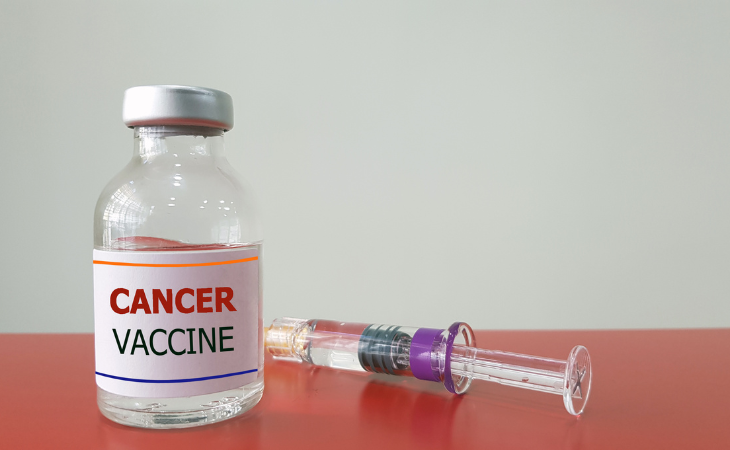
vaccine
Immunotherapy has been a game changer in cancer treatment, and it’s set to remain at the forefront of research. Monoclonal antibodies, such as Imfinzi, have shown promise in treating small-cell lung cancer, with experts noting its recent recommendation for approval in the European Union. By blocking the PD-L1 protein in cancer cells, this therapy enables the immune system to better recognize and attack tumors. 
 
T cell-based immunotherapies will also continue to evolve, with scientists predicting that innate immune cells—those that naturally regulate T cell responses—will play a larger role in the next generation of cancer treatments. Some believe that advancements in this area could lead to novel cancer vaccines that improve immune responses and broaden the range of treatable cancers. 
 
While cancer vaccines remain challenging to develop due to the way tumors evade the immune system, researchers are making strides in integrating them with immune checkpoint inhibitors, such as pembrolizumab. This combination approach is showing promise in boosting the body’s ability to fight tumors, offering hope for more effective long-term treatment strategies.

 
3. Bispecific antibodies gaining traction 
Bispecific antibodies—drugs that can target two different antigens at once—are becoming an increasingly important part of oncology trials. The FDA recently approved several bispecific antibody therapies, and experts predict that this class of drugs will continue expanding into new treatment areas in 2025. Researchers are particularly focused on optimizing dosing strategies and exploring the potential of bispecifics in treating solid tumors, which could make them an essential part of future cancer care. 
 
4. B cells and personalized cancer treatments

As researchers seek to develop more tailored cancer therapies, B cells are emerging as a promising avenue for drug development. Experts suggest that B cells not only generate antibodies that can recognize tumors but also help coordinate immune responses against them. Scientists are now working to develop treatments that harness these cells to target cancerous tissues while leaving healthy cells unharmed. This personalized approach could pave the way for more precise, less toxic treatment options in the years to come. Related: Lung Cancer Pill Cuts Risk of Death by 50% 
 
5. Cyclic peptides and the future of targeted therapy 
Another area of interest in cancer research is the development of cyclic peptides, a new class of targeted therapies. These compounds form a closed-loop structure that enables them to bind more effectively to cancer cell receptors, potentially disrupting tumor growth. Pharmaceutical companies have taken notice, with major deals being signed to accelerate the clinical development of cyclic peptide drugs. Many believe that these compounds represent the next big wave of cancer drug discovery, offering another tool in the fight against the disease.

 
6. Refining anti-angiogenesis therapy 
For over 20 years, anti-angiogenesis therapies have been used to slow tumor growth by cutting off their blood supply. While these treatments have been beneficial, their effectiveness has been restricted by side effects. Researchers are now focused on developing improved versions that specifically target cancer cells while reducing harm to healthy tissues. Experts believe these refinements will allow patients to tolerate the medications better, leading to longer treatment durations and improved survival rates. With ongoing advancements, these therapies may soon become a more reliable component of cancer care.


7. Antibody-drug conjugates (ADCs) advancing further 
ADCs have gained attention as a promising tool in cancer treatment, delivering potent drugs directly to cancer cells while sparing healthy tissue. There are now more than 100 ADC candidates being evaluated in clinical trials, with continuous improvements in drug potency and targeting mechanisms. Researchers believe these therapies will soon become a more widely used alternative to traditional chemotherapy, offering effective and less toxic options for patients. With further refinements, ADCs are expected to play an even greater role in personalized cancer treatment. 
 
 
8. Increased investment in neglected cancers
 
Cancer Care
Certain types of cancer, including pancreatic, brain, and stomach cancer, have historically received less research funding than more common cancers like breast and lung cancer. However, this trend is shifting. More resources are being allocated to finding new treatments, leading to promising advancements. In 2025, the availability of gene therapies for sickle cell disease is expected to increase, and researchers are making strides in CAR T cell therapy for aggressive brain tumors. These developments offer hope for patients with conditions that have long been difficult to treat. 


9. Understanding the link between diabetes 
Recent studies suggest that metabolic disorders like diabetes may be closely linked to cancer development. Researchers are investigating how better blood sugar control could reduce the risk of certain cancers. Some experts believe that diabetes drugs like GLP-1 receptor agonists could also play a role in cancer prevention. Ongoing research aims to determine whether improving metabolic health can lower cancer risks and improve patient outcomes. These findings could open new doors for prevention strategies and more targeted treatments. 
 
10. Unraveling the microbiome-cancer connection 
The trillions of microbes in the human body play a crucial role in overall health, including cancer progression and treatment response. Scientists are now studying how gut bacteria influence the effectiveness of cancer therapies. Early research suggests that microbiome composition and fiber intake may impact the success of immunotherapies and stem cell transplants. To better understand these connections, researchers are building large biorepositories to analyze microbiome samples. The goal is to develop more personalized treatments that take gut health into account, potentially improving patient outcomes.  
 
 
11. New strategies for early cancer detection Cancer Care
 Cancer Care
 
Cancer diagnoses in younger adults have been on the rise, making early detection more important than ever. Advances in liquid biopsy technology are offering new ways to identify cancer at its earliest stages. These tests can detect cancer-related genetic material in blood samples, potentially leading to quicker diagnoses and better treatment outcomes. Experts believe that widespread adoption of these screening methods could be a game-changer in catching cancers before they progress to more advanced stages.


This is only for your information, kindly take the advice of your doctor for medicines, exercises and so on.   


Labels: , , , , , ,

Saturday, March 27, 2021

Cancer drug can mitigate effects of most toxic protein produced by Covid-19 virus

Researchers at the University of Maryland School of Medicine (UMSOM) found the most toxic protein produced by SARS-CoV-2 and then used an FDA-approved cancer drug to mitigate the lethal effects.

In their experiments in fruit flies and human cell lines, the team found the cell process that the virus hijacks. They discovered new potential candidate drugs that could be tested for treating severe Covid-19 disease patients.

Their findings were published in the journals Cell & Bioscience, a Springer Nature journal.

“Our work suggests there is a way to prevent SARS-COV-2 from injuring the body’s tissues and doing extensive damage,” says senior author of the study Zhe “Zion” Han, PhD, Associate Professor of Medicine and Director of the Center for Precision Disease Modeling at UMSOM.

He noted that the most effective drug against Covid-19, remdesivir, only prevents the virus from making more copies of itself. However, it does not protect already infected cells from damage caused by the viral proteins.

The authors of the study discovered that a viral protein, known as Orf6, was the most toxic killing about half of the human cells. Two other proteins (Nsp6 and Orf7a) also proved toxic, killing about 30-40 per cent of the human cells.

Dr. Han’s team found that the virus’s toxic Orf6 protein sticks to multiple human proteins that have the job of moving materials out of the cell’s nucleus--the place in the cell that holds the genome, or the instructions for life.

They then discovered that one of these human moving proteins, targeted by the virus, gets blocked by the cancer drug selinexor.

The researchers then tested selinexor on human cells and fruit flies making the toxic viral protein to see if the drug could help reverse the damage. Selinexor, like many cancer drugs, is itself toxic.

However, the drug improved human cell survival by about 12 per cent. Selinexor prevented early death in about 15 per cent of the flies making the toxic viral protein. Selinexor is FDA-approved to treat certain blood cancers.

“More than 1,000 FDA-approved drugs are in clinical trials to test as treatments for Covid-19, and luckily a trial testing selinexor, the drug used in our study, is being performed already,” said Dr. Han.

“If this trial proves to be successful, our data will have demonstrated the underlying mechanism for why the drug works,” he added.

This is only for your information, kindly take the advice of your doctor for medicines, exercises and so on.     

https://gscrochetdesigns.blogspot.com. one can see my crochet creations  
https://gseasyrecipes.blogspot.com. feel free to view for easy, simple and healthy recipes    
https://kneereplacement-stickclub.blogspot.com. for info on knee replacement


Labels: , , , , ,

Sunday, February 23, 2020

Study Shows This Common Cancer Drug Works Just as Well When Taken for Half the Time


Herceptin, also called trastuzumab, is a cancer drug used to treat aggressive HER2-positive early-stage breast cancer. It is credited with saving many patients’ lives, but it often has some difficult side effects, including possibly permanent damage to the heart. For most people, it is prescribed for a year or longer, meaning patients must pay a great deal of money, spend lots of time in the hospital and at doctor’s appointments, and suffer from side effects during the course of their treatment. But a recent study might change all that.

The study, which was conducted in Britain and paid for by the British government, followed thousands of women with breast cancer for several years (median of over five years) to see how their treatment plans affected their treatment outcomes and cancer recurrence rates. Researchers found that for patients with stage I, II, or III breast cancer, Herceptin is just as effective when only taken over the course of 6 months, as opposed to a year or more.

A year-long course of Herceptin costs about $76,700, so patients who elect to undergo a shorter course of Herceptin stand to save a substantial chunk of change. They’ll also likely experience less severe side effects and spend less time making trips to hospitals and other healthcare facilities for treatment.

Research like this, which aims to discover when treatment should be stopped to provide the patient with the maximum benefit and the best outcome in terms of cost and side effects, is rarer than it should be. Pharmaceutical companies are not eager to fund or conduct this type of research for obvious reasons; if they discover a drug shouldn’t be taken for as long as was previously assumed, it’s money out of their pockets.

“When drug companies do research, they’re interested in gaining knowledge such that they can make money for their shareholders,” says Dr. Otis W. Brawley, chief medical and scientific officer of the American Cancer Society. “There is a difference. You will not see drug companies doing this kind of study. They don’t mind that somebody else did it, but they will not get caught doing a study that decreases their bottom line.”

But cancer drugs and other strong medications can be toxic, so taking a medication for a longer period of time than necessary may be more than just unwarranted—it could be unsafe as well.

This issue likely extends to other cancer drugs and medications for other diseases. It is important, for the well-being of so many patients who take pharmaceutical drugs, that the efficacy of those drugs be thoroughly studied. Taking a drug for longer than needed often has an immense physical, psychological, and financial burden on patients, and it could be causing more harm than we’re even aware of yet.

Luckily, this is not the first study of its kind to find. Other research has found that stopping treatment earlier can improve patient experiences without sacrificing efficacy. A 2017 study found that many colon cancer patients would receive just as much benefit from three months of chemotherapy treatment as from six. And in 2016, research done on gene activity in breast tumors showed that some women with early-stage breast cancer could safely skip pre-surgery chemotherapy treatments. There is also an increasing understanding among doctors and researchers that some cancer cases can be simply monitored rather than being immediately treated.
The Herceptin study provides hope for better financial, emotional, and physical health for many women and men who currently have cancer or will have cancer in the future. However, many experts are reserving judgment regarding the results of the study until it has been published and peer-reviewed. The 12-month course is still the only regimen of Herceptin approved for early-stage breast cancer by the Food and Drug Administration.

A spokesperson from Genentech, the maker of Herceptin, said in a statement that her company had not found the drug to be as effective when taken for a shorter period of time.

This is only for your information, kindly take the advice of your doctor for medicines, exercises and so on.     

https://gscrochetdesigns.blogspot.com. one can see my crochet creations  
https://gseasyrecipes.blogspot.com. feel free to view for easy, simple and healthy recipes    
https://kneereplacement-stickclub.blogspot.com. for info on knee replacement
 

Labels: , , , , , , , , ,

Saturday, December 30, 2017

Cancer drug ups heart failure, hypertension risk in multiple myeloma patients

A study has recently found that taking a higher dose of Carfilzomib, which is used for treating cancer, can increase the risk of hypertension, heart failure, and heart attacks in multiple myeloma patients.

Multiple myeloma (MM) is a bone marrow cancer that affects plasma cells.

The proteasome inhibitor carfilzomib has taken on an increasing role in the treatment of multiple myeloma.

According to the researchers, higher doses of Carfilzomib are associated with higher rates of cardiovascular adverse events (CVAE).

The results showed that 18 per cent of multiple myeloma patients receiving Carfilzomib experienced cardiovascular adverse events (CVAE) such as hypertension, heart failure, heart attacks, or arrhythmia.

Lead author said that like any cancer therapy, the concern with this approach was that it might have an effect on an otherwise healthy part of the body - in this case, the heart.

The team gathered data from 24 studies reported from 2007 through 2017, which included information on 2,594 MM patients.

They found 18.1 per cent of patients who took Carfilzomib experienced CVAE, with 8.2 per cent of those cases being grade three or higher, meaning they are categorised as severe.

The most common CVAEs were hypertension (12.2 per cent) and heart failure (4.1 per cent). Arrhythmias (2.4 per cent) and ischemic events (1.8 per cent) - in which there isn't enough blood flow to the heart leading to the death of heart muscle.

"Taken together, these findings argue that carfilzomib is responsible for an elevated risk, and anyone who is treating patients with this drug needs to be aware that this is a common event,"the author stated.

The researchers noted that these findings were particularly important since there were already overlapping risk factors for both MM and cardiovascular disease, such as older age and obesity.

THIS IS ONLY FOR INFORMATION, ALWAYS CONSULT YOU PHYSICIAN BEFORE HAVING ANY PARTICULAR FOOD/ MEDICATION/EXERCISE/OTHER REMEDIES.    
 
PS- THOSE INTERESTED IN RECIPES ARE FREE TO VIEW MY BLOG-                      

HTTP:GSEASYRECIPES.BLOGSPOT.COM/
FOR INFO ABOUT KNEE REPLACEMENT, YOU CAN VIEW MY BLOG-                                                                       
HTTP://KNEE REPLACEMENT-STICK CLUB.BLOGSPOT.COM/
FOR CROCHET DESIGNS

HTTP://MY CROCHET CREATIONS.BLOGSPOT.COM

Labels: , , , , , , , ,