Cut Down Your Risk of Dementia by Eating This Fruit
Strawberry consumption may significantly
reduce the risk of dementia, a recent study found. The research focused
on overweight individuals experiencing mild cognitive impairment,
directing half to refrain from consuming any berries while the other
half incorporated a daily intake equivalent to a cup of strawberries.
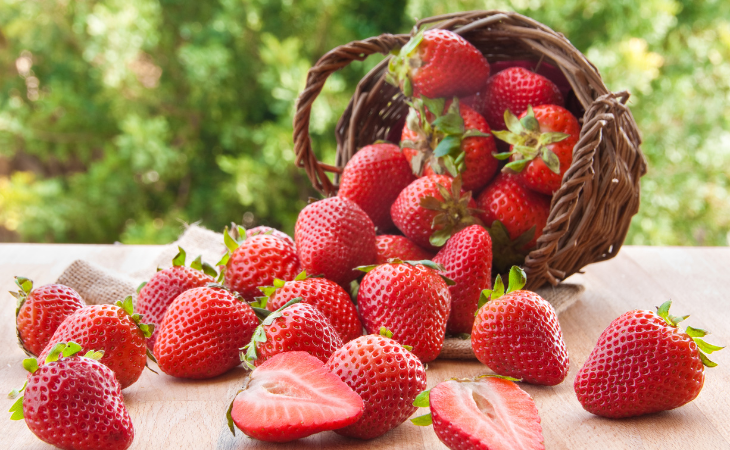
eating strawberries
After a 12-week period, people who consumed
strawberry powder performed better on memory tests testing word recall,
according to the findings of the study. The study builds on the team's
prior research on blueberries, blackberries, and other berries that have
been found to lower the incidence of dementia. This is because
blueberries and strawberries are packed with antioxidants called
anthocyanins, which combat free radicals, which cause chronic
inflammation and are a risk factor for dementia.
Dr Robert Krikorian, lead study author and
professor emeritus in the College of Medicine at the University of
Cincinnati, said: 'There is epidemiological data suggesting that people
who consume strawberries or blueberries regularly have a slower rate of
cognitive decline with aging.'
The researchers studied 30 overweight people, aged 50 to 65, with mild
cognitive impairment due to their elevated risk of dementia. Over a
12-week period, participants were advised to avoid berries in favor of a
daily supplement powder mixed with water at breakfast, which provided
the nutritional equivalent of a cup of whole strawberries.
The powder was given to half of the participants, while the remaining
participants were provided with a placebo. Following this, they
underwent memory tests, and researchers monitored their mood, level of
depressive symptoms, and metabolic activity.
Participants who consumed strawberry powder
performed better on memory tests and had a significant reduction in
depressive symptoms.
Strawberries also have ellagitannins and
ellagic acid, which have anti-inflammatory, antioxidant, antibacterial,
and anticancer properties. Professor Krikorian claims that the
strawberries studied in his study may improve cognitive performance by
reducing brain inflammation.
As executive functions are prone to frequent deterioration during middle
age, it is crucial to note that diseases like insulin resistance and
obesity, which are characterized by surplus belly fat, are highly likely
to aggravate inflammation, thus magnifying its impact on the brain.
Given the middle-aged, overweight, and prediabetic makeup of their
group, Krikorian believes that higher inflammation levels may have
played a role in minor executive function impairment. As a result, the
positive results they saw may be linked to the strawberry group's
putative anti-inflammatory properties.
Krikorian stressed the importance of future studies including a bigger
participant pool and examining different strawberry dosage levels.
The study was published in the journal Nutrients.
This is only for your information, kindly take the advice of your doctor for medicines, exercises and so on.
https://gscrochetdesigns.blogspot.com. one can see my crochet creations
https://gseasyrecipes.blogspot.com. feel free to view for easy, simple and healthy recipes
https://kneereplacement-stickclub.blogspot.com. for info on knee replacement
https://cancersupportindia.blogspot.com for infor on cancer and health related topics
https://GSiyers home remedies.blogspot.com is the latest addition to my blogs. I'm going to add posts there, do give me your valuable feed back on my blogs. Thanks a lot, take care, be healthy and be happy.
https://gscrochetdesigns.blogspot.com. one can see my crochet creations
https://gseasyrecipes.blogspot.com. feel free to view for easy, simple and healthy recipes
https://kneereplacement-stickclub.blogspot.com. for info on knee replacement
https://cancersupportindia.blogspot.com for infor on cancer and health related topics
https://GSiyers home remedies.blogspot.com is the latest addition to my blogs. I'm going to add posts there, do give me your valuable feed back on my blogs. Thanks a lot, take care, be healthy and be happy.
Labels: anti-inflammatory, antioxidant, boost memory, cognitive impairment, dementia- strawberries, depressive symptoms, ellagic acid, ellagitannins, insulin resistance, metabolic activity, obesity
posted by G S Iyer at 10:08 PM
0 comments
