Aspirin for heart attack: The right way to consume it and precautions to take note
Aspirin is known to reduce the risk of a heart attack. A heart attack often occurs due to a blocked coronary artery, which can lead to reduced blood flow to the heart muscle. Aspirin can help prevent further clot formation and improve blood flow.
A new study, has found that at the 20year follow-up, those who had stopped taking aspiring had a 29% higher likelihood of a recurrent heart attack, stroke, or death; at 4-year follow-up the risk increased to 40 %.
A study has found that taking aspirin regularly can reduce the risk of a 2nd heart attack.
It is found that only about 40% of those who have a cardiovascular event take aspirin.
Considering the importance of aspiring in preventing cardiovascular events, we spoke to an expert on how to consume it.
“ Aspirin is a commonly used medication for reducing the risk of heart attack and managing acute myocardial infarction ( heart attack) symptoms. It is essential to understand the appropriate dosage, administration methods, and precautions associated with aspirin use in the context of a heart attack. One can follow comprehensive information to make informed decisions about consuming aspiring during a heart attack, says a well known cardiologist.
How to take aspiring for heart attack?
When a heart attack is suspected, taking aspiring promptly can help reduce the risk of further damage to the heart. A cardiologist recommends taking aspiring in the following manner-
chew/ crush- Aspirin should be chewed or crushed before swallowing. Chewing or crushing it allows for faster absorption into the bloodstream, promoting quicker action.
Rapid action- it is crucial to take the aspiring as soon as possible after experiencing heart attack symptoms. Prompt administration maximises its potential benefits in preventing blood clot formation.
What should be the dosage?
The standard dosage of aspiring for a suspected heart attack recommended is-
Low dose aspirin- A dose of 162-235 mg of non-enteric coated or chewable aspiring is typically recommended.
Enteric-coated aspirin- Enteric coated aspiring should be avoided during a heart attack, as it may delay absorption and hinder the rapid action required in such situations.
Medical Guidance- while the standard dosage is widely recommended, it is essential to consult a healthcare professional for personalised advice based on the individual’s medical history and condition.
Who should avoid taking aspirin?
The cardiologists advises to follow precautions while taking aspirin. The following groups of people should exercise caution or avoid aspiring use, he says-
Allergy / sensitivity- Individuals with a known allergy or sensitivity to aspirin should avoid its use.
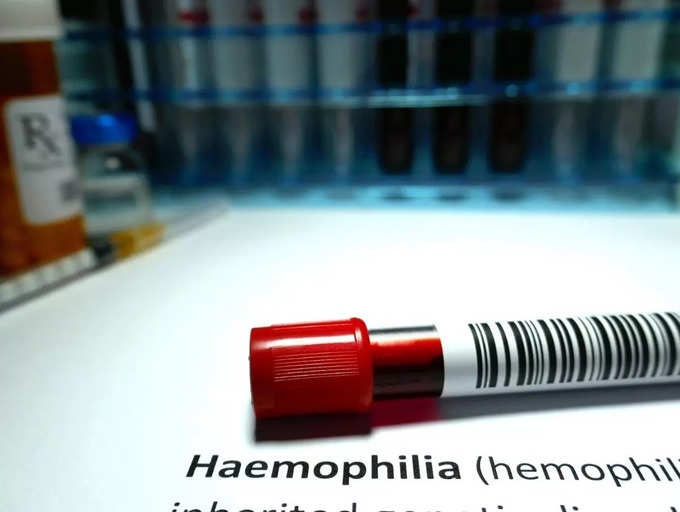
Bleeding disorders- Aspirin can increase the risk of bleeding, so individuals with bleeding disorders or a history of gastrointestinal bleeding should consult a healthcare professional before taking aspirin.
Ulcers or stomach issues- Aspirin can potentially worsen ulcers or gastrointestinal conditions. Individuals with a history of ulcers or stomach issues should seek medical advice before using aspirin.
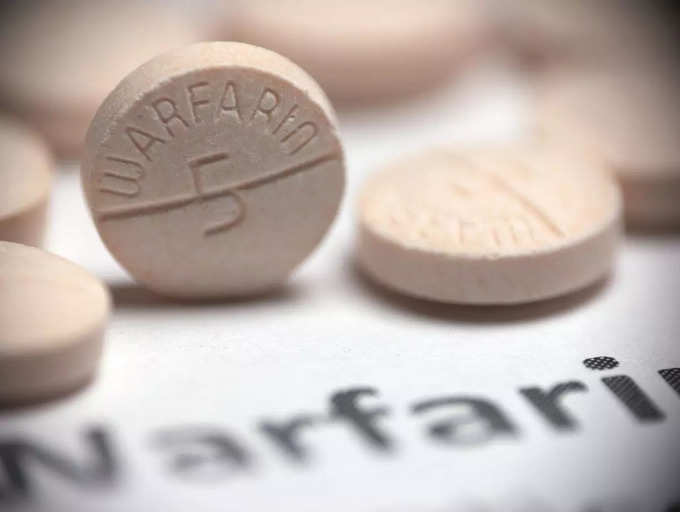
Medical interactions- Aspirin may interact with certain medications, such as blood thinners, antiplatelet drugs, and nonsteroidal anti-inflammatory drugs (NSAIDs). It is crucial to inform healthcare providers about all the medications being taken to avoid adverse interactions.
It is very important to remember that you should take aspirin only under the supervision and after consultation of a registered medical professional. Please do not start ir stop an aspirin without consultation with a medical professional”, the Dr. recommends.
This is only for your information, kindly take the advice of your doctor for medicines, exercises and so on.
https://gscrochetdesigns.blogspot.com. one can see my crochet creations
https://gseasyrecipes.blogspot.com. feel free to view for easy, simple and healthy recipes
https://kneereplacement-stickclub.blogspot.com. for info on knee replacement
https://cancersupportindia.blogspot.com for infor on cancer and health related topics
https://GSiyers
home remedies.blogspot.com is the latest addition to my blogs. I'm
going to add posts there, do give me your valuable feed back on my
blogs. Thanks a lot, take care, be healthy and be happy.
Labels: aspirin, avoid- allergy, bleeding disorders, chew/ crush aspirin, heart attack, medical interactions, rapid action, sensitivity, stomach issues, ulcers
posted by G S Iyer at 2:08 AM
0 comments