Thursday, July 24, 2025

6 Rehydrating Drinks to Help You Recover After Exercising

The way you fuel and replenish your body after exercising really matters. This way, you will reap the maximum benefit of your workout. According to nutrition experts, the two nutrients the body needs the most after physical exertion are protein and carbohydrates. Post-workout drinks are the easiest and quickest way to attain them. 

The good news is that you really don’t have to stick to plain water. For optimal hydration and recovery after a workout, here are six recommended drinks that work just as well as water. Some of the options may even surprise you. 
 
1. Chocolate Milk
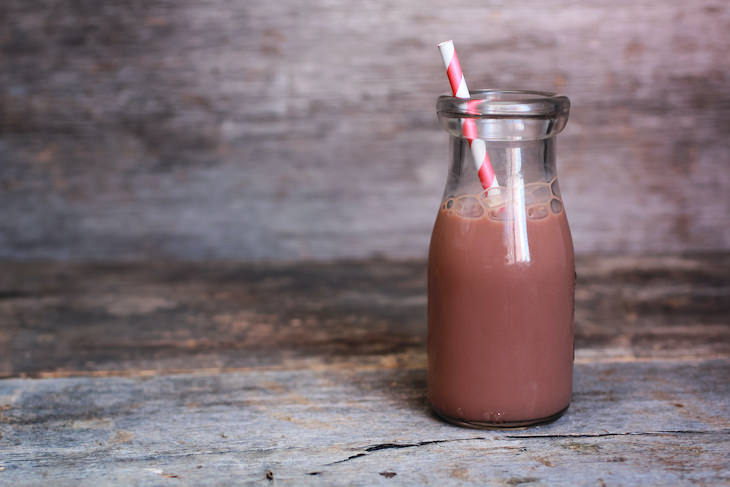
Best Drinks To Help You Recover After Exercise chocolate milk
Good news to all the chocolate lovers out there. Not only is chocolate milk delicious, but it also ranks as the best post-workout beverage, according to nutritionists. Just one glass of low-fat chocolate milk provides about 8 grams of protein. It’s also packed with carbohydrates and many other important nutrients and electrolytes that are commonly lost through sweating, such as calcium, potassium, sodium, and magnesium. 
 
Electrolytes are chemicals that conduct electricity when mixed with water. They regulate nerve and muscle function, hydrate the body, balance blood acidity and blood pressure, and help rebuild damaged tissues. Losing too many electrolytes through sweating can cause fatigue and muscle cramps. Chocolate milk can help with that. One study from 2011 found it to be more effective than water at combating exercise-induced dehydration in children. 
 
2. Coconut Water 
Coconut water is known for its many health benefits, all thanks to its high levels of antioxidants and other beneficial nutrients. So it comes as no surprise that coconut water is a great post-workout drink. Besides being refreshing, coconut water also contains electrolytes like magnesium and potassium. One study found it as beneficial as sports drinks and water for post-workout recovery. 
 
The drawback of coconut water is that it’s low in carbs, proteins, and sodium. The study also noted that drinking high amounts of coconut water or coconut water concentrate could cause bloating and an upset stomach. The best way to incorporate coconut in your post-workout routine is to add it into a smoothie or shake instead of drinking it by itself. 
 
3. Orange Juice 
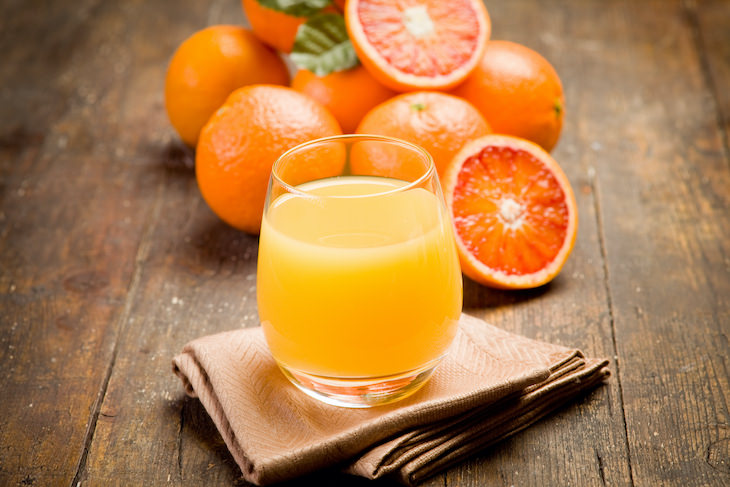
Best Drinks To Help You Recover After Exercise orange juice

Orange juice is usually associated with breakfast, but it can be a great post-workout drink, no matter what time of the day you decide to break a sweat. While some people may avoid orange juice due to its acidity, a study published in the Journal of Nutrition and Health Sciences concluded that orange juice satisfies thirst without causing stomach distress after a workout. 
 
In addition to immunity-boosting vitamin C, 100 percent orange juice also provides you with potassium and other electrolytes. The natural sugars found in orange juice help replenish energy and minerals, leading to faster recovery. 

4. Beetroot Juice

Best Drinks To Help You Recover After Exercise beetroot juice
Beetroot juice is rich in potassium, vitamin C, magnesium, iron, and sodium. A small study also showed that drinking beetroot juice boosts physical performance. It does so by increasing the levels of nitric oxide (NO), which serves multiple functions related to increased blood flow and improved muscle contraction. 
 
It is generally recommended to drink 7 to 10 ounces of beetroot juice immediately after a taxing activity. Since beetroot juice doesn’t contain the sufficient amount of protein you need after a workout, it would be wise to add it into a shake rather than drink it plain.

5. Cherry juice
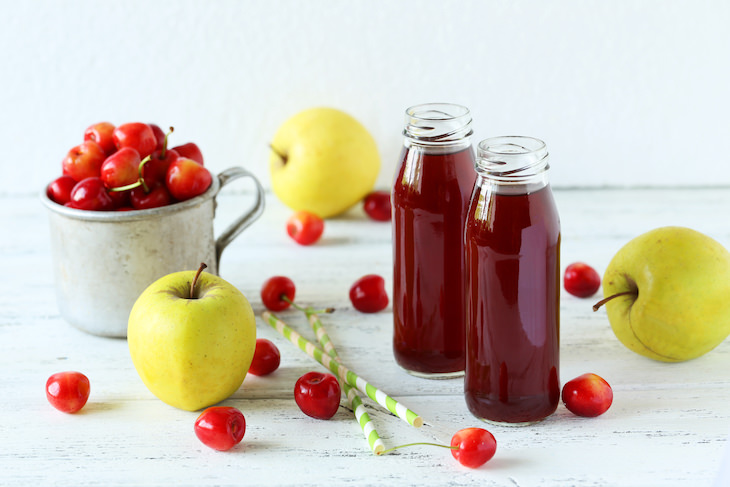
Best Drinks To Help You Recover After Exercise cherry juice
Antioxidant-rich cherry juice is an excellent choice for a post-workout drink. It is known to reduce inflammation and benefits muscle functioning. This claim is backed by a study, which found cherry juice to decrease muscle damage. Cherry juice was also found to significantly prevent strength loss compared to a placebo. 
 
However, registered dietitian Amy Gorin notes that cherry juice lacks the proper amount of carbs you need after a workout. And while it can be beneficial for both endurance athletes and everyday workouts, it’s important to find an unsweetened version of the drink. 
 
6. Tea
You probably already know that a relaxing cup of tea goes a long way. Research shows that both green and black tea help in fat oxidation during aerobic exercise and post-workout recovery. Fat oxidation is the process where fats are broken into smaller molecules that get stored and used for energy. Much like cherry juice, the high levels of antioxidants found in tea have been shown to reduce muscle soreness and speed up muscle recovery.

What about coffee? 
It may sound surprising, but drinking coffee after a workout has some benefits. For example, coffee has been found to decrease muscle pain by blocking the activity of a chemical called adenosine, which is released as part of the inflammatory response to injury or exertion.

That being said, it’s the least helpful option on this list. That’s because coffee tends to be a bit dehydrating, which is the opposite of what you need for a post-workout beverage. However, consuming caffeine as a pre-workout drink may improve your performance. 
 
And what about post-workout happy hour? 
 
Happy hour after a workout session may not be such a bad idea! Like sports drinks, beer contains carbs and electrolytes. According to several studies, it also doesn't have negative effects on hydration. Light beer with added sodium, in particular, has been shown to replace fluid loss after high-intensity cycling.


This is only for your information, kindly take the advice of your doctor for medicines, exercises and so on.   

Labels: , , , , , ,

Sunday, March 09, 2025

Benefits and side-effectss of drinking beetroot juice

You may be having beetroot juice as a pre-workout drink or pairing it with your breakfast to support heart health. Yes, there are multiple benefits of drinking the beverage, which is made by extracting the liquid from the root of a raw or cooked beetroot plant. It contains betalains and nitrates along with vitamin C that offer a wide range of health benefits. There are advantages, but there are also downsides of consuming this beverage. Before making it part of your daily diet, know about the potential side effects of beetroot juice. Don’t forget that moderation is the best way to enjoy the benefits.

 Beetroot juice

What are the health benefits of drinking beetroot juice?

Before checking out the side effects of beetroot juice, know why it is popular among health conscious people:

  • It contains nitrates that may help to dilate blood vessels. “This may reduce the strain on your heart and improve your overall cardiovascular health,” says clinical dietician. A 2015 study showed that drinking this juice can improve cardiac function.
  • It is a popular pre-workout drink as it may enhance performance by increasing blood flow to muscles and reducing muscle soreness.
  • The nitrates in this healthy drink may enhance blood flow to the brain. “It can potentially improve cognitive function, focus, and memory,” says the expert.
  • It is rich in vitamin C, which is known to help in boosting immunity and keep infections at bay.
  • “It promotes liver detoxification by eliminating toxins,” says the expert. It holds potential as an effective treatment for non-alcoholic fatty liver disease in adults, according to research published in  in 2023.


What are the side effects of beetroot juice?

While there are health benefits of beetroot juice, excessive consumption can cause several adverse effects. Here are some of the side effects of beetroot juice:

1. May cause cancer

The bright red-coloured juice contains high levels of nitrates, which, under normal circumstances, help improve blood circulation and oxygen delivery in the body. These nitrates may have to do with one of the side effects of beetroot juice. “When consumed in excess, the nitrates can react with stomach acids and lead to the formation of N-nitroso compounds,” says the expert. They are a class of compounds known to have the potential to cause cancer, as per an analysis published  in 2021.

2. Increased risk of kidney stones

The vegetable is naturally high in oxalates, compounds that can easily bind with calcium in your body and lead to the formation of calcium-oxalate crystals. “These crystals can get collected in the kidneys, and increase the risk of kidney stone formation,” says Chishti. People who are prone to kidney stones or have a history of kidney-related issues should be cautious about consuming beetroot juice frequently.

3. Dangerous drop in blood pressure

Beetroot juice is widely known for its ability to lower blood pressure due to its high nitrate content, which helps dilate blood vessels and improve circulation. “While this is beneficial for people with high blood pressure (hypertension), it can be dangerous for those who already have low blood pressure (hypotension) or are on blood pressure medication,” says the expert.

4. Digestive discomfort

Discomfort in tummy is one of the side effects of beetroot juice. “It is highly acidic and can cause digestive discomfort, particularly when consumed in large quantities or on an empty stomach,” says the expert. The fermentable carbohydrates in the juice can lead to excessive gas production in the intestines, causing bloating and discomfort. “Drinking too much beetroot juice at once, especially without food, may cause loose stools, diarrhea, or abdominal pain in some people,” says the expert.

5. Hair loss

Hair loss is one of the side effects of beetroot juice. It is rich in oxalates, which, apart from increasing the risk of kidney stones, can interfere with tour body’s absorption of essential minerals like zinc. “It is a crucial nutrient for healthy hair growth and scalp health. It is needed to strengthen hair follicles, and prevent excessive hair shedding  and thinning,” says the expert. If your body does not absorb enough zinc due to high oxalate intake, it may lead to nutrient deficiencies that can weaken hair follicles, resulting in increased hair loss over time.

6. Blood sugar spikes

Beetroot contains a moderate amount of natural sugars. While eating whole beets provides fibre, which helps slow down sugar absorption, the juice lacks fibre, making the sugar content more concentrated. “This can lead to spikes in blood sugar levels, especially for diabetics,” says the expert.

7. May interact with medicines

Beetroot juice has the potential to interact with certain medications, which can affect their absorption, effectiveness or how your body responds to them. “It contains vitamin K, which plays a role in blood clotting. This can interfere with anticoagulant medications, potentially reducing their effectiveness and increasing the risk of blood clots or excessive bleeding,” says the expert.

How much beetroot juice should you consume?

“To stay away from the side effects of beetroot juice, consume 120 to 240 ml (approximately half to one cup) of the juice per day,” says Chishti. This amount is considered effective in supporting heart health, improving blood circulation, enhancing stamina, and aiding in detoxification due to its high nitrate content.

“However, it is better to eat the whole vegetable rather than juicing it, as whole beets retain fibre, which helps regulate blood sugar levels and supports digestion,” says the expert. Also, diabetics should avoid the beverage, as juicing the vegetable removes the fibre that helps slow down sugar absorption. “This can lead to blood sugar spikes, making it unsuitable for people with uncontrolled diabetes,” says the expert. Those managing their blood sugar levels should consume beetroot in moderation and consult their doctor before including it in their diet.

If you are drinking beetroot juice daily, make sure to have it in moderation. Drinking it in excess can negatively impact your health. Stomach discomfort and formation of kidney stones are some of the side effects of beetroot juice.


This is only for your information, kindly take the advice of your doctor for medicines, exercises and so on.   


Labels: , , , , , , , , ,

Friday, February 28, 2025

Beetroot Juice Can Make a Change To Your Health

 Beetroot has become a very popular nutritional ingredient lately, which can completely be explained by the scientific findings pointing at its capability to lower blood pressure and inflammation levels in the body. And these are only 2 of the numerous health benefits of this colorful root vegetable, which we will discuss in this article. 

The health claims are only half of the story, however, as beetroot is a plentiful source of many essential vitamins and nutrients, such as vitamin C, calcium, folate, magnesium, and zinc, just to name a few. One can reap the benefits of beetroots by either adding it to foods, or by simply drinking a glass of beetroot juice.

beetroot juice beetroot juice
This bright-colored juice can be easily mixed into smoothies and other fruit and vegetable juices, which make it a very easy way to incorporate beets into your diet. Now let’s finally move on to the health benefits of beetroot juice:

1. Beetroot juice can lower Blood Pressure
One of the most outstanding findings about beetroots is their proven capability to lower blood pressure. In several studies, participants with hypertension who drank beetroot juice had a lower blood pressure than the controls.

This is most likely due to the fact that the root vegetable naturally contains large quantities or nitrates, which, when converted into nitric oxide in our body, can improve the blood flow through the blood vessels by dilating them. In addition, beets have a lot of copper and magnesium, both of which promote cardiovascular health.

2.  Drink beetroot juice to get more out of your exercise
Beetroot juice can not only help you deal with a health condition that is bothering you, it can also boost your athletic performance. Such compounds, as nitrates and betalains may increase blood circulation and make sure more oxygen is getting to your muscles, which can be very beneficial for making exercises less burdensome and increasing their efficiency.

In a 2018 research paper, cyclists who drank beetroot concentrate for only 1 week significantly improved their performance during exercise. The antioxidants and phytochemicals in beetroot, too, may improve your energy levels.


3. Prevent anemia by drinking beetroot juice
 beetroot juice Prevent Anemia
 
Beetroots are one of the best sources of iron, which is essential for producing red blood cells. When a person is consistently consuming less iron than they should, their red blood cells can no longer bring oxygen to the different parts of your body. This can lead to the development of a condition that’s called iron deficiency anemia. 
 
If you want to learn about the symptoms of this condition, follow this link. Usually, you can prevent and reverse the development of this type of anemia by consuming plenty of iron-rich foods, and beetroot juice is a great example of such food. 
 
On top of that, beets also contain vitamin B6, which enables the creation of hemoglobin, the protein in the red blood cells that carries oxygen. Usually, the more iron-rich foods you consume, the more vitamin B6 you need to make hemoglobin, and beetroot juice can provide you with both. 
 
4. Protect Your Liver from Damage with a Daily Dose of Beetroot Juice
The liver is one of the first organs to suffer from an unhealthy diet, so protecting it from damage and promoting its health is super important. Beetroot juice is very rich in antioxidants, vitamin B-6, vitamin A, as well as iron. 
 
A cocktail of all of the these compounds is known to help shield the liver from oxidative stress, as well as inflammation. Apart from that, beetroot juice may boost the liver’s ability to remove toxins from your body, too.

5. NO more inflammation Thanks to Beetroot Juice
 beetroot juice inflammation
 
Yet another remarkable feature of this root vegetable lies in its ability to lower the level of inflammation in the body. Studies suggest that anti-inflammatory compounds in beetroot juice called betalains may significantly decrease the activity of inflammatory enzymes. 
 
Apart from that, beetroots contain a lot of phytochemicals, which are known to stimulate the immune system, reduce the effects of oxidative stress and minimize the levels of inflammation in the body. 


This is only for your information, kindly take the advice of your doctor for medicines, exercises and so on.   


Labels: , , , , ,

These Drinks Give Your Brain a Massive Health Boost!

Your brain is an organ that relies on your daily nutrition a lot more than many other parts of the human body. Think about it: the brain makes up only around two percent of our body mass, but it consumes around 20% of the calories we eat. That’s a lot of fuel! And the kind of fuel you put into your body really matters too.

A healthy diet makes a huge impact on your brain health, memory, concentration, and alertness. And that includes not only the foods you eat but also the drinks you consume throughout the day. If you rely on soda and fruit juices, your brain will not be happy. But what should you drink then apart from water, then? 
We prepared a list of 10 excellent beverage suggestions that will both hydrate you and boost your brainpower. 
 
1. Beetroot juice
Beverages For Brain Health Beetroot juice
Beets are one of the most overlooked vegetables in existence. Some of you will know that these deep red root veggies are beneficial for eye health, digestion, and blood pressure, but few are aware that their vasodilative effect is also tied to improved brain function and a lower risk of vascular dementia. 
 
Research from the UK suggests that beetroot contains an abundance of nitrates, which our oral bacteria turn into nitric oxide, a beneficial compound that the body uses to promote blood flow, including to the brain. Other research confirmed that nitric oxide is important for such cognitive functions as decision-making, learning, and language, and diversifying your beverages with beetroot juice may improve these functions. 
 
“Beets are rich in nitrates, which help with the dilation of blood vessels and subsequently increase blood flow to the brain, which may improve mental and cognitive function,” explained nutritionist and dietitian Rebecca Ditkoff to Rally Health. "This means increased cognitive function in the present, and potentially reduced risk of dementia in the future." It is also known that older adults have lower levels of nitric oxide than younger folks, so they may benefit from beetroot juice even more.
 
2. Lemon balm tea
 Beverages For Brain Health Lemon balm
Lemon balm (Melissa officinalis) can be easily mistaken for mint, as it belongs to the mint family, but it is slightly different, as it has a gentle lemony scent and flavor. You can brew both fresh and dried lemon balm into an herbal tea: 1 teaspoon should be enough to prepare 1 cup of tea. 
 
The relaxing and calming properties of lemon balm tea are well-known, and it’s commonly recommended as an evening drink for people who suffer from insomnia and anxiety. Researchers suggest that this pleasant herbal tea may also be beneficial for improving concentration, relieving headaches, and improving cognitive function in the long term. A study from 2003 even suggested that lemon balm extract, a concentrated form of the herb, helped patients with mild to moderate Alzheimer's disease experience an improvement in cognitive functioning compared to a control group who took a placebo.


3. Coffee
If you’re a coffee drinker and would like to boost your brain health, carry on enjoying your morning brew (in moderation, of course). Since most of you likely already know what coffee can do for your cognition, focus, and alertness first hand, we won’t sing praises to coffee for long here. But we’ll say this: lifelong coffee drinkers have a reduced risk of cognitive decline, Parkinson’s disease, and Alzheimer's disease. That fact alone says a lot.

Interestingly, researchers have also found that coffee increases the brain’s ability to process information by boosting a process called entropy, or the brain’s complex and variable brain activity. Lastly, note that we can thank not just caffeine but also other antioxidants, such as phenols and chlorogenic acid, for all these beneficial effects. So taking caffeine through supplements probably won’t give you the same effects as an actual cup of coffee. 
 
 
4. Turmeric tea
Beverages For Brain Health Turmeric tea
Turmeric teas or turmeric lattes are often recommended as coffee replacements for those who have insomnia. And for many of you, turmeric is a familiar face. This bright yellow spice is regarded as a powerful remedy in Ayurveda and Chinese medicine, and researchers have established that the active compound in this herb called curcumin has anti-inflammatory properties. 
 
Scientists are currently looking into the possibility that this herb may also benefit the brain by improving memory and reducing the risk of Alzheimer's disease. Research from 2019 states that consuming turmeric urges the body to produce a protein called brain-derived neurotrophic factor (BDNF). This protein plays a huge role in learning and memory, and low levels of it are linked to memory problems, neurological issues, and even mental health disorders. 


5. Berry Smoothies
 Beverages For Brain Health Berry smoothie
 Herbs and spices are not the only ingredients capable of giving your brain a boost. Apart from being delicious, all berry smoothies and juices are just as good for your cognition and brain health! However you choose to consume blueberries, raspberries, acai berries, or strawberries, all of them make excellent brain food. The natural compounds that make berry juices and smoothies so beneficial are called anthocyanins. 
 
They give berries their bright colors while also acting as powerful antioxidants that guard your brain cells against damage. Research suggests that consuming blueberries, in particular, has a beneficial effect on short-term memory and long-term memory. Just remember that store-bought juices are less beneficial because they tend to be overloaded with sugar, so it’s better to make your own berry juice or smoothie at home.


6. Tea
 Beverages For Brain Health Tea
 Did you know that tea is the most popular drink in the world after water? The reason why tea is so popular is clear. Like coffee, tea contains caffeine that gives your brain an energy boost, but the effects of tea are much milder, so even those who are usually not allowed to drink coffee, such as kids, can freely enjoy tea. Apart from caffeine, tea contains L-theanine and epigallocatechin gallate (EGCG), both of which contribute to its brain-boosting effects. 
 
EGCG is a well-known antioxidant capable of guarding brain cells against damage. Research has established that this compound can cross the blood-brain barrier, so it could theoretically help neurodegenerative diseases. 
 
As for L-theanine, it is known to reduce anxiety and raise dopamine levels, which is why drinking tea can lift your mood and increase your motivation and attention. A 2021 study from Japan tested how L-theanine influences attention and found that the stuff alleviates brain fog while also promoting working memory and attention. Also, note that low dopamine levels are associated with neurological disorders like Parkinson’s Disease, so consuming tea could potentially help protect your brain.


7. Ginseng tea
 Beverages For Brain Health Ginseng
Ginseng root is one of the most recognized herbs in traditional Chinese medicine. It’s available either fresh, dried whole, or in powdered form. Practitioners have been using this herb for various purposes, including improved concentration and memory, for centuries. 
 
The root contains anti-inflammatory compounds called ginsenosides that were found in preliminary studies to clear beta-amyloid plaques found in the brains of people with Alzheimer's disease. Researchers are continuing to explore ginseng’s potential in aiding memory and preventing neurodegenerative diseases. If you want to start drinking ginseng tea daily and have any underlying health conditions, ask your doctor before you begin. Ginseng can have a blood-thinning effect and can lower blood sugar, so it could potentially interact with your medication and cause side effects.


9. Rhodiola tea
Beverages For Brain Health Rhodiola tea
Also known as arctic root or golden root, Rhodiola is an herb native to the mountainous regions of Europe and Asia. Prepared from the dried roots of the Rhodiola rosea plant, Rhodiola teas and tinctures are a traditional remedy for anxiety, depression, and fatigue in Russia and Scandinavia.
 
The root has over 140 active compounds, the most prominent ones of them being rosavin and salidroside, both of which are strong antioxidants. Research suggests that taking Rhodiola can alleviate fatigue in humans, and a range of animal studies also point to the fact that Rhodiola can boost memory, increase cognition, learning, and reduce symptoms of depression. 
 
 
9. Lion’s mane mushroom
 Lion's Mane Mushroom - Queen Victoria Market  Hericium erinaceus - Wikipedia
 Mushrooms for brain health? We were just as surprised as you are, but it turns out this shaggy mushroom is widely used in Asian cooking and medicine. Hericium erinaceus is large species of edible fungi that have a white and fluffy body reminiscent of a lion's mane. These mushrooms contain the compounds hericenones and erinacines that stimulate brain cell growth and may even improve the symptoms of mild cognitive impairment, a condition that precedes dementia according to an animal study from 2011. 
 
Fresh lion's mane mushrooms can be harder to find in the US, but they’re sold in powdered form that you can add to hot water and brew into tea or mix into a smoothie. 
 
 
10. Green smoothies
Beverages For Brain Health Green smoothies
Speaking of smoothies, the last beverage on this list is a smoothie you can easily combine with many of the other ingredients we listed earlier. One of the best drinks you can make to boost your brainpower and slow down mental decline is a green smoothie. That’s because just 1 serving of spinach, kale, or any other greens can enrich your body with folate, vitamin C, vitamin A, and lutein. All of these nutrients promote long-term brain health, but they can also improve your energy levels and focus throughout the day. 
 
The specific benefits will, of course, depend on the ingredients you choose to use in your smoothie. Here are just a few recommendations:

Spinach 
Celery 
Green apples 
Cucumbers 
Kale 
Banana 
Avocado. 
 
To increase mental clarity even further, you can whizz in some of the other ingredients we mentioned earlier, such as beetroot juice, berries, powdered green tea, walnuts, or lion’s mane mushroom powder. 
 
Here’s a basic smoothie recipe suggestion you can try:
Green smoothie
 
 Ingredients 
 - A handful of raw spinach 
- 1 ripe avocado or banana 
- 1 green apple 
- ½ cup (120 ml) milk 
- 1 cup (245 g) of plain yogurt. 
 
1. Wash the spinach and apple. 
 
2. Cut the fruit into big slices. 
 
3. Combine all ingredients in a blender and process until smooth. If the smoothie is too thick, you can add more milk until you reach your desired consistency.
 
Hope you enjoyed this educational article and learned a thing or two about brain health. One last note: while these drinks are certainly beneficial for your brain and overall health, they are not medicine and cannot replace a treatment you require. If you experience any cognitive decline symptoms, such as lapses in memory, difficulty concentrating, or trouble learning new information, we highly recommend seeking professional help.

This is only for your information, kindly take the advice of your doctor for medicines, exercises and so on.   


Labels: , , , , , , , ,