Tuesday, December 23, 2025

7 Herbs for managing anxiety

We all struggle with anxiety from time to time, but you're not alone in this battle. Anxiety disorders are the most prevalent mental health disorders worldwide, affecting over 300 million people. Notably, anxiety disorders have a higher prevalence among women than among men.
Treatment options for anxiety disorders have grown over time to include both prescription drugs and natural alternatives. Some anxiety medications can cause unpleasant side effects, so those with anxiety do consider herbal medicines as an alternative. This is because many herbal supplements have been found to be useful in managing anxiety, although more research is needed. 
 
For centuries, in fact, cultures all over the world have used herbal remedies to soothe their minds and promote tranquility. Here, we will look at seven effective herbs and supplements that could help alleviate anxiety.

Note: It is extremely important to see a doctor before lowering or discontinuing prescription medicine or beginning an herbal supplement. Many drugs produced from herbal substances might be powerful, have negative effects, and interact with other medications. 
 
1. Ashwagandha
Ashwagandha
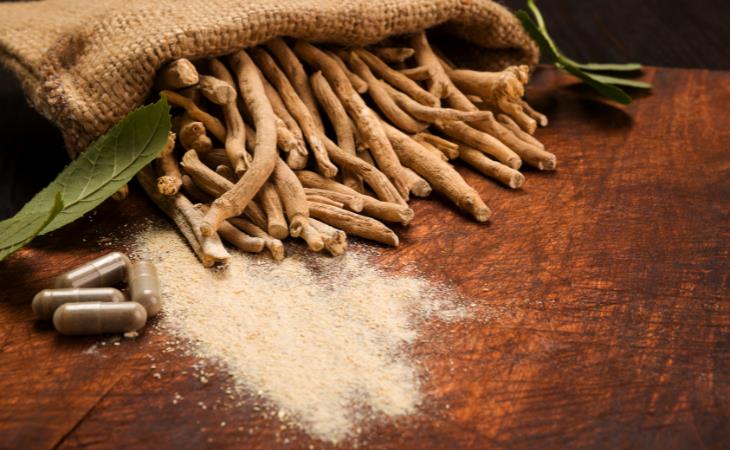
Ashwagandha, which is often used in the ancient Indian healing practice of Ayurveda, is known for its adaptogenic properties, which enhance the body's resilience to stress and anxiety. Adaptogens are pivotal in influencing the systems and hormones that control an individual's response to stress. Ashwagandha boasts a long-established history in traditional Indian medicine, specifically within the Ayurvedic tradition.
 
A 2019 study looked into the effectiveness of ashwagandha for stress and anxiety. 58 people with stress participated in the 8-week trial. Each participant was randomly assigned to one of three treatments: ashwagandha extract at doses of 250 mg, 600 mg, or a placebo. 
 
Participants who took ashwagandha had lower cortisol levels than those in the placebo group. They also reported better sleep quality. Meanwhile, participants who took 600 mg of ashwagandha had a significant stress reduction. Participants who took the smaller dose of ashwagandha, on the other hand, did not experience a reduction in stress. 
 
2. Chamomile
Chamomile

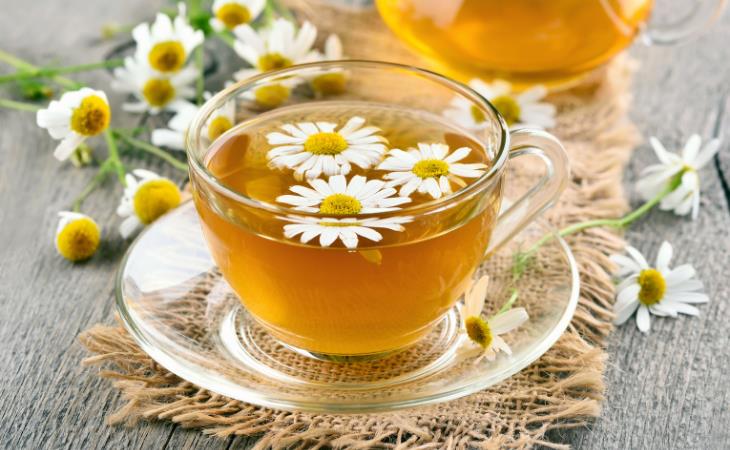
The daisy-like chamomile flower is famous for its tranquil effects, making it a top choice for stress relief teas. In a 2016 study it was revealed that prolonged consumption of chamomile extract notably alleviated moderate to severe symptoms of generalized anxiety disorder (GAD). Nevertheless, it didn't have a preventive effect on future symptoms.
An additional study published in 2019 reported that individuals with generalized anxiety disorder saw an improvement in their symptoms after 2-4 weeks of chamomile treatment. Chamomile treatment may also improve sleep quality. 
 
However, there was no evidence that chamomile could reduce the immediate symptoms associated with anxiety. It also does not appear to be effective in preventing sleeplessness. 
 
3. Lavender
Lavender
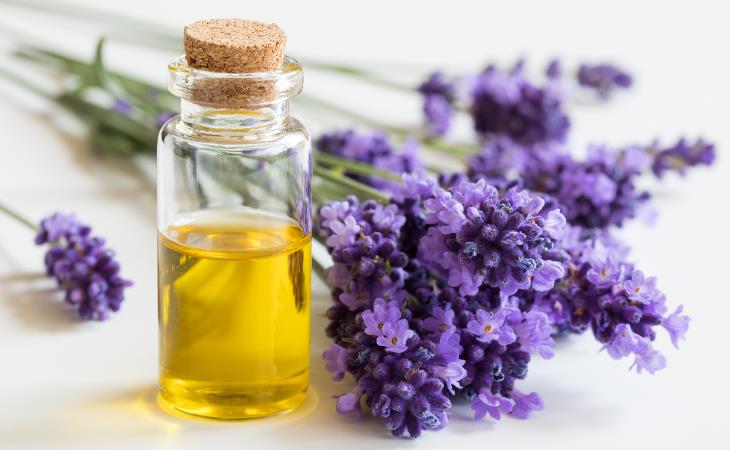
The relaxing qualities of lavender are well known. This relaxing herb, which is commonly featured in sleep mists and aromatherapy blends, is supposed to help ease anxiety and provide a better night's sleep. 
 
There are many ways in which lavender can be used. It can be made into tea or used as an essential oil. Lavender essential oil (LEO) is known for its composition of beneficial compounds known as terpenes.
 
A 2017 review article suggested that two specific terpenes found in LEO, linalool and linalyl acetate, could potentially have a calming impact on chemical receptors within the brain. This review proposed that LEO might serve as an effective short-term remedy for anxiety disorders, yet research on its prolonged effects remains insufficient. 
 
4. Passionflower
Passionflower

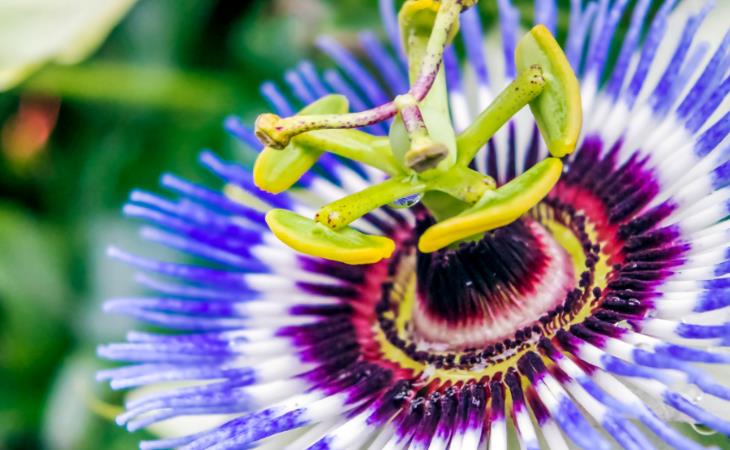
Passionflower, also known as Passiflora, is a plant family that includes over 550 different species. There is compelling evidence that a specific species, P. incarnata, may be beneficial in treating restlessness, uneasiness, and anxiety. Multiple clinical studies have demonstrated the anxiolytic properties of passionflower. In one such trial, scientists observed that P. incarnata yielded results similar to anxiety medication in mice. Two additional clinical trials using animal models revealed its sedative qualities.

5. Lemon Balm
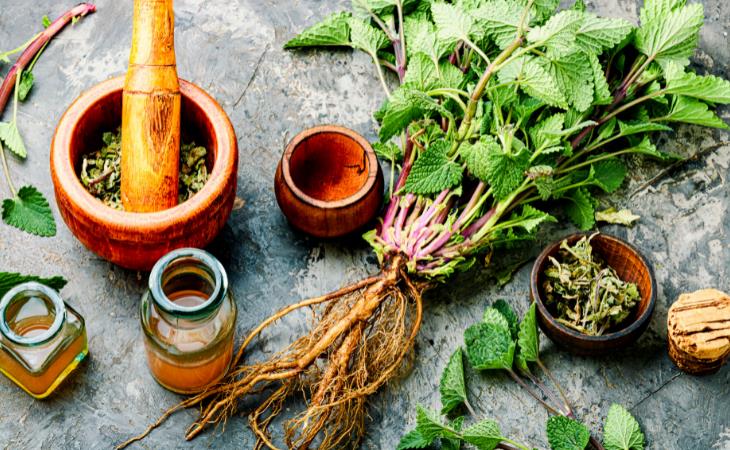
Lemon balm 

Lemon balm, a member of the mint family, is often used in herbal teas to improve mood, quiet the mind, and relieve anxiety. Research shows that lemon balm can help us feel calmer, more relaxed, and less worried. 
 
In a 2014 study, researchers examined the impact of lemon balm-infused foods on mood and cognition. The supplement was mixed into liquids and yogurt, which were sweetened with either natural or artificial sweeteners. Participants in both groups reported improved moods and lower levels of anxiety. 
 
6. Rhodiola
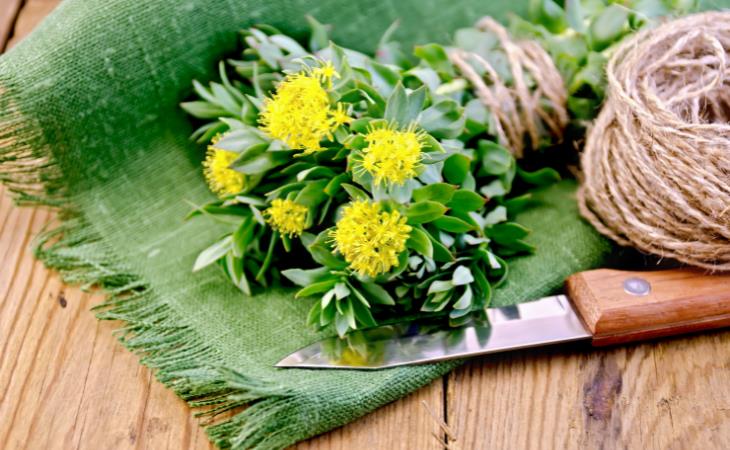
 Rhodiola
 
Rhodiola, like ashwagandha, is an adaptogen that helps us cope with the effects of stress on our bodies and minds. It is especially beneficial if your anxiety is caused by stress or burnout, as studies suggest that it can make us feel both calmer and more attentive. 
 
In times of stress, the use of adaptogens is believed to enhance one's ability to cope with challenging situations. Additionally, rhodiola has been shown to reduce symptoms associated with burnout, a condition that often arises from prolonged stress. A 12-week trial included 118 people suffering from stress-related burnout who were given 400 mg of rhodiola daily. The study's findings showed considerable improvements in symptoms such as stress and depression, which are typically associated with burnout. 
 
7. Valerian
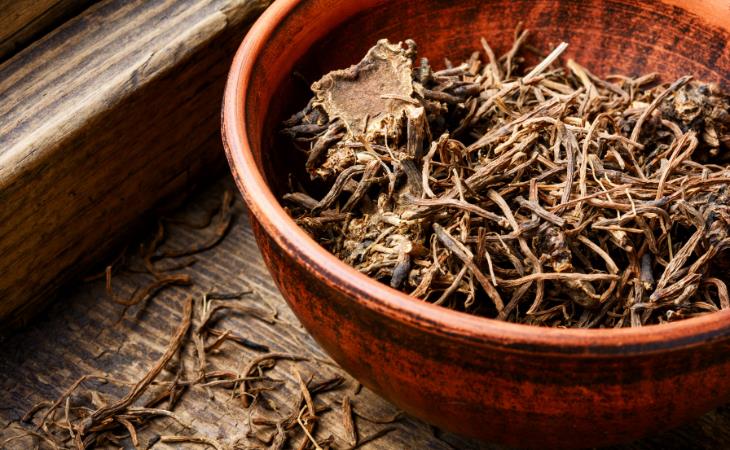
Valerian

Valerian is a popular herb for treating anxiety because its active compounds have sedative properties. A comprehensive analysis of 60 studies found that valerian root, when administered at dosages between 100 and 1,300 mg, can potentially ease anxiety symptoms by altering brain chemistry and its interaction with anxiety. Valerian root is generally regarded as safe for short-term consumption, up to a duration of 28 days.


This is only for your information, kindly take the advice of your doctor for medicines, exercises and so on.   


Labels: , , , , , , , ,

Saturday, August 02, 2025

7 Effective Herbs for Managing Anxiety

We all struggle with anxiety from time to time, but you're not alone in this battle. Anxiety disorders are the most prevalent mental health disorders worldwide, affecting over 300 million people. Notably, anxiety disorders have a higher prevalence among women than among men.

anxiety

Treatment options for anxiety disorders have grown over time to include both prescription drugs and natural alternatives. Some anxiety medications can cause unpleasant side effects, so those with anxiety do consider herbal medicines as an alternative. This is because many herbal supplements have been found to be useful in managing anxiety, although more research is needed. 
 
For centuries, in fact, cultures all over the world have used herbal remedies to soothe their minds and promote tranquility. Here, we will look at seven effective herbs and supplements that could help alleviate anxiety.


Note: It is extremely important to see a doctor before lowering or discontinuing prescription medicine or beginning an herbal supplement. Many drugs produced from herbal substances might be powerful, have negative effects, and interact with other medications. 
 
1. Ashwagandha

Ashwagandha

Ashwagandha, which is often used in the ancient Indian healing practice of Ayurveda, is known for its adaptogenic properties, which enhance the body's resilience to stress and anxiety. Adaptogens are pivotal in influencing the systems and hormones that control an individual's response to stress. Ashwagandha boasts a long-established history in traditional Indian medicine, specifically within the Ayurvedic tradition. 
 
A 2019 study looked into the effectiveness of ashwagandha for stress and anxiety. 58 people with stress participated in the 8-week trial. Each participant was randomly assigned to one of three treatments: ashwagandha extract at doses of 250 mg, 600 mg, or a placebo. 
 
Participants who took ashwagandha had lower cortisol levels than those in the placebo group. They also reported better sleep quality. Meanwhile, participants who took 600 mg of ashwagandha had a significant stress reduction. Participants who took the smaller dose of ashwagandha, on the other hand, did not experience a reduction in stress. 
 
2. Chamomile

Chamomile

The daisy-like chamomile flower is famous for its tranquil effects, making it a top choice for stress relief teas. In a 2016 study it was revealed that prolonged consumption of chamomile extract notably alleviated moderate to severe symptoms of generalized anxiety disorder (GAD). Nevertheless, it didn't have a preventive effect on future symptoms.

An additional study published in 2019 reported that individuals with generalized anxiety disorder saw an improvement in their symptoms after 2-4 weeks of chamomile treatment. Chamomile treatment may also improve sleep quality. 
 
However, there was no evidence that chamomile could reduce the immediate symptoms associated with anxiety. It also does not appear to be effective in preventing sleeplessness. 
 
3. Lavender

Lavender

The relaxing qualities of lavender are well known. This relaxing herb, which is commonly featured in sleep mists and aromatherapy blends, is supposed to help ease anxiety and provide a better night's sleep. 
 
There are many ways in which lavender can be used. It can be made into tea or used as an essential oil. 
 
Lavender essential oil (LEO) is known for its composition of beneficial compounds known as terpenes. A 2017 review article suggested that two specific terpenes found in LEO, linalool and linalyl acetate, could potentially have a calming impact on chemical receptors within the brain. This review proposed that LEO might serve as an effective short-term remedy for anxiety disorders, yet research on its prolonged effects remains insufficient. 
 
 
4. Passionflower

Passionflower

Passionflower, also known as Passiflora, is a plant family that includes over 550 different species. There is compelling evidence that a specific species, P. incarnata, may be beneficial in treating restlessness, uneasiness, and anxiety. Multiple clinical studies have demonstrated the anxiolytic properties of passionflower. In one such trial, scientists observed that P. incarnata yielded results similar to anxiety medication in mice. Two additional clinical trials using animal models revealed its sedative qualities.


5. Lemon balm

 Lemon balm

Lemon balm, a member of the mint family, is often used in herbal teas to improve mood, quiet the mind, and relieve anxiety. Research shows that lemon balm can help us feel calmer, more relaxed, and less worried. In a 2014 study, researchers examined the impact of lemon balm-infused foods on mood and cognition. The supplement was mixed into liquids and yogurt, which were sweetened with either natural or artificial sweeteners. Participants in both groups reported improved moods and lower levels of anxiety. 
 
 
6. Rhodiola
Rhodiola
Rhodiola, like ashwagandha, is an adaptogen that helps us cope with the effects of stress on our bodies and minds. It is especially beneficial if your anxiety is caused by stress or burnout, as studies suggest that it can make us feel both calmer and more attentive. 
 
In times of stress, the use of adaptogens is believed to enhance one's ability to cope with challenging situations. Additionally, rhodiola has been shown to reduce symptoms associated with burnout, a condition that often arises from prolonged stress. A 12-week trial included 118 people suffering from stress-related burnout who were given 400 mg of rhodiola daily. The study's findings showed considerable improvements in symptoms such as stress and depression, which are typically associated with burnout. 
 
7. Valerian 
Valerian
Valerian is a popular herb for treating anxiety because its active compounds have sedative properties. A comprehensive analysis of 60 studies found that valerian root, when administered at dosages between 100 and 1,300 mg, can potentially ease anxiety symptoms by altering brain chemistry and its interaction with anxiety. Valerian root is generally regarded as safe for short-term consumption, up to a duration of 28 days.


This is only for your information, kindly take the advice of your doctor for medicines, exercises and so on.   


Labels: , , , , , , , , ,

Friday, February 28, 2025

These Drinks Give Your Brain a Massive Health Boost!

Your brain is an organ that relies on your daily nutrition a lot more than many other parts of the human body. Think about it: the brain makes up only around two percent of our body mass, but it consumes around 20% of the calories we eat. That’s a lot of fuel! And the kind of fuel you put into your body really matters too.

A healthy diet makes a huge impact on your brain health, memory, concentration, and alertness. And that includes not only the foods you eat but also the drinks you consume throughout the day. If you rely on soda and fruit juices, your brain will not be happy. But what should you drink then apart from water, then? 
We prepared a list of 10 excellent beverage suggestions that will both hydrate you and boost your brainpower. 
 
1. Beetroot juice
Beverages For Brain Health Beetroot juice
Beets are one of the most overlooked vegetables in existence. Some of you will know that these deep red root veggies are beneficial for eye health, digestion, and blood pressure, but few are aware that their vasodilative effect is also tied to improved brain function and a lower risk of vascular dementia. 
 
Research from the UK suggests that beetroot contains an abundance of nitrates, which our oral bacteria turn into nitric oxide, a beneficial compound that the body uses to promote blood flow, including to the brain. Other research confirmed that nitric oxide is important for such cognitive functions as decision-making, learning, and language, and diversifying your beverages with beetroot juice may improve these functions. 
 
“Beets are rich in nitrates, which help with the dilation of blood vessels and subsequently increase blood flow to the brain, which may improve mental and cognitive function,” explained nutritionist and dietitian Rebecca Ditkoff to Rally Health. "This means increased cognitive function in the present, and potentially reduced risk of dementia in the future." It is also known that older adults have lower levels of nitric oxide than younger folks, so they may benefit from beetroot juice even more.
 
2. Lemon balm tea
 Beverages For Brain Health Lemon balm
Lemon balm (Melissa officinalis) can be easily mistaken for mint, as it belongs to the mint family, but it is slightly different, as it has a gentle lemony scent and flavor. You can brew both fresh and dried lemon balm into an herbal tea: 1 teaspoon should be enough to prepare 1 cup of tea. 
 
The relaxing and calming properties of lemon balm tea are well-known, and it’s commonly recommended as an evening drink for people who suffer from insomnia and anxiety. Researchers suggest that this pleasant herbal tea may also be beneficial for improving concentration, relieving headaches, and improving cognitive function in the long term. A study from 2003 even suggested that lemon balm extract, a concentrated form of the herb, helped patients with mild to moderate Alzheimer's disease experience an improvement in cognitive functioning compared to a control group who took a placebo.


3. Coffee
If you’re a coffee drinker and would like to boost your brain health, carry on enjoying your morning brew (in moderation, of course). Since most of you likely already know what coffee can do for your cognition, focus, and alertness first hand, we won’t sing praises to coffee for long here. But we’ll say this: lifelong coffee drinkers have a reduced risk of cognitive decline, Parkinson’s disease, and Alzheimer's disease. That fact alone says a lot.

Interestingly, researchers have also found that coffee increases the brain’s ability to process information by boosting a process called entropy, or the brain’s complex and variable brain activity. Lastly, note that we can thank not just caffeine but also other antioxidants, such as phenols and chlorogenic acid, for all these beneficial effects. So taking caffeine through supplements probably won’t give you the same effects as an actual cup of coffee. 
 
 
4. Turmeric tea
Beverages For Brain Health Turmeric tea
Turmeric teas or turmeric lattes are often recommended as coffee replacements for those who have insomnia. And for many of you, turmeric is a familiar face. This bright yellow spice is regarded as a powerful remedy in Ayurveda and Chinese medicine, and researchers have established that the active compound in this herb called curcumin has anti-inflammatory properties. 
 
Scientists are currently looking into the possibility that this herb may also benefit the brain by improving memory and reducing the risk of Alzheimer's disease. Research from 2019 states that consuming turmeric urges the body to produce a protein called brain-derived neurotrophic factor (BDNF). This protein plays a huge role in learning and memory, and low levels of it are linked to memory problems, neurological issues, and even mental health disorders. 


5. Berry Smoothies
 Beverages For Brain Health Berry smoothie
 Herbs and spices are not the only ingredients capable of giving your brain a boost. Apart from being delicious, all berry smoothies and juices are just as good for your cognition and brain health! However you choose to consume blueberries, raspberries, acai berries, or strawberries, all of them make excellent brain food. The natural compounds that make berry juices and smoothies so beneficial are called anthocyanins. 
 
They give berries their bright colors while also acting as powerful antioxidants that guard your brain cells against damage. Research suggests that consuming blueberries, in particular, has a beneficial effect on short-term memory and long-term memory. Just remember that store-bought juices are less beneficial because they tend to be overloaded with sugar, so it’s better to make your own berry juice or smoothie at home.


6. Tea
 Beverages For Brain Health Tea
 Did you know that tea is the most popular drink in the world after water? The reason why tea is so popular is clear. Like coffee, tea contains caffeine that gives your brain an energy boost, but the effects of tea are much milder, so even those who are usually not allowed to drink coffee, such as kids, can freely enjoy tea. Apart from caffeine, tea contains L-theanine and epigallocatechin gallate (EGCG), both of which contribute to its brain-boosting effects. 
 
EGCG is a well-known antioxidant capable of guarding brain cells against damage. Research has established that this compound can cross the blood-brain barrier, so it could theoretically help neurodegenerative diseases. 
 
As for L-theanine, it is known to reduce anxiety and raise dopamine levels, which is why drinking tea can lift your mood and increase your motivation and attention. A 2021 study from Japan tested how L-theanine influences attention and found that the stuff alleviates brain fog while also promoting working memory and attention. Also, note that low dopamine levels are associated with neurological disorders like Parkinson’s Disease, so consuming tea could potentially help protect your brain.


7. Ginseng tea
 Beverages For Brain Health Ginseng
Ginseng root is one of the most recognized herbs in traditional Chinese medicine. It’s available either fresh, dried whole, or in powdered form. Practitioners have been using this herb for various purposes, including improved concentration and memory, for centuries. 
 
The root contains anti-inflammatory compounds called ginsenosides that were found in preliminary studies to clear beta-amyloid plaques found in the brains of people with Alzheimer's disease. Researchers are continuing to explore ginseng’s potential in aiding memory and preventing neurodegenerative diseases. If you want to start drinking ginseng tea daily and have any underlying health conditions, ask your doctor before you begin. Ginseng can have a blood-thinning effect and can lower blood sugar, so it could potentially interact with your medication and cause side effects.


9. Rhodiola tea
Beverages For Brain Health Rhodiola tea
Also known as arctic root or golden root, Rhodiola is an herb native to the mountainous regions of Europe and Asia. Prepared from the dried roots of the Rhodiola rosea plant, Rhodiola teas and tinctures are a traditional remedy for anxiety, depression, and fatigue in Russia and Scandinavia.
 
The root has over 140 active compounds, the most prominent ones of them being rosavin and salidroside, both of which are strong antioxidants. Research suggests that taking Rhodiola can alleviate fatigue in humans, and a range of animal studies also point to the fact that Rhodiola can boost memory, increase cognition, learning, and reduce symptoms of depression. 
 
 
9. Lion’s mane mushroom
 Lion's Mane Mushroom - Queen Victoria Market  Hericium erinaceus - Wikipedia
 Mushrooms for brain health? We were just as surprised as you are, but it turns out this shaggy mushroom is widely used in Asian cooking and medicine. Hericium erinaceus is large species of edible fungi that have a white and fluffy body reminiscent of a lion's mane. These mushrooms contain the compounds hericenones and erinacines that stimulate brain cell growth and may even improve the symptoms of mild cognitive impairment, a condition that precedes dementia according to an animal study from 2011. 
 
Fresh lion's mane mushrooms can be harder to find in the US, but they’re sold in powdered form that you can add to hot water and brew into tea or mix into a smoothie. 
 
 
10. Green smoothies
Beverages For Brain Health Green smoothies
Speaking of smoothies, the last beverage on this list is a smoothie you can easily combine with many of the other ingredients we listed earlier. One of the best drinks you can make to boost your brainpower and slow down mental decline is a green smoothie. That’s because just 1 serving of spinach, kale, or any other greens can enrich your body with folate, vitamin C, vitamin A, and lutein. All of these nutrients promote long-term brain health, but they can also improve your energy levels and focus throughout the day. 
 
The specific benefits will, of course, depend on the ingredients you choose to use in your smoothie. Here are just a few recommendations:

Spinach 
Celery 
Green apples 
Cucumbers 
Kale 
Banana 
Avocado. 
 
To increase mental clarity even further, you can whizz in some of the other ingredients we mentioned earlier, such as beetroot juice, berries, powdered green tea, walnuts, or lion’s mane mushroom powder. 
 
Here’s a basic smoothie recipe suggestion you can try:
Green smoothie
 
 Ingredients 
 - A handful of raw spinach 
- 1 ripe avocado or banana 
- 1 green apple 
- ½ cup (120 ml) milk 
- 1 cup (245 g) of plain yogurt. 
 
1. Wash the spinach and apple. 
 
2. Cut the fruit into big slices. 
 
3. Combine all ingredients in a blender and process until smooth. If the smoothie is too thick, you can add more milk until you reach your desired consistency.
 
Hope you enjoyed this educational article and learned a thing or two about brain health. One last note: while these drinks are certainly beneficial for your brain and overall health, they are not medicine and cannot replace a treatment you require. If you experience any cognitive decline symptoms, such as lapses in memory, difficulty concentrating, or trouble learning new information, we highly recommend seeking professional help.

This is only for your information, kindly take the advice of your doctor for medicines, exercises and so on.   


Labels: , , , , , , , ,