7 Effective Herbs for Managing Anxiety
We all struggle with anxiety from time to
time, but you're not alone in this battle. Anxiety disorders are the
most prevalent mental health disorders worldwide, affecting over 300
million people. Notably, anxiety disorders have a higher prevalence
among women than among men.

Treatment options for anxiety disorders
have grown over time to include both prescription drugs and natural
alternatives. Some anxiety medications can cause unpleasant side
effects, so those with anxiety do consider herbal medicines as an
alternative. This is because many herbal supplements have been found to
be useful in managing anxiety, although more research is needed.
For centuries, in fact, cultures all over the world have used herbal
remedies to soothe their minds and promote tranquility. Here, we will
look at seven effective herbs and supplements that could help alleviate
anxiety.
Note: It is extremely important to see a
doctor before lowering or discontinuing prescription medicine or
beginning an herbal supplement. Many drugs produced from herbal
substances might be powerful, have negative effects, and interact with
other medications.
1. Ashwagandha
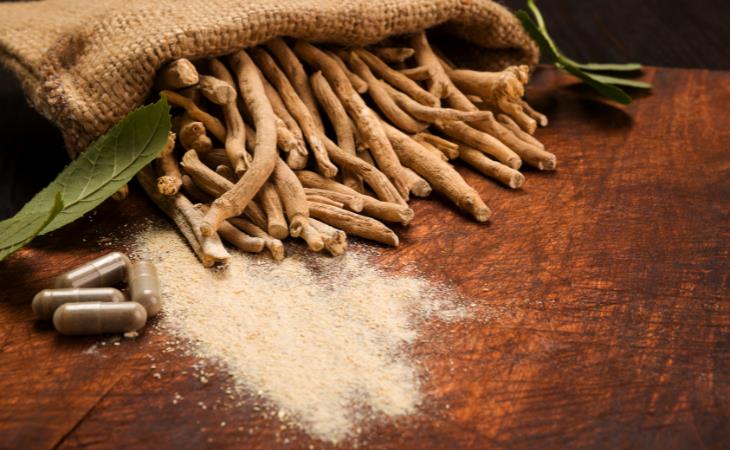
Ashwagandha, which is often used in the
ancient Indian healing practice of Ayurveda, is known for its
adaptogenic properties, which enhance the body's resilience to stress
and anxiety. Adaptogens are pivotal in influencing the systems and
hormones that control an individual's response to stress. Ashwagandha
boasts a long-established history in traditional Indian medicine,
specifically within the Ayurvedic tradition.
A 2019 study looked into the effectiveness of ashwagandha for stress and
anxiety. 58 people with stress participated in the 8-week trial. Each
participant was randomly assigned to one of three treatments:
ashwagandha extract at doses of 250 mg, 600 mg, or a placebo.
Participants who took ashwagandha had lower cortisol levels than those
in the placebo group. They also reported better sleep quality.
Meanwhile, participants who took 600 mg of ashwagandha had a significant
stress reduction. Participants who took the smaller dose of
ashwagandha, on the other hand, did not experience a reduction in
stress.
2. Chamomile
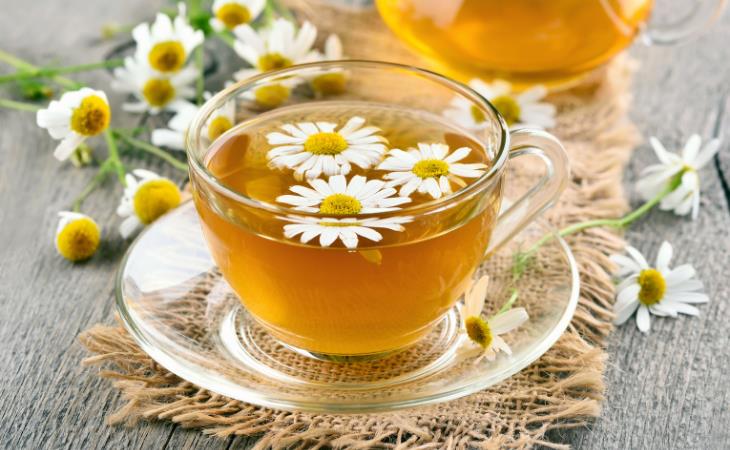
The daisy-like chamomile flower is famous for its tranquil effects, making it a top choice for stress relief teas. In a 2016 study it was revealed that prolonged consumption of chamomile extract notably alleviated moderate to severe symptoms of generalized anxiety disorder (GAD). Nevertheless, it didn't have a preventive effect on future symptoms.
An additional study published in 2019
reported that individuals with generalized anxiety disorder saw an
improvement in their symptoms after 2-4 weeks of chamomile treatment.
Chamomile treatment may also improve sleep quality.
However, there was no evidence that chamomile could reduce the immediate
symptoms associated with anxiety. It also does not appear to be
effective in preventing sleeplessness.
3. Lavender
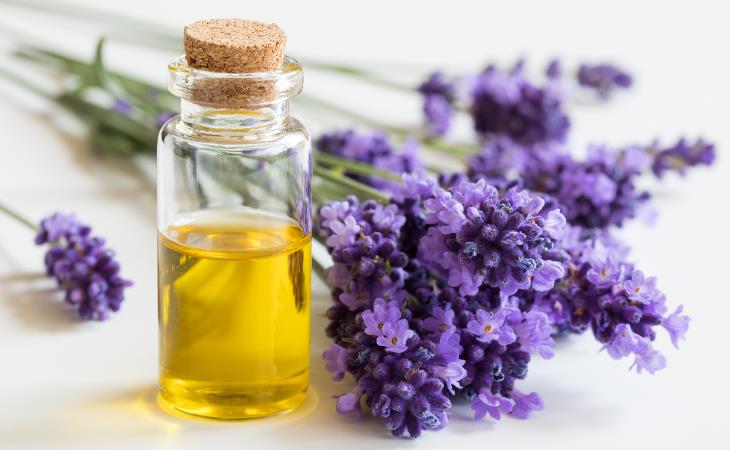
The relaxing qualities of lavender are well
known. This relaxing herb, which is commonly featured in sleep mists
and aromatherapy blends, is supposed to help ease anxiety and provide a
better night's sleep.
There are many ways in which lavender can be used. It can be made into
tea or used as an essential oil.
Lavender essential oil (LEO) is known for its composition of beneficial
compounds known as terpenes. A 2017 review article suggested that two
specific terpenes found in LEO, linalool and linalyl acetate, could
potentially have a calming impact on chemical receptors within the
brain. This review proposed that LEO might serve as an effective
short-term remedy for anxiety disorders, yet research on its prolonged
effects remains insufficient.
4. Passionflower
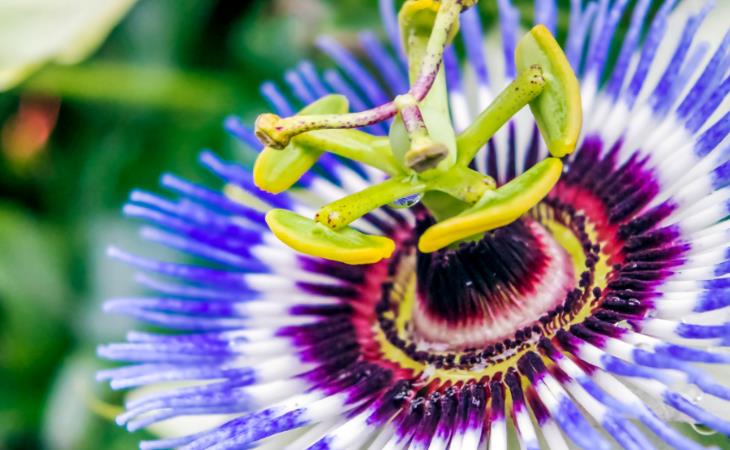
Passionflower, also known as Passiflora, is
a plant family that includes over 550 different species. There is
compelling evidence that a specific species, P. incarnata, may be
beneficial in treating restlessness, uneasiness, and anxiety.
Multiple clinical studies have demonstrated the anxiolytic properties of
passionflower. In one such trial, scientists observed that P. incarnata
yielded results similar to anxiety medication in mice. Two additional
clinical trials using animal models revealed its sedative qualities.
5. Lemon balm
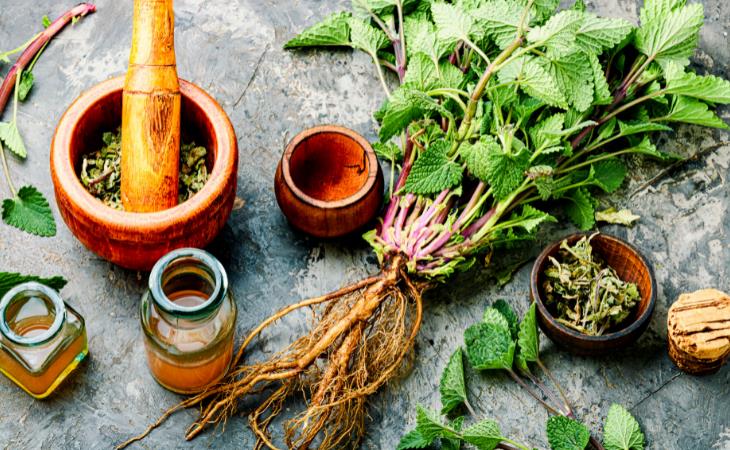
Lemon balm, a member of the mint family, is
often used in herbal teas to improve mood, quiet the mind, and relieve
anxiety. Research shows that lemon balm can help us feel calmer, more
relaxed, and less worried.
In a 2014 study, researchers examined the impact of lemon balm-infused
foods on mood and cognition. The supplement was mixed into liquids and
yogurt, which were sweetened with either natural or artificial
sweeteners. Participants in both groups reported improved moods and
lower levels of anxiety.
6. Rhodiola
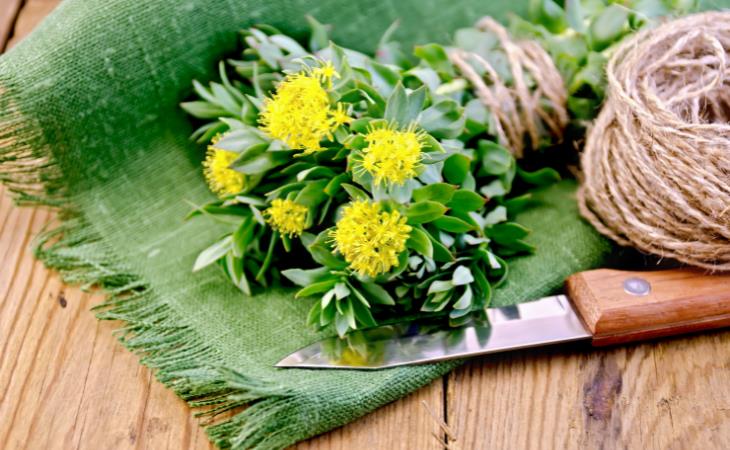
Rhodiola, like ashwagandha, is an adaptogen
that helps us cope with the effects of stress on our bodies and minds.
It is especially beneficial if your anxiety is caused by stress or
burnout, as studies suggest that it can make us feel both calmer and
more attentive.
In times of stress, the use of adaptogens is believed to enhance one's
ability to cope with challenging situations. Additionally, rhodiola has
been shown to reduce symptoms associated with burnout, a condition that
often arises from prolonged stress. A 12-week trial included 118 people
suffering from stress-related burnout who were given 400 mg of rhodiola
daily. The study's findings showed considerable improvements in symptoms
such as stress and depression, which are typically associated with
burnout.
7. Valerian
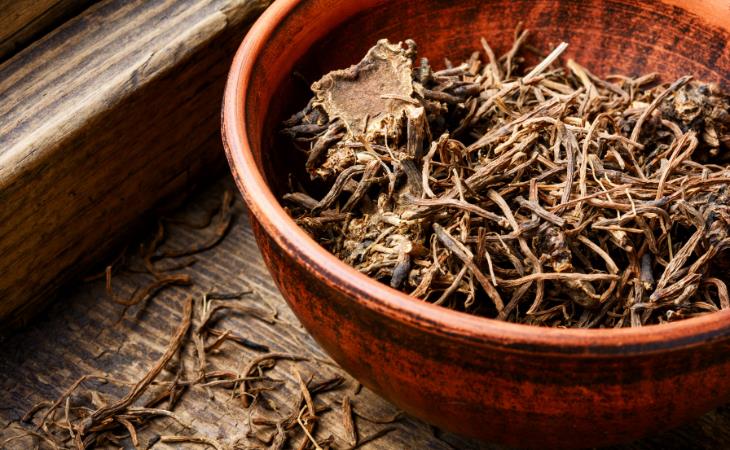
Valerian is a popular herb for treating
anxiety because its active compounds have sedative properties. A
comprehensive analysis of 60 studies found that valerian root, when
administered at dosages between 100 and 1,300 mg, can potentially ease
anxiety symptoms by altering brain chemistry and its interaction with
anxiety. Valerian root is generally regarded as safe for short-term
consumption, up to a duration of 28 days.