Reduce Inflammation in the Body by Simply Sipping This Tea
Like food, certain drinks can be considered
harmful, whereas others are essential and extremely beneficial for our
health. Water is good for us, and sugary drinks are bad, we all know
that but what if you’re looking for something more than just hydration?
What if you’re looking for a drink that could decrease inflammation in
the body and relieve you of the nagging pain and swelling that goes with
it? Well, in that case, tea is your best friend, as drinking green tea
and various herbal teas regularly can soothe your organs and joints and
provide various nutrients capable of reducing inflammation throughout
the body. These 6 teas are not only tasty but also particularly suitable
for calming the inflammatory processes in the body, be it chronic
inflammation or an ordinary cold.
1. Rosehip tea (rosa canina)
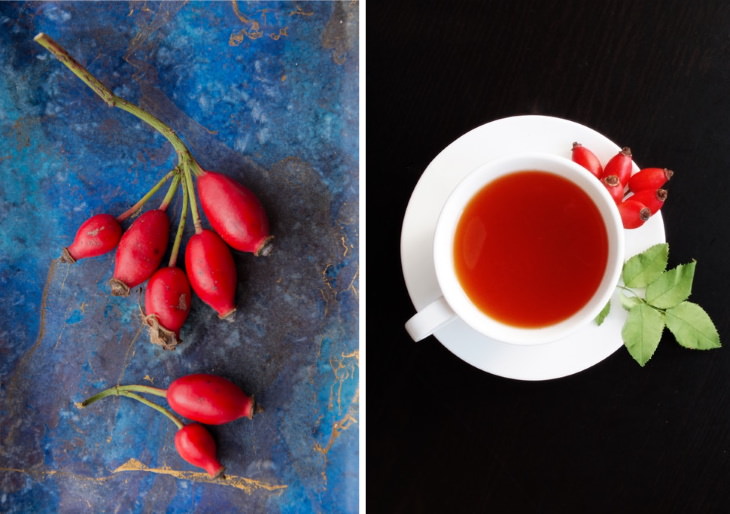
Rosehip tea is prepared from rose hips,
small, bright red accessory fruits that grow on a particular type of
rose, the dog rose. Rosa canina, the scientific name of the plant, is a
widespread species of wild roses common all around Europe, northwest
Africa, and western Asia, and its fruits were traditionally used to
treat different ailments for millennia.
Rich in vitamin C, E and β-Carotene, these
fruits were an important source of vitamins for the previous
generations, especially during the winter, as dried rose hips can be
stored for months without going bad. Only recently, however, we have
discovered that rosehip is extremely rich in phenols, potent
antioxidants that protect the cells from free radical damage.
Apart from that, the fruits contain several
triterpene acids, which are known to prevent inflammation. Clinical
trials have reported that rosehip powder can reduce pain in rheumatoid
arthritis, one of the most common chronic inflammations.
How to prepare this tea, kindly view in my recipe blog
2. Turmeric tea
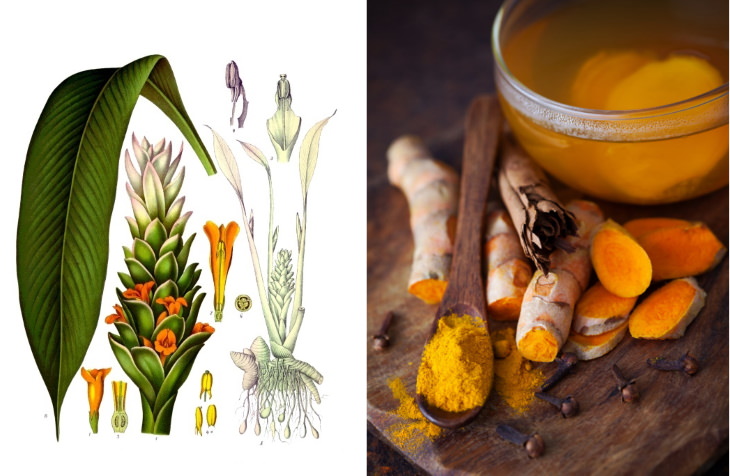
Turmeric tea is prepared from the roots of
the turmeric plant. The roots are sold fresh, dried and, most often, in
the form of a powder. Turmeric is common throughout Asia, and the bright
golden roots of this plant were used in Ayurveda and traditional
Chinese medicine for millennia. Powdered turmeric is also used as a
natural dye.
Turmeric owes its anti-inflammatory effects
to the active ingredient called curcumin which also gives the root its
bright yellow color. Several studies using a turmeric supplement
confirmed that it’s effective at relieving the pain and reducing
inflammation caused by chronic inflammatory conditions, such as
arthritis, inflammatory bowel disease (IBD), and heart disease.
Turmeric was also shown to help joint and muscle pain and increasing mobility both in osteoarthritis and post-exercise.
( How to prepare this tea, kindly see my recipe blog)
( How to prepare this tea, kindly see my recipe blog)
3. Green tea
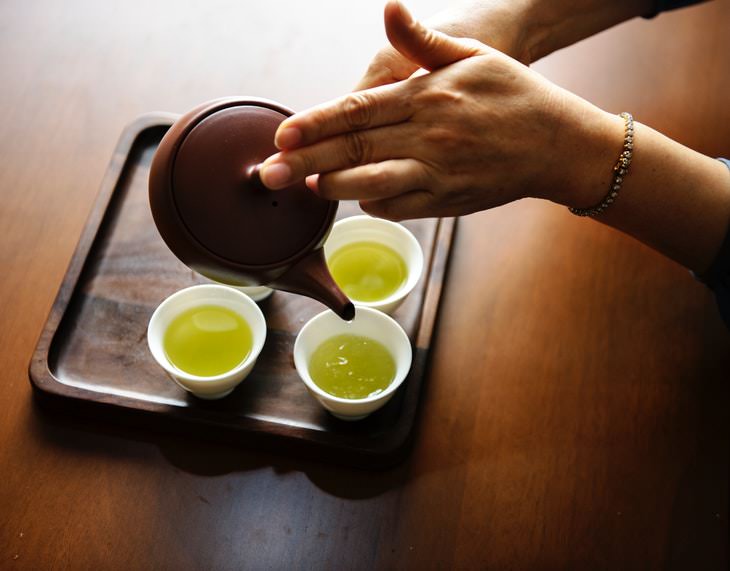
All tea varieties are made of the leaves of
the Camellia sinensis plant, but different growing and processing
techniques yield different kinds of tea. Green teas are generally
fermented and processed much less and more gently than red or black tea
varieties, and so it contains a lot more antioxidants and other
beneficial phytochemicals.
Green tea originated over 1.000 years ago
in China, but ever since, it spread to other Asian countries and is
popular worldwide today. The antioxidants we mentioned earlier are all
polyphenols, and one of them, EGCG, is considered to be most effective
at dealing with inflammation
Japanese matcha tea is reported to have the
highest amounts of EGCG, but most green teas will contain the
beneficial ingredient as well. Research reports that EGCG can relieve
IBD symptoms and can dampen the development of chronic degenerative
diseases (Alzheimer’s, heart disease and some cancers).
Do keep in mind, however, that much like
coffee, green tea contains caffeine, and so it can be harmful to certain
patients, so talk to your doctor to check for any possible medication
interactions.
Green tea comes in countless varieties, each having its own optimal
brewing time and temperature, so follow the instructions on the
packaging of the tea of your choice. We recommend opting for loose leaf
teas, as those are generally made of younger tea leaves that have more
antioxidants.
4. Fennel Tea
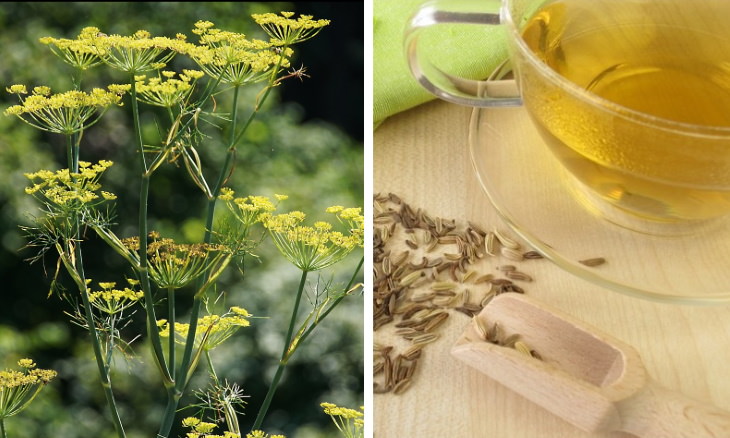
If you’re surprised to find out that fennel
can be brewed into a tea, you’re likely familiar with the sweet and
pungent vegetable that has its own health benefits, but not its seeds.
Yes, both the seeds and the bulb of this Mediterranean plant are used
for both culinary and medicinal purposes.
Fennel seeds, in particular, are rich in phenols, just like rosehip, and
are often used to soothe digestive issues, particularly bloating, but
it is also a potent pain reliever for menstrual cramps.
How to prepare this tea, kindly view my recipe blog, thanks.
5. Ginger tea
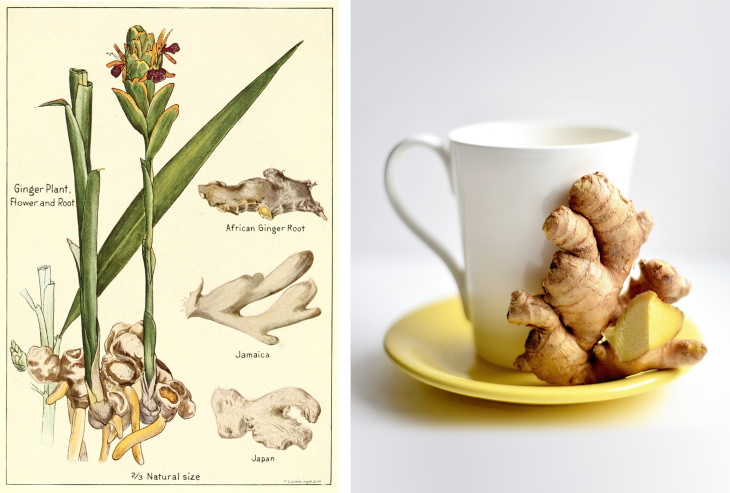
Ginger root needs no introduction, it’s one
of the most popular tea ingredients and an extremely widespread spice.
Ginger originated somewhere in Southeast Asia a long time ago, but
today, its medicinal and culinary uses span worldwide and go far beyond
traditional medicine and cuisine.
As of today, scientists discovered over 50 antioxidants in ginger, and
these powerful phytochemicals can reduce the inflammation in your entire
body. Studies involving diabetics, as well as patients suffering from
osteoarthritis have observed a global reduction in many inflammation
markers following a course of ginger supplements.
Do keep in mind that ginger is not for everyone.
Do keep in mind that ginger is not for everyone.
To know how to prepare ginger tea, kindly view my recipe blog, thanks.
6. Tulsi
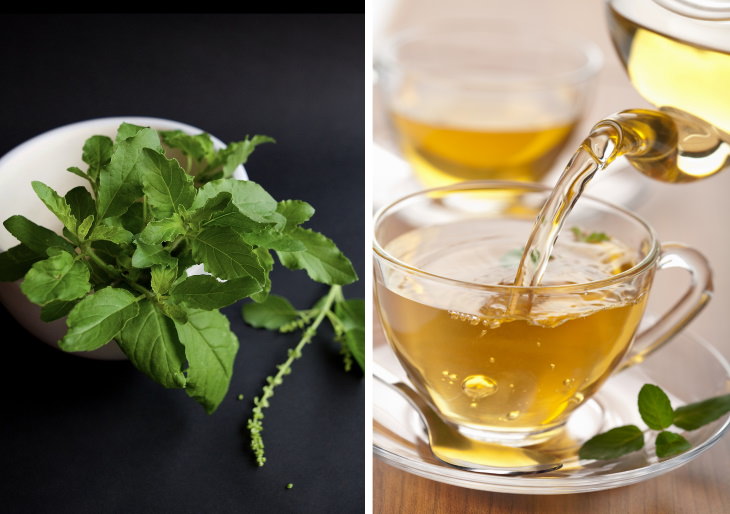
Also known as holy basil, this leafy plant
native to the Indian subcontinent is a recurring ingredient in
traditional medicine, especially in Ayurveda, where it’s known as a
powerful adaptogen capable of helping the body to cope with emotional
and environmental stress.
Modern research builds upon the traditional
uses of the plant, with studies finding that tulsi has
anti-inflammatory properties throughout the body, reducing blood sugar,
blood pressure and LDL (bad) cholesterol levels. Other research found
that the plant may also reduce swelling, decrease pain and inflammation
by inhibiting enzymes that trigger the inflammatory response.
Finally, holy basil use was linked to a reduction of uric acid levels,
alleviating pain in such conditions as gout and rheumatoid arthritis.
How to prepare tulsi tea, see my recipe blog, thanks.
This is only for your information, kindly take the advice of your doctor for medicines, exercises and so on.
https://gscrochetdesigns.blogspot.com. one can see my crochet creations
https://gseasyrecipes.blogspot.com. feel free to view for easy, simple and healthy recipes
https://kneereplacement-stickclub.blogspot.com. for info on knee replacement
https://cancersupportindia.blogspot.com for infor on cancer and health related topics
https://GSiyers home remedies.blogspot.com is the latest addition to my blogs. I'm going to add posts there, do give me your valuable feed back on my blogs. Thanks a lot, take care, be healthy and be happy.
https://gscrochetdesigns.blogspot.com. one can see my crochet creations
https://gseasyrecipes.blogspot.com. feel free to view for easy, simple and healthy recipes
https://kneereplacement-stickclub.blogspot.com. for info on knee replacement
https://cancersupportindia.blogspot.com for infor on cancer and health related topics
https://GSiyers home remedies.blogspot.com is the latest addition to my blogs. I'm going to add posts there, do give me your valuable feed back on my blogs. Thanks a lot, take care, be healthy and be happy.
Labels: alleviates menstrual cramps, anti-inflammatory, Fennel, Ginger, Green tea, prevents bloating, relieves IBD symptoms, teas reduce inflammation- rosehip tea, tulsi, Turmeric
posted by G S Iyer at 4:52 AM
0 comments

