Monday, November 22, 2021

8 Non-Routine Medical Tests Could Save Your Life

If you want to make sure that you live a life that is as happy and healthy as possible, then you really need to start taking care of your health as early as possible. Below, we've listed 8 non-routine tests that really have the potential to save your life, and some of them even need to be done as early as 30.

1. Duplex Ultrasound

A duplex ultrasound uses B-mode imaging to examine the carotid arteries. This allows a 3D image of your artery walls to be created. Additionally, it will also create a pulsed Doppler scan, which will measure the speed of blood flow through the arteries. 
 
The procedure itself is fairly simple, as a technician only needs to move an ultrasound probe over your carotid arteries. You should take this test if you're over 50, have experienced symptoms of a mini-stroke, or have other risk factors for stroke or heart disease.  
 
2. High Sensitivity C-Reactive Protein Test
This test measures your blood protein levels for a particular type of protein that is associated with inflammation, and which is known to increase the risk of stroke and heart disease. 
 
The procedure itself consists of a simple blood test. You should take it if you're over 35, have a family history of heart disease or stroke, or have at least one major risk factor for stroke or heart disease.

3. Homocysteine Test
A homocysteine test will scan your blood for homocysteine, an amino acid which is known to cause a build-up of plaque in the arteries. 
 
To take this test, you will need to fast for at least 8 hours before going for a blood test. You should get it done if you're over 35 and have at least one major risk factor for stroke or heart disease.
 
4. Electron Beam Computed Tomogram
Medical Tests
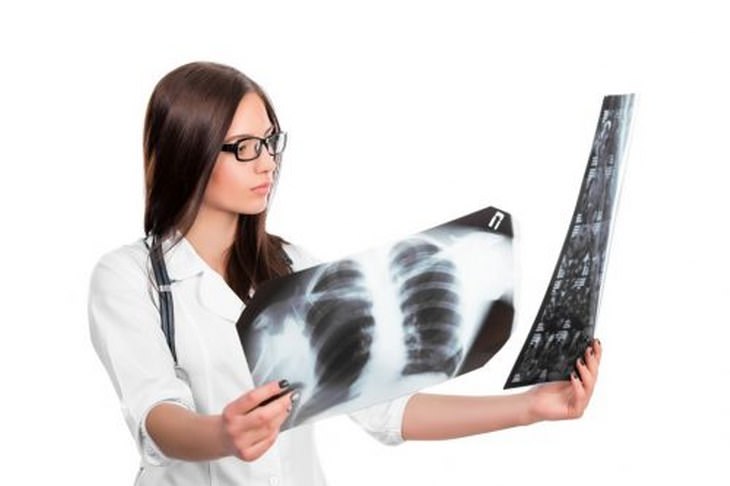
If you're worried about heart disease, then getting this test done may give you some peace of mind. This is because an electron beam computed tomogram measures calcium levels in your coronary arteries, which have been linked to heart disease. 
 
To take this test, an imaging machine needs to scan your chest, in order to create pictures of your internal organs. You should ask for this test if you're over 35 and have at least two major risk factors for heart disease.  
 
5. Fasting Blood Glucose Test
This test measures the amount of glucose that is present in your blood, which can help determine your risk of developing type-2 diabetes. 
 
To take this test, you will need to fast for 8 to 12 hours before going for a blood test. You should get it done if you're over 30 and have any risk factors for diabetes, such as a sedentary lifestyle, obesity, or have a family history of diabetes. 
 
6. Isotope Treadmill Stress Test

Medical Tests
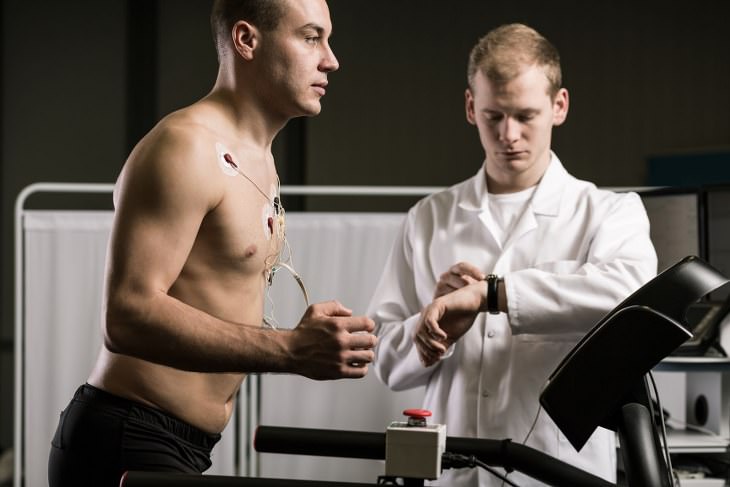
This test will help to identify the location and degree of severity of reduced blood flow to the heart, by mapping 3D images of your heart at rest, during exercise, and after exercise. 
 
Doctors recommend taking this test if you are over 45, are planning to begin a vigorous aerobic exercise program, or have 3 or more risk factors for heart disease. 
 
7. DEXA Scan
Medical Tests

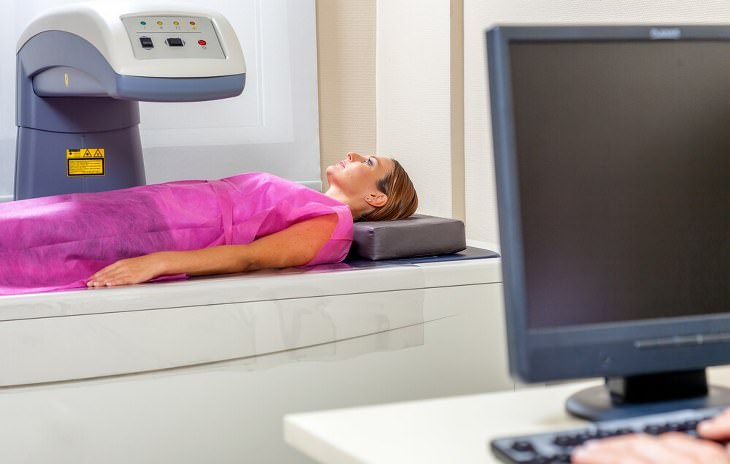
A DEXA scan examines your bone mass density in order to work out how strong your bones are, as well as what your risk of osteoporosis is. 
 
To carry out a DEXA scan, you simply need to lie down on a padded platform, while an image scanner slowly passes over your entire body. You should get one done if you're over 50 and have at least 2 risk factors for osteoporosis, such as excessive caffeine or alcohol use, smoking, a family history of osteoporosis, or a diet low in vitamin D or calcium. 
 
8. Colonoscopy
Medical Tests
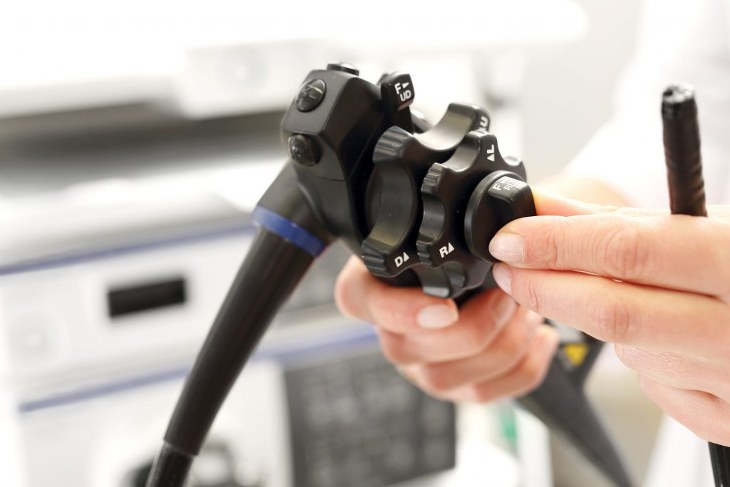
When you undergo a colonoscopy, your doctor will pass a colonoscope up your entire colon in order to search for early signs of cancer, abnormal growths, and inflammation in the colon. 
 
The exam takes between 15 and 30 minutes and you should be given a sedative to keep you comfortable. All persons over 50 should get a colonoscopy done, as well as everyone over 40 who have risk factors such as excessive alcohol use, smoking, a family history of colon cancer, or inflammatory bowel disease.

This is only for your information, kindly take the advice of your doctor for medicines, exercises and so on.   

https://gscrochetdesigns.blogspot.com. one can see my crochet creations  
https://gseasyrecipes.blogspot.com. feel free to view for easy, simple and healthy recipes    
https://kneereplacement-stickclub.blogspot.com. for info on knee replacement


Labels: , , , , , , ,

Friday, October 20, 2017

6 myths about osteoporosis

Some countries are slowly falling prey to another silent disease, akin to hypertension and heart disease, which is detected only when tests indicate a decreased bone density.

Known as osteoporosis, this disease affects about 80%  women and about 1.5 million men. It is also known as the bone-thinning disease. Responsible for over one and a half million fractures each year, osteoporosis makes the bones weak so much that even a simple fall or bump can cause them to break.

Being a silent disease, the symptoms are not very apparent, until the condition reaches an advanced stage leading to a fracture. Osteoclasts and osteoblasts, two special cells in the normal bone-remodeling cycle, work to keep the bones strong and healthy.

While osteoclasts break down old bones, osteoblasts promotes new bone formation. With age, more bone is broken down than what is reformed. This means that the osteoblasts cannot keep up with the breakage, causing the bones to become thin and fragile.

There are many myths and misconceptions surrounding this disease.

Myth 1: Osteoporosis is caused due to lack of calcium
While calcium is essential for bone health, too much of it is also not good for the body. Many other nutrients are also needed to ensure bone health such as vitamin K, magnesium and strontium. As an example, calcium is absorbed better in the presence of vitamin D. Normally, our body absorbs only 10% to 15% of calcium from the diet.

Myth 2: It is a natural side effect of ageing
Yes; but bone loss including osteoporosis can also affect a person in their younger years. Apart from age, gender and genetic susceptibility are also factors leading to this condition. While age and gender cannot be modified, there are other factors one can control such as lifestyle and diet.

Myth 3: Fractures are inevitable with osteoporosis
Studies have shown that about half of those with thinning bones do not suffer a fracture. Alternatively, people with a normal bone density are also prone to fracture. A fracture risk assessment can be done through a bone density test. This will help a person identify what are the risks of having a fracture.

Myth 4: It is a woman’s disease
It is not true that men do not have to worry about getting this condition. Women naturally have smaller and thinner bones than men and are at a higher risk of bone problems. The belief that it is a woman’s condition also stems from the fact that low estrogen levels cause bone loss. However, men are also prone to this condition, particularly those with low levels of Vitamin D.

Myth 5: Osteoporosis is not linked to other conditions
Increasingly, there has been research to show that osteoporosis has a connection with other health conditions too. A person with improved body strength, metabolic fitness, and muscle strength will have stronger bones. He/she will also, therefore, have regulated blood pressure and good cardiovascular health. It is, therefore, imperative to aim at overall health and lead a balanced lifestyle.

Myth 6: Bone density test is painful
Bone density test is very simple and comfortable. A bone densitometer measures bone density using a small amount of radiation (DeXA scan) or ultrasound (portable units). A person lies on their back with their arms and legs positioned appropriately. The test hardly takes 10 minutes and is not painful.
Get enough calcium as per age through sources such as milk and milk products and green vegetables. Your body will require Vitamin D to absorb the calcium.

This can be adequately obtained from sunlight and other sources like mushrooms. Get good sun exposure for 10 to 15 minutes on the arms and face for at least 2 to 3 times a week.

Quit smoking as this is known to weaken the bones. Avoid excess alcohol intake. Lead an active lifestyle with about 30 minutes of some physical activity every day. This will help in strengthening the muscles and bones.

These lifestyle changes can go a long way in preventing osteoporosis and helping those already diagnosed with the condition. 

THIS IS ONLY FOR INFORMATION, ALWAYS CONSULT YOU PHYSICIAN BEFORE HAVING ANY PARTICULAR FOOD/ MEDICATION/EXERCISE/OTHER REMEDIES. PS- THOSE INTERESTED IN RECIPES ARE FREE TO VIEW MY BLOG-                      

HTTP:GSEASYRECIPES.BLOGSPOT.COM/
FOR INFO ABOUT KNEE REPLACEMENT, YOU CAN VIEW MY BLOG-                                                                       
HTTP://KNEE REPLACEMENT-STICK CLUB.BLOGSPOT.COM/
FOR CROCHET DESIGNS

HTTP://MY CROCHET CREATIONS.BLOGSPOT.COM

Labels: , , , , , , , , , ,