These 7 Superfoods Are My Go-To Herbs to Fight Disease
Can we grow our own medicine? Believe it or not nature has supplied us with some very powerful tools for boosting our body's immune system. One of the best ways to harness the healing potential of food is to grow it yourself, in your own garden. But, before you get discouraged, you do not need a green thumb to turn these six seeds into robust herbs and vegetables.
Important tip: To make the most out of their healing abilities, eat your produce whole, fresh, ripe and raw.
1 . Garlic 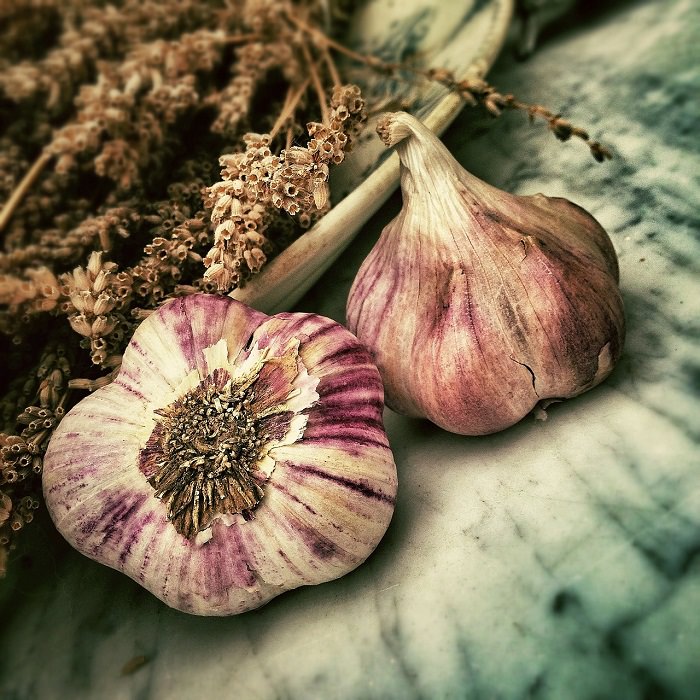
Packed with goodness: This potent herb is antibacterial, antimicrobial
and anti-fungal, and has been found to reduce inflammation too. Studies
have also shown that garlic can reduce the risk of lung cancer, prostate
cancer, and osteoarthritis. According to preliminary findings, garlic
may also lower cholesterol and blood pressure in people who suffer from
hypertension.
Use it to avoid the common cold. If you feel like you are getting sick,
mince fresh garlic and let it sit for 15 minutes, then swallow it as you
would a pill. This is an extremely effective method of preventing a
cold.
Easy to grow: In spring or fall, buy seed garlic (you can purchase it
online, or get it from a local farmer. Gardening supply stores should
sell it too).
For best results:
Plant individual cloves (narrow side facing up) about three to four
inches below the soil and about 18 inches apart.
• During the winter, cover the soil with mulch to help keep your seed warm. You can use straw, hay, leaves or grass clippings.
• Come spring, the flowering stalk of the plant should start to grow.
To retain the nutrients in the garlic, snip it off (as otherwise, the
nutrients will rise up into the flowers). After two weeks, harvest the
bulbs.
2. Broccoli sprouts
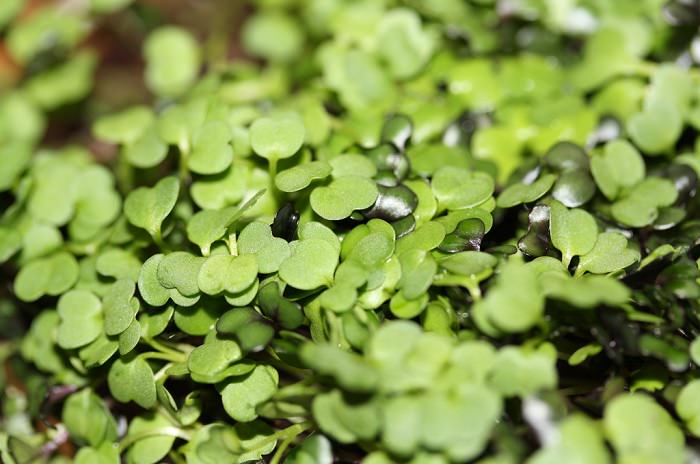
Packed with goodness: Broccoli sprouts are baby plants in their prime,
making them 10 to 30 times more powerful than fully grown broccoli.
Besides having a full profile of enzymes, vitamins, and minerals,
broccoli sprouts contain concentrated stores of sulforaphane, which
helps mobilize the body's natural cancer-fighting resources, inhibiting
tumor growth. The sprouts have also been shown to lower blood sugar and
cholesterol, which helps protect against heart disease.
Use it to reduce symptoms of asthma and other respiratory disorders.
Studies show that the compound found in broccoli sprouts, sulforaphane,
reduces oxidative stress and inflammation in the airways.
Easy to grow: Broccoli sprouts may be grown at any time of year.
• Place 1/2 a cup of broccoli sprout seeds in a mason jar with a sprout lid. Alternatively, you can use a cheesecloth, secured tightly with a rubber band.
• Add 2 cups of room temperature water and let it soak for eight hours. Drain, rinse again and repeat the steps twice a day for three days.
Tip: Within 72 hours, your seeds should yield around 2 cups of sprouts.
For best results and to retain much of its nutrients and sweetness, the
tails or roots of the sprouts should be about 1/2 an inch to 3/4 of an
inch long. Store them in the refrigerator in a covered container, where
they will keep for up to five days.
3. Mint 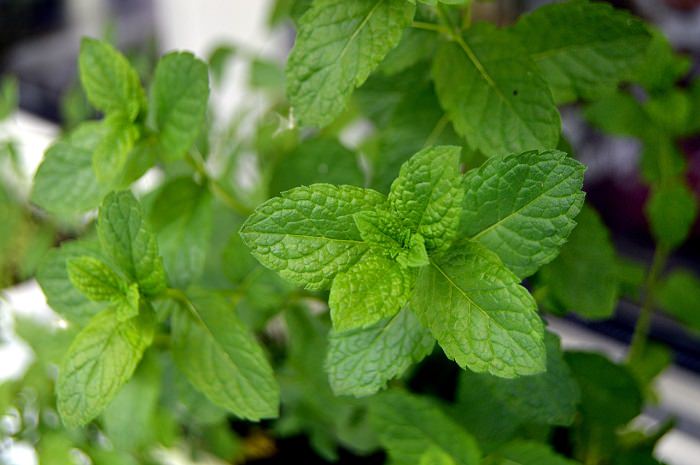
Packed with goodness: According to two studies, the compounds found in mint (perillyl alcohol, carotenoids, and retinoids) may beat prostate and liver cancer. It has also been shown to lower inflammation and reduce seasonal allergy symptoms significantly.
Use it to ease digestion. Studies show that mint relaxes the muscular
lining of the digestive tract, quieting cramps and gas, reducing
abdominal pain. It has also been shown to work on people who suffer from
IBS (Irritable Bowel Syndrome).
Easy to grow: A word of caution - Mint can get pretty invasive in the
garden, but these simple steps should keep it under control:
• Buy a starter plant in the spring and grow it in a pot.
• Give the herb partial sunlight. Plants continue to grow and expend energy when exposed to sunlight, so keeping it in the shade for part of the day will give it a good break.
• Herbs also hate soggy roots, so be sure to keep it slightly on the dry side.
4. Asparagus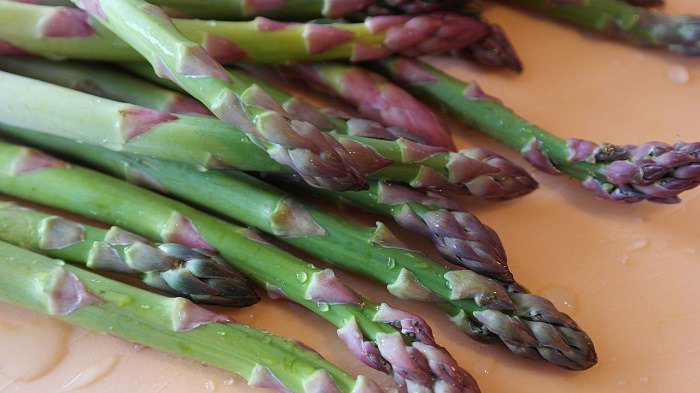
Packed with goodness: Asparagus contains high levels of glutathione, a detoxifying compound that removes poisons from the body. Adding to its list of benefits, asparagus is also anti-inflammatory, which helps fight common chronic health problems such as type 3 diabetes (a type of Alzheimer's), heart disease and certain cancers. It is also rich in B vitamins, folate, vitamin C, vitamin K, calcium, zinc, manganese, selenium, and iron.
Use it when you are suffering from a hangover. Studies have shown that
its extracts boost levels of certain enzymes that are key to breaking
down alcohol.
Easy to grow: This perennial plant need only be planted once, and it
will yield stalks for 25 years.
• In the early spring, buy 1-year-old Jersey Knight or Jersey Giant crowns, planting them in an area of your yard that gets full sun and is well drained.
• Asparagus crowns should be planted six inches down in rich or sandy soil.
• Place them in four rows, 12 inches apart, covering them with three inches of soil.
• Wait two weeks, then add more soil so that it is slightly mounded above ground level. Cover with a lot of mulch to keep weeds out and water regularly - up to three times a day (if it's not raining).
• To make the most of your bounty, do not harvest any spears for two years, allowing all the plant's energy to be established in the roots. And when harvesting, use a sharp knife to cut the spears at ground level.
5. Basil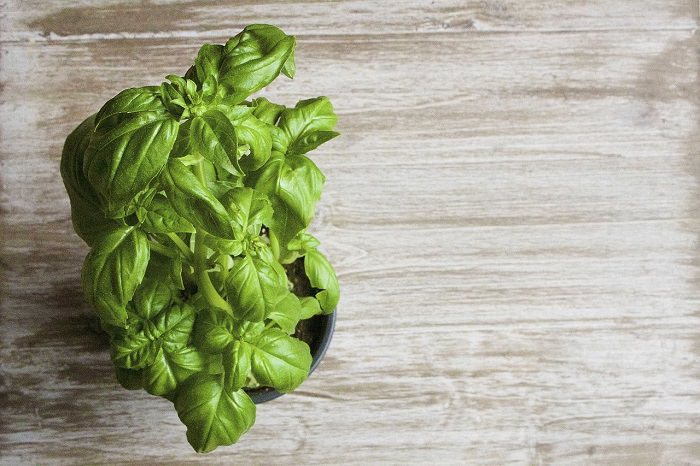
Packed with goodness: Due to its antioxidant, antibacterial and anti-inflammatory properties, as well as being a good source of beta-carotene and magnesium, basil protects cells against a number of diseases, including heart disease, asthma, osteoarthritis, rheumatoid arthritis, and inflammatory bowel disease.
Use it to soothe headaches. Basil contains eugenol, a component that has been shown to work in the same way as over-the-counter remedies such as aspirin and ibuprofen. Just chewing on basil will help dull a headache.
Easy to grow: There are well over 60 varieties of basil, but we recommend using sweet Italian, luscious, Thai basil or purple basil.
• Buy a starter plant in the spring, transplanting it outside using standard outdoor gardening soil.
• When watering, be sure to water the soil, not the leaves (as basil leaves may be vulnerable to disease).
• Depending on the variety of basil you opted for, expect it to grow up to five inches.
6. Red cabbage microgreens
Packed with goodness: The super-baby version of red cabbage (less than
two weeks old) contains a six-fold higher vitamin C concentration and 69
times the vitamin K of the mature vegetable. Vitamin C is high in
antioxidants, fighting inflammation and protecting the body from cell
damage to help prevent chronic conditions such as heart disease. This
super microgreen also contains collagen, which aids in strengthening
muscles, skin, bones and other connective tissues. Being rich in vitamin
K, red cabbage microgreens will help with blood clotting and bone
building, preventing osteoporosis, atherosclerosis, and cancer.
Use it to help prevent colds and flu. Being a fantastic source of vitamin C, red cabbage microgreens will help boost the immune system by stimulating the production of white blood cells - protecting the body against bacteria and infections.
Easy to grow: Opt for red cabbage seeds or special microgreen seeds.
• Using a baking dish or a seeding tray, add about two inches of organic potting soil or seed-starting medium.
• Sprinkle the seeds around and add a light layer of soil on top. Water thoroughly (just this once) and leave to sit in the sun, using a spray bottle to mist with water a couple of times a day.
• The microgreens should roughly take a little over a week to grow. Harvest at the 10-day mark, when the greens are about two inches high.
7. Chamomile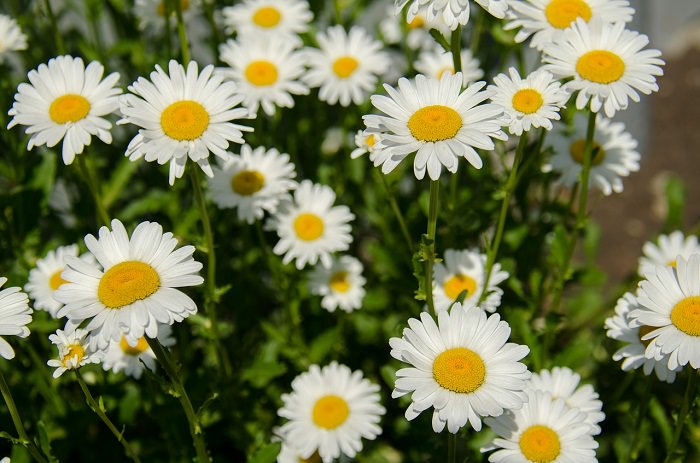
Packed with goodness: Chamomile is one of the best-documented medicinal plants in the world. It is high in antioxidants, is anti-inflammatory and antimicrobial. Preliminary findings also suggest that it may deactivate cancer cells. But, chamomile has been shown to speed up the wound healing process (particularly burns), prevent and treat colds, protect against bacterial infection, calm muscle spasms, ease an upset stomach and promote better sleep.
Use it as the ultimate chill-out tonic, soothing frayed nerves. According to a 2012 study from the University of Pennsylvania School of Medicine, German Chamomile has also been shown to relieve anxiety and reduce symptoms of mild depression.
Easy to grow: Chamomile is happiest when it is somewhat neglected.
• Buy a packet of seeds, planting them inside initially (as the roots like to remain warm). Alternatively, you may invest in a germination heat mat that can be bought at a gardening shop for about $20.
• After six to eight weeks, transfer your chamomile outdoors, to a sunny spot, with good airflow, watering it about once a week or whenever it looks dry.
• In a couple of months, you will be able to harvest the yellow-and-white daisy flowers.
• To use, just dry and crumble the flowers, placing them directly in a
tea ball. Just add boiling water, allow the chamomile to steep for a
while - and enjoy!