Wednesday, January 07, 2026

8 Thyroid Gland Disorders that Commonly Affect Women

The thyroid is a gland inside of our necks, just below the Adam’s apple (in men), which is an incredibly important part of our endocrine (hormonal) system that helps regulate our metabolism, manages protein synthesis, growth and more. Of course, just because it affects mainly physiological processes in the body doesn’t mean it ends there, as energy production through metabolism has a profound effect on our brains. 

Around one in eight people have a thyroid disorder. Of these, a majority are unaware they have it, and a huge majority are women. Why are women more susceptible? Because most thyroid disorders are caused by autoimmune diseases, which disproportionately affect women. Because thyroid problems often have numerous nonspecific symptoms, they are very easily misdiagnosed. 

1. Hypothyroidism
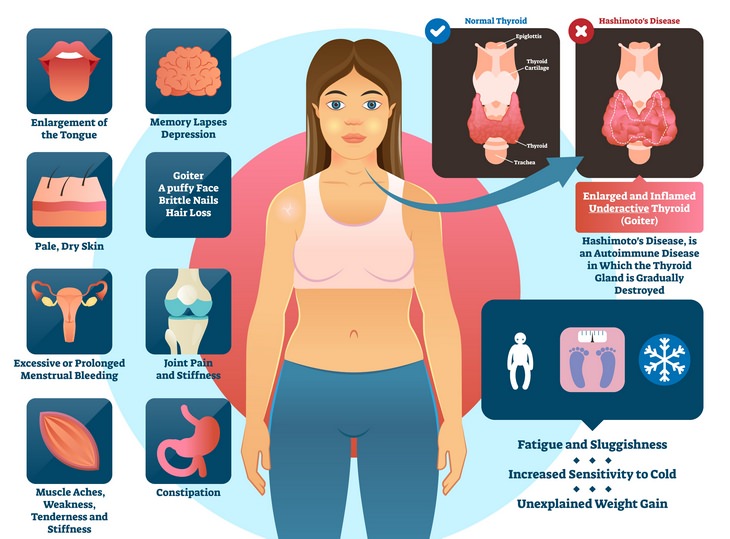
Hypothyroidism is a disorder that manifests in reduced activity in the thyroid gland. Because one of the main functions of the thyroid is regulating metabolism, an underactive gland causes slower metabolism. This, in turn, may cause inexplicable weight-gain, loss of appetite, constipation, dry and flaky skin, hair thinning, sensitivity to cold and depression.

In developing countries, the leading cause for hypothyroidism is a lack of dietary iodine, while in developed countries, hypothyroidism is typically associated with an autoimmune disease. 
 
2. Hyperthyroidism

As you can probably tell by the name, this condition is the opposite of hypothyroidism and describes an overactive thyroid gland. Unsurprisingly, the symptoms of hyperthyroidism are nearly an exact mirror image of hypothyroidism: weight loss that is not tied to diet or activity and paired with an increased appetite, frequent diarrhea, irritability, confusion, an increased heartbeat, hand tremors, heat intolerance, sleep disorders, and mood swings. 
 
Like hypothyroidism, the chief culprit behind hyperthyroidism are autoimmune diseases, and so it affects females to a much greater extent than men, but it also appears to be hereditary and can be caused by too much iodine in the diet. 
 
3. Goiter
Thyroid disorders: goiter
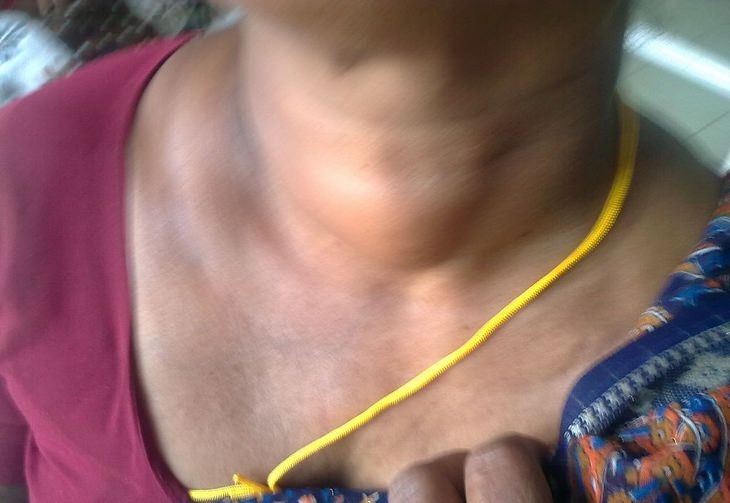
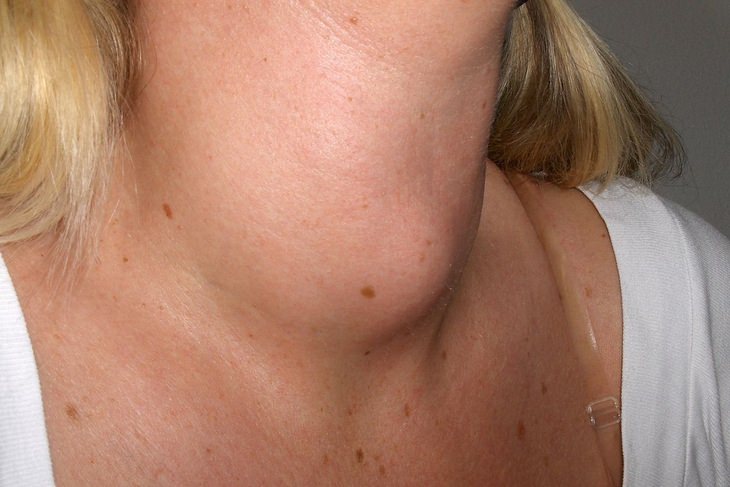
Rather than a thyroid disorder in and of itself, goiter is a symptom of other thyroid diseases. Goiter is a swelling of the neck due to an enlarged thyroid gland which can be caused by any thyroid disorder, but not having goiter doesn’t rule out a thyroid disorder.

It can present itself as a slight swelling of the neck, as a grapefruit-size globular swelling, or as several smaller balls in the neck. Goiter is typically painless, but a large goiter can make eating and breathing difficult. 
 
4. Thyroid storm

Thyroid storm is a rare and life-threatening complication of an overactive thyroid (hyperthyroidism), which causes high fever, vomiting, and hypertension in early stages, followed by dramatically low blood pressure and circulatory shock in later stages. Thyroid storm could result in heart failure or heart attack. 
 
Thyroid storm could be triggered by any number of conditions that aren’t related to the thyroid, such as blood poisoning, fever, dehydration and more. People are at larger risk of a thyroid storm if they leave their hyperthyroidism untreated or if they discontinue their hyperthyroidism treatment.

5. Hashimoto’s disease
Thyroid disorders: Hashimoto's disease thyroiditis

Perhaps the leading cause of hypothyroidism in the west is Hashimoto’s disease, an autoimmune disease that causes the immune system to actively attack the thyroid gland. Though this may cause swelling in the thyroid (and goiter as a result), the overall effect is a gradual shrinking of the thyroid until its destruction. 
 
As an autoimmune disease, Hashimoto’s disease is more common among people who suffer from other autoimmune diseases, specifically type 1 diabetes, celiac disease, vitiligo, and alopecia, but it is also genetic and could be inherited.

6. Grave's disease
 Thyroid disorders: Grave's disease bulging eyes
 
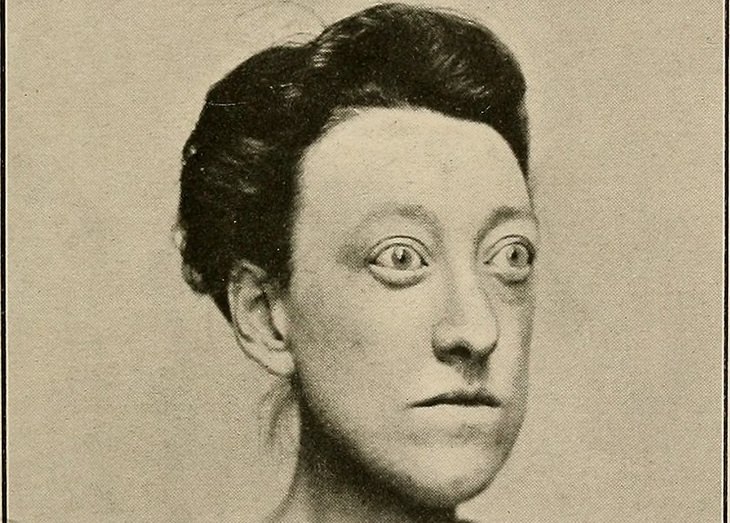
Another autoimmune disease, Graves’ is the most common cause behind hyperthyroidism and can be initially triggered by stress, infection or childbirth. Additional symptoms of Graves’ are discolored, swollen shins with lesions or nodules, as well as eyes that bulge out. 
 
Much like Hashimoto’s, people suffering from a preexisting autoimmune disease are more likely to develop Graves’ disease, and conversely, those with Graves’ are more likely to develop unrelated autoimmune conditions. There also appears to be a genetic factor. 
 
7. Thyroid nodules
 
Thyroid disorders: thyroid nodules
The most common thyroid problem and the cause of the least concern are nodules in the thyroid gland. These can be asymptomatic and imperceptibly small or present as lumps in the throat. In the case of goiter, one or more lumps are indicative of nodules. Only 5% of thyroid nodules are malign. 
 
Problems swallowing or speaking and a hard, immobile lump are more indicative of malignancy, while a family history of autoimmune diseases and thyroid conditions accompanied by a nodule that is soft and painful are all signs of the nodule being benign. 
 
Thyroid nodules are extremely common, with about 50% of people having a nodule at some point in their life. Other thyroid conditions, such as Hashimoto’s and Graves’ will often cause nodules as well.
 
8. Thyroid cancer
Thyroid disorders: thyroid cancer

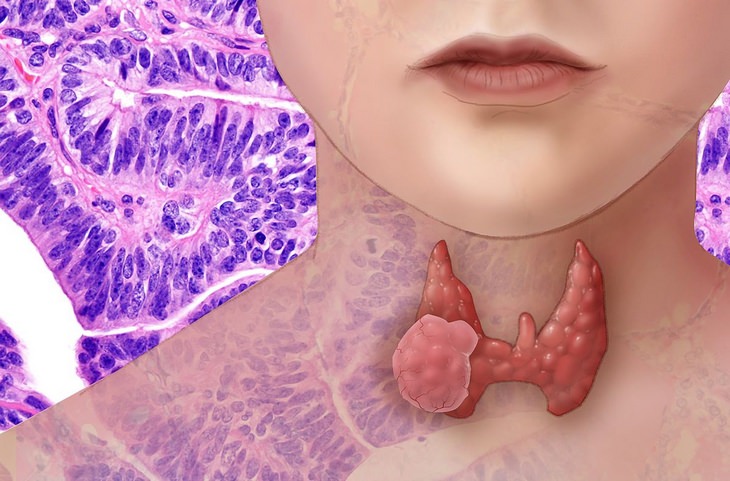
Most types of thyroid cancer have an excellent prognosis and are very manageable, as they do not tend to metastasize. Though not overly common, diagnosed cases are on the rise, but that may very well be due to better detection, rather than the cancer being on the rise. 
 
The lack of detection in the past may be due to a lack of complaints from patients, who did not realize something was wrong to begin with. There are four types of thyroid cancer: 
Papillary 
 
Follicular 
 
Medullary 
 
Anaplastic. 
 
Of those, only anaplastic thyroid cancer, which is an extremely rare, fast-acting and metastasizing type of cancer, is of great concern. For the other three types of cancer, the survival rate over five years is 90% and 84% over ten years.


This is only for your information, kindly take the advice of your doctor for medicines, exercises and so on.   


Labels: , , , , , , , ,

Tuesday, October 01, 2024

Your period lasts only two days. Should you be worried?

 The fact that your period lasts just two days makes you anxious? Here's what you might need to know.

Let’s face it—most of us have a love-hate relationship with our period. We might not enjoy the cramps, but when things get “unusual,” it does feel unsettling. If you've noticed your period shrinking down to just two or three days—or if this is your usual experience—you might feel anxious, especially when most people around you have it otherwise.

But is this really a cause for concern?

First things first—what’s a “normal” period length?

Typically, a menstrual cycle lasts anywhere between two to seven days. Yes, that means a two-day period is within the “normal” range. However, if your period suddenly becomes much shorter than usual, it could indicate something more.

A gynecologist, obstetrician, and IVF expert says: “Every woman has a unique menstrual cycle. Most women have period lasting three to five days, but a duration of two to seven days is also considered normal.” 

A period lasting only two days is not usually a cause for concern, especially if it's regular for the individual. This condition is known as hypomenorrhea. 

A gynecologist explains further: “Menstrual cycles can vary greatly in length and flow due to factors like age, stress, hormonal changes, and lifestyle. Some women naturally have shorter period, particularly those using hormonal contraception or approaching menopause.”

Lifestyle factors that impact period duration

Lifestyle factors like stress, diet, and exercise can significantly affect the length of your period, says a Dr who adds:

  • High stress levels can disrupt the balance of hormones that regulate the menstrual cycle, potentially leading to shorter or missed period.
  • Poor nutrition, particularly diets lacking in essential nutrients, can also affect hormone production and cycle regularity.
  • Excessive exercise or rapid weight loss may cause the body to conserve energy, reducing reproductive hormone levels and shortening or stopping periods altogether.

Maintaining a balanced lifestyle with proper stress management, nutrition, and moderate exercise is crucial for a healthy menstrual cycle.

Can shorter period affect fertility or overall reproductive health?

A period lasting two days, while not always a cause for concern, may sometimes signal underlying issues that can affect fertility and reproductive health.

“One potential issue is anovulation,” says Dr Tripti Raheja, “where ovulation doesn’t occur regularly.” Without ovulation, pregnancy cannot happen, leading to fertility problems. Conditions such as polycystic ovary syndrome (PCOS) or thyroid disorders often result in irregular or short period due to anovulation.

Another concern is a thin uterine lining (endometrium).

An obstetrician, gynaecologist, says: “Period that are abnormally short may indicate uterine conditions or hormonal imbalances that could impact fertility.”

“A thin lining makes it difficult for a fertilised egg to implant, affecting fertility. Low estrogen levels, excessive exercise, or conditions like Asherman’s syndrome (uterine scarring) can cause this issue,” adds the Dr.

Hormonal imbalances involving estrogen and progesterone can also cause shorter period and lead to fertility issues. Low estrogen affects egg quality, while insufficient progesterone may hinder the ability to maintain pregnancy.

Lastly, a shorter period could indicate premature ovarian insufficiency (POI), where the ovaries lose function before age 40. POI can cause infertility, irregular cycles, and early menopause, impacting overall reproductive health.

When is it a red flag?

 The problem arises if this change is sudden or accompanied by other unusual symptoms, like heavy cramping, spotting between period, or signs of hormonal imbalances. It may be advisable to consult a healthcare provider to rule out any underlying health issues.

The Dr. explains, “A sudden change in period length, especially if your cycles were previously longer, may warrant investigation by a healthcare provider. Similarly, irregular menstrual cycles, such as missed or very frequent period, could indicate a hormonal or reproductive issue.”

“If you're experiencing difficulty conceiving, consistently short period may suggest problems with ovulation or hormonal balance, affecting fertility. Additional symptoms like severe cramping, spotting, unusual discharge, or signs of nutrient deficiencies such as fatigue and dizziness should also prompt medical attention,” she adds.

 The Dr. also advises that women with a history of PCOS, thyroid disorders, or premature ovarian insufficiency (POI) should consult their gynaecologist if period become shorter. “For those approaching perimenopause, shorter period may be normal, but it’s still advisable to check with a doctor, especially if accompanied by other symptoms like hot flashes or mood changes,” she warns.

Remember

A two-day period doesn’t always mean something is wrong, but if your cycle has changed suddenly, don’t ignore it. Your body knows best, and when it’s sending signals, it’s always worth paying attention.


This is only for your information, kindly take the advice of your doctor for medicines, exercises and so on.   

https://gscrochetdesigns.blogspot.com. one can see my crochet creations  
https://gseasyrecipes.blogspot.com. feel free to view for easy, simple and healthy recipes    
https://kneereplacement-stickclub.blogspot.com. for info on knee replacement
https://cancersupportindia.blogspot.com  for infor on cancer and health related topics
https://GSiyers home remedies.blogspot.com   is the latest addition to my blogs. I'm going to add posts there, do give me your valuable feed back on my blogs. Thanks a lot, take care, be healthy and be happy.

Labels: , , , , , ,

Wednesday, January 30, 2019

Put an end to thyroid problems in just 8 days with coriander seeds

In case you still do not know a thyroid gland is one of the very important organs of human body and when there is something wrong with it there are a lot of unpleasant changes throughout the body. The thing is that the hormones that a thyroid gland produces are very beneficial to human body and one of the many things it controls is your weight, if it is working poorly, then you'll be obese, if it over-works, then you'll be very thin !

The hormones that thyroid gland produces regulate the metabolic processes and as you may also know once there is something wrong with your metabolism lots of issues may arise. That is why today we are going to discuss a remedy that will take care of all the thyroid gland issues in just as few as eight days.

The best way to deal with all types of thyroid gland issues is with the help of coriander seed water. This remedy is easy to prepare, it is highly effective what is more it has no side effects so that even pregnant and nursing women can take it.

Ingredients
Coriander seeds
Water
Honey
Preparation
1. Bring around 200-250 ml water to boil.
2. Add 2 teaspoons of coriander seeds to boiling water.
3. Let it simmer for about 20 minutes.
4. Remove from the flame and strain the mixture.
5. You can drink it plain or you can add some honey to it. ( adding honey will help to reduce weight)
6. Drink the remedy every morning on empty stomach.
7. In a week you will see the changes.

As it has been already said there are no side effects to this remedy so that you do not have to worry about the consequences. In as few as up to eight days, you will observe the positive changes. However, you should not forget that most of your problems may result from inactivity, that is why adding some more exercise to your routine certainly won’t hurt.


THIS IS ONLY FOR INFORMATION, ALWAYS CONSULT YOU PHYSICIAN BEFORE HAVING ANY PARTICULAR FOOD/ MEDICATION/EXERCISE/OTHER REMEDIES.                                    PS- THOSE INTERESTED IN RECIPES ARE FREE TO  VIEW MY BLOG-                                                                                           https://gseasyrecipes.blogspot.com/       
                                                                                                                                                                      FOR INFO ABOUT KNEE REPLACEMENT, YOU CAN VIEW MY BLOG-                                                  https:// kneereplacement-stickclub.blogspot.com/           
                                                                         
  FOR CROCHET DESIGNS                                                                                                                                                                                                  https://gscrochetdesigns.blogspot.com
 

Labels: , , , , , , , ,

Wednesday, January 16, 2019

Thyroid Disorders: Why They Are So Common

Some experts say a woman over 35 has a 30 percent chance of developing a thyroid disorder. One simple explanation is that today's more sensitive and sophisticated tests catch the ailment sooner, leading to more diagnoses. But even if that's true many experts think hypothyroidism is under-diagnosed, and researchers don't know why. Possible explanations include:

Stress

Its everywhere these days. Many endocrinologists recommend that patients try yoga, meditation, and other stress-reducers. Some experts believe that finding healthy ways to cope with stress might help prevent immune-system attacks like Hashimoto's thyroiditis, the most frequent cause of hypothyroidism, or at least slow its onset.

Environmental toxins

Chemicals that disrupt the body's endocrine system may be throwing peoples hormones out of whack. An American Thyroid Association investigative meeting in the spring tackled the topic of environmental effects on the thyroid.

Nutritional deficiencies and/or imbalances

Too much or too little iodine, selenium deficiency from soil, fluoride in water, and too much soy in today's diet may be culprits.

THIS IS ONLY FOR INFORMATION, ALWAYS CONSULT YOU PHYSICIAN BEFORE HAVING ANY PARTICULAR FOOD/ MEDICATION/EXERCISE/OTHER REMEDIES.                                                                                
 PS- THOSE INTERESTED IN RECIPES ARE FREE TO  VIEW MY BLOG-                                                                                           https://gseasyrecipes.blogspot.com/                                                                                                                                                                             FOR INFO ABOUT KNEE REPLACEMENT, YOU CAN VIEW MY BLOG-                                               
     https:// kneereplacement-stickclub.blogspot.com/                                                                                     
  FOR CROCHET DESIGNS                                                                                                                                                                                                  https://gscrochetdesigns.blogspot.com
 

Labels: , , , , , , , , , , ,