Thursday, March 03, 2022

Iodine Deficiency Is Awfully Common: Signs to Look Out For

ontrary to popular belief, iodine deficiency is a health issue that is common in all people, not just pregnant women and children. As a matter of fact, it was estimated that 2 billion people worldwide are suffering from this condition, which makes it one of the most widespread nutrient deficiencies in the world. An iodine deficiency manifests itself through many uncomfortable and sometimes severe symptoms, such as memory issues, hair loss, weight gain, and chronic fatigue. 
 
Anyone can develop an iodine deficiency, although pregnant women, vegetarians, vegans, and those who live in areas with low levels of iodine in the soil are the most likely to develop this condition. The reason why iodine deficiencies are closely-associated with pregnancy and children is that iodine levels play an important role in brain development and physical growth. Low levels of this mineral can lead to developmental issues in infants and children. 
 
Still, anyone can experience iodine deficiency symptoms, especially if you’re not a fan of seafood and fish and you avoid consuming iodized salt. Below, we list 8 widespread health issues that affect both men and women.  
 
1. Feeling cold all the time

Iodine Deficiency woman feeling sick
Iodine is a mineral that’s present in the soil and the ocean. The human body needs iodine in order to produce thyroid hormones. When a person isn’t able to get enough iodine from their diet, this can diminish the synthesis of thyroid hormones in the body.

As a result, the body will not receive enough thyroid hormones, and symptoms reminiscent of those of an underactive thyroid (hypothyroidism) will occur. One such symptom is an increased sensitivity to the cold. According to medical research, more than 80% of people with an underactive thyroid start feeling colder than usual. 
 
Researchers believe that this may be due to the fact that low levels of thyroid hormones slow down the metabolism. As a result, the body starts generating less heat and becomes more susceptible to be cold. 
 
2. A swollen neck
For those who need a quick anatomy reminder - the thyroid gland is a small gland located in the front part of the neck. When a person’s iodine levels are low, this butterfly-shaped gland perceives it as a sign that it must work harder in order to try and make more hormones. 
 
Subsequently, it starts growing in size, and the person develops a goiter - swelling in the front of the neck. A goiter is the most characteristic symptom of an iodine deficiency and an underactive thyroid in general. If low iodine is to blame for this symptom, increasing one’s iodine intake will help decrease the size of the goiter or make it go away completely. If left untreated, however, this change can become permanent.  
 
3. Hair loss
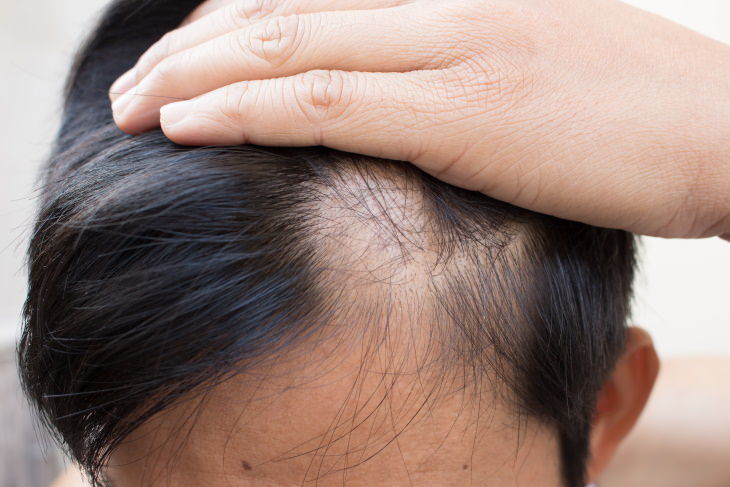
Iodine Deficiency Hair loss
One of the tasks of the thyroid gland is to maintain the growth of hair follicles. Insufficient iodine levels can hinder the regeneration of hair follicles. If this continues for a long time, the hair follicles die and the person will experience hair loss. Studies confirm that a third of hypothyroidism patients of both sexes develop hair loss. If you suspect that you’re experiencing hair loss due to an iodine deficiency, restoring normal levels of the mineral usually helps stop the hair loss.

4. Dry and flaky skin

Iodine Deficiency dry skin
If you notice that your skin is suddenly becoming dry and flaky, although you usually don’t have this issue, low iodine intake may the culprit. The reason why is simple. Thyroid hormones help regulate how fast our skin renews itself and how much it sweats. 
 
A reduction in thyroid hormone levels, in turn, disrupts this renewal cycle, making old rough skin cells stick around on the surface of the skin for a longer time, which makes your skin appear flaky and dry. A reduction in the activity of sweat glands also plays a role in making your skin less plump and hydrated. 
 
A combination of these two factors makes people with an iodine deficiency more likely to suffer from dry and rough skin. As many as 77% of those who suffer from hypothyroidism experience this symptom according to studies.

5. Changes in heart rate

Iodine Deficiency woman measuring her pulse
Apart from slowing down the thyroid gland, iodine deficiency can also affect the heart. Changes in iodine levels can affect the heart rate - the number of beats your heart does per minute. If you’re not getting enough iodine from your diet, your heart will beat slower, whereas excessive iodine consumption can make your heart beat faster than usual. 
 
An extreme deficiency in this mineral makes the heart work very slowly, and the person suffering from a deficiency that’s that severe will feel lethargic, tired, and may even faint.  
 
6. Fatigue

Iodine Deficiency tired woman in front of laptop
Research shows that 80% of diagnosed iodine deficiency patients experience this symptom. Still, weakness and fatigue alone are rarely enough to be diagnosed with iodine deficiency. After all, it’s one of the most common symptoms and can be a sign of so many health issues. 
 
That said, a feeling of overwhelming and unexplained tiredness is often the push that makes a patient see a doctor and get blood-work done in the first place. This, in turn, helps the person receive a proper diagnosis and start watching their iodine levels more closely

7. Sudden weight gain
As we mentioned at the beginning of this article, an underactive thyroid can make your metabolism slow down. When your metabolism becomes sluggish, your body will start converting the majority of the energy you consume from food into fat. 
 
For that reason, those who are deficient in iodine may experience sudden weight gain and may find it difficult to lose weight. In these individuals, adjusting your iodine levels may speed up your metabolism and reverse these undesirable changes.  
 
8. Memory issues and difficulty learning new information
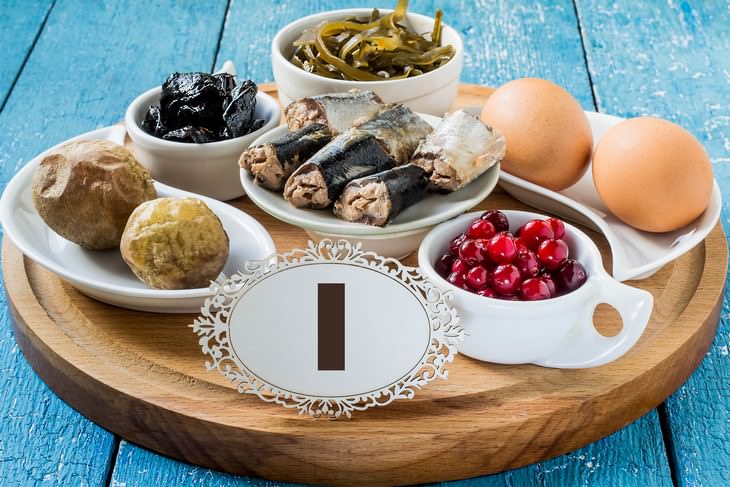
There are so many interesting ways in which our diet can really influence our mental faculties and brain health. We usually think of our gut microbiome when we think of this connection, but even a seemingly-minor flaw like a diet poor in iodine can likewise create a lot of trouble in the brain. Low iodine levels make it more difficult for us to learn and remember. 
 
According to studies, an iodine deficiency can even shrink the hippocampus, the part of the brain responsible for forming long-term memories. "Lack of iodine is the world's leading cause of preventable mental retardation and can cause population-wide drops in IQ in areas where deficiency is common," said Dr. Glen Maberly of Emory University's Rollins School of Public Health in a press release by the CDC. Therefore, it’s incredibly important to get your iodine levels in check if you want to preserve your brain’s ability to form and retain information. 
 
How to Make Sure You’re Getting Enough Iodine from Your Diet Iodine Deficiency Iodine rich foods
Iodine Deficiency Iodine rich foods
 
Unfortunately, the human body cannot produce iodine on its own. Therefore, we must rely on our diet completely in order to meet our daily need for this mineral. A healthy child and adult need to consume 150 micrograms of iodine per day. This daily dose increases to 220 micrograms a day for pregnant women and 290 micrograms for breastfeeding women. 
 
In many countries, the soil is poor in iodine, and so the water and the foods produced in these places lack the mineral. What's more, the levels of the mineral in the soil only seem to decrease over time. For example, historically, the solid across the United States was considered sufficiently rich in iodine, but through the 1980s and 1990s, researchers started observing that more and more people were deficient in iodine.

For this reason, many countries, including the United State, started incorporating iodine into table salt. If you live in an area in the world with low iodine soil, incorporating iodized salt into your diet may be a good idea. That said, adding a lot of salt into your meals is never a good idea, so make sure also to include foods that contain iodine to meet your daily dose of the mineral. 
 
Whole foods are a much healthier way to enrich your diet with iodine, as they contain other important nutrients along with it. These sources include: 
 
Dairy 
Seafood 
Meat 
Eggs 
Seaweed 
Soy products.


This is only for your information, kindly take the advice of your doctor for medicines, exercises and so on.   

https://gscrochetdesigns.blogspot.com. one can see my crochet creations  
https://gseasyrecipes.blogspot.com. feel free to view for easy, simple and healthy recipes    
https://kneereplacement-stickclub.blogspot.com. for info on knee replacement

Labels: , , , , , , , , ,

Tuesday, December 28, 2021

10 Signs of Heart Failure You Should Never Ignore, According to Doctors

There are two major heart attack symptoms that everyone is aware of: sudden and severe chest pain that feels like a clenched fist and pain radiating down the arm. But it’s possible other warning signs may have cropped up on the way to that cardiovascular event, and not been recognized as heart failure.

“Unlike an actual heart attack, heart failure can happen gradually, and that’s why people often mistake the symptoms for something else, like indigestion or being out of shape,” says a cardiologist and medical director of non-invasive cardiology and cardiac rehabilitation. “But the longer you go without seeing these as signs of heart trouble, the more damage you may have over time.”

Sometimes called congestive heart failure, this condition occurs when there are problems associated with how the heart is pumping blood. That doesn’t mean your heart has suddenly stopped working. In some cases, the heart may not pump with enough force to deliver the blood into your circulatory system, and in other cases, not enough blood is getting into your heart so the amount pumped out is reduced. As symptoms worsen, emergency treatment may be required.

According to the National Heart, Lung and Blood Institute, about 5.7 million people in the U.S. have heart failure, and it can affect both children and adults. Currently, there’s no cure, but treatments like lifestyle changes and medications can make a huge difference in terms of longevity and quality of life.

Like many conditions, the earlier you catch it, the better your outlook. Here are 10 signs that your ticker may not be operating the way it should.

You can’t seem to catch your breath.

Quick anatomy refresher: The heart and lungs are best pals when it comes to functionality, working together to make sure your body has oxygen-rich blood. The right side of the heart takes in blood that’s been depleted of oxygen and pumps it over to the lungs so it can get an oxygen refresh. Since heart failure affects how well this elegant system operates, shortness of breath is a major sign of trouble, says a cardiologist. People will feel “air hunger,” meaning no matter how deeply you inhale, you don't feel like you're getting enough oxygen.

Exercise seems much harder than it should be.

The feeling of air hunger can happen at rest but it’s especially acute with exertion—even walking across a room can feel like too much effort. If you’re trying to get in an actual workout, increased activity raises your heart rate, which means it’s trying to pump faster and you could find yourself really gasping for air then. “People often think they’re just out of shape when they can’t catch their breath,” a Dr.  says. “They think they need to get to the gym. But what they need is to get to the doctor.”

Lying down flat is a major problem.

When you lie down, some of the blood in your legs goes back into your bloodstream, and that creates an increased amount returning to the heart. Usually, the heart can compensate through its pumping mechanism. But with heart failure, it can’t keep up and that can cause more shortness of breath, says a cardiologist.  You can often find some relief through propping your head up, relieving the pressure on your lungs, which is why a cardiologist might ask how many pillows you use to avoid feeling winded.

Legs and feet swell up.

When your heart isn’t operating properly, it pumps less blood to your kidneys, and as a result, that organ compensates by retaining fluid. Most often, this shows up first in your lower extremities, according to a cardiologist in New York. Also called edema, this puffiness in your legs, arms and feet tends to affect both sides, and causes stretched, shiny skin. It’s also a telltale sign of edema if you press a finger into the swelling and that indentation stays for several seconds.

You’re suddenly gaining weight.

The fluid buildup that may be in your legs can “back up” higher into the abdomen and arms. This rapid weight gain is often mistaken for fat accumulation, but it’s actually “water weight” from fluid retention, says a Dr.  This can happen suddenly, she adds, like seeing an additional five pounds over a few days, particularly in the belly.

…or having to pee much more often.

All that fluid you’re retaining has to go somewhere eventually. That’s when you may find yourself always having to pee, especially multiple times in the middle of the night. Sometimes, people brush this off as a sign of aging, says the Dr., or drinking too much water close to bedtime. Unfortunately, some people try to correct the issue by cutting down on water intake during the day, but this can make fluid retention worse, since the body starts holding on to water in order to prevent  dehydration. That cycle gets even uglier with heart failure because dehydration causes strain and increases your heart rate.

You’re tired all the time.

The way the body compensates during heart failure is to divert blood to vital organs, especially the brain, and channel it away from less-important areas like your muscles and limbs. That can lead to a feeling of weakness and fatigue, says the Dr.

Nausea or lack of appetite have come out of nowhere.

Another area of the body the heart considers non-vital when there’s trouble? Your digestive system. With blood being diverted, your stomach and gastrointestinal tract are getting less blood, and that can slow their functions way down, Dr. Greenfield says. You might have a range of effects, including indigestion, lack of appetite, nausea and constipation.

You’re lightheaded or feel confused often.

Even though the heart prioritizes brain function when there’s an issue, heart failure might be caused by a circulation issue, according to Dr. Greenfield. When that happens, not enough blood may be reaching your brain, and that can lead to symptoms like dizziness, mild disorientation, confusion, or even challenges with memory and concentration. In extreme cases, you may experience fainting.

And your hands and feet are always cold.

Multiple woolen layers of socks and mittens are doing nothing to help your icy feet and hands? That could be another symptom of a circulation issue, potentially brought on by heart failure. But this is the kind of sign that’s not enough on its own, Dr. Greenfield says, especially because it’s common for people to have colder hands and feet in general. However, if you experience this as well as several others on the list, they could all be connected.

It’s critical to see your doctor. Although there are certain tactics that can help address minor symptoms—prop your head up at night, drink more water, and don’t smoke—this isn’t an issue to try to tackle on your own.

“The sooner you can get your heart checked out, especially if your symptoms are more minor, the more chance you have to improve your heart function and avoid potential heart attack,” says Dr. Greenfield.

Of course, there are great heart-healthy lifestyle habits that will be invaluable for long-term change. But if you’re experiencing any of the symptoms listed here, it’s possible you may need short-term interventions, like medication, to make sure your heart gets back on track.

This is only for your information, kindly take the advice of your doctor for medicines, exercises and so on.   

https://gscrochetdesigns.blogspot.com. one can see my crochet creations  
https://gseasyrecipes.blogspot.com. feel free to view for easy, simple and healthy recipes    
https://kneereplacement-stickclub.blogspot.com. for info on knee replacement


Labels: , , , , , , , , , ,