Saturday, June 08, 2024

4 Cognitive Health Strategies from 100-Year-Old Sisters

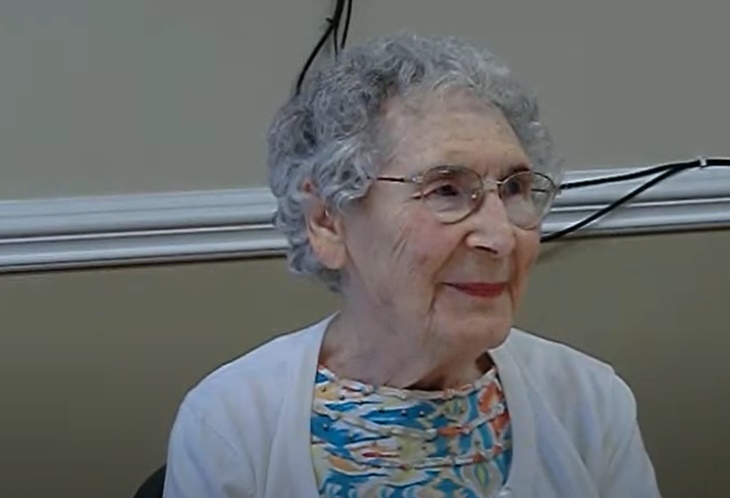
Centenarian sisters Shirley Hodes and Ruth Sweedler recently gave a wonderful interview with CNBC. In the piece, they pointed out that they don’t credit crossword puzzles for their sharp minds and longevity. Instead, it’s simpler life lessons like doing what you love and pursuing your curiosity and talents that have made them reach their 100th birthday and beyond with ease and sophistication.

Life Advice 100-Year-Old Sisters Shirley Hodes and Ruth Sweedler 
 
“I’m not that old!” said 106-year-old Hodes. “I don’t feel old, that’s the truth.” Her 103-year-old sister Ruth shares the same conviction. “I don’t feel that I’m old,” Sweedler said. 
 
For those of you who are curious about Ruth and Shirley’s 4 cognitive health strategies, read on. Social connectedness
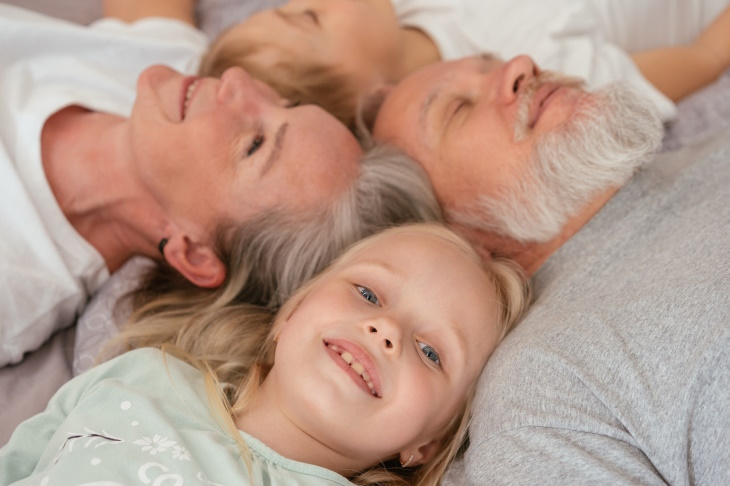
Life Advice 100-Year-Old Sisters Shirley Hodes and Ruth Sweedler grandparents and granddaughters

Perhaps unsurprisingly, both sisters stress the significance of family and meaningful social relationships. Hodes and Sweedler grew up in a family of eight, and they point out that familial ties are one of the most meaningful experiences in one’s lifetime. “The people you’re surrounded with, friends, relatives, family,” Hodes stated in the interview. “That’s what you’ll remember the most.” 
 
They also found that having a happy marriage was important. They look back at their husbands, both of who have passed away, with warmth and affection. Hodes even shares some advice on how to connect with people, stating that curiosity is the key: “I was always so interested in hearing people’s stories, backgrounds. They’re full of surprises.” 
 
Learn something every day 
The theme of curiosity continues in the sisters' lifelong quest for learning. Sweedler adores the theater and used to attend plays with her friends all the time, whereas Hodes’ lifelong passion is reading, and listening to audiobooks too. 
 
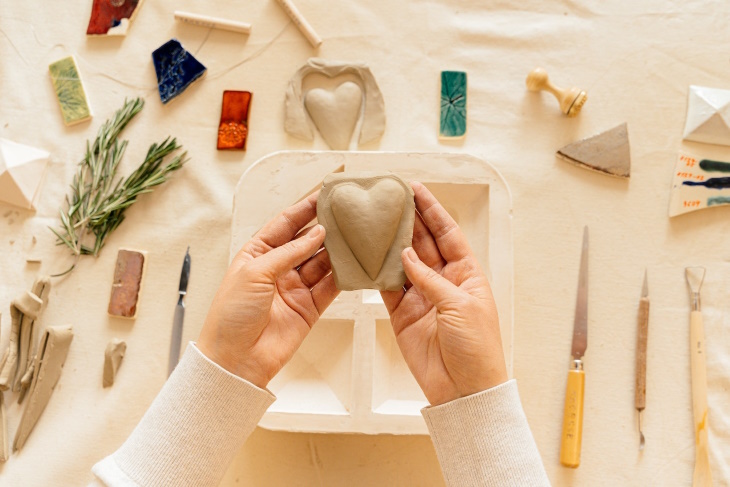
The sisters made the handmade hearts !
Life Advice 100-Year-Old Sisters Shirley Hodes and Ruth Sweedler Handmade heart

“Older people can get absorbed in themselves when you have ailments and such. That can make it hard to have an open mind,” Hodes pointed out. But she recommends pursuing your knowledge thirst with all your strength. And she doesn't just talk the talk... For example, right after retiring, Hodes took an audit class at her local college and aced it, even though she had to sit in the first row to hear and see the teacher.

Do your work in the world 
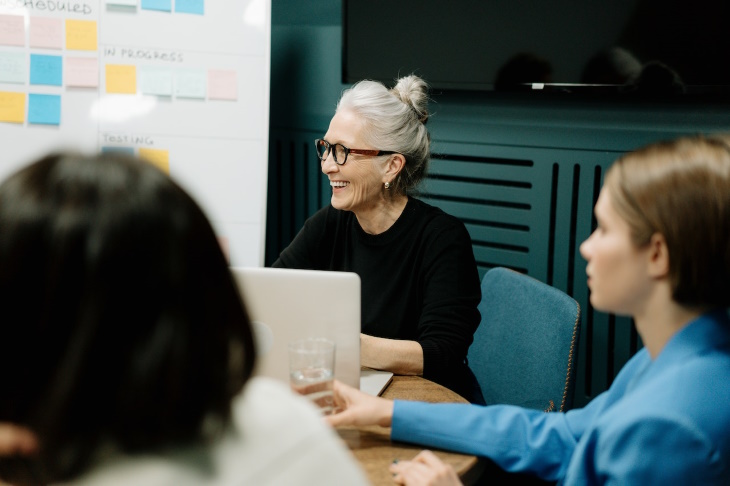
Many people these days dread going to work. Sweedler and Hodes couldn’t disagree more, as work was one of their favorite activities. At around age fifty, when both of her kids were older, Hodes got hired full-time as a paraprofessional and teacher’s aide – a job she kept until age 70. Working at the high school was a great fit, as it made her use her talents of communication and love for reading. “If you’re lucky enough to have work you enjoy, embrace it,” Hodes advises.
 
Life Advice 100-Year-Old Sisters Shirley Hodes and Ruth Sweedler woman presentation

Sweedler is also very proud of her work in the world. She was a self-taught actress at a local theater and was very involved in the local synagogue and Jewish organizations. “Not that I’m so religious,” Sweedler stated. “But I’m aware that I’m Jewish, and I like being involved.” Ruth’s example shows that any work – be it paid labor or volunteering – can help you find meaning and connection in life. 
 
Appreciate your opportunities and achievements 
 Reflecting on life’s missed chances, Hodes said the only thing she regrets is not having the opportunity to go to college as a young woman. Since Hodes and Sweedler were the two youngest siblings of eight in a family of immigrant parents, resources were sometimes limited. “We had to be careful because there were so many of us,” Hodes explains, wisely adding that “you can’t have everything.” Sweedler, meanwhile, misses long walks and travel, wishing her body was as strong as her brain. 
 
Despite the few regrets and missed chances, however, the sisters point out that they’re very grateful, lucky, and blessed for their achievements and daily pleasures – both past and present. Hodes: “My secret? I’m a lucky person. Although I’ve had illnesses and problems, I’ve overcome them. I’m in decent health, enjoying health, thankful for a wonderful life. That sustains me and keeps me going.”


This is only for your information, kindly take the advice of your doctor for medicines, exercises and so on.   

https://gscrochetdesigns.blogspot.com. one can see my crochet creations  
https://gseasyrecipes.blogspot.com. feel free to view for easy, simple and healthy recipes    
https://kneereplacement-stickclub.blogspot.com. for info on knee replacement
https://cancersupportindia.blogspot.com  for infor on cancer and health related topics
https://GSiyers home remedies.blogspot.com   is the latest addition to my blogs. I'm going to add posts there, do give me your valuable feed back on my blogs. Thanks a lot, take care, be healthy and be happy.
Labels: , , , , ,

Wednesday, May 26, 2021

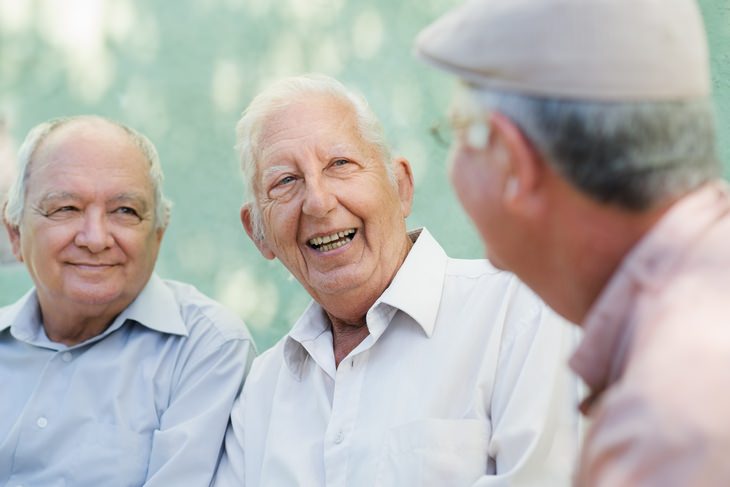
Study Finds Social Relationships Better Brain Aging

Who are the SuperAgers? They are men and women over 80 years of age, whose memories are as good – if not better – than people 20-30 years their juniors. In a recent study conducted by researchers from Northwestern University, a group of seniors was examined throughout 9 years. Every couple of years, they had to fill out surveys about their lives and undergo neuropsychological tests, brain scans, and a neurological examination, among other evaluations.
Good Friends Make a Difference in Brain Aging
 
When compared to their “normal” peers, SuperAgers were found to have some distinctive brain features: thicker cortices, larger anterior cingulate (a part of the brain important to attention and working memory), and resistance to age-related atrophy (degeneration of cells). But it was obvious to the researchers there are other factors involved as well. 
 
In order to find attributes SuperAgers have in common and characterize them, 31 SuperAgers and 19 “normal” seniors were asked to fill out a questionnaire regarding their psychological well-being. It became clear that SuperAgers had another distinct common feature other than their brain structure: they all cultivated warm, satisfying and trusting relationships. 
 
How Do They Maintain Relationships?
How Do They Maintain Relationships? 
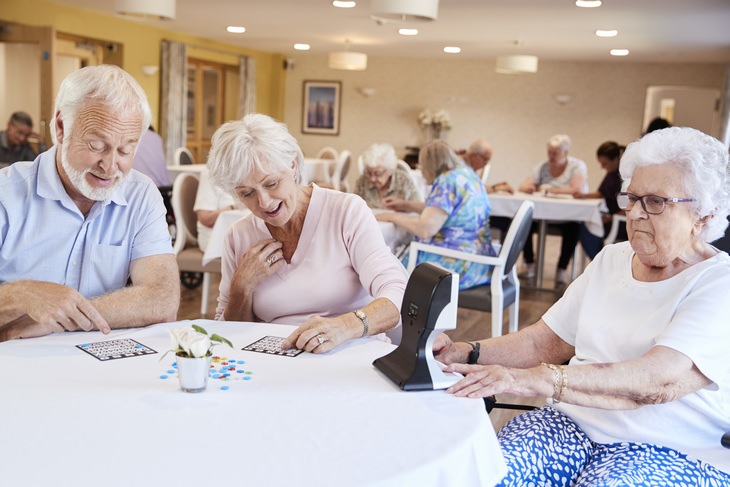
When interviewed, the senior citizens who took part in the research spoke of maintaining friendships that go as far back as high school or joining clubs and groups that help them stay active and socialize. For example, a woman of 103 years living in Illinois reported that she makes frequent calls and visits to her long-time friends, even those who now suffer from Alzheimer’s or those that are no longer able to leave their house. She is also a prominent figure in her retirement community – she’s on the team that welcomes new residents, and she makes an effort to make everyone feel at home and included. 
 
Another SuperAger in the study had helped in founding a men’s group, Men Enjoying Leisure, which has grown and expanded to have several branches around Chicago’s suburbs. Every month, the group meets for two hours to discuss personal issues, such as health, family matters and more. This platform is very important, especially for men who might be less inclined to talk about their feelings and bottle things up. Knowing you are not alone in the problems you face is a big benefit one gets from social relationships. 
 
The Link Between Social Relationships and Cognition
One scientific explanation as to why positive relationships make humans function better, is that they help calm our stress response system. Chronically high levels of the stress hormone cortisol can have a devastating effect on physical and emotional health – weight gain, slow healing injuries and more. 
 
A different study of elderly residents in Hong Kong showed that those who cultivate supportive relationships had a significant drop in cortisol levels during the day. The human brain is more adaptive than some might think. The older we get, what’s lost in quick-recall and short term memory is balanced by the ability to reflect and hold multiple perspectives, according to experts. This means that neurological changes in an aging brain may contribute to emotional regulation and an increased ability to relate compassionately to others. 
 
Humans are a social animal. Friendships are important at any age for our mental well-being, but it seems we also physically need one another in order to age better.

This is only for your information, kindly take the advice of your doctor for medicines, exercises and so on.   

https://gscrochetdesigns.blogspot.com. one can see my crochet creations  
https://gseasyrecipes.blogspot.com. feel free to view for easy, simple and healthy recipes    
https://kneereplacement-stickclub.blogspot.com. for info on knee replacement


Labels: , , , ,

Friday, February 28, 2020

Study Finds Social Relationships Better Brain Aging


Who are the SuperAgers? They are men and women over 80 years of age, whose memories are as good – if not better – than people 20-30 years their juniors. In a recent study conducted by researchers from Northwestern University, a group of seniors was examined throughout 9 years. 

Every couple of years, they had to fill out surveys about their lives and undergo neuropsychological tests, brain scans, and a neurological examination, among other evaluations.

Good Friends Make a Difference in Brain Aging
When compared to their “normal” peers, SuperAgers were found to have some distinctive brain features: thicker cortices, larger anterior cingulate (a part of the brain important to attention and working memory), and resistance to age-related atrophy (degeneration of cells). But it was obvious to the researchers there are other factors involved as well.

In order to find attributes SuperAgers have in common and characterize them, 31 SuperAgers and 19 “normal” seniors were asked to fill out a questionnaire regarding their psychological well-being. It became clear that SuperAgers had another distinct common feature other than their brain structure: they all cultivated warm, satisfying and trusting relationships.

How Do They Maintain Relationships?

When interviewed, the senior citizens who took part in the research spoke of maintaining friendships that go as far back as high school or joining clubs and groups that help them stay active and socialize. For example, a woman of 103 years living in Illinois reported that she makes frequent calls and visits to her long-time friends, even those who now suffer from Alzheimer’s or those that are no longer able to leave their house. She is also a prominent figure in her retirement community – she’s on the team that welcomes new residents, and she makes an effort to make everyone feel at home and included.
Another SuperAger in the study had helped in founding a men’s group, Men Enjoying Leisure, which has grown and expanded to have several branches around Chicago’s suburbs. Every month, the group meets for two hours to discuss personal issues, such as health, family matters and more. This platform is very important, especially for men who might be less inclined to talk about their feelings and bottle things up. Knowing you are not alone in the problems you face is a big benefit one gets from social relationships.   

The Link Between Social Relationships and Cognition

One scientific explanation as to why positive relationships make humans function better, is that they help calm our stress response system. Chronically high levels of the stress hormone cortisol can have a devastating effect on physical and emotional health – weight gain, slow healing injuries and more.
A different study of elderly residents in Hong Kong showed that those who cultivate supportive relationships had a significant drop in cortisol levels during the day. The human brain is more adaptive than some might think. The older we get, what’s lost in quick-recall and short term memory is balanced by the ability to reflect and hold multiple perspectives, according to experts. This means that neurological changes in an aging brain may contribute to emotional regulation and an increased ability to relate compassionately to others. 

Humans are a social animal. Friendships are important at any age for our mental well-being, but it seems we also physically need one another in order to age better.

7 Easy Habits that Boost Our Health
The body is an incredibly complex machine, attune to every little thing we do, eat or experience. We may not be aware of it, but we impact our health in myriad ways every day. Here are 7 things we may do, without even noticing, that have surprising medical and mental benefits, making you want to repeat them a whole lot more. 

1. Singing
When we sing, our brain releases hormones and endorphins that contribute to lowering our mental stress and anxiety, as well as reducing physiological pain. Studies on the subject found that singing contributes to lowering our blood pressure, increasing our cognitive abilities, strengthening the immune system and improving our memory. Various studies even found that singing helps the medical situation of Parkinson patients, improving their balance, their vocal abilities and their ability to swallow.

2. Crying
Crying is seen as a weakness by most. Something negative that shouldn't happen. But crying also has its unique advantages. When we cry, our body dumps the cortisol hormone, which causes an increase in our mental stress. By crying, we may be preventing issues such as insomnia, anxiety and weight gain. Crying even helps strengthen our immune system. The tears we shed also have a purpose and kill over 90% of the bacteria in the eyes and other toxins found on the face. They also prevent our eyes from drying out.

3. Kissing
Kissing is a natural remedy for headaches or menstrual pain, thanks to the dilating of blood vessels that occur during a kiss, which helps lower our blood pressure. A study on the subject has shown that a large amount of saliva secreted during a kiss helps the body fight gingivitis. When kissing we also operate rarely-used muscles in our neck and face that help tone them and slow down the aging process in these areas. So pucker up!

4. Creative writing
Believe it or not, creative writing is really good for you. It enhances your cognitive abilities, your memory, and your mental strength. A new study on the topic unveiled that creative writing, especially the kind that described our deepest thoughts and emotions, gives us a relief from physical pain. Researchers explained that the writing caused a reduction in hormone secretion, especially for hormones like cortisol that elevate our blood pressure and weaken our immune system.

 5. Courtesy
Good manners aren't just good manners, they're healthy manners! When we are kind to those around us we release a hormone in our body called oxytocin, which makes chemicals that expand the blood vessels, thus reducing blood pressure and improving the overall health of the heart and the blood vessels. The hormone also fights free radicals in our blood system and so slows down the aging process of our internal organs.

6. Laughter
We all know that laughter is the best medicine, and it's astounding how many studies back that up. Laughter lowers our blood pressure, reduces our risk of stroke, reduces our mental stress and takes care of our heart. Laughter is also a great workout for our stomach muscles and even strengthens the white blood cells that play such an important role in our immune system.

7. Spending time with friends and family
It may sound sappy, but loneliness has been found to be no less detrimental to health than regularly smoking. Many studies have pointed to a strong relationship between good relations with friends and family and sleeping well better concentration and mental abilities and a stronger immune system. According to one of the studies on the subject, strong ties to family and friends can raise your chance of longevity by as much as 50%.

This is only for your information, kindly take the advice of your doctor for medicines, exercises and so on.     

https://gscrochetdesigns.blogspot.com. one can see my crochet creations  
https://gseasyrecipes.blogspot.com. feel free to view for easy, simple and healthy recipes    
https://kneereplacement-stickclub.blogspot.com. for info on knee replacement


Labels: , , , , , , , , , , , , , ,