Curb A Salt Craving With These 12 Healthy Snacks!
There are many health problems caused by
excess sodium in the blood, such as high blood pressure, jaundice
disease and other illnesses with far-reaching effects on the body.
People who suffer from high levels of sodium should reduce the intake of
foods containing large amounts of salt, which often causes them to have
to fight off "salty cravings”. Fortunately, these cravings can be beat
with the following 12 healthy snacks and foods that will help calm the
desire for something salty without being harmful to our bodies.
1. Peanut butter with apple
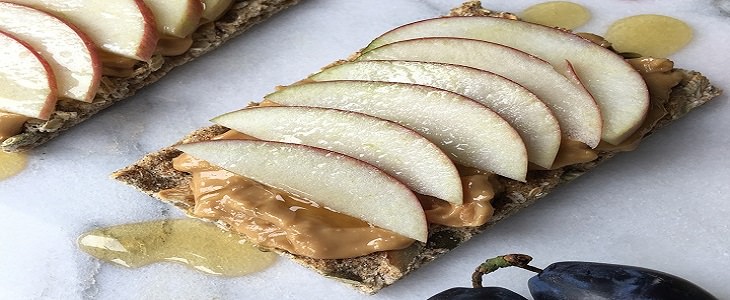
There are wonderful peanut butters on the
market made from unsalted nuts, and when you combine them with apple you
get a very tasty and crunchy snack that helps curb the craving for
salty foods. Peanut butter has only 3 mg of sodium and a medium apple
contains 2 mg of the mineral making it a healthy snack with only 5 mg of
sodium. The apple contains dietary fiber that helps digestion and water
that helps quench thirst, and peanut butter contains proteins that
contribute to a sense of satiety, so that both together bring a sense of
fullness in addition to a decrease in desire for salt.
2. Natural nuts
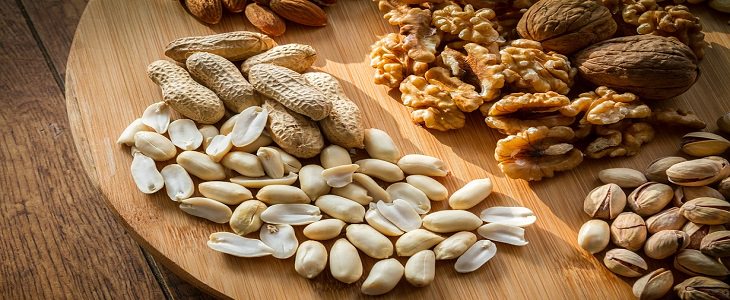
Nuts have a natural salinity that helps
curb the craving for over-salted foods, so the next time you want a
salty snack, try going for all natural nuts without the artificial
addition of sodium. In a cup of natural roasted almonds, there is only 1
mg of sodium and aside from their favorite flavor, these nuts and other
types contain healthy fats that help strengthen the heart and
contribute to the overall health of the body.
3. Edamame
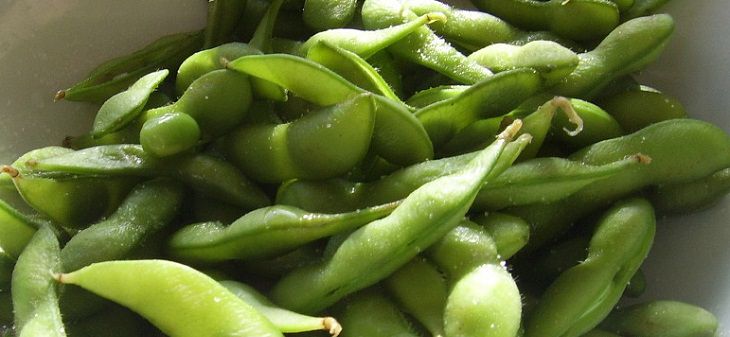
Edamame, or Soybeans, have become a
favorite snack, especially in recent years after we discovered their
unique flavor and the fact that they are especially healthy for the
body. One cup of Edamame contains only 9 mg of sodium and if you want to
add some salt to these beans, opt for Celtic or Himalayan salt, which
surprisingly helps reduce the levels of sodium in the blood, so you will
get a delicious snack containing essential proteins for the body, iron
which is essential in creating red blood cells and for oxygen transfer
in the body, as well as vitamin C which strengthens the immune system
and helps fight various infections.
4. Popcorn
In addition to the fact that corn grains
are used as raw materials in the preparation of many healthy foods, they
can also be used as a snack to curb your salt cravings. Home-popped
popcorn is a particularly tasty snack that contributes to a sense of
satiety and helps overcome the craving for more salty snacks, such as
chips. In addition, it is an excellent diet snack with a cup of
popped-popcorn containing only 31 calories and 1 mg of sodium. Popcorn
is also an excellent source of protein which is needed to build and
maintain muscle mass and maintain a healthy immune system. You can add
nutritional yeast, which can be bought in health food stores, to your
popcorn giving it a salty taste with a small amount of sodium, or
alternatively coating your popcorn in dried herbs will give it a special
taste.
5. Fresh fruits
There are few things that can compete with
the rich taste of fresh fruit, such as banana or strawberries containing
only 1 mg of sodium. Eating these fruits and many others will
contribute to the feeling of satiety and also curb the desire for salty
foods that can harm you. Furthermore, they help to fight high blood
pressure, which is a symptom of those whose diets are rich in sodium.
6. Fruit and Veggie Shakes
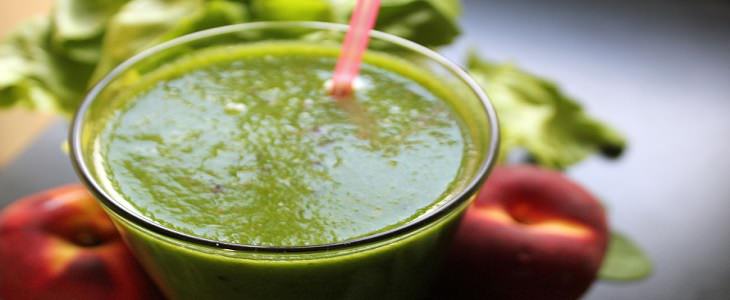
Fruit alone is wonderful for curbing
cravings for salty foods, but when you add vegetables, you have a double
weapon in your hands. Drinking fruit and vegetable shakes is a great
way to fill the stomach, to feel full, to curb the urge for salts
because of their natural salt content, and to fill the body with the
vitamins and minerals it needs. To prepare the perfect shake, mix
vegetables with green leaves, natural peanut butter, strawberries,
bananas and avocados and get a super healthy drink with less than 20 mg
of sodium per glass.
7. Hummus Spread
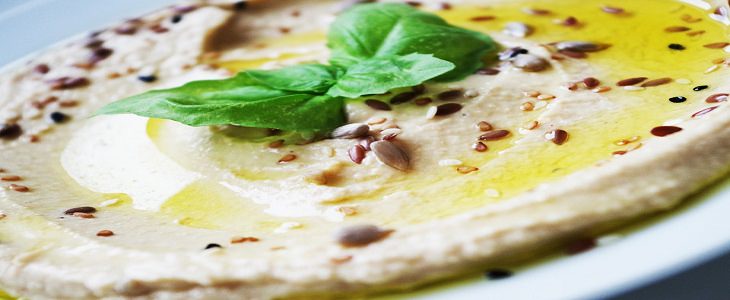
The chickpeas used to make hummus are
filled with essential proteins for the body, and thanks to their
delicate natural salinity they help create a food that fights salt
cravings. Make a hummus spread sandwich or eat it as a dip and enjoy a
tasty snack that isn’t costing you health wise. If you buy readymade
hummus, check the labels to make sure the sodium levels aren’t too high.
8. Roasted chickpeas
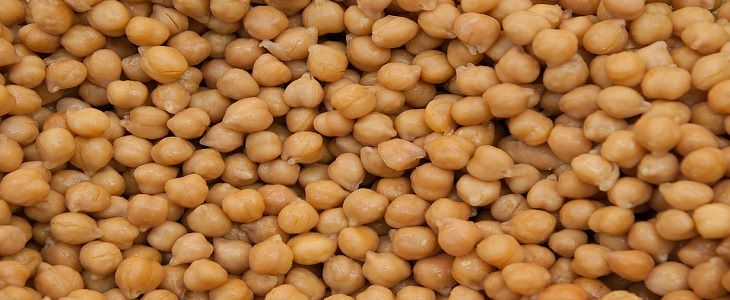
Apart from eating them as a spread,
chickpeas can serve as a delicious snack in their own right. Instead of
buying roasted and seasoned chickpeas filled with salt, prepare them
easily at home as follows: roast canned chickpeas with no added salt in
the oven, and add avocado or coconut oil with spices such as paprika,
curry, and cumin that add a particularly rich flavor. Half a cup of
chickpeas contains only 24 mg of sodium and will provide you with
dietary fiber that helps digestion. Additionally, you’ll get a dose of
antioxidants that repair cellular damage and maintain a strong immune
system.
9. Sunflower seeds
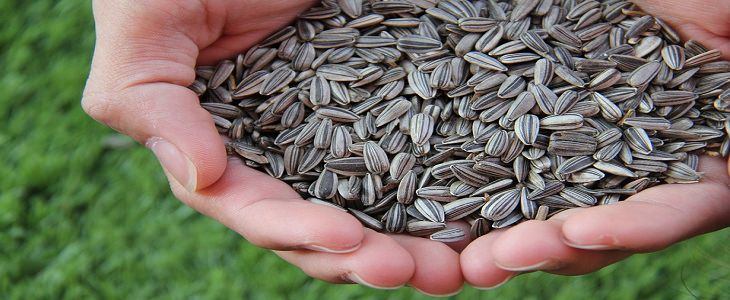
Sunflower seeds definitely don’t need to be
advertised! In order for you to enjoy particularly healthy sunflower
seeds, buy those that are peeled and not roasted with salt, add them to
salads or roast them in the oven with spices, like chickpeas. These
seeds are rich in amino acids that build up cells in the body and also
contain a high vitamin E content that helps maintain liver health. A
handful of sunflower seeds will calm your craving for salty foods, but
it is recommended that you don’t overdo them because they contain fat
which should also only be consumed in moderation.
10. Kale Chips
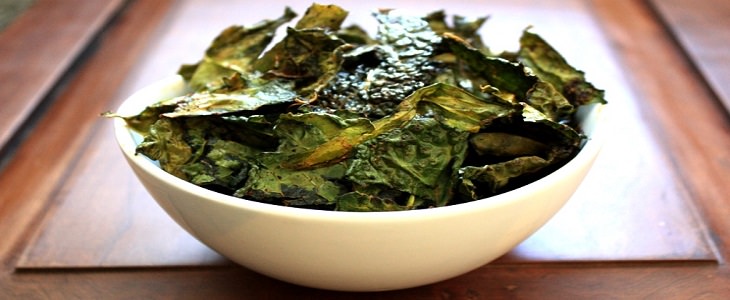
Kale has captured the vegetable market in
recent years, and many people have put it into their daily diet because
of its many benefits. Kale contains large amounts of vitamin K that
improves the absorption of calcium in the bones and strengthens them,
preventing diseases such as osteoporosis and physical injuries. A cup of
Kale contains 25 mg of sodium, and in order to enjoy the vegetable in a
unique way, you can turn them into chips like so: line a baking sheet,
place kale leaves on top in one layer, drizzle with oil and season with
the spices you like. Bake at 250 degrees for 10-12 minutes, take out,
let them cool and start snacking. Dying the leaves out in the oven helps
to emphasize their naturally salty taste and with the addition of
spices, you get a crispy and delicious snack that’s perfect for curbing
cravings.
11. Celery sticks and carrots with a Greek yogurt dip
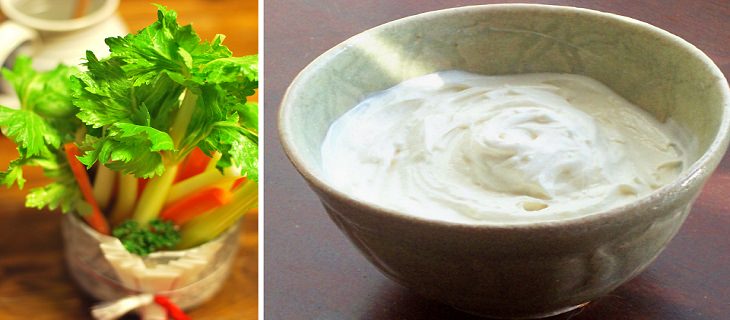
When you are in the midst of a sodium-free
diet, eating vegetables alone can be a little boring and make us reach
for saltier snacks. To deal with the cravings successfully, try a
natural Greek yogurt with a little paprika and crushed garlic as a dip
for carrots and celery sticks, or any vegetable you’d like. You‘ll get a
tingling of saltiness that will reduce your desire for salt
considerably and will also allow you to benefit from all the ingredients
in the snack you made. Carrots are filled with beta-carotene which
contributes to your vision and celery quenches thirst and will provide
you with dietary fiber for normal bowel movements. The protein-rich
yogurt will contribute to your overall health and the garlic that acts
as a natural antibiotic will greatly complement this small health punch.
12. Artichoke hearts with lemon juice
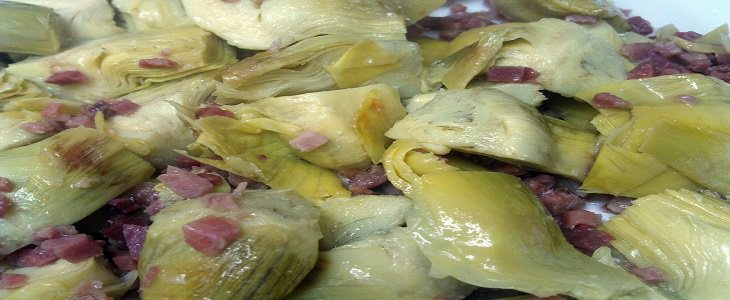
Artichoke is a popular ingredient in many
dishes, but it can also be eaten without prior preparation by just
adding lemon juice. You can purchase canned artichoke hearts with no
added salt in the various supermarkets. Cut them and add a little lemon
juice to upgrade this unusual snack. Artichoke helps lower blood
pressure, what is important for people who consume too much sodium,
helps with constipation and also balances the body's sugar levels. In
addition to these benefits, you will also get a delicious snack which is
naturally salty.