Saturday, January 30, 2021

6 Incredible Teas That Lower Inflammation in the Body

Like food, certain drinks can be considered harmful, whereas others are essential and extremely beneficial for our health. Water is good for us, and sugary drinks are bad, we all know that but what if you’re looking for something more than just hydration? What if you’re looking for a drink that could decrease inflammation in the body and relieve you of the nagging pain and swelling that goes with it? Well, in that case, tea is your best friend, as drinking green tea and various herbal teas regularly can soothe your organs and joints and provide various nutrients capable of reducing inflammation throughout the body. These 6 teas are not only tasty but also particularly suitable for calming the inflammatory processes in the body, be it chronic inflammation or an ordinary cold.

1. Rosehip Tea (Rosa canina)
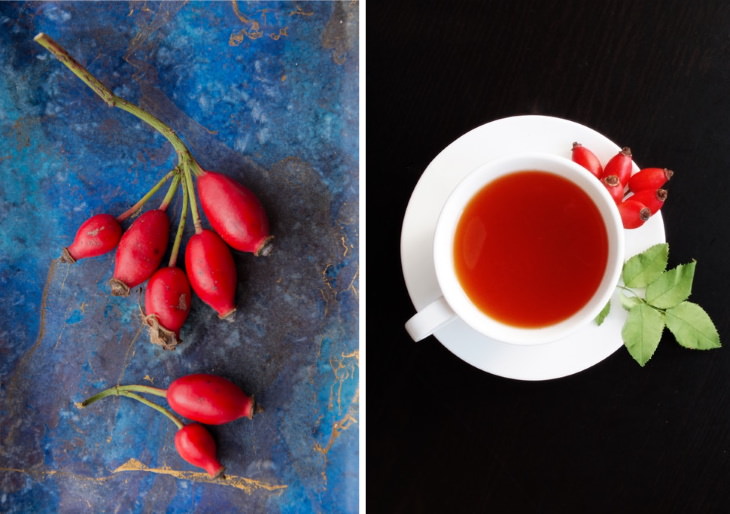
teas to lower inflammation Rosehip Tea (Rosa canina)
Rosehip tea is prepared from rose hips, small, bright red accessory fruits that grow on a particular type of rose, the dog rose. Rosa canina, the scientific name of the plant, is a widespread species of wild roses common all around Europe, northwest Africa, and western Asia, and its fruits were traditionally used to treat different ailments for millennia. 
 
Rich in vitamin C, E and β-Carotene, these fruits were an important source of vitamins for the previous generations, especially during the winter, as dried rose hips can be stored for months without going bad. Only recently, however, we have discovered that rosehip is extremely rich in phenols, potent antioxidants that protect the cells from free radical damage. 
 
Apart from that, the fruits contain several triterpene acids, which are known to prevent inflammation. Clinical trials have reported that rosehip powder can reduce pain in rheumatoid arthritis, one of the most common chronic inflammations. 
 
How to Prepare Rose Hip Tea 
Rosehip tea has a red hue and a fruity taste and can be enjoyed both warm and cool. Rosehip is usually sold dried, and both seedless and whole rose hips are available for purchase. 
 
If you’re using seedless ones, simply toss around 7 pieces into a cup and steep them for up to 10 minutes, further draining the solids. If you have whole rose hips, you can boil the same amount on low heat for 10-15 minutes and drain them before transferring into a cup.
 
2. Turmeric Tea (Curcuma longa)
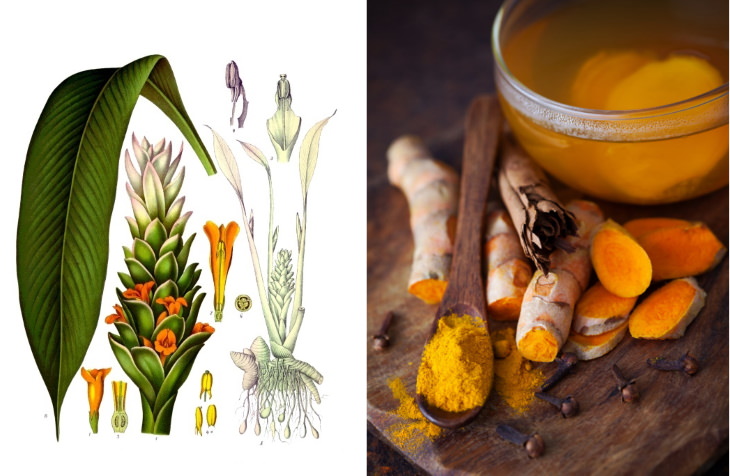
teas to lower inflammation Turmeric Tea (Curcuma longa)
Turmeric tea is prepared from the roots of the turmeric plant. The roots are sold fresh, dried and, most often, in the form of a powder. Turmeric is common throughout Asia, and the bright golden roots of this plant were used in Ayurveda and traditional Chinese medicine for millennia. Powdered turmeric is also used as a natural dye. 
 
Turmeric owes its anti-inflammatory effects to the active ingredient called curcumin which also gives the root its bright yellow color. Several studies using a turmeric supplement confirmed that it’s effective at relieving the pain and reducing inflammation caused by chronic inflammatory conditions, such as arthritis, inflammatory bowel disease (IBD), and heart disease. 
 
Turmeric was also shown to help joint and muscle pain and increasing mobility both in osteoarthritis and post-exercise. 
 
How to Prepare Turmeric Tea 
Both turmeric spice and the fresh root can be used to prepare a delicious cup of turmeric tea. If you’re using fresh turmeric, you’ll need around 1 teaspoon of it to yield 1 large mug of tea, but if you’re using powdered turmeric, only half the amount or ½ teaspoon of the powder will suffice. 
 
The preparation is simple as can be: simply simmer the water and turmeric mixture for around 10 minutes, and then drain into a cup. A little lemon and ginger complement the taste of this tea wonderfully. 
 
3. Green tea (Camellia sinensis)
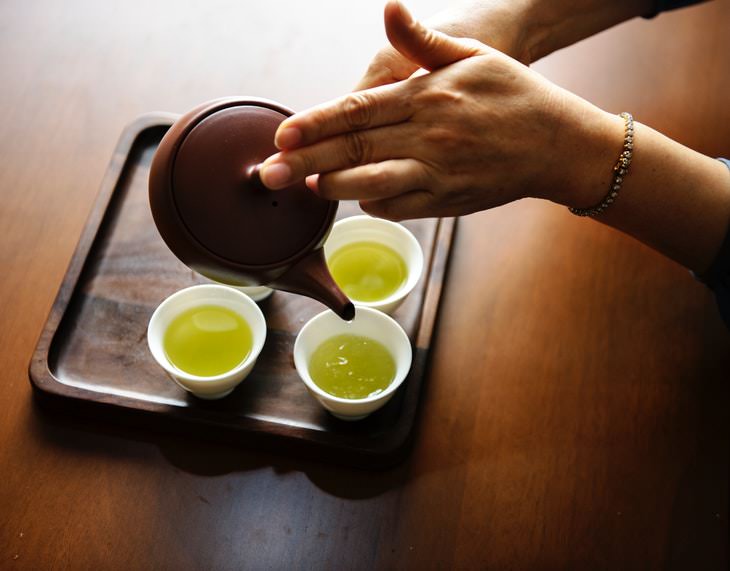
teas to lower inflammation Green tea (Camellia sinensis)
All tea varieties are made of the leaves of the Camellia sinensis plant, but different growing and processing techniques yield different kinds of tea. Green teas are generally fermented and processed much less and more gently than red or black tea varieties, and so it contains a lot more antioxidants and other beneficial phytochemicals. 
 
 Green tea originated over 1.000 years ago in China, but ever since, it spread to other Asian countries and is popular worldwide today. The antioxidants we mentioned earlier are all polyphenols, and one of them, EGCG, is considered to be most effective at dealing with inflammation. 
 
Japanese matcha tea is reported to have the highest amounts of EGCG, but most green teas will contain the beneficial ingredient as well. Research reports that EGCG can relieve IBD symptoms and can dampen the development of chronic degenerative diseases (Alzheimer’s, heart disease and some cancers). 
 
Do keep in mind, however, that much like coffee, green tea contains caffeine, and so it can be harmful to certain patients, so talk to your doctor to check for any possible medication interactions. 
 
Green tea comes in countless varieties, each having its own optimal brewing time and temperature, so follow the instructions on the packaging of the tea of your choice. We recommend opting for loose leaf teas, as those are generally made of younger tea leaves that have more antioxidants.

4. Fennel Tea (Foeniculum vulgare)  teas to lower inflammation Fennel Tea (Foeniculum vulgare)
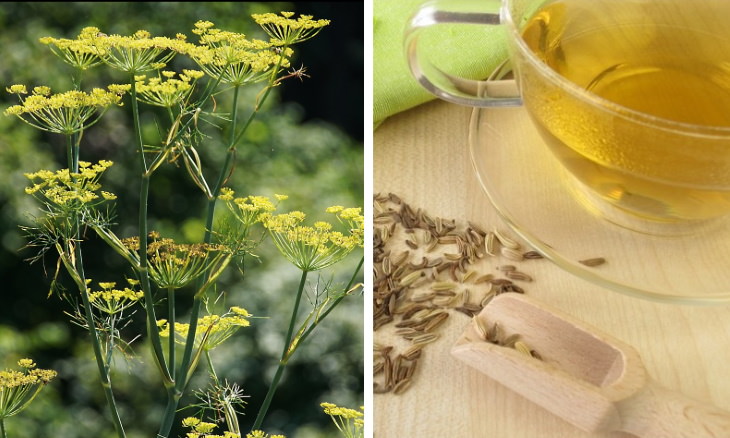
If you’re surprised to find out that fennel can be brewed into a tea, you’re likely familiar with the sweet and pungent vegetable that has its own health benefits, but not its seeds. Yes, both the seeds and the bulb of this Mediterranean plant are used for both culinary and medicinal purposes. 
 
Fennel seeds, in particular, are rich in phenols, just like rosehip, and are often used to soothe digestive issues, particularly bloating, but it is also a potent pain reliever for menstrual cramps. 
 
How to Prepare Fennel Tea 
Fennel tea has a light yellow color and a sweet taste comparable to licorice. To prepare the tea, use 1-2 teaspoons of crushed fennel seeds and steep them for 10-15 minutes in a cup of hot water. Learn more about fennel seeds and their health benefits by clicking here. 
 
5. Ginger Tea (Zingiber officinale)
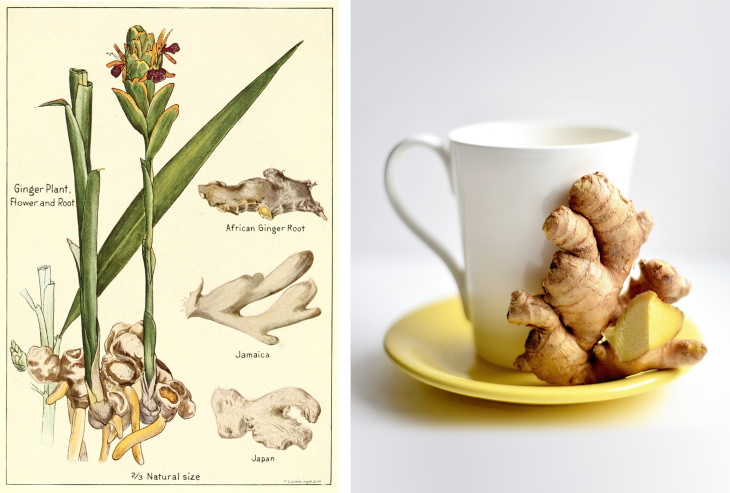
teas to lower inflammation Ginger Tea (Zingiber officinale)
Ginger root needs no introduction, it’s one of the most popular tea ingredients and an extremely widespread spice. Ginger originated somewhere in Southeast Asia a long time ago, but today, its medicinal and culinary uses span worldwide and go far beyond traditional medicine and cuisine. 
 
As of today, scientists discovered over 50 antioxidants in ginger, and these powerful phytochemicals can reduce the inflammation in your entire body. Studies involving diabetics, as well as patients suffering from osteoarthritis have observed a global reduction in many inflammation markers following a course of ginger supplements. 
 
Do keep in mind, however, that ginger is not for everyone, which we discuss in greater depth here. 
 
How to Prepare Ginger Tea 
Although my favorite way to include ginger in my tea is to combine it with green tea or other herbal tea, you can prepare ginger tea alone as well. 
 
If you’re using dried ginger, only ¼ - ½ teaspoon will suffice to prepare a cup of ginger tea. Steep the hot water and ginger mixture for 5 minutes. 
 
If you’re working with fresh ginger, around 1 tablespoon of the finely-sliced root will be enough to make 1 cup of ginger tea, but keep in mind that fresh ginger takes longer to brew around 10 minutes. 
 
6. Tulsi (Ocimum tenuiflorum)
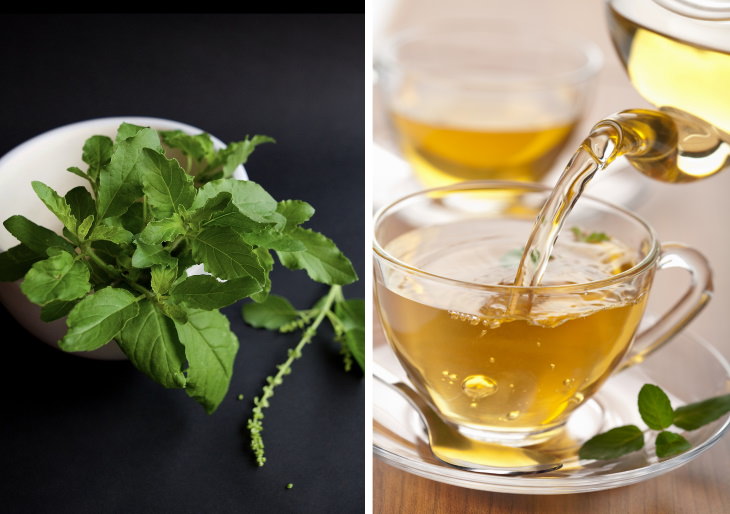
teas to lower inflammation Tulsi (Ocimum tenuiflorum)
Also known as holy basil, this leafy plant native to the Indian subcontinent is a recurring ingredient in traditional medicine, especially in Ayurveda, where it’s known as a powerful adaptogen capable of helping the body to cope with emotional and environmental stress. 
 
Modern research builds upon the traditional uses of the plant, with studies finding that tulsi has anti-inflammatory properties throughout the body, reducing blood sugar, blood pressure and LDL (bad) cholesterol levels. Other research found that the plant may also reduce swelling, decrease pain and inflammation by inhibiting enzymes that trigger the inflammatory response. 
 
Finally, holy basil use was linked to a reduction of uric acid levels, alleviating pain in such conditions as gout and rheumatoid arthritis. 
 
How to Prepare Tulsi Tea  
Just 1 teaspoon of dried or fresh tulsi leaves will be enough to prepare a cup of tea. Simply immerse the herb into a cup of hot water and let it brew for 5 minutes. 
 

This is only for your information, kindly take the advice of your doctor for medicines, exercises and so on.     

https://gscrochetdesigns.blogspot.com. one can see my crochet creations  
https://gseasyrecipes.blogspot.com. feel free to view for easy, simple and healthy recipes    
https://kneereplacement-stickclub.blogspot.com. for info on knee replacement


Labels: , , , , , , , ,

Monday, August 26, 2019

The Numerous Health and Beauty Benefits of Rosehips

Rosehips have been known for their outstanding resilience for millennia, as these fruits are among the few that can resist the winter colds and typically only ripen once the first frost hits. But what is the secret of this resilience and could we borrow it from them? It turns out we can, and the traditional use of rosehips in medicine is now being further and further confirmed by the scientific method, discovering the many health benefits this humble red fruit hides beneath its shell.
rosehip frozen closeup photo
Don’t be mistaken, however, as rosehips are not real fruits, they are what biologists call a pseudofruit or an accessory fruit, as the fragile seeds are being protected from harsh climatic conditions by a sturdy, vitamin-rich shell that forms from the floral cup that once hosted the delicate Dog Rose flower (see photo below).
rosehip flower dog rose
It is exactly this shell that can be used to prepare a sweet cup of rosehip tea that boasts of having both anti-inflammatory, anti-aging, pain-relieving, and weight loss benefits. The seeds of the plant are covered in sharp needle-like fibers, so they cannot be used to prepare tea, but they are used to prepare rosehip seed oil that is particularly beneficial for the skin. Below, we go through the health benefits of both rosehip tea and rosehip seed oil separately, as well as explain how to prepare and use them.

The Health Benefits of Rosehip Tea

rosehip tea
Rosehip tea is by far the most simple and delicious way to reap the health benefits of rose hips, as all you need is some dried rosehips and boiling water. You can either use them whole, use a dried and cleaned variety or cut them in half and remove the seeds and prickly fibers out of the shell and discard them before preparing the tea.
Here is how to make the tea: simply place 1.5 - 2.5 teaspoons of rose hips (around 7 pieces) into a cup and steep them in boiling water for 10 minutes. This nutritious tea is packed with vitamin C, E and β-Carotene, as well as polyphenol antioxidants, galactolipids and triterpene acids that account for its beneficial health effects. Rosehip tea has been found to have the following health benefits:

1. Reduces Pain and Inflammation

One of the most well-founded health benefits of rosehip is its anti-inflammatory and pain-reducing effect, with some doctors even claiming that rosehip supplements are comparable to NSAIDs. The majority of studies have been on patients experiencing chronic back pain, neck and shoulder pain, as well as osteoarthritis.
 A new articleshowed a significant reduction in pain compared to a placebo after 3 months of treatment. So, if you suffer from chronic pain, especially joint pain, drinking rosehip tea regularly or taking a rosehip supplement may reduce its intensity.
Apart from that, the tea and supplements may also have an anti-inflammatory effect for the joints, as the berries contain a type of plant-based fats called galactolipids.

2. Helps Weight Loss

If you have a high-fat diet, especially one that is rich in saturated animal fats, such as butter, bacon and other fatty meat and dairy produce and you’d like to shed a few inches off your waistline, drinking rosehip tea or taking a supplement may help you reach your weight loss goal a little bit faster. Both animal and human studies have shown that rose hips have a fat-burning effect, likely thanks to an antioxidant compound called tiliroside naturally existing in rose hips.

3. Boosts Immunity

Antioxidants are particularly important for our immune system, as they prevent the cells throughout our body from being damaged by free radicals and therefore strengthen our immune system. And the list of antioxidants in rose hips is just impeccable, as these small berries are packed with polyphenols, vitamin A and E.
But probably the main star of the show is vitamin C of which rosehips have plenty. In fact, according to some estimations, rose hips contain the most vitamin C per milligram than any other fruit or vegetable, with fresh rose hips containing as much as 1157.88 mg per 100 g. For comparison, an average lemon contains only 53 mg of vitamin C per 100 g, almost 22 times less than rosehip.
Unfortunately, vitamin C isn’t particularly stable and degrades during drying, but even so, a cup of rosehip tea remains rich in the vitamin. And while we know by now that vitamin C cannot prevent colds, it can prevent possible complications nad has many more health-strengthening benefits.

4. May Help Prevent Acquired Diabetes

rosehip diabetes
Type 2 diabetes is on the rise, and as any degenerative condition, it can be alleviated by antioxidant-rich foods and drinks, at least conceptually. Although scientists don’t know the exact mechanism of how rose hips can help prevent diabetes, there is some evidence showing it can.
Unfortunately, there hasn’t been a lot of scientific studies conducted on human diabetes patients, but supplementing with rosehip has been shown to lower blood glucose levels, fasting insulin levels and liver lipid generation in mice. These diagnostic criteria for diabetes are the same in mice and humans, and so rosehip tea may be an extra preventative measure that can help reduce one’s chances of suffering from this dangerous condition.

5. Promotes Heart and Cardiovascular Health

rosehip heart health

Poor blood circulation is another one of those seemingly-inevitable conditions that we are more and more likely to suffer from as we age, be it caused by heart problems or atherosclerosis. Luckily, we have rosehip that could potentially help with both.
A diet rich in vitamin C, for example, has been associated with a lower blood level of triglycerides and the bad type of cholesterol (LDL), both of which contribute to atherosclerosis. Apart from that, rosehips are rich in flavonoid antioxidants, which were reported to reduce blood pressure and improve blood flow.

Health Benefits of Rosehip Oil

rosehip oil
As mentioned previously, rosehip seed oil is derived from the seeds and not the entire rosehip. Like the pulp, these seeds are particularly rich in vitamin C and A, but also have beneficial plant-derived fatty acids that are particularly beneficial to the skin.
How to use: Rosehip oil is a carrier oil and not an essential oil, so it doesn’t have to be diluted and can be applied topically on the skin. It is also a so-called dry oil, meaning that it absorbs quickly into the skin without leaving an oily film on your skin. It’s best to purchase rosehip oil sold in a dark glass bottle, as exposure to the light may degrade the vitamins the oil contains. Rosehip oil is capable of boosting one’s skin health and youthful appearance.
rosehip anti aging skin
Rosehip oil is very rich in vitamins C and A, the two staples of anti-aging creams and serums. Vitamin C works wonders for the skin, being capable of brightening hyperpigmentation and preventing sun damage. There is even some evidence that vitamin C can speed up wound healing and help treat atopic dermatitis.
Vitamin A, in turn, has been associated with wrinkle smoothing, reversing sun damage and treating acne. To use rosehip oil on your skin, simply apply a few drops as the last step in your skincare routine or instead of a moisturizer. 

Precautions and Interactions with Drugs

rosehip frozen rosehips
Rosehip rarely causes any allergic reactions and can usually be safely taken as a supplement in either form. However, it can increase the likelihood of developing kidney stones in some individuals, as well as lower the effectiveness of some drugs, so we highly recommend talking to your health provider if you’re considering adding rosehip to your diet or supplement regimen. Finally, pregnant and breastfeeding women should consult their doctor before drinking rosehip tea.
 
THIS IS ONLY FOR INFORMATION, ALWAYS CONSULT YOU PHYSICIAN BEFORE HAVING ANY PARTICULAR FOOD/ MEDICATION/EXERCISE/OTHER REMEDIES.                                    PS- THOSE INTERESTED IN RECIPES ARE FREE TO  VIEW MY BLOG-                                                                                           https://gseasyrecipes.blogspot.com/                                                                                                                                                FOR INFO ABOUT KNEE REPLACEMENT, YOU CAN VIEW MY BLOG-                                                                       https:// kneereplacement-stickclub.blogspot.com/                                                                                                                     FOR CROCHET DESIGNS                                                                                                   
                                https://gscrochetdesigns.blogspot.com
 

Labels: , , , , , , , , , , , , ,