Saturday, October 17, 2026

4 Unexpected Habits That Affect Your Blood Pressure

The American Heart Association recently published a an article listing some surprising lifestyle choices that can raise one’s blood pressure (BP). Selected foods, the supplements you take and how calm you are around your doctor can all potentially affect your blood pressure, and this isn’t even a full list. For more information on the topic, continue reading.

Why is an accurate  Blood Pressure Reading so important?

Hypertension is a known as “the silent killer” among medical professionals. It got the infamous nickname because high blood pressure is a primary or contributing cause of numerous serious medical emergencies, as well as over 7.5 million deaths worldwide every year (this is about 12.8% of the total of all disease-related deaths).

As a contributing factor, hypertension significantly increases the risk of stroke, chronic heart failure and heart attack. The risk of all of these serious heart conditions can be significantly lowered with early and continuous BP management.

Over the past few years, the guidelines for hypertension have been modified, and any BP reading over 130/80 is considered to be hypertension.

If your systolic blood pressure (the higher number) is between 130-139 and the diastolic one (the lower number) is from 80 to 89, then you have Stage 1 hypertension.

Stage 2 hypertension is diagnosed when the systolic measurement is above 140, and the diastolic one is over 90.

Any measurement over 180/120 is considered a medical emergency if it is accompanied by dizziness, shortness of breath and chest pain. In these cases it is mandatory to go to the nearest emergency room and seek medical attention, as the risk of stroke and heart attack is extremely high.

Foods and Supplements
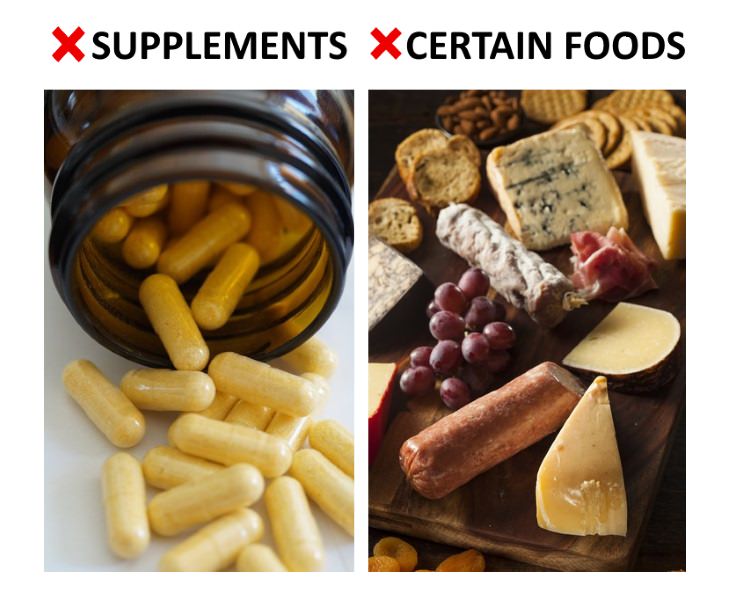
 Habits Leading to Hypertension Foods and SupplementsWhat we ingest into our bodies influences our health, and some foods, herbs and supplements have been known for increasing blood pressure. Here are the most common ones.

Ingredients found in herb and nutritional supplements, including, but not limited to licorice and valerian root, can raise one’s blood pressure. Bring a bottle of your supplement of choice to your doctor and let him scan the ingredients list for substances that can potentially raise blood pressure.

Some foods can interact with specific medications and hike up your blood pressure, too. A group of antidepressants called monoamine-oxidase inhibitors in combination with tyramine-rich foods, for example, have that specific effect. These foods include aged cheeses, smoked and cured meats and fermented foods (such as soy sauce, kimchi, olives, etc.).

DRINKS

The major culprits are coffee and alcohol, but other drinks containing high levels of caffeine, such as green tea extract and matcha can also be dangerous, as all of the above-mentioned drinks give you an adrenaline boost.

Adrenaline, in turn, raises the systolic blood pressure and heart rate, but decreases the diastolic blood pressure. That's why some people can feel their heart pounding after drinking a lot of caffeinated drinks. Needless to say, this can be dangerous to people whose blood pressure is already too high and especially those at risk of a heart attack.

That being said, in most cases, the effect is very dose dependent, and most people won't even notice an adverse effect after drinking a cup of coffee or a drink. For most people with hypertension, it is still acceptable to drink coffee and even some alcohol. Doctors suggest to limit your intake of coffee and alcohol in the following manner:

Limit caffeine to less than 300 milligrams (mg) a day (2-3 cups of coffee), in a day.

Drink no more than 1 drink if you’re a woman, and no more than 2 if you’re a man.

UNRELIABLE BLOOD PRESSURE READINGS

Some people may end up with unnecessary or inadequate doses of blood pressure medications because of a phenomenon called “white coat hypertension”.

These are the patients who get nervous when they’re at the doctor’s office, which, once again, makes their bodies secret adrenaline and raises their blood pressure. This results in an inaccurate reading and possible a misdiagnosis.

To avoid this, doctors often suggest measuring your blood pressure at home, possibly even several times, in different positions and at different times of the day. Record the measurements and bring them to your doctor.

How to measure blood pressure at home:
 

1. Make sure you’re using a reliable device. 

2. Prepare for a measurement by emptying your bladder and not smoking or drinking coffee 30 minutes before the reading. 

3. For the most accurate reading, take your blood pressure twice: once after sitting down a few minutes before the reading, and another time after standing up for a few minutes. BP measurements while standing are especially beneficial for those who experience dizziness, as a standing position can raise the blood pressure in some cases.

 OVER-THE-COUNTER (OTC) MEDICATIONS AND BIRTH CONTROL

Few people know that certain OTC medications can spike up your blood pressure
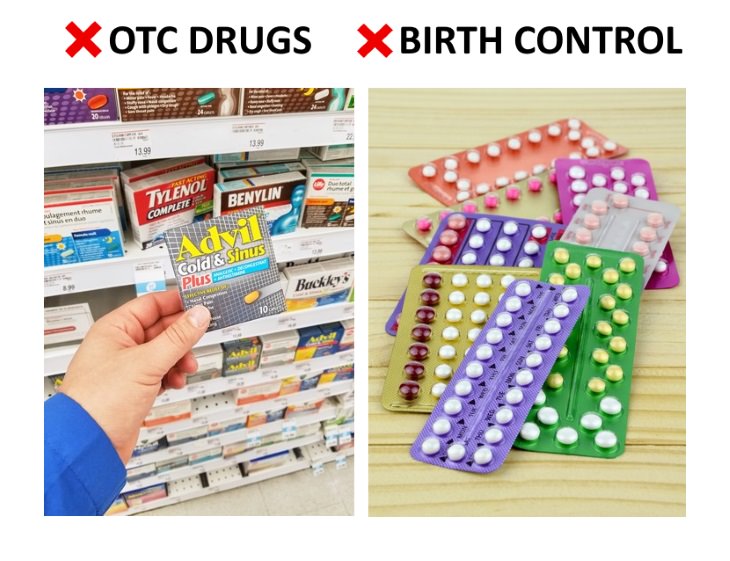

Habits Leading to Hypertension Over-the-counter (OCT) Medications and Birth ControlSome of these include anti-inflammatory medications, such as naproxen (Aleve) and ibuprofen (Advil). Several decongestant medications used for a stuffy nose can also raise blood pressure. A safer option for pain relief would be drugs containing acetaminophen (Tylenol), which don’t usually affect blood pressure.

Prescription medications are also known to increase blood pressure. Such drugs include: 

 birth control pills 

immunosuppressants 

steroids 

drugs used to treat cancer and mental illness.

Never stop taking prescription medications without consulting a doctor because it can be life-threatening. Rather, share your concerns with your doctor and they will likely replace your prescription medications with a safer alternative.

In fact, this is exactly why we provide all of this information: for you to get the best treatment and to communicate with your healthcare provider in a comprehensive and intelligent manner.


This is only for your information, kindly take the advice of your doctor for food, medicines, exercises and so on.   


Labels: , , , , , , , ,

Monday, November 18, 2024

Which Drinks Increase or Decrease Your Risk of Stroke?

 What you eat and drink has a profound impact on your blood vessels and overall health. The worse the condition of your blood vessels, the higher the risk of stroke and heart disease. New studies are shedding light on the specific effects of various drinks on blood vessel health, highlighting how some beverages can support cardiovascular health, while others may increase stroke risk. Let’s explore what these studies reveal about which drinks you might want to consume more frequently—and which ones to avoid.

Do Fruit Juices and Soft Drinks Increase Stroke Risk? 
A study published in September 2024 analyzed data from nearly 27,000 participants across 27 countries, examining how soft drinks and fruit juices impact stroke risk. Researchers found that drinking just one soft drink per day—whether it contains sugar or an alternative sweetener—is associated with a 22% increase in overall stroke risk. The risk rises sharply with increased consumption, so those drinking two or more servings daily experience even higher levels of risk. Interestingly, this study found that drinking one processed fruit juice daily was linked to an even higher increased risk of 37%, with the risk tripling for those consuming two juices or soft drinks a day. Women appeared especially vulnerable to these effects, underscoring the need for extra caution in certain demographics. 
 
 The study also found that women are more vulnerable to this effect. Another point researchers highlighted is that although fruit juices sometimes contain nutrients like polyphenols that protect blood vessels, many also contain sweeteners and preservatives that negate these benefits. Additionally, drinking seven or more glasses of water per day was linked to a reduced stroke risk, making it clear that water is the recommended substitute for juices and soft drinks. 
 
The Link Between Coffee and Tea Consumption and Increased Stroke Risk 
The second study, published in June of the same year, showed that drinking more than four cups of coffee daily is associated with a 37% increase in stroke risk, though it’s important to note that drinking lower amounts was not associated with increased risk at all. In contrast, drinking more than four cups of tea was associated with an average 19% decrease in stroke risk, with this percentage varying depending on the type of tea. Leading the pack are black and green tea, linked to a 29% and 27% decrease in stroke risk, respectively.

It’s also worth noting that this advantage of drinking tea disappears when milk is added to the drink, but it's clear that tea is much more recommended for stroke prevention. Even if you don’t drink more than four cups of coffee a day, replacing just one cup of coffee with tea can significantly reduce your stroke risk.

The Impact of Artificial Sweeteners on Cardiovascular Health 
Artificial sweeteners, often found in diet beverages, have also come under scrutiny. A 2024 study from the Cleveland Clinic found that erythritol—a common artificial sweetener in many "sugar-free" drinks and foods—may increase the risk of heart attack and stroke by promoting blood clot formation. This finding indicates that artificial sweeteners might not be as safe as previously thought, and their potential role in increasing cardiovascular risks warrants caution. 
 
In Conclusion, Tea and Water are the Recommended Beverages 
These studies collectively highlight that what we drink profoundly influences our health, especially when it comes to stroke risk and cardiovascular wellness. Tea and water emerged as the most beneficial beverages, while sugary or artificially sweetened drinks posed the greatest risks. 
 
Some key takeaways include: 
 
Limit Sugary and Artificially Sweetened Beverages: Both sugar-sweetened and diet soft drinks, as well as processed fruit juices, are associated with a significant increase in stroke risk. 
 
Enjoy Coffee in Moderation: Drinking fewer than four cups of coffee daily appears safe, but exceeding this limit could increase stroke risk. 
 
Opt for Tea for Cardiovascular Health: Regular consumption of black or green tea (without milk) may help reduce stroke risk, making it a heart-healthy choice. 
 
Prioritize Water: With clear links to reduced stroke risk, water is a top choice for maintaining cardiovascular health. 
 
In short, tea and water are your best options for a healthier heart and a lower stroke risk. While you can still enjoy coffee in moderation, it’s wise to replace sugary juices and soft drinks with these recommended beverages. Making these simple adjustments to your drink choices could make a substantial difference in your overall health.


This is only for your information, kindly take the advice of your doctor for medicines, exercises and so on.   

https://gscrochetdesigns.blogspot.com. one can see my crochet creations  
https://gseasyrecipes.blogspot.com. feel free to view for easy, simple and healthy recipes    
https://kneereplacement-stickclub.blogspot.com. for info on knee replacement
https://cancersupportindia.blogspot.com  for infor on cancer and health related topics
https://GSiyers home remedies.blogspot.com   is the latest addition to my blogs. I'm going to add posts there, do give me your valuable feed back on my blogs. Thanks a lot, take care, be healthy and be happy.

Labels: , , , ,

Saturday, October 09, 2021

5 Bad Drinking Habits to Ditch In Your 50s and Onward

It’s no secret that our nutrition needs change over time. With age, the human body requires more nutrient-dense foods to maintain health, energy levels, and ward off diseases - a topic we cover at length in the article 8 Health-Promoting Foods to Eat After 50. A closely related topic that somehow still flies under the radar is our drinking habits (and we don’t just mean one’s alcohol intake).

Our drinking patterns ought to be reconsidered over time as well. More specifically, it’s crucial to let go of the unhealthy drinking habits we’ve developed over decades - here are 5 of the worst offenders. 
 
1. Stay away from sugary drinks
We can afford to indulge in a can of soda or several cups of fruit juice once in a while when we’re younger, as our bodies have the compensatory mechanisms that protect them from the harmful effects of sugary drinks. This changes with age, which is why people in their 50s and older should stay away from sugary drinks altogether.

Apart from an increased risk of cardiovascular issues and certain cancers, sweetened beverages can affect our cognitive health. A 2018 study found that consuming drinks with refined sugar can contribute to the decline in cognitive function. Therefore, sodas and even fruit juices are not a good fit for older people. 
 
This is not to say, of course, that you should stay away from all flavored drinks - mineral water, herbal teas, and water with slices of fruit and vegetables are all great alternatives to soda. Another drink to consider is milk. Dairy milk, especially reduced-fat varieties, can strengthen your bones because it’s rich in calcium - a mineral many seniors are deficient in. Just 1 glass of milk contains 300 mg of calcium (almost a quarter of your daily requirement), vitamin D, protein, and other nutrients. 
 
2. Avoid drinking too much coffee
There’s plenty of research suggesting that drinking unsweetened coffee is beneficial at any age. Studies point out that moderate intake of coffee can reduce one’s risk of type 2 diabetes, cardiovascular issues, and dementia  
 
However, the keyword here is certainly ‘moderation.’ This is because drinking caffeine in excess - or having MORE than 2-3 cups of coffee a day - can actually hike up your risk of hypertension, heart disease, and sleep problems. It takes around 6-8 hours for caffeine to leave the body, so we recommend sticking to coffee in the first half of the day and then switching to non-caffeinated beverages in the evening in order to make sure that you’ll be getting plenty of sleep. 
 
3. Avoid drinking before bedtime 
Try not to drink too much right before you hit the hay. Of course, you’re surely aware that drinking caffeinated or alcoholic beverages before sleep can disrupt your sleep, but in reality, even drinking a simple glass of water before bed may not be a great idea for older people. 
 
The thing is, drinking too many liquids before bed increase the likelihood of you having to run to the bathroom in the middle of the night and disrupt your sleep. This risk is even higher in men, whose prostates grow bigger in size with age, which puts extra pressure on the bladder. Having a few sips of water to take your medications is fine, but try not to drink more than is necessary before bed and get the bulk of your hydration during the day. 
 
4. Remember that you have higher hydration needs
Did you know that one in three seniors is dehydrated? And that’s the most conservative estimate.
But you should know that not drinking enough can lead to brain fog, fatigue, dizziness and increases your risk of stroke. 
 
Getting enough hydration, on the other hand, is associated with improved immune health and more energy - so it is clearly the better choice. 
 
One of the biggest reasons why so many older adults are dehydrated is because they’re simply unaware that they should drink more. The latest guidelines suggest that women over age 50 should drink at least 8 glasses of liquids and men should get at least 10 glasses every day. Remember to drink up, even if you don’t feel thirsty. Symptoms of dehydration to look out for are dry lips and skin, dark or infrequent urination, cramps in the limbs, and fatigue.

5. Avoid drinking alcohol daily
The truth is, no one should drink alcohol daily, but older people are more susceptible to the harmful effects of alcohol than the rest of the population. When your metabolism slows down with age, alcohol stays in the body for a longer time - which makes you more susceptible to its harmful effects. 
 
Note that alcoholic beverages can interfere with the effectiveness of medications, harm your liver, diabetes, and cause cancer. They also make conditions like high blood pressure and ulcers worse and can make you gain weight too because many alcoholic drinks are loaded with sugar. Therefore, drinking alcohol is one of the worst things by far you can consume, especially when you’re older and may already have underlying health issues.

This is only for your information, kindly take the advice of your doctor for medicines, exercises and so on.   

https://gscrochetdesigns.blogspot.com. one can see my crochet creations  
https://gseasyrecipes.blogspot.com. feel free to view for easy, simple and healthy recipes    
https://kneereplacement-stickclub.blogspot.com. for info on knee replacement

Labels: , , , , , , , , , , ,