Tuesday, April 26, 2022

The Benefits of Adding Honey to Your Diet

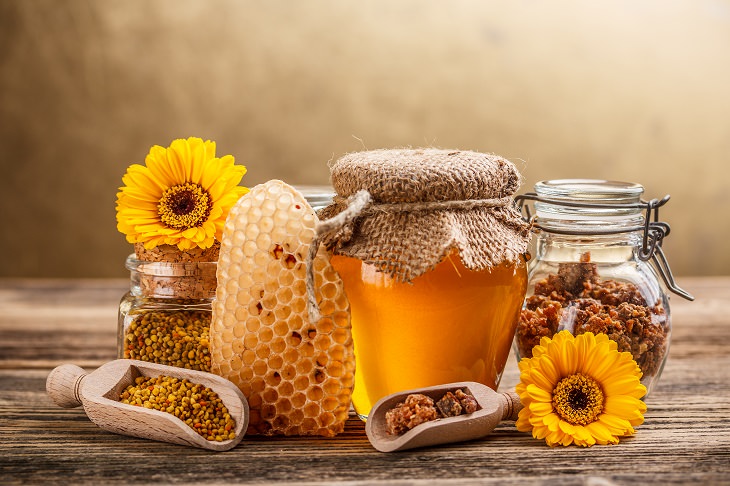
For the past 2,500 years, honey has been an essential ingredient, used by countless cultures all around the world. Perhaps one of the reasons why, even today, honey is so widely consumed, is due to the variety of ways it can be eaten: You can eat a spoonful of honey directly, or spread it on bread like a jam, you can mix it with juice or tea for a sweeter taste, or simply add it to warm water. No matter how you use it, honey has become an extremely useful and versatile ingredient. It is also becoming increasingly recognized not only for its amazing taste, but its medicinal properties. To reap its benefits, selecting the right type of honey is key.
Knowing the Difference between Pure and Artificial Honey 
 
When purchasing honey, bear in mind that raw honey (honey in its purest form) is best. Raw honey hasn't been filtered, strained or heated above 115°F (46°C), unlike many of the commercial varieties we find lined up in our conventional grocery stores. In fact, most of the commercial kinds have been processed to the point that many (if not all) of the beneficial enzymes, nutrients and antioxidants have been completely destroyed. 

But, how can you identify the difference between the two? These 4 tests will help you determine whether the honey you purchased, is pure or not: 
 
1. The texture test 
Unlike artificial honey, pure honey is solid. A spoonful will remain intact and will not drip off or spread easily. 
 
2. The water test 
Artificial honey, dissolves easily in water. Pure honey, on the other hand, will lump and settle at the bottom of a glass that is filled with water. 
 
3. The shelf life test 
Pure honey will crystallize over time, while imitation honey will continue to look like syrup, no matter how long it has been stored.

4. Light a fire 
 
If you dip the tip of a matchstick in honey, then strike it to light, natural honey will light the match easily and the flame will burn off the honey. Artificial honey, though, will not light due to the moisture that it contains. 
 
To get the most out of this beneficial food, purchase a raw, organic honey from a whole food shops, a farmer's market or specialized food stores. 
 
The Key Nutrients Found in Pure Honey  
Raw honey is loaded with many essential vitamins and minerals. It is packed with essential B vitamins, including B1 (Thiamine), B2 (Riboflavin), B3 (Niacin), B5 (Pantothenic Acid) and B6 (Pyridoxine), all of which function as coenzymes that help the body attain energy from food. The B-vitamins are also important for normal appetite, good vision, healthy skin and nervous system function, as well as red blood cell formation. Honey is also a good source of vitamin C, which benefits the body by holding cells together through collagen synthesis (a connective tissue that holds muscles, bones and other tissues together). 
 
Honey also contains minerals like magnesium, potassium, calcium, sodium chlorine, copper, iron, manganese, sulphur, zinc and phosphate - most of which aid in body metabolism, water balance and bone health, among many other beneficial qualities. 
 
10 Ways Pure Honey Can Benefit Your Health 
 
1. A great source of energy  
Carbohydrates in the form of glucose and fructose supply the body and mind with energy, which can boost endurance and reduce muscle fatigue. In fact, honey is used by many athletes as an instant, yet sustained, energy source. 
 
2. An excellent source of antioxidants 
Besides containing a full spectrum of vitamins and minerals, honey also contains the flavonoid pinocembrin - which is unique to honey. This supports and promotes healthy enzyme activity. 
 
3. Slows down the aging process

The slow depletion of enzymes in the body partly contributes to the aging process. Raw honey, however, is one of the few foods that helps slow the depletion of enzymes through the ingestion of amylase - an enzyme that breaks down sugars and carbohydrates. This has the ability to restore damaged skin, giving a softer, younger look. 
 
4. Supports good bacteria  
Honey supports Bifidobacteria, which is present in the gastrointestinal tract and is essential for efficient digestion and good health. Honey also contains pre/pro-biotics, which helps growth and activity of Bifidobacteria. Honey doesn't ferment in the stomach and can be used to counteract indigestion. 
 
5. Treats allergies and supports a strong immune system 
Honey contains antibacterial and anti-fungal properties that can treat allergies by supporting a strong immune system. Using honey often can also strengthen the white blood corpuscles, which help fight bacterial and viral diseases. 
 
6. Promotes better blood sugar control 
 Experimental evidence suggests that consumption of honey may improve blood sugar control and insulin sensitivity compared to other sweeteners. The body's tolerance to honey is significantly better than its reaction to sucrose and glucose sourced from other foods. Individuals with greater glucose intolerance (those with mild diabetes and Type 1 diabetes - a chronic condition in which the pancreas produces little or no insulin) showed significantly better tolerance to honey than sucrose.  
 
7. Helps lower high cholesterol
In a series of experiments involving healthy subjects and those with high cholesterol, honey has been found to be the healthiest sweetener. However, the study also found that in patients with high cholesterol, artificial honey increased LDL (bad) cholesterol, while pure, natural honey decreased total cholesterol by 8% and LDL cholesterol by 11%. 
 
8. Helps suppress a cough  
In children and teens aged between 2 and 18, honey has been found to be more effective than cough suppressant dextromethorphan. Buckwheat honey, has been shown to be an especially successful cough medicine. 
 
9. A beneficial wound healer 
Raw honey applied topically to the skin, has been revealed to contain a number of wound healing benefits. Because honey is composed mainly of glucose and fructose (two sugars that strongly attract water), honey absorbs water in the wound and dries it out so that the growth of bacteria and fungi is inhibited. Studies have also discovered that Manuka honey decreases the surface pH level of wounds so that germs can no longer survive and bacteria is kept out. 
 
10. Potentially prevents low white blood cell count 
Honey may be a promising and inexpensive way to prevent low white blood cell count caused by chemotherapy. In a small study, 40% of cancer patients who were known to be at risk of neuropenia (very low blood count) had no further episodes of the condition after taking 2 teaspoons of therapeutic honey each day during chemotherapy.


This is only for your information, kindly take the advice of your doctor for medicines, exercises and so on.   

https://gscrochetdesigns.blogspot.com. one can see my crochet creations  
https://gseasyrecipes.blogspot.com. feel free to view for easy, simple and healthy recipes    
https://kneereplacement-stickclub.blogspot.com. for info on knee replacement


Labels: , , , , , , , , , ,

Wednesday, January 29, 2020

This is what you should eat before making a big decision

Shopping on an empty stomach is always considered a bad idea. Hunger not only makes you cranky, but also makes you take bad decisions, making you splurge, which can burn a hole in your pocket. Buying extra packets of chips from the grocery store is still fine, but what about the times when you have to make major decisions related to your career or personal life. You surely do not want to make mistakes that can be harmful to you in the long run. In this article, we will tell why you should avoid taking a major decision when starving.
 
How hunger influences your decision
As per a study carried out at the Psychology department of the University of Dundee, people settle for less when they are hungry. To carry out the study, the researchers tested 50 people twice. First after having a normal meal and second when they are empty stomach. They were offered different types of rewards like food, money, and song downloads and found that when people were hungry, they settled for smaller rewards. This indicates that a person is more likely to take bad decisions when they are starving. 

What to eat before taking big decisions?
As per another study conducted by a team of researchers at the Cambridge University in England, serotonin plays an important role in the decision-making process.

Serotonin is the key hormone that helps to stabilise your mood and promote a feeling of well-being. It sends signals between the nerve cells and is made of an essential amino acid called tryptophan. When you are hungry, the level of tryptophan decreases, which makes a person aggressive and impulsive.

The correct food choice

So, before making any major life decision or an important event, always eat amino acid-rich food items. Red meat, chicken soups, chocolates, nuts, tuna, banana are some good sources of amino acid.

Labels: , , , , , , , , , , , , , , ,

Saturday, September 28, 2019

Fasting health benefits backed by science

Despite its recent surge in popularity, fasting is a practice that dates back centuries and plays a central role in many cultures and religions. Defined as the abstinence from all or some foods or drinks for a set period of time, there are many different ways of fasting. 

In general, most types of fasts are performed over 24–72 hours. Intermittent fasting, on the other hand, involves cycling between periods of eating and fasting, ranging from a few hours to a few days at a time. 

Fasting has been shown to have many health benefits, from increased weight loss to better brain function and improved gut health.
Promotes Blood Sugar Control by Reducing Insulin Resistance:Several studies have found that fasting may improve blood sugar control, which could be especially useful for those at risk of diabetes. In fact, one study in 10 people with type 2 diabetes showed that short-term intermittent fasting significantly decreased blood sugar levels.
Promotes Better Health by Fighting InflammationWhile acute inflammation is a normal immune process used to help fight off infections, chronic inflammation can have serious consequences for your health. Research shows that inflammation may be involved in the development of chronic conditions, such as heart disease, cancer and rheumatoid arthritis. Some studies have found that fasting can help decreases level of inflammation and help promote better health.
May Enhance Heart Health by Improving Blood Pressure, Triglycerides and Cholesterol LevelsSome research has found that incorporating fasting into your routine may be especially beneficial when it comes to heart health. One small study revealed that eight weeks of alternate-day fasting reduced levels of “bad” LDL cholesterol and blood triglycerides by 25% and 32% respectively.
May Boost Brain Function and Prevent Neurodegenerative DisordersThough research is mostly limited to animal research, several studies have found that fasting could have a powerful effect on brain health. One study in mice showed that practicing intermittent fasting for 11 months improved both brain function and brain structure .
Because fasting may also help relieve inflammation, it could also aid in preventing neurodegenerative disorders. In particular, studies in animals suggest that fasting may protect against and improve outcomes for conditions such as Alzheimer’s disease and Parkinson’s. However, more studies are needed to evaluate the effects of fasting on brain function in humans.

Aids Weight Loss by Limiting Calorie Intake and Boosting MetabolismSome research has also found that short-term fasting may boost metabolism by increasing levels of the neurotransmitter nor epinephrine, which could enhance weight loss .In fact, one review showed that whole-day fasting could reduce body weight by up to 9% and significantly decrease body fat over 12–24 weeks .
Another review found that intermittent fasting over 3–12 weeks was as effective in inducing weight loss as continuous calorie restriction and decreased body weight and fat mass by up to 8% and 16% respectively .

Increases Growth Hormone Secretion, Which Is Vital for Growth, Metabolism, Weight Loss and Muscle StrengthHuman growth hormone (HGH) is a type of protein hormone that is central to many aspects of your health. In fact, research shows that this key hormone is involved in growth, metabolism, and weight loss and muscle strength.
Several studies have found that fasting could naturally increase HGH.

Could Delay Aging and Extend LongevitySeveral animal studies have found promising results on the potential lifespan-extending effects of fasting. Fasting could be effective in increasing longevity and survival rates.
However, current research is still limited to animal studies. Further studies are needed to understand how fasting may impact longevity and aging in humans.

May Aid in Cancer Prevention and Increase the Effectiveness of ChemotherapyAnimal and test-tube studies indicate that fasting may benefit the treatment and prevention of cancer. In fact, one rat study found that alternate-day fasting helped block tumour formation.
How to Start FastingThere are many different types of fasts, making it easy to find a method that fits your lifestyle. Here are a few of the most common types of fasting:
Water fasting:
Involves drinking only water for a set amount of time.

Juice fasting: Entails only drinking vegetable or fruit juice for a certain period.
Intermittent fasting: Intake is partially or completely restricted for a few hours up to a few days at a time and a normal diet is resumed on other days.
Partial fasting: Certain foods or drinks such as processed foods, animal products or caffeine are eliminated from the diet for a set period.
Calorie restriction: Calories are restricted for a few days every week.
Within these categories are also more specific types of fasts.

For example, intermittent fasting can be broken down into subcategories such as alternate-day fasting, which involves eating every other day, or time-restricted feeding, which entails limiting intake to just a few hours each day. To get started, try experimenting with different types of fasting to find what works best for you.

Safety and Side EffectsDespite the long list of possible health benefits associated with fasting, it may not be right for everyone. If you suffer from diabetes or low blood sugar, fasting can lead to spikes and crashes in your blood sugar levels, which could be dangerous.
It’s best to talk to your doctor first if you have any underlying health conditions or are planning to fast for more than 24 hours. Additionally, fasting is not generally recommended without medical supervision for older adults, adolescents or people who are underweight.

If you decide to try fasting, be sure to stay well-hydrated and fill your diet with nutrient-dense foods during your eating periods to maximize the potential health benefits. Additionally, if fasting for longer periods, try to minimize intense physical activity and get plenty of rest.

The Bottom LineFasting is a practice that has been associated with a wide array of potential health benefits, including weight loss, as well as improved blood sugar control, heart health, brain function and cancer prevention.
From water fasting to intermittent fasting and calorie restriction, there are many different types of fasting that fit nearly every lifestyle.

When coupled with a nutritious diet and healthy lifestyle incorporating fasting into your routine could benefit your health.
 
this is only for your information, kindly take the advice of your doctor for medicines, exercises and so on.   
https://gscrochetdesigns.blogspot.com. one can see my crochet creations 
 

https://gseasyrecipes.blogspot.com. feel free to view for easy, simple and healthy recipes    
https://kneereplacement-stickclub.blogspot.com. for info on knee replacement


Labels: , , , , , , , , ,