Wednesday, March 24, 2021

How to Meditate at Home

Meditation has many known health benefits, such as increasing longevity and reducing stress. People have been practicing meditation for over two millennia, with Hindu texts describing meditative forms as early as the 6th-century BCE. In my youth, if I heard the word ‘meditation’, all I could think about was a person in the Far East, sitting with his legs crossed and humming to himself. A couple of years ago I was introduced to real meditation and discovered the calming and healing properties it has, and now I’d love to share them with you.
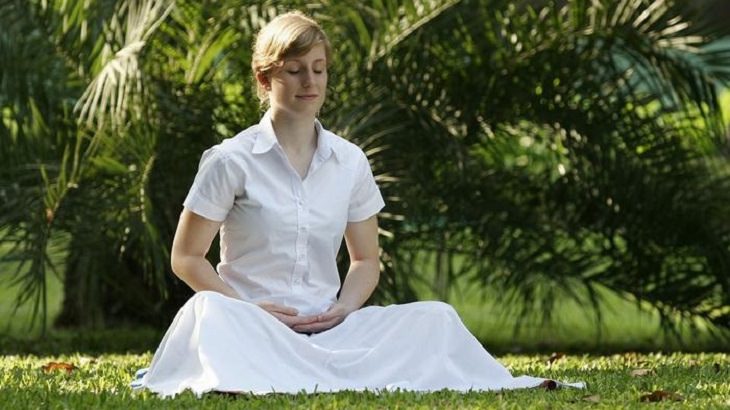
What is meditation 
The Webster dictionary defines meditation as “the act or process of spending time in quiet thought: the act or process of meditating”. Many people meditate without even knowing that they’re doing it. A person sitting and fishing for a few hours in silence is performing a type of meditation, the same as another who might be jogging with their headphones on. It involves dedicating 100% of your attention to one subject. Meditation has also been a key factor in Eastern religions such as Buddhism and Hinduism, as well as Western religions like Christianity and Judaism.

Health benefits of meditating  
Meditation has many proven health benefits, such as silencing your internal chatter, calming and grounding one’s self, and getting in touch with yourself, to name a few. A recent Harvard University study discovered that daily meditation can rebuild the brain’s gray matter in as little as eight weeks. Participants also reported a reduction in stress - a prime factor in the decrease in gray matter density. 
 
Who can meditate?
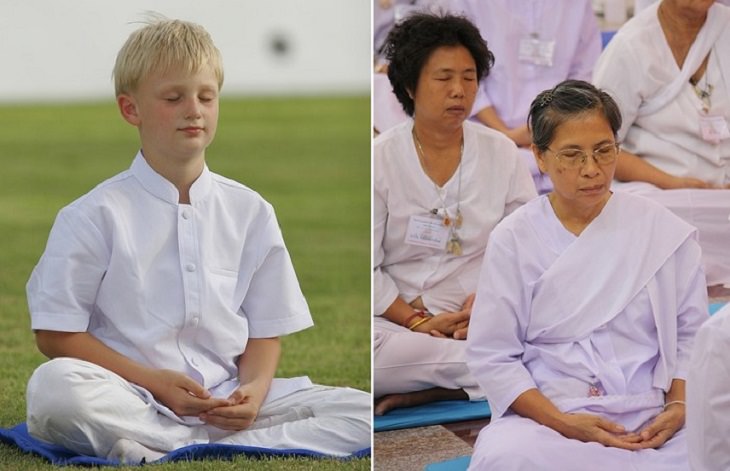
From young children to elderly people, everyone can meditate. There are many forms of meditation, some more suitable for people of different ages, so don’t be daunted if one form doesn’t work for you. Finding the meditation that suits you best is very gratifying. 
 
Before you start meditating 
The first thing you need to do is decide on the purpose of your meditation: You may want to calm down, get to know yourself better or even make an important business decision. Knowing why you’re meditating is the first step to a useful meditation. You don’t need special clothes (but comfortable ones make it easier) or equipment. All you need is a quiet spot and to reserve some time for it. 
 
When you begin your meditation, don’t lay down or sit in a slumped position – these positions do not help you stay alert and focused. Sit up straight, either on a chair, on your heels or cross-legged. Find the position that is comfortable for you, sitting in the lotus position is not mandatory in meditation. 
 
Don’t meditate after eating, digestion can be very distracting during a session. If you've just had a meal, wait for 2 hours and let your stomach calm down. You should avoid smoking for at least 30 minutes before the meditation.
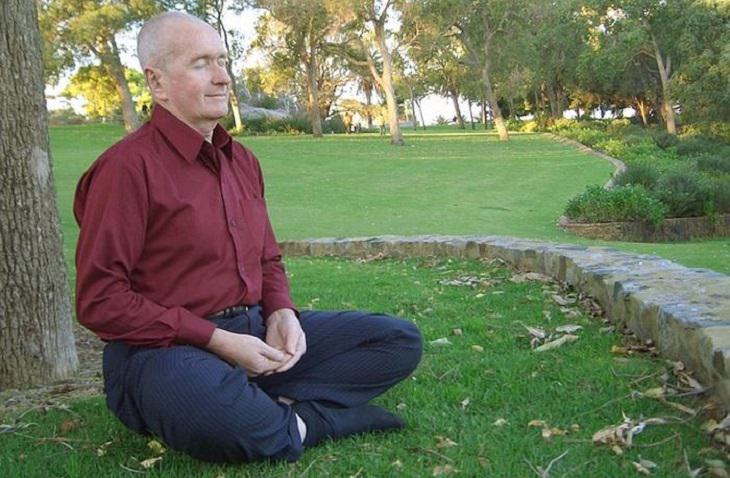
Find a quiet spot that you will be comfortable in, this is essential for the first few times you meditate. Once you are comfortable with meditation, you’ll be able to do it in noisier places. Remember to switch off your cell phone - it’s a distraction. Consider lighting a scented candle or some incense to help your meditation and switch off or dim the lights – bright lights may also be a distraction. 
 
How to meditate 
Do some basic stretching before you start, it will loosen up your muscles and help you be more attentive to your body later on. 
 
Breathing is the most important factor in meditation, we use each breath as a focal point. Close your eyes and deeply inhale through your nose, then slowly exhale through your mouth. Feel how your chest expands and contracts with each breath. Listen to the silence between breaths - notice how everything becomes still and quiet. You may even notice your heartbeat slowing down. If your thoughts begin to scatter, concentrate on your breathing.

As a beginner, focusing might not come naturally. Give it time and be patient with yourself. Some people find that focusing on their breathing won’t quiet their minds, and may need to try other methods: 
 
• Counting your breaths may help – count each breath and when you reach ten, start over. However, if you become focused on the numbers and not on the breathing, stop. 
 
• Another alternative is repeating a mantra – there’s a reason some people say “Om” when they meditate – it helps drown out the outside world and focus on the sound. You can repeat any other word that helps you calm down if Om is not for you. 
 
• Try visualizing a calm place – it can be anything: the beach, a forest, your childhood home, etc. as long as it’s your sanctuary. When you find your sanctuary, don’t be afraid to explore it – there's no need to try and “create” your surroundings, they’re already there.
Set aside at least fifteen minutes a day for meditation (more is welcome). Remember: short daily repetitions are better than one long weekly session because they form a habit. Eventually, the practice of meditation will find its way into your everyday life. You’ll find yourself considering your food choices more carefully, making decisions more consciously and focusing on things you read, watch or listen to with greater attention. 
 
One last thing  
Learning to silence your inner thoughts takes practice, but managing to attain inner peace is a huge reward. Remember – “practice makes perfect”, so keep meditating regularly. It may take you a few weeks or even a couple of months to learn to properly focus, so don’t get frustrated or disheartened if you’re not a meditation guru overnight.

This is only for your information, kindly take the advice of your doctor for medicines, exercises and so on.     

https://gscrochetdesigns.blogspot.com. one can see my crochet creations  
https://gseasyrecipes.blogspot.com. feel free to view for easy, simple and healthy recipes    
https://kneereplacement-stickclub.blogspot.com. for info on knee replacement

Labels: , , , , , , , ,

Saturday, January 04, 2020

Mantras To Remove Negative Energy – Vedic Meditation Mantras

Mantras are tools to clear your thoughts and remove negative energy to help you focus or concentrate. By chanting the mantra, one can tap into the source of the power to manifest. Mantras can be chanted vocally, sub-vocally (whispering) or silently in the mind.

It is recommended to start aloud and then proceed with the more silent variations. Silent repetition does have an effect; when the frequency of any sound is high enough, it extends beyond the human range of hearing and eventually achieves stillness, which is beyond sound itself.

It has been demonstrated in a double-blind study that ultrasound probes applied to the skull can improve subjective mood, and it has been evidenced that even imagining performing musical exercises rewires and strengthens nerve connections.

Vedic Meditation Mantras


Mantras come from two sources – Vedas and Tantras. Most of the mantras that are found in the Purānas come from Tantrika sources. The power of the mantras depends on nature, quality and spiritual attainment of the person who chants them. The word “mantra” comes from mananāt trāyate iti mantra. The mantra is a sonic device to protect the mind from random thinking. In other words, the mantra is a centering device which helps us to focus on something specific.
Below is the list of Mantras that are found in Vedas, you can use these mantras for your meditation practice. But, before you start using meditation mantras you should learn how to use it properly.

Gayatri Mantra


Gayatri Mantra first appeared in the Rig Veda
ॐ भूः ॐ भुवः ॐ स्वः
ॐ महः ॐ जनः ॐ तपः ॐ सत्यम्
ॐ तत्सवितुर्वरेण्यं भर्गो देवस्य धीमहि
धियो यो नः प्रचोदयात् ।
ॐ आपो ज्योती रसोऽमृतं ब्रह्म भूर्भुवः स्वरोम् ॥

Om Bhuuh Om Bhuvah Om Svah
Om Mahah Om Janah Om Tapah Om Satyam
Om Tat-Savitur-Varennyam Bhargo Devasya Dhiimahi
Dhiyo Yo Nah Pracodayaat |
Om Aapo Jyotii Raso[a-A]mrtam Brahma Bhuur-Bhuvah Svar-Om ||
This translate to:
Om, Pervading the Bhu Loka (Earth, Consciousness of the Physical Plane), Bhuvar Loka (Antariksha, The Intermediate Space, Consciousness of Prana) and Swar Loka (Sky, Heaven, Consciousness of the Divine Mind),
That Savitur (Savitri, Divine Essence of the Sun) which is the most Adorable,
I Meditate on that Divine Effulgence,
May that Awakens our Intelligence (Spiritual Consciousness).

Om Sahanavavatu Mantra

ॐ सह नाववतु ।
सह नौ भुनक्तु ।
सह वीर्यं करवावहै ।
तेजस्वि नावधीतमस्तु मा विद्विषावहै ।
ॐ शान्तिः शान्तिः शान्तिः ॥

Om Saha Naav[au]-Avatu |
Saha Nau Bhunaktu |
Saha Viiryam Karavaavahai |
Tejasvi Naav[au]-Adhiitam-Astu Maa Vidvissaavahai |
Om Shaantih Shaantih Shaantih ||
Meaning Om Sahanavavatu Mantra
Let us together (-saha) be protected (-na vavatu) and let us together be nourished (-bhunaktu) by God’s blessings. Let us together join our mental forces in strength (-veeryam) for the benefit of humanity (-karvaa vahai). Let our efforts at learning be luminous (-tejasvi) and filled with joy, and endowed with the force of purpose (-vadhita mastu). Let us never (-maa) be poisoned (-vishaa) with the seeds of hatred for anyone. Let there be peace and serenity (-shaantih) in all the three universes.

Om Sarveshaam Mantra

ॐ सर्वेशां स्वस्तिर्भवतु ।
सर्वेशां शान्तिर्भवतु ।
सर्वेशां पुर्णंभवतु ।
सर्वेशां मङ्गलंभवतु ।
ॐ शान्तिः शान्तिः शान्तिः ॥

Om Sarveshaam Svastir-Bhavatu |
Sarveshaam Shaantir-Bhavatu |
Sarveshaam Purnnam-Bhavatu |
Sarveshaam Manggalam-Bhavatu |
Om Shaantih Shaantih Shaantih ||
Meaning Om Sarveshaam Mantra
Let it be so ordained (-bhavatu), that all the people (-sarveshaam), experience well-being (-svastir) ; let all the people experience peace or tranquility (-shaantir). Let all the people experience wholeness and completeness (-poornam) ; let them experience prosperity and auspiciousness (-mangalam).
May it so happen (-bhavantu) that everyone (-sarve) receives happiness (-sukhinah) ; let them all be saint-like (-santu) and be without disease and in good health (-niraamayaah). Let them see with their own eyes (-pashyantu) the goodness of life (-bhadaraani) ; And let them not (maa) contemplate in their conscious mind (-kashchidh) any sorrow inducing (dukh) thoughts while they remain beneficiaries (-bhavet) of good fortune (-bhaag).

Pavamana Mantra

Pavamana Mantra is also known as pavamana abhayaroha, introduced in the Brhadaranyaka Upanisad (1.3.2.8).
ॐ असतो मा सद्गमय ।
तमसो मा ज्योतिर्गमय ।
मृत्योर् माऽमृतं गमय ।
ॐ शान्तिः शान्तिः शान्तिः ॥

oṃ asato mā sadgamaya,
tamaso mā jyotirgamaya,
mṛtyor mā’mṛtaṃ gamaya,
oṃ śāntiḥ śāntiḥ śāntiḥ
This translates to: 
Om, from falsehood, lead me to truth,
From darkness lead me to the light,
From death lead me to immortality,
Om peace peace peace
(Peace in three states of life- physical mental spiritual)

Om Bhadram Karnebhih

This mantra is taken from Mundaka, Mandukya, Prasna Upanishads
ॐ भद्रं कर्णेभिः शृणुयाम देवाः ।
भद्रं पश्येमाक्षभिर्यजत्राः ।
स्थिरैरङ्गैस्तुष्टुवाग्‍ँसस्तनूभिः ।
व्यशेम देवहितं यदायुः ।

Om Bhadram Karnnebhih Shrnnuyaama Devaah |
Bhadram Pashyema-Akssabhir-Yajatraah |
Sthirair-Anggais-Tussttuvaamsas-Tanuubhih |
Vyashema Deva-Hitam Yad-Aayuh |
This translates to: 
O Devas, May we Hear with our Ears what is Auspicious,
O (Devas who are) Worthy of Worship, May we See with our Eyes what is Auspicious,
With (Sense) Organs Steady and Body Praying (due to Hearing and Seeing the Auspicious) …
May we Attain (i.e. Spend) the Lifespan allotted by the Devas (thus finding fulfillment in our lives).

Om Purnamadah Purnamidam

– Taken from Brihadaranyaka, Ishavasya Upanishads
ॐ पूर्णमदः पूर्णमिदं पूर्णात्पूर्णमुदच्यते ।
पूर्णस्य पूर्णमादाय पूर्णमेवावशिष्यते ॥
ॐ शान्तिः शान्तिः शान्तिः ॥

Om Puurnnam-Adah Puurnnam-Idam Puurnnaat-Puurnnam-Udacyate |
Puurnnasya Puurnnam-Aadaaya Puurnnam-Eva-Avashissyate ||
Om Shaantih Shaantih Shaantih ||
This translates to:
Om, That (Outer World) is Purna (Full with Divine Consciousness); This (Inner World) is also Purna (Full with Divine Consciousness); From Purna is manifested Purna (From the Fullness of Divine Consciousness the World is manifested),
Taking Purna from Purna, Purna indeed remains (Because Divine Consciousness is Non-Dual and Infinite),
Om, Peace, Peace, Peace.

Om Sahana Vavatu

– Taken from Taittiriya, Katha, Mandukya, Shvetashvara Upanishads
ॐ सह नाववतु ।
सह नौ भुनक्तु ।
सह वीर्यं करवावहै ।
तेजस्वि नावधीतमस्तु मा विद्विषावहै ।
ॐ शान्तिः शान्तिः शान्तिः ॥
Om Saha Naav[au]-Avatu |
Saha Nau Bhunaktu |
Saha Viiryam Karavaavahai |
Tejasvi Naav[au]-Adhiitam-Astu Maa Vidvissaavahai |
Om Shaantih Shaantih Shaantih ||


This Translates to:
Om, Together may we two Move (in our Studies, the Teacher and the Student),
Together may we two Relish (our Studies, the Teacher and the Student),
Together may we perform (our Studies) with Vigour (with deep Concentration),
May what has been Studied by us be filled with the Brilliance (of Understanding, leading to Knowledge); May it Not give rise to Hostility (due to lack of Understanding),
Om Peace, Peace, Peace.


Om Vang Me Manasi Pratisthita

– Taken from Aitareya Upanishad
ॐ वाङ् मे मनसि प्रतिष्ठिता ।
मनो मे वाचि प्रतिष्ठितम् ।
आविराविर्म एधि ।
वेदस्य म आणीस्थः ।
श्रुतं मे मा प्रहासीः ।
अनेनाधीतेनाहोरात्रान्सन्दधामि ।

Om Vaanga Me Manasi Pratisstthitaa |
Mano Me Vaaci Pratisstthitam |
Aavir-Aavir-Ma Edhi |
Vedasya Ma Aanniisthah |
Shrutam Me Maa Prahaasiih |
Anena-Adhiitena-Ahoraatraan-Sandadhaami |
This translates to:
Om, My Speech is Established in Mind (i.e. My Speech which will recite the Vedas is concentrated on my Mind which will hear the Vedas),
My Mind is Established in Speech (i.e. My Mind which will hear the Vedas is concentrated on the Speech of the Preceptor),
Manifest, Manifest, may you be,
(The Truths) of the Vedas embedded,
(The words of the Vedas) heard by me may not leave me,
(But) By this, By what has been Studied, I will join Days and Nights (i.e. I will reflect upon them over days and nights),


this is only for your information, kindly take the advice of your doctor for medicines, exercises and so on.     
https://gscrochetdesigns.blogspot.com. one can see my crochet creations  
https://gseasyrecipes.blogspot.com. feel free to view for easy, simple and healthy recipes    
https://kneereplacement-stickclub.blogspot.com. for info on knee replacement
 

Labels: , , , ,