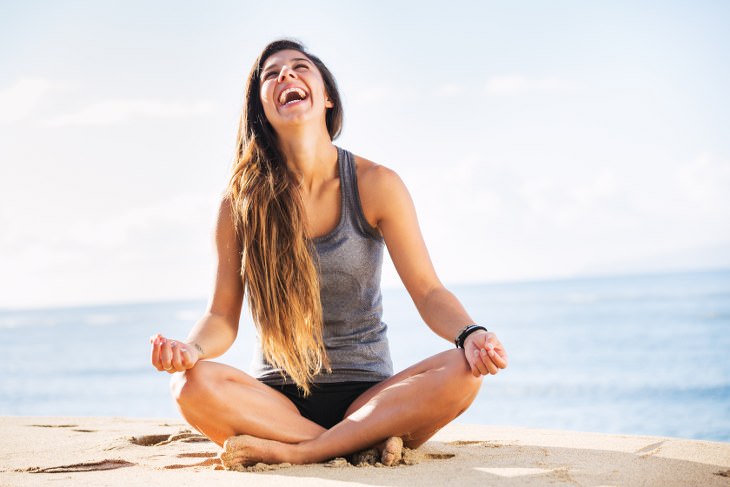
The Ideal Guided Morning Meditation For Beginners
Without a doubt, you've probably heard
about the many benefits of practicing meditation at home, but for many
who are new to meditation find it a frustrating and overwhelming
experience, and feel like they are simply wasting their time. However,
once you clear away the obstacles that are blocking you from having a
fruitful meditation session, you're bound to feel a lot more positive.
Keep reading to discover how to perform a morning meditation session,
and find out what you can gain from it.
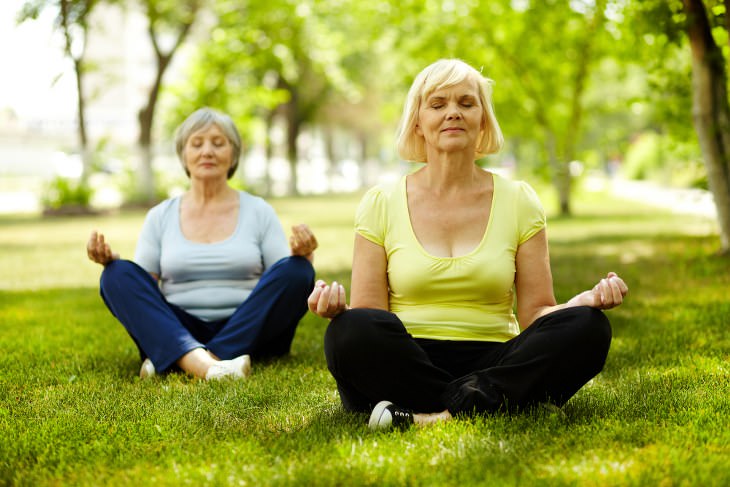
How Meditation Affects Your Body and Mind
Meditation is the perfect tool to help you maintain a healthy balance
between your body and your mind. It is a straightforward technique that
you are able to carry out anywhere and at any time. Just like with any
constructive activity, the more you practice, the more positive effects
you'll notice flowering in your life.
Meditation is a great tool to maintain a healthy balance of dialogue
between your mind and your body. It is a simple technique that you can
practice anytime and anywhere to alleviate stress. Just like physical
exercise, the more you practice, the more benefits you’ll notice and the
longer they will last – in both, mind and body.
According to the American Psychological Association, around 40% of
people make poor dietary choices or overeat (or both) as a result of
high stress levels, while 46% of people have trouble sleeping at night
for the same reason.
However, if these people would have made
morning meditation sessions a part of their lives, then their stress
levels would probably have been lower, which would have significantly
increased their chances of making healthy dietary choices as well as
getting a good night's sleep. This is because meditation is the key to
gaining not only a clearer mind but also a cleaner body.
A study from Harvard explained how meditation is able to reduce both
anxiety and stress levels, which in turn helps to minimize inflammation
within our bodies, improve concentration, reduce blood pressure, as well
as regulate our thoughts and decision-making processes.
Apart from all of this, meditation also
helps you get on the path to inner peace, which is the kind of peace
that many spiritual traditions are concerned with, and which surpasses
typical human understanding. One of meditation's main goals should be
for you to become in tune with yourself, which means that you will have
to get in touch with the energy of “oneness”.
Meditation is a technique that you can use to enter the space that lies
between each of your thoughts. Between each thought you have, there lies
a stillness, which is said to be the gateway to the infinite mind,
which is where certain individuals have sensed a divine connection.
Getting Rid of Obstacles to Morning
Meditation
If you find yourself resisting the idea of morning meditation for
whatever reason, here are a few ways to get over the most common
complaints:
“I don’t have enough time.”
Many people incorrectly believe that meditation needs to last at least
half an hour. Howev er, this simply isn't true. You can begin your daily
routine by meditating for as little as five minutes each morning. The
more you practice, the more you'll find that your daily practice begins
to extend, and if you truly don't have more than 5 minutes, you'll still
reap more rewards than skipping it would.
“I am unable to sit still.”
You do not necessarily need to be sitting still in order to have a
fruitful meditation session. In fact, Dr. Kelly McGonigal suggests that
such people should try a ten-minute walking meditation instead. This
involves walking for ten minutes while spending one minute focusing on
each different feeling or stimulus that you are aware of such as your
breath, your muscles contracting, sights, sounds, smells, the feeling of
the wind against your skin, and so on.
“My mind doesn't stop.”
It is normal to feel frustrated as a newcomer to meditation. However,
altering your expectations will easily help you overcome such an
obstacle. Try to focus on making tiny improvements from one session to
the next. In this way, you will be able to slowly start to understand
your inner workings more and will learn how to constructively shift
negative thoughts.
Simple Techniques For Morning Meditation
There are thousands of different meditation techniques out there, so if
one doesn't really feel right for you, then keep trying out different
ones until you find one that you really click with. Here are some of the
simplest ones to get you started:
1. Breathing Meditation - The standard form of meditation, simply sit or
lie still and focus on your breathing.
2. Mantra Meditation - Similar to breathing meditation, but instead of
paying attention to your breathing, you simply keep repeating a word or
phrase over and over. You can find many traditional spiritual mantras
online, but many people like to come up with their own ones that hold a
deeper meaning for them. Here are some mantras that you might want to
start off with.
3. Candle Staring - Great for people with short attention spans, this
type of meditation involves you simply staring at a candle's flame for
as long as possible. If a thought pops into your head, simply turn it
away and go back to focusing on the candle.
4. Guided Meditation - Some people like to be guided by a person's voice
or by meaningful music. There are plenty of resources available online,
and there might even be a meditation class available in your area.
5. Mindfulness Meditation - Mindfulness is
all about being aware of what is happening in the present moment,
including sights, sounds, thoughts, and feelings. It can be done with
your eyes either open or closed, but it is important not to pass
judgment on anything.
Setting Up Your First Morning Meditation
Session
The best time to meditate is first thing in the morning before you even
brush your teeth or have a cup of coffee. This will ensure that you set
yourself up for a peaceful day. If you are not sure where to begin,
simply follow this guided meditation session:
1. Choose a good spot - Look for somewhere free from distractions that
are as quiet as possible. If you want, you can add candles, incense,
background music, or even diffuse a relaxing essential oil to make the
place more comfortable.
2. Choose a time - Choose a time that works for you, and commit to
sticking to that time on a daily basis.
3. Wear comfortable clothes - Your pajamas should be perfect. Your
birthday suit should be fine too!
4. Make yourself comfortable - If you choose to meditate while seated,
then cushions, couches or chairs should be ideal. Try to keep your back
straight and avoid using any of the complicated yogi postures as a
beginner, since they will only serve to distract you from your inner
purpose.
5. Set a timer - Without one, you'll
constantly keep fretting about how much time has passed.
6. Begin with taking 5 to 7 breaths - Make sure that they are long and
deep so that you can release any inner tension before you start.
7. Choose an object of focus - It could be your breathing, the flame of a
candle, a mantra, feeling or anything else.
8. Keep shifting back each time you lose focus - It's perfectly normal
to keep getting distracted from your focus object, especially as a
beginner. As soon as you become aware of a distraction, make a conscious
effort to shift back to the task at hand, and with time you will become
far less distracted.
9. Praise yourself - When you are done, it is important to acknowledge
and honor yourself for taking time out of your day to meditate. Do not
expect immediate results, but know that your efforts will really pay off
in time.