Thursday, September 12, 2024

7 signs that a heart attack may happen soon

The narration around heart attack that it increases one's proximity to death, scares all. The fear around this disease is so intense that people panic in such situations, and thus make it even more aggressive. Heart attack kills close to 18 million people everyday and as per experts several of these deaths could have been averted if timely medical help was provided to the patients.

This makes it imperative to understand the signs of heart attack, the signals the body gives before the onset of this life threatening disease so that one can take precautions on time.

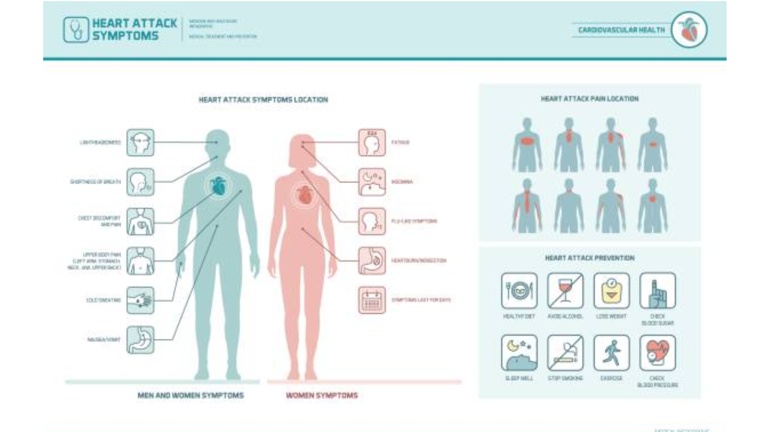
Unusual chest discomfort in the center or left side

You might experience discomfort in the center or left side of your chest. This discomfort can feel like pressure, squeezing, fullness, or pain. In simple words it might feel like an elephant sitting on your chest or like a tight band around your chest. This happens because the heart muscle needs a steady supply of oxygen-rich blood. When this supply is reduced or blocked, it can cause chest discomfort. If this discomfort lasts more than a few minutes or goes away and comes back, seek medical attention immediately.

You might feel like you can't catch your breath

This might occur with or without chest discomfort. You might feel like you can’t catch your breath, or you might feel unusually winded even after minimal exertion. This happens when your heart isn’t pumping effectively, making it hard to breathe. Try to identify if the shortness of breath is sudden and severe or gradually worsening over time. If you find yourself unusually breathless, especially with chest discomfort, don’t ignore it. Contact a healthcare provider or go to the emergency room.


Pain in arms, jaw

This discomfort might radiate to your arms (often the left), back, neck, jaw, or stomach. It might feel like aching, heaviness, or pressure. Track where you feel pain and note if it spreads. Keep an eye out for unusual patterns, like pain starting in one area and moving to another. If you experience discomfort in these areas, especially if it’s combined with chest pain or shortness of breath, seek immediate medical attention.

Nausea or light-headedness

You might feel nauseous or dizzy, which can sometimes be mistaken for other issues like indigestion or a simple cold. Reduced blood flow to the heart can also affect other systems in your body, leading to gastrointestinal issues or dizziness. Monitor if these symptoms are accompanied by other signs like chest pain or shortness of breath. If you feel nauseous or light-headed, particularly if you’ve also experienced other heart attack symptoms, don’t hesitate to reach out to a medical professional.

Excessive sweating

You might sweat profusely, even if you’re not exerting yourself. This sweating can be cold and clammy, unlike normal sweating from exercise or heat. Your body might react to the stress of a heart attack with excessive sweating as a way to cope with the increased stress on your cardiovascular system. Compare this sweating to what you’d normally experience. Is it out of the ordinary for you? If this excessive sweating occurs alongside other symptoms, it’s important to get medical help right away.
 7 signs that a heart attack may happen soon

 Sudden fatigue

You might feel unusually tired, weak, or fatigued, even if you haven’t done anything strenuous. Your heart’s reduced efficiency can make it harder for your body to get the oxygen and nutrients it needs, leading to overwhelming tiredness. Track how this fatigue compares to your usual energy levels. Note if it comes on suddenly or gradually worsens. If you experience unexplained fatigue along with other symptoms, consider it a serious sign and seek medical advice.

An unsettling feeling

You might experience an overwhelming feeling that something terrible is about to happen. This sensation can be quite unsettling and intense. This feeling can be related to the body's stress response during a heart attack, which may include anxiety or a sense of impending danger. Reflect on whether this feeling is new or if it’s accompanied by physical symptoms like chest pain or discomfort. If this feeling comes with other heart attack symptoms, it’s crucial to get emergency medical help.
7 signs that a heart attack may happen soon

What should you do?

  • Familiarize yourself with these symptoms and how they might present themselves in different ways.
  • If you notice these symptoms in yourself or someone else, try to stay calm. Panicking can make the situation worse and cloud judgment.
  • Don’t wait to see if symptoms improve. Call emergency services or go to the nearest emergency room. Time is crucial in treating heart attacks.
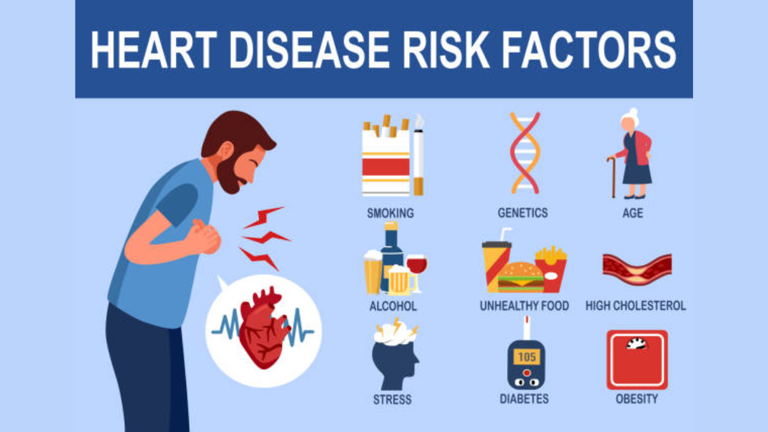
  • Understand your personal risk factors, such as family history, high blood pressure, high cholesterol, smoking, or diabetes. This knowledge can help you make proactive health choices.
  • Regular visits to your healthcare provider can help you stay on top of your heart health and address any potential issues before they become serious.
  • Eating a balanced diet, exercising regularly, avoiding tobacco, and managing stress are key to maintaining heart health.
  •  


This is only for your information, kindly take the advice of your doctor for medicines, exercises and so on.   

https://gscrochetdesigns.blogspot.com. one can see my crochet creations  
https://gseasyrecipes.blogspot.com. feel free to view for easy, simple and healthy recipes    
https://kneereplacement-stickclub.blogspot.com. for info on knee replacement
https://cancersupportindia.blogspot.com  for infor on cancer and health related topics
https://GSiyers home remedies.blogspot.com   is the latest addition to my blogs. I'm going to add posts there, do give me your valuable feed back on my blogs. Thanks a lot, take care, be healthy and be happy.


Labels: , , , , , , ,

Saturday, June 27, 2020

Dehydration Symptoms Everyone Should Know

Dehydration does more than just make you thirsty—it can actually be quite dangerous to your health. Here's how to know when your body is telling you to drink more water, so that you don't let it get to the later stages of dehydration.
What it means to be dehydrated?
Dehydration does more than just make you thirsty—it can actually be quite dangerous to your health. Here's how to know when your body is telling you to drink more water, so that you don't let it get to the later stages of dehydration. 

In general, dehydration occurs when your body loses too much fluid, or more fluid than it's taking in, according to the US National Library of Medicine's resource
You can become dehydrated for a number of reasons, but the main culprits include: diarrhea, vomiting, sweating too much, urinating too much, having a fever, or (simply) not drinking enough. And it doesn't take much to become dehydrated: if you lose just 1.5% of the water in your body, you've reached the tipping point of dehydration.
While dehydration often shows up as the standard thirsty feeling, the later stages of the condition can actually lead to a loss of consciousness, Jazmine Sutton-Oliver, MD, who works in hospital medicine at the Cleveland Clinic, tells Health. Here's what to know about common dehydration symptoms, including feeling thirsty and passing out—and all the signs in between.
1) Bad breath
Notice your breath smelling the opposite of minty fresh? It could be because you haven't drank enough water lately says a dentist. "Saliva has important antibacterial properties," he says. "When dehydrated, the decreased saliva in the mouth allows bacteria to thrive, resulting in bad breath."
Also, while we're talking about your mouth, dehydration can cause it to feel dry, for obvious reasons. So drink up for your own sake—and for the people around you, too.

2) Sugar cravings
Dehydration can mask itself as hunger, or more specifically as sugar cravings. This is more likely to happen if you've been exercising, says a sports dietitian. "When you exercise in a dehydrated state, you use glycogen, or stored carbohydrates, at a faster rate, thus diminishing your stores more quickly." So once you finish exercising, you will likely crave carbs (aka sugar) to help you replenish those glycogen levels. Pro tip: Before reaching for a chocolate bar, drink a tall glass of water and wait five minutes. You might not be as hungry as you think. (After that, if you're still craving something sweet, go ahead and have it.)

3) Dry skin
Your skin will let you know if you haven't been drinking enough water, says a dermatologist. Dehydrated skin will feel tight and appear dull when you look in the mirror. You may even notice more exaggerated wrinkles or darker-than-usual under eye circles.
A quick test if you're feeling less than hydrated: Pinch your cheek; if it wrinkles with gentle pressure instead of holding its shape, it's begging you for water. For smooth, moisture-rich skin, Dr. Tremaine also suggests keeping showers short (less than five minutes) and using only lukewarm water, as hot water can dry your skin out even more.
That mid-afternoon slump may have more to do with dehydration than you think. A number of the symptoms of dehydration can make you feel sleepy. Physical tasks may also feel more difficult and tiring because your muscles are lacking water, which is necessary for them to function properly.
4) Irritability
If you're feeling cranky, drink a glass of water and your mood may change. "Neurological effects of dehydration can cause irritability," Dr.  says. A small 2011 study published in the tested mood and concentration in 25 young women who were either given enough fluids to remain properly hydrated, or who became mildly dehydrated by taking diuretics and exercising. The dehydrated women—who were at a hydration level that was just 1% lower than optimal— reported headache, loss of focus and irritability.
5) Chills
It may seem counterintuitive, but dehydration can bring on chills. "This occurs because your body starts to limit blood flow to the skin," Dr.  says. In addition, water holds heat, so if you become hydrated it can be more difficult to regulate your body temperature, which can make you get chilly faster, even when you're not in a cold environment.
6) Muscle cramps
When your body isn't getting enough water, it slows down blood circulation, which can make your muscles cramp up. "The body will protect its vital organs, so it shifts fluid away from muscles and anything that's not vital," he says. Changes in sodium and potassium through sweat loss can also contribute to cramping. Cramps can be extremely painful and make muscles feel harder to the touch.
7) Light headedness and confusion
Along with your muscles, your brain also gets less blood circulation when you're low on water, which can make you dizzy, Dr. says—and this can constitute a situation when dehydration can warrant medical attention.

When a person becomes so dehydrated that they're taken to the emergency room, doctors usually try to get water back into their body very quickly, Dr. explains. "We would give them a liter over an hour" via an IV, she says.

8) Headache
Dehydration can cause headaches in a couple of different ways. "Lack of water affects your body's serotonin levels, which can give you headaches," Dr. says. In addition, small blood vessels in the brain respond quickly to hydration levels (which is also the culprit behind those nasty hangover headaches), leading to dull aches and even full-blown migraines.
Try downing a glass or two of water the next time you have a headache and you may find it disappears. You could also eat fruit, which contains a lot of water, Dr. suggests.

10) Constipation
Your body needs water to keep things moving through your colon. When you're not getting enough H2O, your body compensates by withdrawing more fluid from stool, making it harder and more difficult to pass. That said, it's worth noting that drinking more water when you're already properly hydrated won't necessarily relieve constipation caused by other factors, like the medications you're taking, medical conditions, or a lack of fiber in your diet.
11) Dark coloured urine
One telltale sign of dehydration is dark yellow urine. "A lot of people will notice their urine starts to get concentrated or dark in color," Dr. Sutton-Oliver says. When you're dehydrated, your kidneys, which filter waste, tell your body to retain water. That means you'll have less water in your urine, causing it to become more concentrated with waste products and, therefore, darker. If you notice your urine is darker than usual, reach for your water bottle.
12) Excessive thirst
It might seem obvious, but being thirsty is a big hint that you're not as hydrated as you should be, Dr. Sutton-Oliver says. When you get dehydrated, you'll naturally be thirsty, so listen to your body's signals and rehydrate until you've quenched your thirst.
13) Low blood pressure
While not drinking enough water can cause a plethora of symptoms, one in particular, low blood pressure, can be especially dangerous. But low blood pressure can manifest in a few different ways, including nausea, dizziness, and blurred vision, so it's important to be aware of those, as many of us don't have blood pressure cuffs at home.

Low blood pressure can be especially dangerous, as it means your blood isn't getting properly sent to critical organs, including your brain, Dr. adds. Certain blood pressure medications act as diuretics, which make the body urinate fluid out of it much faster. People who take these medications are more susceptible to becoming dehydrated, per Dr. The good news? "Most people can fix that simply by drinking water," he explains.

Labels: , , , , , , , , , , , ,

Sunday, February 18, 2018

Heart Attack - Signs And Symptoms You Must Not Ignore!

Most people have the view that only the older generation will be prone to attack. But, now-a-days, those even in 20s and 30s get heart attack, due to, too much stress at work. So, it is better for all to know the various symptoms of heart attack. Unlike what is shown in movies, not all heart attack patients hold their chest during attack. Those who are diabetic, don't have excessive sweating or pain during an attack.

1) One symptom of heart attack, which is often never dreamt of is- severe jaw pain for few seconds, it happens usually at night. The pain will be so severe, will have nothing to do with tooth or gum problem, but will wake the person. My husband had like this, knowing it to be one of the symptoms of attack, gave him sorbitrate at once, then checked his blood pressure, it was very high.

2) Another unusual symptom which a person can have is unusual stomach pain for no reason. The pain will be quite severe, may or may not be accompanied by vomiting or nausea.

3) Discomfort in the Chest: The patient will usually feel like there is some pressure and squeezing in the chest or pain or even fullness right in the centre. This pain can come and go every few minutes and it should not be ignored.

4) Pain and Discomfort in other Parts of the Body: There may be some amount of pain and discomfort in other parts of the body including the arms, the jawline, back, neck, stomach and even the teeth. This pain can also travel down to the abdomen above umbilicus. In case there is persistent pain along with the chest discomfort, then a doctor must be contacted immediately.

5) Other Symptoms: When you feel breathless without any reason or medical cause, and also when you experience symptoms like anxiety, indigestion, vomiting, nausea, light headedness, dizzy spells and fatigue, you may be suffering from a heart attack.

Immediate Treatment: Once you begin to experience these symptoms along with chest discomfort and chest pain, it is imperative to call the emergency unit of the nearest hospital or get in touch with a doctor. Until then, you will need to lie down and chew aspirin if you are not allergic to the same. This is usually more efficient that swallowing.

Diagnosis of heart attack: Heart attack is diagnosed if patient has 2 criteria out of following 3-
  1. Pain or discomfort thought to be due to heart disease
  2. ECG suggestive of heart attack
  3. Elevated levels of cardiac enzymes (CK-MB and Troponin) in blood test (these levels start rising after 6 to 12 hours of heart attack)
Once you reach doctor an ECG should be done immediately along with blood pressure and pulse. If ECG shows heart attack then immediate action needs to be taken. Remember a normal first ECG does not rule out a heart attack. So a series of ECGs may be ordered by the doctor and at proper time blood test of cardiac enzymes may be done. Ruling out a heart attack may need an observation and testing up to 6 – 12 hours as cardiac enzyme test shows results only after that period.

It is always better for all to carry 2 sorbitrate in their purse, as when one may need, can't be predicted. Well, may be not for you, but can come handy for your friend/ colleague or even a stranger and help to save their lives till they can reach the nearest hospital.

THIS IS ONLY FOR INFORMATION, ALWAYS CONSULT YOU PHYSICIAN BEFORE HAVING ANY PARTICULAR FOOD/ MEDICATION/EXERCISE/OTHER REMEDIES.    
PS- THOSE INTERESTED IN RECIPES ARE FREE TO VIEW MY BLOG-                      
HTTP:GSEASYRECIPES.BLOGSPOT.COM/
FOR INFO ABOUT KNEE REPLACEMENT, YOU CAN VIEW MY BLOG-                                                     
HTTP://KNEE REPLACEMENT-STICK CLUB.BLOGSPOT.COM/
FOR CROCHET DESIGNS

HTTP://MY CROCHET CREATIONS.BLOGSPOT.COM


Labels: , , , , , , , , , ,