Friday, December 27, 2024

A Guide to Laparoscopy Surgery

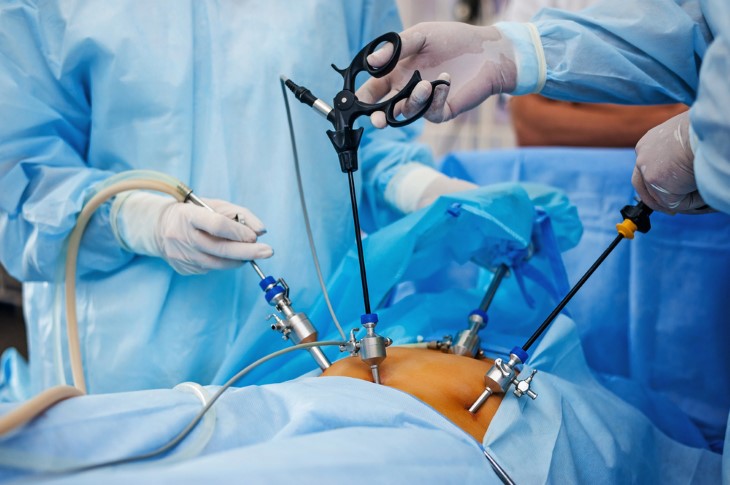
 Laparoscopy, derived from the Greek words "lapara" (flank or abdomen) and "skopein" (to examine), is a minimally invasive surgical technique that allows physicians to inspect and operate on abdominal and pelvic organs without the need for large incisions. This approach offers patients reduced recovery times, less postoperative pain, and minimal scarring compared to traditional open surgeries.

Historical Background 
The evolution of laparoscopy dates back to 1806 when Philip Bozzini developed a device using a simple tube and candlelight to view the interior of the urethra. In 1869, gynecologist Pantaleoni utilized an endoscope to examine the uterine cavity, marking the early use of endoscopy in gynecology. By 1901, George Kelling employed a cystoscope to explore the abdominal cavity in dogs, introducing the concept of insuffiating the abdomen with filtered air to control internal bleeding. The term "laparoscopy" was coined in 1911 by Swedish internist Hans Christian Jacobaeus, who used a cystoscope to examine the abdominal and thoracic cavities. Significant advancements continued, notably by Raoul Palmer in 1944, who performed gynecological laparoscopies with patients in a head-down position and used gas insufflation to enhance visibility. The development of cold light sources in 1952 further enhanced the safety and efficacy of laparoscopic procedures.
laparoscopy surgery illustration

Applications of Laparoscopy 
Today, laparoscopy is integral to various surgical specialties, including general surgery, gynecology, and urology. In gynecology, it addresses conditions such as ovarian cysts, ectopic pregnancies, endometriosis, and fibroids. General surgeons utilize laparoscopy for procedures like cholecystectomy (gallbladder removal), appendectomy, hernia repairs, and colorectal surgeries. The technique's minimally invasive nature results in shorter hospital stays, quicker recoveries, and fewer complications.

A few stories that highlight what this surgery is for: 
 laparoscopy surgery
At 86, John had always been active, enjoying daily walks and time with his grandchildren. When sudden abdominal pain led to a diagnosis of acute cholecystitis, he feared a prolonged recovery. Fortunately, doctors recommended a laparoscopic cholecystectomy. Through small incisions, the surgeons removed his inflamed gallbladder. Everything went without a hitch, and John was home just days later. He was soon back to his routines, grateful for the swift intervention and shocked at how fast his recovery was for a man of his age.

Take Emily, a much younger, 37-year-old teacher, who was in the middle of her school year when she experienced sharp abdominal pain. Diagnosed with acute appendicitis, she worried about missing work and her students. Her medical team suggested a laparoscopic appendectomy. The minimally invasive procedure meant Emily was back on her feet within a week. This kind of surgery used to take weeks and months of hard-earned recovery and pain. 
 
We'll finish with the case of Michael, a 17-year-old athlete, faced a life-threatening situation after a chest injury during a game. Doctors used diagnostic laparoscopy to assess internal damage. The clear visualization allowed them to address his injuries promptly. Thanks to this approach, Michael's recovery was swift and complete enough to put him back on the field. 
 
Preparation and Procedure  
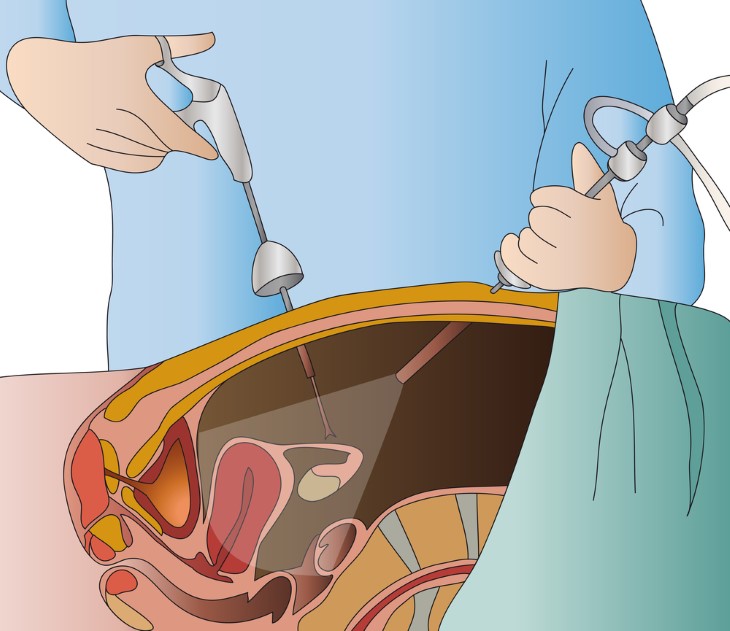
Preparation for laparoscopy involves a comprehensive medical evaluation, including a review of medical history, physical examination, and necessary laboratory tests. Patients are advised to fast for approximately eight hours before the procedure and may need to discontinue certain medications, especially blood thinners. The surgical process includes general anesthesia, followed by small abdominal incisions through which a laparoscope and specialized instruments are inserted. Carbon dioxide gas is introduced to inflate the abdominal cavity, providing better visualization of internal organs. The procedure's duration varies based on its complexity, and patients typically experience shorter recovery periods compared to open surgeries. laparoscopy surgery

Risks and Considerations  
While laparoscopy offers numerous benefits, it is not without risks. Potential complications include bleeding, infection, and injury to internal organs. Certain conditions, such as advanced abdominal cancers, chronic tuberculosis, bleeding disorders, or extensive abdominal adhesions, may contraindicate the use of laparoscopy. It is crucial for you to discuss their medical history and any concerns with their healthcare provider to determine the appropriateness of this surgical approach. 
 
Postoperative Care and Recovery 
After laparoscopy, you may experience mild abdominal discomfort, bloating, or referred shoulder pain due to residual carbon dioxide gas. These symptoms typically resolve within a few days. Adhering to postoperative care instructions, such as wound care, activity restrictions, and follow-up appointments, is essential for optimal recovery. Most individuals can resume normal activities within a week, although this may vary depending on the specific procedure performed. 
 
In summary, laparoscopy represents a significant advancement in surgical practice, offering a less invasive option for diagnosing and treating various abdominal and pelvic conditions.


This is only for your information, kindly take the advice of your doctor for medicines, exercises and so on.   

https://gscrochetdesigns.blogspot.com. one can see my crochet creations  
https://gseasyrecipes.blogspot.com. feel free to view for easy, simple and healthy recipes    
https://kneereplacement-stickclub.blogspot.com. for info on knee replacement
https://cancersupportindia.blogspot.com  for infor on cancer and health related topics
https://GSiyers home remedies.blogspot.com   is the latest addition to my blogs. I'm going to add posts there, do give me your valuable feed back on my blogs. Thanks a lot, take care, be healthy and be happy.

Labels: , , , , , ,

Sunday, May 01, 2022

Living With Endometriosis? These 5 Treatments Could Help

Endometriosis, a common disorder that affects women’s reproductive systems, occurs when the tissue lining inside the uterus (endometrium) grows outside. Although this condition may not cause any symptoms in some cases, others develop pain and heavy periods. Some other symptoms include fatigue, mood changes, and pain during sex. Endometriosis can seriously impact a woman’s life by causing chronic pelvic pain, infertility, or both. The only way to diagnose it is through surgery. However, a doctor specializing in endometriosis in Boynton Beach may recommend different ways to manage the symptoms of this condition. Here are some treatment options.

1.   Hysterectomy

When all other treatments fail, hysterectomy may be the only option left. Simply put, this is a surgical procedure in which a woman’s uterus is removed. It can occur through an abdominal incision or laparoscopically, where the surgeon will use special tools to remove it. Doctors should not offer this treatment option to women of childbearing age without trying other possibilities first.

2.   Hormone Therapy

One of the most effective ways to manage endometriosis symptoms is hormone therapy. This type of treatment uses hormones, either progestin or combined oral contraceptives, to alter the growth of cells outside the uterus. It provides relief from pelvic pain and stops periods in some women.

Some of the benefits of hormone therapy for endometriosis are that it can help reduce the risk of developing osteoporosis, decrease irritability, and help control acne. It has many side effects, including nausea, breast swelling or tenderness, headache, insomnia, mood changes, and weight gain.

3.   Laparoscopy

In cases where the symptoms of endometriosis include severe pelvic pain, a procedure called laparoscopy can be used to treat it. It’s a minimally invasive surgery that allows a doctor to view the inside of the abdomen and pelvis using a slender tube equipped with a light and camera (laparoscope).

The surgeon makes a small cut near or through the navel during this procedure and inserts the laparoscope. They then use instruments specifically designed for endometriosis surgery, such as those that remove endometrial tissue and adhesions, to control pain and help restore fertility.

4.   Medication

Medications given to a woman with endometriosis include hormonal therapy and non-steroidal anti-inflammatory drugs (NSAIDs) such as naproxen. NSAIDs block chemicals in the body that cause pain, fever, and inflammation. This medication is used to treat menstrual cramps, headaches, and other aches or pains.

In some cases, a woman with severe pain may be offered narcotic drugs such as codeine to ease the discomfort until the endometriosis responds to other treatments. While opioids can help relieve pain, they can also have serious side effects and lead to addiction if misused.

5.   Dietary Changes

Changing your diet can help reduce some of the symptoms of endometriosis. Healthy eating may reduce bloating, cramping, fatigue, and irritability associated with periods. Some research suggests that specific foods may be linked to this condition, but more studies are needed to determine a relationship.

Cutting out caffeine and alcohol may help reduce abdominal pain. In addition, losing excess weight or maintaining a healthy weight can improve fertility and ease the pain of endometriosis.

To summarize, endometriosis is a condition in which cells from the uterus lining grow in other parts of the body. However, different treatment options may help control symptoms and restore fertility, such as hormone therapy and medication. In some cases where women have severe pelvic pain that does not respond to other treatments, they may be recommended for surgery.
 

This is only for your information, kindly take the advice of your doctor for medicines, exercises and so on.   

https://gscrochetdesigns.blogspot.com. one can see my crochet creations  
https://gseasyrecipes.blogspot.com. feel free to view for easy, simple and healthy recipes    
https://kneereplacement-stickclub.blogspot.com. for info on knee replacement


Labels: , , , , , , , , ,

Thursday, June 13, 2019

Aerosol chemotherapy, ray new of hope for treating stomach cancer

"Classic chemotherapy was awful... but with this treatment, I feel hope," says French pensioner who is undergoing treatment for stomach cancer with a new form of therapy dispersed by aerosol.

Several hours before going into theatre, he is waiting in his room, looking surprisingly relaxed with a book in hand. This is a place he has been before. At the age of 76, he is about to face his second bout of chemotherapy after the cancer in his stomach spread to two other organs. But this time it is different.

He is being treated at one of seven hospitals in France that are trialling pressurised intraperitoneal aerosol chemotherapy, or PIPAC, a technique developed in Germany in 2013.

Although is it still being tested, chemotherapy by aerosol has shown promising results against certain cancers, in a treatment with fewer side effects that offers hope to some of the weakest patients. Unlike traditional chemotherapy, the drugs are not injected into the bloodstream.

Instead, the patient is put under general anaesthetic and the treatment introduced by laparoscopy, by which a small incision is made in the abdominal wall and the chemotherapy is introduced into the peritoneal cavity by an aerosol spray.

It is a minimally invasive procedure without the harmful side effects normally "associated with the circulation of the treatment within the blood", says the Dr. who heads the hospital's oncological surgery department.

"So you avoid the loss of appetite, the damage to peripheral nerves or to the red and white blood cells" which often require the treatment to be stopped. "Chemo is horrendous, it destroys you," he says,  running his fingers through his short white hair that has barely grown back two months after his first bout of treatment.

"My fingers and toes are paralysed, I don't feel anything," he says, admitting it forced him to give up hiking, his passion. But with the PIPAC therapy, he has not experienced any such side effects. For now, he is receiving treatment every two to three weeks, alternating between traditional chemo and PIPAC therapy, whose use is still being studied.

As he lies in a deep sleep on the operating table, the surgeons bend over him to make two small five-centimetre (two-inch) incisions in his abdomen before inserting trocars through the two layers of the peritoneum, the membrane which wraps around the internal organs.

They then inject air to artificially create a cavity, which is a prerequisite for delivering PIPAC therapy -- and which is why it is, for now, exclusively used for gynaecological or digestive cancers. "You see, the patient has several metastases on his peritoneal wall," explains the Dr., pointing to a screen showing images from the laparoscopy.

"This membrane only has a few vessels. So it is very difficult to treat with chemotherapy which passes through the blood. Which is a further advantage of PIPAC." Once the two trocars are in place, the chemotherapy is released into the inflated cavity and left there, during which time the surgeons, anaesthetists and nurses leave the operating theatre to avoid inhalation or exposure to leaks.

After 30 minutes, the product is extracted through a powerful miniature pump and the incisions closed. After six small sutures, the operation is over. It took just two hours. By the evening, he is back in his room and eating dinner, although he needs to stay another two nights in hospital due to the risks linked to a general anaesthetic.

THIS IS ONLY FOR INFORMATION, ALWAYS CONSULT YOU PHYSICIAN BEFORE HAVING ANY PARTICULAR FOOD/ MEDICATION/EXERCISE/OTHER REMEDIES.                                    PS- THOSE INTERESTED IN RECIPES ARE FREE TO  VIEW MY BLOG-                                                                                           https://gseasyrecipes.blogspot.com/                                                                                                                                                FOR INFO ABOUT KNEE REPLACEMENT, YOU CAN VIEW MY BLOG-                                                  https:// kneereplacement-stickclub.blogspot.com/                                                                               FOR CROCHET DESIGNS                                                                                                                                                                                         https://gscrochetdesigns.blogspot.com


Labels: , , , , , , , , , , , ,