Forget chia seeds: Gastroenterologist suggests this desi superfood for gut, weight, cholesterol and blood sugar worries
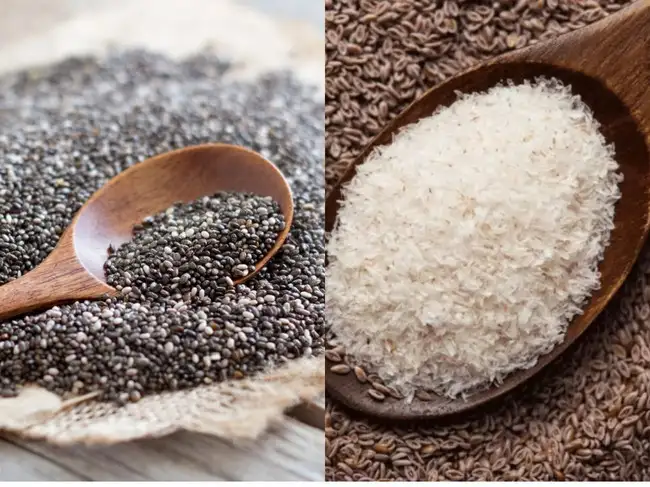
India’s everyday digestive aid, isabgol, may be doing far more work than trendy chia seeds. A Delhi-based gastroenterologist says psyllium husk contains much higher soluble fibre and could reduce common gut problems if people paid it the same attention. The claim comes from a recent social media post by the doctor, who compared the two popular fibre sources and explained why isabgol still deserves a spotlight.
Isabgol: A superfood not promoted much
Chia seeds and basil seeds are often promoted as modern “superfoods” for digestion. But isabgol, a traditional Indian supplement, has quietly remained a staple laxative for decades. It helps maintain bowel regularity and supports overall digestive health when taken in small amounts as part of a balanced diet.A doctor’s Instagram reel sparks discussion
Dr Shubham Vatsya, a gastroenterologist and hepatologist at Fortis Vasant Kunj with more than 10 years of experience, highlighted the benefits of isabgol in an Instagram Reel. In the video, he compared it directly with chia seeds while discussing common gut complaints like bloating and irregular digestion.
He captioned the post, “In a world obsessed with imported superfoods, we often overlook what actually works. Isabgol is one of the most effective natural sources of soluble fibre, quietly supporting gut health, smoother digestion, and better bowel regularity. It helps nourish good gut bacteria, keeps you full for longer, and supports cholesterol and blood sugar balance.”
Isabgol contains 70 to 80% pure soluble fibre’
Dr Vatsya said isabgol has a clear edge when it comes to fibre content. According to him, chia seeds contain only about 10 percent soluble fibre, while isabgol or psyllium husk contains 70 to 80 percent pure soluble fibre.He added that if isabgol were marketed as widely as chia seeds in India, many everyday gut issues could reduce significantly. He also explained that isabgol forms a fibre-based gel inside the gut, which helps regulate digestion, smooth bowel movements, and soothe the gut lining.
Benefits beyond digestion
The gastroenterologist also described isabgol as a strong prebiotic. “It increases bifidobacteria in your gut, and doctors routinely recommend it for IBS patients. Studies also show that it keeps you full for a longer time, supports digestion, lowers cholesterol, and also improves blood sugar by slowing down glucose absorption,” Dr Vatsya said.