Wednesday, February 08, 2023

11 Surprising Causes for Heart Complications and Stroke

Heart diseases are among the greatest killers of our day and age and lay claim to the lives of about 18 million people worldwide every year, according to the World Health Organization. Of those, a whopping 80% deaths are the result of a stroke or a heart attack. While some possible triggers of heart conditions, such as obesity, are a matter of public knowledge, other possible causes may surprise you: 
 
1. Poor Dental Hygiene
Apparently, not brushing your teeth may cause plaque buildup… in the arteries. The same oral bacteria that cause periodontal (or gum) disease can enter the blood stream and cause atherosclerosis, a cardiovascular condition wherein blood vessels become clogged by arterial plaque, possibly leading to strokes and heart attacks.  
 
2. Drinking Diet Sodas
If you’re looking into sugar-free soft drinks as a means to avoid obesity and related heart complications, you have another thing coming. Heavy diet soda drinkers are actually more likely to suffer from a stroke or a heart attack than those who drink sugar-sweetened sodas. 
 
3. Shunning Beans
Heart Complications: beans
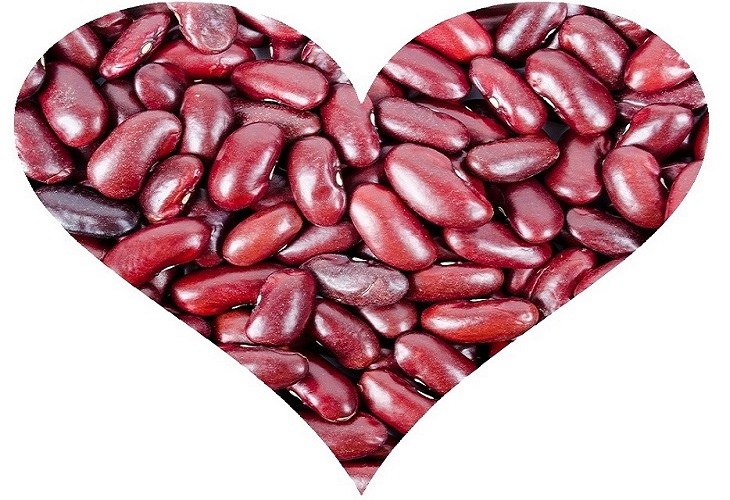
Beans, beans, they’re good for your heart. This isn’t just a line out of a nursery rhyme, it’s a medical fact. Eating beans and other protein-rich legumes (such as lentils, chickpeas, soybean, peas and peanuts) has been found to lower your resting heartbeat as effectively as regular exercise, potentially preventing heart attack.  
 
4. Dieting
Committing to a drastic change of lifestyle may sound like a good idea when thinking about weight loss, but often dramatic and prohibitive diets are very hard to sustain over time, cause great fluctuations in body mass over a short period of time and can cause more harm than good. This yo-yo effect, in and of itself, can dramatically increase the risk of heart disease. 
 
5. Contracting Flu
If there weren’t enough reasons to get a flu shot, according to this study, among people between the ages of 65-86, the likelihood of having a heart attack within one week of contracting influenza A was six times! Odds were even higher for people with prior heart complications and those who contracted influenza B.

6. Depression

Heart Complications: depression
The notion that body and mind operate independently is flat-out wrong, as many mental health conditions and physical illnesses appear to be inextricably tied. This is also true of depression, as a recent study established. The research showed that among men above the age of 45, depression was associated with a 30% increased chance of heart attack, and a 18% increased chance among women of the same age group. For both groups, depression was also associated with 24-44% increased chance of stroke, with odds increasing with the intensity of their mental distress. 
 
Likewise, one of the major symptoms of depression is social withdrawal, which- independently of the aforementioned study- has been shown to be associated with a 30% increased chance of coronary heart disease and stroke 
 
7. Avoiding Fruit
Heart Complications: fruit
Much like legumes, eating fresh fruit has been established as an effective way to reduce heart pressure, as well as lowering blood sugar levels. According to the study conducted in China, people who consumed fresh fruit on a daily basis were 40% less likely to have a heart attack, 34% less likely to have a major heart complication, and 30% less likely to have a stroke.
 
8. Sleep Apnea
Snoring might be a hassle for your partner, but it can indicate a huge risk for you. Severe obstructive sleep apnea, characterized by problems breathing through the nose while sleeping has been associated with a nearly twofold increase in coronary heart disease, heart failure and heart disease-related death. 
 
9. Living at a Low Altitude
This may seem strange to you, but for athletes who depend on good cardio, this is hardly news. Living at a high altitude increases cardiovascular endurance, which in turn decreases the odds of having metabolic syndrome, a cluster of several medical conditions, including obesity, high blood pressure and high blood sugar, by 25%. Metabolic syndrome is a major cause of type 2 diabetes, heart disease and stroke.  
 
10. Body Image
We know that obesity can be a cause for multiple heart conditions, but apparently stigma around obesity greatly increases the risk. According to a 2017 study, obese people who suffered from a negative body image were 46% more likely to have metabolic syndrome than those who are more accepting of their body type.  
 
11. Your Job
Yes. Your work, and particularly if your career finds you sitting on a chair in front of a monitor for the better part of the day, can kill you. A 2012 study found that a sedentary schedule was associated with a 147% increase in heart complications and a 90% increase in heart-related deaths. Meanwhile, a work schedule of 55 or more weekly hours was associated with a 13% increased chance of coronary heart disease and a 33% increased chance of stroke.


This is only for your information, kindly take the advice of your doctor for medicines, exercises and so on.   

https://gscrochetdesigns.blogspot.com. one can see my crochet creations  
 
https://gseasyrecipes.blogspot.com. feel free to view for easy, simple and healthy recipes    
 
https://kneereplacement-stickclub.blogspot.com. for info on knee replacement

https://GSiyers home remedies.blogspot.com     is my latest addition to my blogs. I'm going to add posts there, do give me your valuable feed back on my blogs. Thanks a lot, take care, be healthy and be happy.

Labels: , , , , , , , ,

Sunday, September 23, 2018

Why Now Is the Best Time to Get Your Flu Shot

Once September comes around, doctors start talking about the flu shot, since flu season will only be around the corner. While it might seem like a bit too early to get yourself vaccinated, it's actually the perfect time. This is due to the fact that the flu shot takes around 2 weeks to make you adequately immune, which is why waiting for people to start getting sick before taking your shot is an unwise strategy. If you're still on the fence about getting vaccinated, here are some key points to keep in mind:

It's not too early to get vaccinated.
Back in March, officials decided which strains of influenza would make it into this year’s vaccine. This happens so early in order to allow pharmaceutical companies to actually create the vaccine in a secure and timely manner. Of course, nobody will know for certain which strains will dominate the flu season, so intelligent predictions need to be made based on data gathered by the World Health Organization (WHO).
The bottom line is that even if it is only September, the components of the flu shot are not going to change before the flu season strikes. What's more, your immunity won’t fade if you get it now instead of later, so why risk waiting longer?

Everyone more than six months old should get the shot.
If you’re a healthy person, you should get the flu shot. Period. However, there are a couple of exceptions, particularly for people who have a weakened immune system. According to the doctors, the "annual influenza vaccine is recommended for everyone 6 months and older” and that “vaccination remains the best available preventive measure to prevent influenza illness.” They also recommend that children should get the shot before the end of October, at the very latest.
You can still take the shot if you're pregnant.
Regardless of what stage of pregnancy a woman is in, including postpartum, there's absolutely no reason to skip this year's flu shot. It's perfectly safe for you and your baby, and will actually add an extra layer of protection, helping your pregnancy go as smoothly as possible.
Egg allergies do not affect the flu shot.
Although most vaccines are still made in eggs, the latest research shows that the flu shot will not cause any issues for people who suffer from egg allergies. However, if you have an egg allergy, and are still afraid to take the shot, then you can use a vaccine made in other animal cells, which are entirely egg-free.
You'll need a new shot this year.
Seeing as the dominant strains of influenza vary periodically, the components of the flu shot will generally differ from one year to the next. In fact, the 2018/2019 version includes a strain of influenza B that has never been seen before. Relying on residual immunity from previous years is a risk we certainly wouldn't recommend taking.
Avoid the nasal spray.
Most kinds of flu shots are highly effective, however, there is a certain type that the experts actively warns against. This is the live attenuated influenza vaccine, most commonly known as the influenza nasal spray. Evidence seems to suggest that live versions are less effective than inactivated ones, however, it should still be fine for people between the ages of 2 and 50. Anyone else should certainly opt for an inactivated version, which is the most common one available.

THIS IS ONLY FOR INFORMATION, ALWAYS CONSULT YOU PHYSICIAN BEFORE HAVING ANY PARTICULAR FOOD/ MEDICATION/EXERCISE/OTHER REMEDIES.                                                                                                                                                                                                       PS- THOSE INTERESTED IN RECIPES ARE FREE TO  VIEW MY BLOG-                                                                                           https://gseasyrecipes.blogspot.com/   

 
FOR INFO ABOUT KNEE REPLACEMENT, YOU CAN VIEW MY BLOG-                                                                                                                                https:// kneereplacement-stickclub.blogspot.com/                              

FOR CROCHET DESIGNS                                                                                                                                                                                                                                 https://gscrochetdesigns.blogspot.com


Labels: , , , , ,