The Unexpected Exercise That May Beat Insomnia for Seniors
Struggling to get a good night's sleep as you age? The answer might not be in your medicine cabinet or on your favorite walking path—it could be in the weight room. Recent research points to strength training as potentially the most effective exercise for improving sleep quality in older adults with insomnia, performing better than aerobic workouts and combination exercises.
A comprehensive review conducted by researchers at Mahidol University in Thailand, published in Family Medicine and Community Health, examined data from 25 clinical trials involving more than 2,100 participants aged 60 and older. While previous research established that exercise helps with sleep problems, this study took things a step further by directly comparing different types of physical activity.
The results showed that exercise—especially strength and aerobic training—led to the greatest improvements in sleep quality compared to other physical activities. This research suggests that strength training could be an even better initial recommendation for improving sleep than traditionally recommended activities such as walking, swimming, or cycling.
The Sleep Crisis Affecting Older Adults
Sleep problems are widespread among seniors, with 30% to 48% reporting difficulties sleeping, and 12-20% specifically experiencing insomnia. Medical professionals see approximately 5.5 million patients annually for sleep-related concerns.
These sleep issues extend beyond mere inconvenience—they're associated with depression, anxiety, heart disease, cognitive decline, and even increased prostate cancer risk in older men.
Currently, cognitive behavioral therapy is the recommended initial treatment for insomnia. However, its limited availability due to time constraints and a shortage of qualified therapists makes alternative approaches like exercise particularly valuable.
Which Exercises Work Best for Better Sleep?
The research team categorized physical activities into five groups:
Aerobic exercise (walking, cycling, swimming)
Strength training (weights, resistance bands)
Balance exercises (activities improving stability)
Flexibility exercises (stretching, yoga)
Combination approaches (mixing different types)
Each category was evaluated for its effect on sleep quality using the Pittsburgh Sleep Quality Index (PSQI), which assesses seven aspects of sleep. All three major exercise types—strength training, aerobic, and combination exercise—improved sleep quality compared to routine activities. However, strength training emerged as the clear leader, showing almost twice the improvement of combination exercises and substantially better results than aerobic activities alone.
Why Strength Training Stands Out
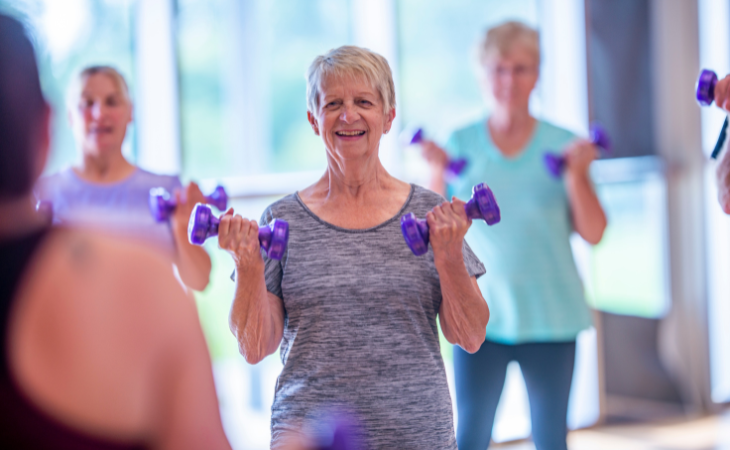
Looking at concrete measurements, strength training improved PSQI scores by 5.75 points, compared to 3.76 for aerobic exercise and 2.54 for combination exercise. Experts consider a 3-point reduction clinically meaningful, meaning strength training not only exceeds this threshold but also delivers a real-world improvement in sleep quality that people can notice in their daily lives.
Interestingly, educational programs about sleep hygiene also performed well, ranking second overall. However, according to experts, these educational interventions weren't clearly defined in the studies, and still didn't match the benefits provided by strength training.
Benefits Beyond Better Sleep
The benefits of exercise extended beyond overall sleep quality. When examining specific aspects of sleep, combination exercises improved five key areas:
Subjective sleep quality (how well people felt they slept)
Sleep latency (how quickly they fell asleep)
Sleep duration (how long they slept)
Sleep efficiency (how much time in bed was actually spent sleeping)
Reduced need for sleep medications
However, the research noted they didn't significantly improve sleep disturbance or daytime fatigue.
Making Strength Training Work for You

The good news is that strength training doesn't require expensive equipment. Many effective exercises can be done at home using body weight, resistance bands, or household items as weights. This accessibility makes strength training a viable option for most older adults, regardless of income or gym access.
It's important to progress at your own pace, as some exercises may be challenging initially. Starting with lighter resistance and gradually building strength helps avoid strain or injury.
For aging adults tired of counting sheep, adding strength training to their routine offers a promising, research-backed way to improve sleep. While medications are commonly prescribed for insomnia, they carry substantial risks for older populations. Strength training presents a safer alternative with additional health benefits.
The next time you find yourself staring at the ceiling at 3 a.m., the solution might not be an earlier bedtime or another walk—it might be those dumbbells collecting dust in the corner.