Wednesday, July 13, 2022

Study finds adding extra salt to food can take away years from your life, cause premature death

How adding salt to your foods at the table can affect your life?
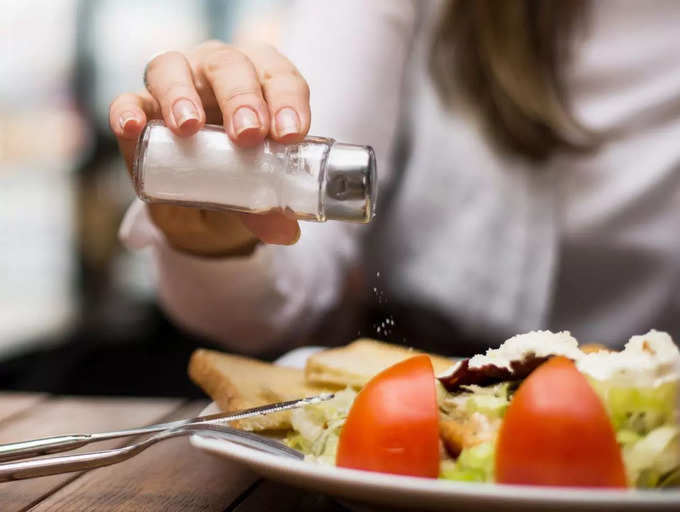
Salt plays an essential role in elevating the taste of the food. No matter how well you spice up your cuisine, without salt, it is likely to taste bland and boring. Having said that, there is no wrong in seasoning your food while it's cooking on the stove. However, if you're someone who adds extra salt to their food at the table, you may be at a higher risk of premature death, claims a study involving over 500,000 middle-aged Britons.

About the study
The research published on July 11 in the European Heart Journal looked at data from 501,379 participants in the UK Biobank project, who had joined the study between 2006 and 2010 and were followed for about nine years.

The study participants were asked via a touch-screen questionnaire whether they added salt to their foods and if they did, how often they do so. The options included: i) I never/rarely, ii) occasionally, iii) generally, iv) always, or v) prefer not to answer.

The study did not include people who responded 'prefer not to answer.'

Compared to people who never or rarely added salt, those who frequently added salt were at a 28% increased risk of dying prematurely.

Study leader Professor Lu Qi, of Tulane University School of Public Health and Tropical Medicine, New Orleans, USA, said: “To my knowledge, our study is the first to assess the relation between adding salt to foods and premature death."

“It provides novel evidence to support recommendations to modify eating behaviours for improving health. Even a modest reduction in sodium intake, by adding less or no salt to food at the table, is likely to result in substantial health benefits, especially when it is achieved in the general population," he adds.

Furthermore, the study author also explains how adding salt to foods at the table is a common eating behaviour that indicates an individual's long-term preference for salty-tasting foods.

How adding salt to meals can affect life expectancy in men vs women

While on an average, those who added extra salt to their meals had a 28% increased risk of premature death, for men aged 50, who added salt to the foods, about 2.28 years were slashed off of their life. For women, it was 1.5 years.

Other risk factors included age, sex, ethnicity, deprivation, body mass index, smoking, alcohol intake, physical activity, diet and medical conditions such as diabetes, cancer and heart disease.

The study recommends eating fruits and vegetables
The study findings come as a shock for many who love seasoning their foods with some extra salt.

Almost 18,500 premature deaths i.e. death before age 75, were recorded after the data was collected between 2006 and 2010.

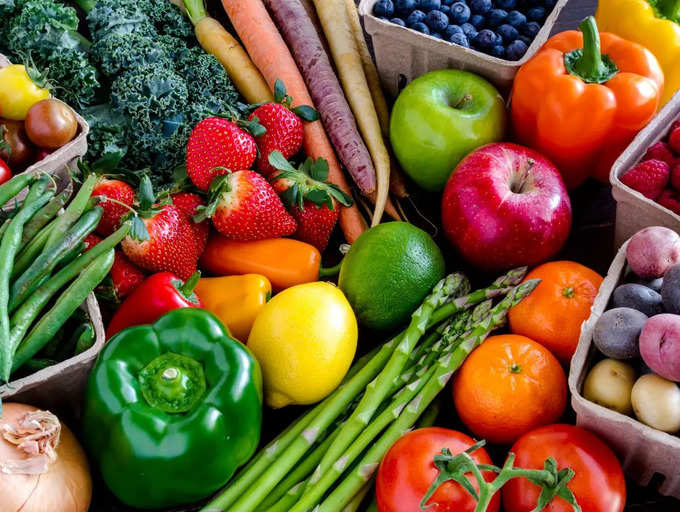
But apart from that, study researchers also found that the risks were slightly reduced in people who ate more fruits and vegetables, even though these results were not statistically significant.

“We were not surprised by this finding as fruits and vegetables are major sources of potassium, which has protective effects and is associated with a lower risk of premature death,” said Prof. Qi.

The dangers of eating too much salt

According to the World Health Organization (WHO), high sodium consumption (>2 grams/day, equivalent to 5 g salt/day) and insufficient potassium intake (less than 3.5 grams/day) contribute to high blood pressure and increase the risk of heart disease and stroke.

That said, salt intake of less than 5 grams per day for adults helps to reduce blood pressure and risk of cardiovascular disease, stroke and coronary heart attack, suggests the global health agency.

How does salt increase blood pressure

Eating too much salt can cause your body to hold extra water to wash the salt from your body. In some people, this may lead to high blood pressure. In the long run, this can stiffen and narrow down the blood vessels, limiting the blood and oxygen flow to key organs. This furthermore strains the heart, giving rise to many cardiovascular diseases, including heart attack.

Signs you're eating too much salt

There are many ways you can tell if you're consuming too much salt. Some of the signs include:

- Bloating

- Swelling

- Raised blood pressure

- Frequent thirst and urination

- Disturbed sleep

- Weakness

- Gastrointestinal issues

Ways to cut down your salt-intake

The UK National Health Services (NHS) recommends shopping for foods with lower salt content.

"Compare nutrition labels on food packaging when buying everyday items. You can really cut your salt intake by checking the label and choosing the pizza, ketchup or breakfast cereal that's lower in salt. Try choosing 1 food a week to check and swap when you're food shopping," the health body advises.

Furthermore, they recommend eating healthier snacks, choosing fruit or vegetables such as carrot or celery sticks.

"If you are going to have crisps or crackers, check the label and choose the ones lower in salt. Don't forget to check the fat and sugar content, too," they add.

Most importantly, cooking with less salt is crucial.

One can also use alternatives such as black pepper, herbs and spices to season the foods.


This is only for your information, kindly take the advice of your doctor for medicines, exercises and so on.   

https://gscrochetdesigns.blogspot.com. one can see my crochet creations  
https://gseasyrecipes.blogspot.com. feel free to view for easy, simple and healthy recipes    
https://kneereplacement-stickclub.blogspot.com. for info on knee replacement


Labels: , , , , , , , , ,

Friday, March 27, 2020

Is Diarrhea a Symptom of COVID-19? New Study Says Digestive Issues May Be Common With Coronavirus

You've likely heard the most common symptoms of COVID-19 by now: dry cough, fever, shortness of breath. But now, researchers are warning that another less-common symptom may be more prominent than doctors once thought: diarrhea.

A new study published Wednesday in The American Journal of Gastroenterology claims that digestive issues—like diarrhea, vomiting, and abdominal pain—may be more common in those with COVID-19 than was once thought, with up to half of patients diagnosed with the disease in the study issuing complaints of those issues. Also important: Compared to study patients without gastrointestinal issues, those who had GI complaints had a higher risk of mortality.

The research, a cross-sectional multicenter study from China by investigators from the Wuhan Medical Treatment Expert Group for COVID-19, examined 204 early cases of novel coronavirus in Wuhan, China from three separate hospitals. The average age of the patients was 54.9 years, and included 107 men and 97 women.


The study authors noted that while respiratory issues remain the most common symptom of novel coronavirus, many patients—99 of the 204, or 48.5%—experienced digestive symptoms as their chief complaint that generally worsened with time. Some patients also never presented with respiratory symptoms at all. “Clinicians must bear in mind that digestive symptoms, such as diarrhea, may be a presenting feature of COVID-19, and that the index of suspicion may need to be raised earlier in these cases rather than waiting for respiratory symptoms to emerge,” write the authors.

Those with digestive symptoms—which included anorexia or loss of appetite (83.8% cases), diarrhea (29.3%), vomiting (0.8%), and abdominal pain (0.4%)—also had “a worse clinical outcome and higher risk of mortality compared to those without digestive symptoms,” Brennan M.R. Spiegel, MD, MSHS, FACG, Co-Editor-in-Chief of The American Journal of Gastroenterology, explained in a press release. And, due to the fact that patients without digestive symptoms were more likely to be cured and discharged than patients with digestive symptoms, (60% of those without digestive symptoms were discharged, versus only 34.3% of patients with digestive symptoms), Dr. Spiegel emphasized “the importance of including symptoms like diarrhea to suspect COVID-19 early in the disease course before respiratory symptoms develop.” That in itself could lead to an earlier diagnosis of COVID-19, "which can lead to earlier treatment and more expeditious quarantine to minimize transmission," he said.

It should also be noted that those with digestive symptoms took much longer seek medical care. While the average time from symptom onset to hospital admission for those without digestive symptoms was 7.3 days, those with them took 9 days to be admitted. Researchers believe this may be an indicator that those with digestive symptoms sought care later because they did not yet suspect they were infected with the virus since they weren’t experiencing the most commonly discussed respiratory symptoms like cough or shortness of breath.


Niket Sonpal, MD, Board Certified NYC Internist and Gastroenterologist, who was not involved with the study, explains to Health that this is a “significant” finding, due to the fact that, “in the earlier stages of the outbreaks in China, Iran, and later Italy, we mostly saw the lower respiratory symptoms—dry cough, fatigue, accompanied by fevers.”  Diarrhea was seen in some cases, “but not an overwhelming amount in the reported cases, as we see with the dry cough and the fever,” he explains. The significance here “has more to do with testing and hospital admission, as reports out of China state that many patients who presented, first, with digestive symptoms were made to wait longer until they had the respiratory issues as well before they could get tested or receive medical attention,” says Dr. Sonpal. According to the study, these people too should have been a priority.

At the community level, these findings should be used to promote social distancing and isolation to flatten the curve, says Dr. Sonpal. "There is so much we do not know about this virus, and while we are moving as fast as possible, it is up to the community to stay home to control the spread," he says. He also urges that if you do experience diarrhea during the coronavirus pandemic, you should exert extra caution to protect those around you.

“With many viruses, the fecal matter needs to be taken into consideration,” he explains. “This is part of the reason why, when possible, a sick person should be using a different bathroom from others inside their home. If this is not possible, while it may be tedious, the CDC says it is in everyone’s best interest for the sick person to disinfect the bathroom after using it to avoid other members of the family becoming infected through bodily fluids.” That's, of course, in conjunction with the other preventive tips from the CDC, which include washing your hands frequently, avoiding large crowds or groups of over 10 people, keeping a safe distance from those who are sick, and disinfecting commonly touched surfaces.

The information in this story is accurate as of press time. However, as the situation surrounding COVID-19 continues to evolve, it's possible that some data have changed since publication. While Health is trying to keep our stories as up-to-date as possible, we also encourage readers to stay informed on news and recommendations for their own communities by using the CDC, WHO, and their local public health department as resources.


This is only for your information, kindly take the advice of your doctor for medicines, exercises and so on.     

https://gscrochetdesigns.blogspot.com. one can see my crochet creations  
https://gseasyrecipes.blogspot.com. feel free to view for easy, simple and healthy recipes    
https://kneereplacement-stickclub.blogspot.com. for info on knee replacement

Labels: , , , , , , ,