Tuesday, August 22, 2017

Vitamin C deficiency may inhibit immune system’s ability to combat leukaemia

An apple a day may keep the doctor away, but a glass of juice could keep you out of a cancer ward. Research involving mice has linked vitamin C deficiency to leukemia.
It’s not the first time low vitamin C has been tied to serious health issues.

 “Since the times of Captain Cook, it has been widely known that dietary intake of fresh fruit and produce is essential to prevent scurvy, the disease associated with vitamin C deficiency,” says an Associate Professor.

Now two new studies published have figured out how such a deficiency also damages the body’s ability to suppress blood tumour development.

VITAL INGREDIENT
“Low vitamin C levels are linked to higher death rates from cancer and early clinical trials using massive intravenous doses of vitamin C showed some remarkable benefits,” says Associate Professor. “But these and other reports were silenced by more carefully designed, yet flawed, trials in the late ’70s.”

This new research could reignite the hope vitamin C could help cancer sufferers.

Unlike humans, mice make their own vitamin C inside their bodies. So, first, researchers had to genetically engineer them to only get it from their food.

Those mice with low vitamin C intakes had an unusually high count of stem cells in their blood and bone marrow, reduced immune system resistance to tumours and higher rates of developing leukemia.

And once the mice with leukemia were given extra vitamin C, the rate of the blood cancer’s spread slowed.

BLOOD BALANCE
“Leukemia is the classical disease where the control of blood production goes awry,” says Associate Professor. “Too many blood cells build up in the blood, bone marrow and other organs. We know that most leukemia is actually caused by genetic changes ... (which) cause the blood cell to grow uncontrollably and/or prevent the blood cells from dying.”

At the centre of the discovery is an immune system tumour-suppressor enzyme called Tet2 which controls a variety of processes within bone marrow and blood cells related to the production of new cells. Lack of vitamin C reduces the activity of this enzyme which, in turn, promotes the development of leukemia.

Whether or not the process could be applicable in people was tested on human stem cells. These reacted to vitamin C in the same way mouse cells did.

“Vitamin C supplementation might even benefit the one in 50 healthy elderly who have loss of Tet2 activity, putting them at a high risk of death from leukemia as well as heart disease,” Prof.  says.

DIET TUNE-UP
“Most of us accept the link between dietary intake and diseases such as heart attacks and cancer, but these results show us how finely balanced the human body really can be,” Dr. says.

So should you rush out and buy vitamin C supplements?

“Clearly such a recommendation is premature,” he says. “True vitamin C deficiency is exceedingly rare in a privileged developed nation.”

There is as yet no suggestion that supplementing chemotherapy or other treatments with vitamin C has any benefit for patients with leukemia. Carefully designed and controlled human clinical trials are needed to assess that.

“Rather, this work reinforces the general advice that a healthy, balanced diet containing the recommended intake of essential minerals and vitamins is the best way to keep your body functioning normally, and to recover after life changing diseases such as cancer,” Dr.  says.

this is only for your information, kindly take the advice of your doctor for medicines, exercises and so on.                                                                                                             https://gscrochetdesigns.blogspot.com. one can see my crochet creations                                   https://gseasyrecipes.blogspot.com. feel free to view for easy, simple and healthy recipes                 https://kneereplacement-stickclub.blogspot.com. for info on knee replacement              

Labels: , , , , , ,

Friday, June 05, 2015

8 Exotic Superfoods to Boost Your Immune System


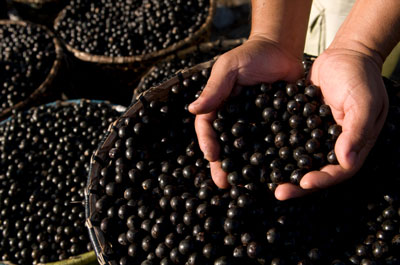
acai berries

Extracts from acai berries may destroy cancer cells, particularly those associated with leukemia.

Acai berries (pronounced ah-sigh-ee) are grown on the palm trees in the Amazon rainforest of northern Brazil. The name of the game with acai berries is pure antioxidant and nutrient power.
They fight leukemia. A well-known study, done by the University of Florida, found that extracts of the acai berry destroyed human cancer cells grown in a lab. More studies are needed to confirm its effects, but this step is definitely in the right direction.
They reduce inflammation. One of the best things that acai berries can do for you, due to the large amounts of anthocyanins they contain, is reduce inflammation associated with chronic diseases. Heart disease, cancer, diabetes, arthritis, fatigue syndromes, digestive discomforts, aches, and pains are all helped by reducing inflammation.
They shield your heart against disease. The pulp of acai berries has deep healing agents that contain antioxidants and fiber that reduces cholesterol — and keeps your digestive system healthy to boot!
 

Goji berries are richly immersed in antioxidant power.

Goji berries (pronounced go-gee), which are the commercial name for wolfberries, have been used for thousands of years in Chinese medicine.
Battle cancer: The phytochemicals in goji berries may have powerful anticancer effects. A 1994 study published in the Chinese Journal of Oncology stated that goji berries have a positive effect on treatments when used in conjunction with other cancer therapies.
Support weight loss: Goji berries contain natural compounds that are lipotropic, meaning they help carry fat away from the liver and burn those extra calories.
Protect your heart: Goji berries have compounds to lower cholesterol, are natural defenders against free radical damage, and release levels of homocysteine, a protein associated with heart disease and inflammation.
Prevent age-related eye problems: Goji berries have a high level of antioxidants, like beta carotene and zeaxanthin, which are important for vision. Zeaxanthin protects the eyes, specifically the retina, and may reduce the risk of age-related macular degeneration.
Boost your libido: This amazing superfood not only raises your spirits, but it also raises your libido! Goji berries raise testosterone levels, and, therefore, your sex drive goes up.
 

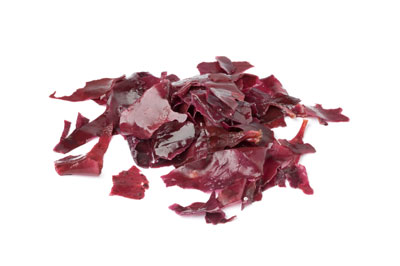
Dulse is a sea vegetable with many vitamins, minerals, essential fatty acids, and other natural food chemicals with antioxidant properties.

Dulse is reddish brown and comes in whole leaves, powdered, or as a condiment. This sea vegetable is chewy with a salty finish. Dulse flakes give a great flavor to salads. You can also eat it right out of the package!
 

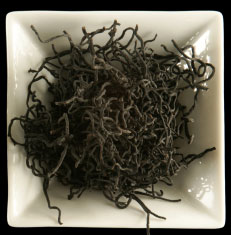
Hijiki is a sea vegetable that looks like black angel hair pasta.

Called the “beauty vegetable” in Japan for the shiny hair and beautiful skin it gives to those who indulge, this sea vegetable helps nourish the thyroid, promotes healthy skin and hair, and promotes a healthy immune system.


You can find virtually every nutrient in sea kelp.

Kelp is a great source of iodine, which is a vital nutrient that many are deficient in and that your throid needs. Kelp noodles are delicious and a wonderful way to add sea vegetables to your diet.


Kombu, another sea vegetable, provides minerals that are particularly important in your diet.

Kombu is a type of brown algae that has a beautiful dark purple hue. You can find kombu fresh, frozen, or dried. It comes in thick strips or sheets. It has a savory taste and can be used as a food flavoring, food topping, or a nice salty addition to soups.
 

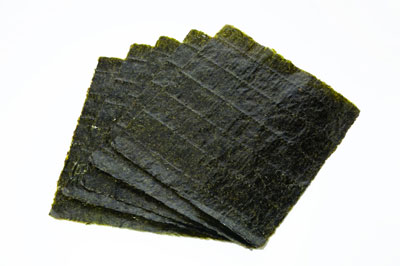
Nori is the most popular sea vegetable because it’s used to make sushi.

You can find nori in colors from dark purple to marine green. You can use it as a condiment for soups, salads, and casseroles or cut into strips.


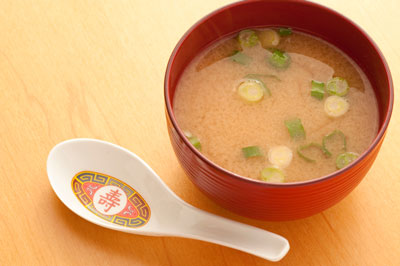
Another great sea vegetable, wakame, provides a salty taste that comes from a balance of sodium and other minerals from the sea.

Wakame (pronounced wah-ka-may) is a tender grayish green sea vegetable, and when you soak wakame, it expands many times its original size. Eat it raw as a snack, add it to soups and stir-fries, or roast it and sprinkle on salads and stews. Wakame becomes soft and melts in your mouth when cooked. What a great way to add minerals to your foods!
Sea vegetables also give you a good dose of fiber to promote digestive health.

 THIS IS ONLY FOR INFORMATION, ALWAYS CONSULT YOU PHYSICIAN BEFORE HAVING ANY PARTICULAR FOOD/ MEDICATION/EXERCISE/OTHER REMEDIES.


PS- THOSE INTERESTED IN RECIPES ARE FREE TO VIEW MY BLOG-
HTTP:GSEASYRECIPES.BLOGSPOT.COM


FOR INFO ABOUT KNEE REPLACEMENT, YOU CAN VIEW MY BLOG-
HTTP://KNEE REPLACEMENT-STICK CLUB.BLOGSPOT.COM/

FOR CROCHET DESIGNS

Labels: , , , , , , , , , , , , , ,