Tuesday, December 03, 2024

10 Medicinal Leaves To Lower High Cholesterol Levels Naturally Without Surgery

High Cholesterol Lowering Home Remedies: Cholesterol is a waxy substance similar to fat that exists in every single cell of our bodies. It plays a key role in making hormones, vitamin D, and substances that are essential for digesting food. LDL cholesterol is labeled as "bad" because it can cause plaque to accumulate in our arteries, increasing the risk of heart disease and strokes. On the other hand, HDL cholesterol is considered "good" as it helps carry other types of cholesterol away from the bloodstream and back to the liver for removal. It's crucial to maintain a healthy balance between these two types of cholesterol to ensure heart health.

High chlesterol, medically known as hypercholesterolemia, happens when there's too much cholesterol in the blood. This can occur due to various factors, including diet, genetics, and lifestyle. Consuming foods high in saturated and trans fats can elevate LDL cholesterol, while not getting enough exercise can lower HDL levels. Unfortunately, high cholesterol often doesn't show any signs, making regular screenings vital for early identification and management. 

Why should one manage cholesterol? 

Managing cholesterol is essential for preventing heart-related diseases. High cholesterol significantly raises the risk of heart attacks and strokes. By controlling these levels, individuals can significantly lower their chances of facing these life-threatening conditions. Additionally, taking care of cholesterol can lead to better overall health and a longer life.  

10 Medicinal Leaves To Lower High Cholesterol Levels

Have you been diagnosed with high cholesterol levels? Try to add these 10 medicinal leaves to your daily diet routine to keep LDL levels under control and protect the heart:

Holy Basil (Tulsi)

Holy Basil, or Tulsi, is highly regarded in traditional medicine for its array of health benefits. Research indicates that this herb can effectively lower cholesterol by enhancing lipid profiles. The antioxidants found in Holy Basil help to counteract oxidative stress, which is a contributor to high cholesterol levels. You can easily incorporate Holy Basil into your meals by brewing it into tea or tossing it into salads. 

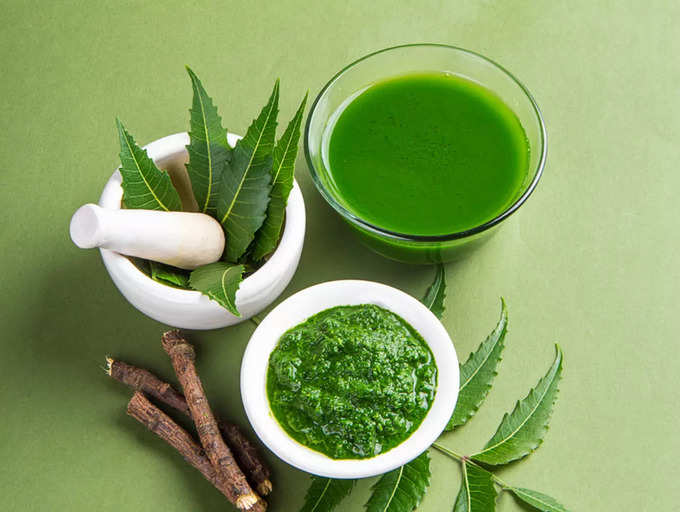
Neem Leaves Juice

Neem leaves are celebrated for their detoxifying abilities. They assist in purifying the blood and supporting liver function, both of which are vital for managing cholesterol. Neem's compounds can aid in lowering LDL (the harmful cholesterol) while increasing HDL (the good cholesterol). Regularly consuming neem leaves whether as juice or supplements can provide significant benefits for those grappling with high cholesterol.

Curry Leaves Juice

Curry leaves not only add zest to many dishes but also boast medicinal properties. They are loaded with antioxidants that can help reduce cholesterol by inhibiting fat absorption in the intestines. By incorporating curry leaves into your cooking, you can add flavor while promoting your heart health.

Mint Leaves (Pudina Leaves)

Mint leaves are popular for their fresh flavor, but they also pack health benefits. They aid digestion and can lower cholesterol levels. The menthol in mint can enhance bile flow, which is crucial for metabolizing fats. It's simple to add mint to your diet just toss some into smoothies or salads.

Nutrient Powerhouse/ Spinach

Spinach is a well-known health booster, particularly when it comes to lowering cholesterol. Its high fiber content helps bind cholesterol in the digestive tract, preventing its absorption. Plus, spinach is rich in essential vitamins and minerals that promote heart health. Including spinach in your meals is a tasty way to fight high cholesterol.

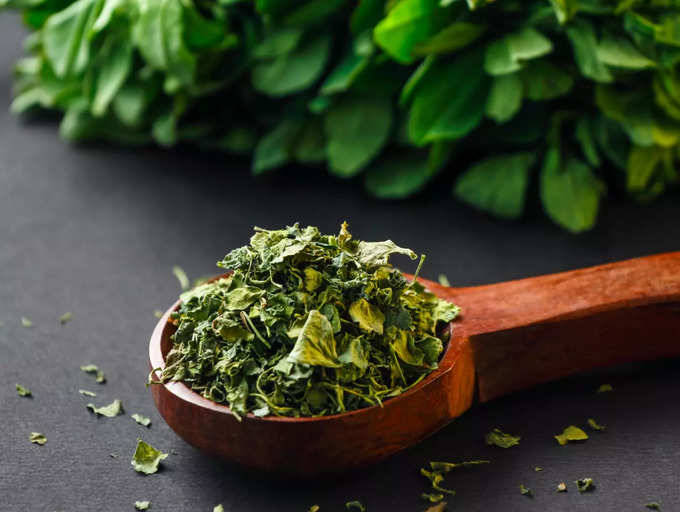
Fenugreek Leaves (Methi leaves)

Fenugreek leaves serve as a powerful natural remedy against high cholesterol. These leaves are rich in soluble fiber, which helps lower cholesterol by binding to bile acids in the gut, thus reducing overall cholesterol levels in the body. Fenugreek can be enjoyed as a vegetable or taken as a supplement for the best results.

Dandelion Leaves

Dandelion leaves often go unnoticed but are surprisingly effective at lowering cholesterol levels. They act as a natural diuretic, helping eliminate excess cholesterol from the body. Additionally, dandelion leaves promote liver health, essential for cholesterol regulation. You can relish dandelion leaves in salads or as herbal tea.

Moringa Leaves

Moringa leaves are nutrient-dense and recognized for their ability to lower cholesterol. They are loaded with antioxidants that help reduce oxidative stress and enhance heart health. You can enjoy moringa in various forms, including powder, capsules, or fresh leaves, making it a versatile addition to your meals.

Bay Leaves (Tej Patta)

Bay leaves are a staple in cooking due to their lovely aroma, but they are also beneficial for health. Studies suggest that bay leaves can lower cholesterol levels and boost heart health. Simply add bay leaves to your soups and stews to enjoy their flavor while reaping their health benefits.

Aloe Vera

Aloe vera is renowned for its skin healing properties, but it also aids in cholesterol management. The gel extracted from Aloe Vera leaves can help decrease cholesterol levels by enhancing lipid profiles. Regularly consuming Aloe Vera juice can support your heart health and overall wellness. 

Nature offers an abundance of remedies for managing high cholesterol levels. These 10 medicinal leaves, when combined with a healthy lifestyle and medical advice, can significantly improve heart health and reduce cholesterol levels naturally. Incorporate them into your daily routine to experience their benefits and take a step closer to a healthier life.


This is only for your information, kindly take the advice of your doctor for medicines, exercises and so on.   

https://gscrochetdesigns.blogspot.com. one can see my crochet creations  
https://gseasyrecipes.blogspot.com. feel free to view for easy, simple and healthy recipes    
https://kneereplacement-stickclub.blogspot.com. for info on knee replacement
https://cancersupportindia.blogspot.com  for infor on cancer and health related topics
https://GSiyers home remedies.blogspot.com   is the latest addition to my blogs. I'm going to add posts there, do give me your valuable feed back on my blogs. Thanks a lot, take care, be healthy and be happy.


Labels: , , , , , , , , ,

Monday, November 08, 2021

Ayurvedic tips to recover faster from dengue fever

Ayurvedic tips to recover faster from dengue fever

The cases of dengue are rising in the capital, which is making the situation alarming. Dengue is a flu-like disease, which is caused by the bite of female mosquitoes of Aedes aegypti species.

Some common symptoms of dengue include vomiting, severe headache, nausea, rashes, joint pain, muscle pain, pain behind the eyes and swollen glands. The symptoms if not treated timely can lead to bigger problems like fatigue, blood in vomit, persistent vomiting, bleeding gums, restlessness and severe abdominal pain. There is no specific treatment available for dengue. The treatment currently includes handling the symptoms.

Fortunately, there are some effective home remedies that can help you recover faster from dengue fever. Here are five of them:

readmore

Fenugreek

Fenugreek leaves are a powerful painkiller. You can have it by soaking the leaves in water overnight and drinking the strained liquid the next morning.

​Orange juice

We all know vitamin C works wonders in boosting immunity. Consuming orange juice will help strengthen your immunity and keep you hydrated.

Neem leaves

Neem leaves are known for their medicinal properties. It can help immensely in restricting the growth and spread of the virus in the body. It can also help in increasing the white blood cell platelet and platelet count. You can brew some neem leaves in water and drink the strained liquid.

​Papaya leaves

Papaya leaves are a great remedy to treat dengue fever. It helps by reliving these symptoms, boosting immunity and increasing the platelet count. You can have its juice by grinding the leaves in a mortar pestle two times a day.

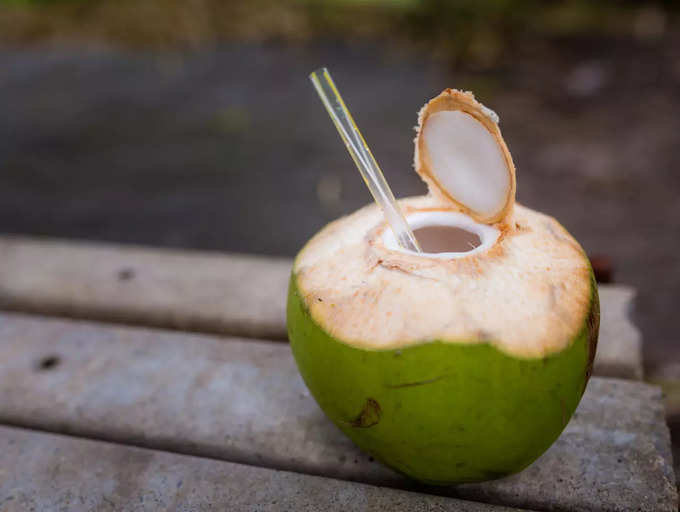
Coconut water

Dengue can lead to vomiting, which can make you feel dehydrated. To prevent this, you can add coconut water to your diet.

This is only for your information, kindly take the advice of your doctor for medicines, exercises and so on.   

https://gscrochetdesigns.blogspot.com. one can see my crochet creations  
https://gseasyrecipes.blogspot.com. feel free to view for easy, simple and healthy recipes    
https://kneereplacement-stickclub.blogspot.com. for info on knee replacement


Labels: , , , , , , , , , , , , ,

Wednesday, May 18, 2016

Natural Remedies to Help Clear Up 'Milk Spots'

THIS IS ONLY FOR INFORMATION, ALWAYS CONSULT YOUR PHYSICIAN BEFORE HAVING ANY PARTICULAR FOOD/ MEDICATION/EXERCISE/OTHER REMEDIES.


FOR INFO ABOUT KNEE REPLACEMENT, YOU CAN VIEW MY BLOG
HTTP://KNEE REPLACEMENT-STICK CLUB.BLOGSPOT.COM/

FOR CROCHET DESIGNS- http://My Crochet Creations.blogspot.com/


Milk spots, also known as Milia, can develop among people of all ages, but they are especially common in newborns. They are small, white, raised bumps that normally occur on the surface of the nose or the cheeks. Milk spots occur as a result of keratin, a protein found in the outer layer of the skin, that gets trapped underneath the skin. 
 
milia milk spots face
 

Among adults, it is believed that they occur from a pre-existing skin condition, burns or blisters, long exposure to the sun, use of steroid cream or repeated skincare procedures, such as laser treatments. They are not dangerous, and rarely irritating or itchy, however, they may cause discomfort in some people and many adults feel extremely self conscious about them too. Milk spots may be removed with laser or surgical procedures, but simple, cheap and natural alternatives work just as well. 

Here are  remedies you can try: 
 
1. Fenugreek leaves
Milk Spots

Fenugreek's antiseptic and antioxidant properties work wonders on Milia. They are often used to stop acne breakouts too. 
Use: Grind a handful of fresh fenugreek leaves into a paste with some water. Spread onto the affected areas and let sit for 15 minutes before washing off. 
2. Honey
Raw honey is an extremely useful and versatile ingredient that is becoming increasingly recognized not only for its amazing taste (you can eat a spoonful of honey directly or spread it on bread like jam) but also for its medicinal properties. 
Use: Apply raw honey to your face to help moisturize and give a boost of antioxidants to the affected areas. Repeat daily, lettingt it sit for 15 to 20 minutes before washing off. 
3. Oatmeal scrub
Milk Spots
Oatmeal is very healthy,consuming it will reap many health benefits, it has many uses outside the kitchen too. In fact, oatmeal can be used for radiant skin.
Use: Combine 1 tablespoon of granulated sugar, 1 tablespoon of honey and 3 tablespoons of oatmeal. Apply to your face daily to unclog pores and reduce milk spots.
4. Sugar lemon juice scrub
This citrus fruit is a well-known source of vitamin C. While lemons are nutritious, used in cooking and drinks, they work wonders on skin too.
Use: To prepare this homemade scrub, combine 2 tablespoons of sugar, 1 tablespoon lemon juice and 1 teaspoon olive oil. Use as a scrub on your face and let it sit for 20 minutes before washing off. This exfoliation will help break up and unclog pores that are trapping Milia. 
While they may seem like an unlikely combination, these two ingredients work wonderfully together, especially when applied to the face. Cornstarch absorbs excess oil on the skin, while apple cider vinegar gets into the pores and cleans your face.
Use: Make a paste using the two ingredients and apply to the affected areas, letting it sit for 25 minutes before removing.
-
6. Pomegranate peel powder
Milk Spots
Pomegranates   are an incredibly great source of vitamins A, C and E. Pomegranate peel powder, however, is especially recommended for skin remedies. In fact, when powdered, the peel helps exfoliate the skin and provides a ton of antioxidant properties that help break up milk spots.
Use: To make the powder, roast the peels until they have turned brown. Then mash or blend them into a powder. Add lemon juice to reap further benefits and apply the paste to your face letting it sit for 20 minutes. Repeat three times per week. 
7. Steam
This method is pretty simple and will help unclog pores and remove any debris or dead skin cells from your face.
Use: Soak a towel in hot water and squeeze it to remove any excess water. Place the towel across your face for several minutes.
8. Tea tree oil
Milk Spots
This essential oil works wonders on all sorts of skin condition. It's pretty inexpensive to buy too and has many great antibacterial properties.
Use: Combine 12 drops of this essential oil with 50ml base oil (such as coconut oil, avocado oil, grape seed oil or aloe Vera gel). Coat your milk spots with the blend and let the oil sit overnight. Wash your face thoroughly in the morning.
9. Tomatoes
Tomatoes are rich in vitamin C, making your skin glow and helping your milk spots vanish. To reap the benefits, apply the following remedy to your face:
Use: Halve a tomato and sprinkle with some sugar (this will make it more of an exfoliant) then rub over your face and over your milk spots.
10. Clay mask
Milk Spots
While you can't make or prepare this remedy at home, it is pretty inexpensive to buy. The mask helps remove dead skin cells and reduces the milk spots on your face, leaving your skin soft and smooth.
Use: Just rub the mask onto your skin, letting it sit for a while then wash it off well.
11. Toothpaste
As unlikely as this ingredient may seem, toothpaste not just brightens and cleans our teeth, has lots of other uses too: The fluoride found in toothpaste helps remove the symptoms associated with Milia. Simply rub a dab of toothpaste on the milk spots and let it sit for 25 minutes. 

Labels: , , , , , , , , , , , , , ,