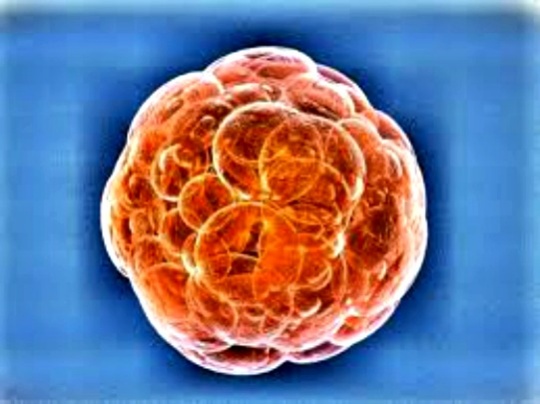
New way of overcoming human stem cell rejection discovered
Biologists
have discovered an effective strategy that could prevent the human
immune system from rejecting the grafts derived from human embryonic
stem cells, a major problem now limiting the development of human stem
cell therapies.
The discovery by UC San Diego researchers may also provide scientists with a better understanding of how tumors evade the human immune system when they spread throughout the body.
The study by a collaboration that included scientists from China, was enabled by the development of "humanized" laboratory mice that contained a functional human immune system capable of mounting a vigorous immune rejection of foreign cells derived from human embryonic stem cells.
Because human embryonic stem cells are different from our own body's cells, or "allogenic," a normally functioning human immune system will attack these foreign cells. One way to reduce the body's "allogenic immune response" is to suppress the immune system with immunosuppressant drugs.
The biologists took immune deficient laboratory mice and grafted into their bodies human fetal thymus tissues and hematopoietic stem cells derived from fetal liver of the same human donor. "That reconstituted in these mice a normally functioning human immune system that effectively rejects cells derived human embryonic stem cells," Yang Xu, who headed the team of researchers, said.
With these "humanized" mouse models, the biologists then tested a variety of immune suppressing molecules alone or in combination and discovered one combination that worked perfectly to protect cells derived from human embryonic stem cells from immune rejection.
That combination was CTLA4-lg, an FDA-approved drug for treating rheumatoid arthritis that suppresses T-cells responsible for immune rejection, and a protein called PD-L1 known to be important for inducing immune tolerance in tumors.
The researchers discovered that the combination of these two molecules allowed the allogeneic cells to survive in humanized mice without triggering an immune rejection.
The study was published in the journal Cell Stem Cell.
THIS IS ONLY FOR INFORMATION, ALWAYS CONSULT YOU PHYSICIAN BEFORE HAVING ANY PARTICULAR FOOD/ MEDICATION/EXERCISE/OTHER REMEDIES.
PS- THOSE INTERESTED IN RECIPES ARE FREE TO VIEW MY BLOG-
The discovery by UC San Diego researchers may also provide scientists with a better understanding of how tumors evade the human immune system when they spread throughout the body.
The study by a collaboration that included scientists from China, was enabled by the development of "humanized" laboratory mice that contained a functional human immune system capable of mounting a vigorous immune rejection of foreign cells derived from human embryonic stem cells.
Because human embryonic stem cells are different from our own body's cells, or "allogenic," a normally functioning human immune system will attack these foreign cells. One way to reduce the body's "allogenic immune response" is to suppress the immune system with immunosuppressant drugs.
The biologists took immune deficient laboratory mice and grafted into their bodies human fetal thymus tissues and hematopoietic stem cells derived from fetal liver of the same human donor. "That reconstituted in these mice a normally functioning human immune system that effectively rejects cells derived human embryonic stem cells," Yang Xu, who headed the team of researchers, said.
With these "humanized" mouse models, the biologists then tested a variety of immune suppressing molecules alone or in combination and discovered one combination that worked perfectly to protect cells derived from human embryonic stem cells from immune rejection.
That combination was CTLA4-lg, an FDA-approved drug for treating rheumatoid arthritis that suppresses T-cells responsible for immune rejection, and a protein called PD-L1 known to be important for inducing immune tolerance in tumors.
The researchers discovered that the combination of these two molecules allowed the allogeneic cells to survive in humanized mice without triggering an immune rejection.
The study was published in the journal Cell Stem Cell.
THIS IS ONLY FOR INFORMATION, ALWAYS CONSULT YOU PHYSICIAN BEFORE HAVING ANY PARTICULAR FOOD/ MEDICATION/EXERCISE/OTHER REMEDIES.
PS- THOSE INTERESTED IN RECIPES ARE FREE TO VIEW MY BLOG-
HTTP:GSEASYRECIPES.BLOGSPOT.COM/
FOR INFO ABOUT KNEE REPLACEMENT, YOU CAN VIEW MY BLOG-
HTTP://KNEE REPLACEMENT-STICK CLUB.BLOGSPOT.COM/
FOR CROCHET DESIGNS
HTTP://MY CROCHET CREATIONS.BLOGSPOT.COM
FOR CROCHET DESIGNS
HTTP://MY CROCHET CREATIONS.BLOGSPOT.COM
Labels: allogenic immune response, biologists, embryonic stem cell, fetal liver, fetal thymus tissues, grafts, hematopoietic stem cells, immune system, immuno-suppressant drugs, prevents, rejection
posted by G S Iyer at 1:27 PM
0 comments